



Antique Silver Spice Box
These antique silver spice boxes are small portable containers designed for culinary seasonings, prized for their intricate workmanship and practical history.
What an antique silver spice box is
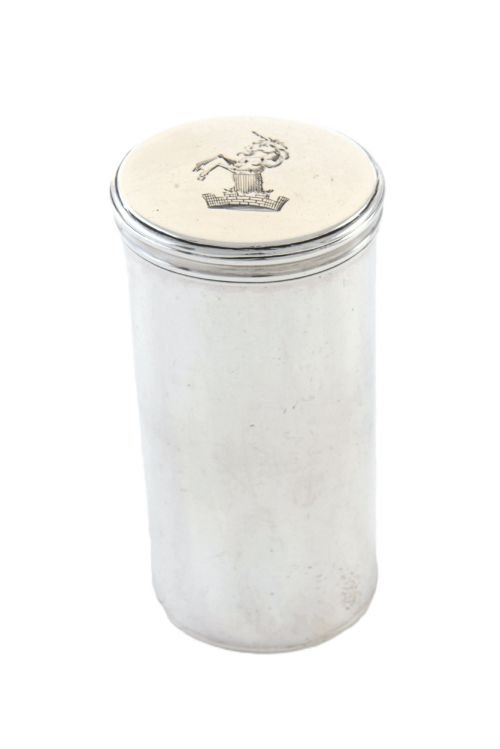
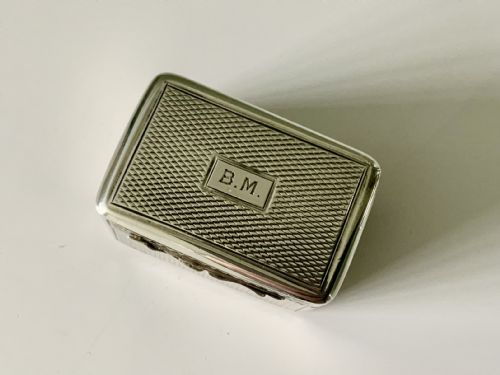
When you search for an antique silver spice box, you encounter small containers created to hold flavourings for food and drink at the dining table. The pieces appearing here span the Georgian and Victorian eras, alongside the nineteenth century.
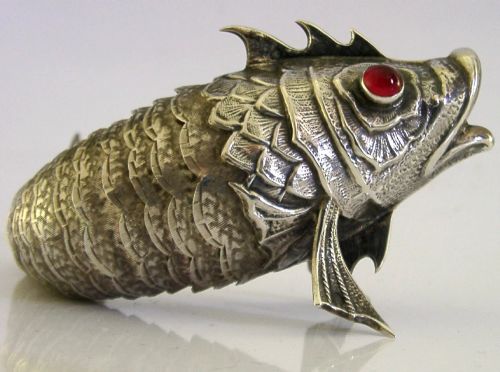
You frequently meet nutmeg graters within these listings, taking forms such as barrels or fish shapes. These items reflect the domestic habits of earlier centuries when diners grated their own spices.
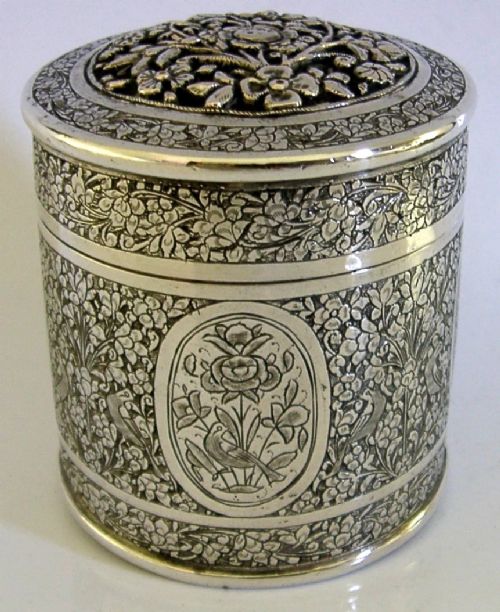
The origins stretch from British workshops to colonial silver production, notably including Indian Kutch examples from around eighteen ninety. Each version demonstrates the specific functional requirements of its period.
How they were made
The makers formed these objects primarily from sterling silver, shaping the metal to create tight-fitting lids and secure compartments. Many incorporate steel components, particularly for the abrasive grater inserts used with nutmegs.
Silversmiths utilised hammering, casting, and chasing techniques to render detailed textures such as fish scales or barrel staves. Hallmarks were typically stamped directly onto the silver to record the metal standard and origin.
Retail Price Guide 2026
Typical UK retail prices for silver spice box, calculated from the Sellingantiques database of over a million retail prices indexed since 2003. This retail price guide relies exclusively on Sellingantiques data; no external sources or auction records are used, so the figures do not describe the wider market.
Several boxes take the charming shape of a silver fish, swallowing the spice grater whole.
What varies in quality
Quality in these pieces rests upon the crispness of the chased decoration and the precision with which hinged lids close. Superior examples retain sharp detail on surface patterns like fish scales or wood grain.
The integrity of the internal steel grater insert relative to the silver housing distinguishes finer items. Maker marks and clear hallmarks also elevate the standing of a piece.
The Antique Silver Spice Box Glossary
- Sterling silver
- A silver alloy containing ninety-two point five percent pure silver by mass, providing the durable foundation for these containers. It is the standard metal seen across most British pieces.
- Hallmark
- An official stamp applied to precious metals to guarantee their purity and origin. These marks often reveal the date letter and the maker's initials.
- Chasing
- A metalworking technique where the smith pushes the silver from the front to create raised designs without removing metal. This method defines the surface texture of decorative boxes.
- Nutmeg grater
- A specialised pocket device combining a storage compartment with an internal rasp. It allowed diners to freshly grate hard spices.
Frequently Asked Questions
What was a spice box used for?
These boxes held potent seasonings like nutmeg that diners added to food or alcoholic drinks at the table.
Their compact size allowed travellers and hosts to carry valuable spices securely.
How do I clean antique silver?
Use a soft microfibre cloth and gentle silver polish formulated specifically for antique metalwork.
Avoid harsh chemical dips that strip away the dark oxidation in recessed details.
Are these boxes still functional?
Many retain their hinged lids and internal steel rasps, though modern users typically display them as collectors' items.
The aged steel and silver are best preserved through careful handling rather than daily kitchen use.
How can I date my spice box?
Check the interior or base for stamped hallmarks that indicate the assay office and active year.
Stylistic markers like the Georgian barrel shape or Victorian fish design also point to specific decades.