




Antique Nutmeg Grater
An antique nutmeg grater is a small domestic instrument for grating spices at the dining table, combining utilitarian metal and turned wood forms.
Antique Nutmeg Grater
When you search for an antique nutmeg grater, you encounter small personal implements and larger table vessels designed to reduce hard spices into powder before dining. The pieces seen here span from the eighteenth century through the Victorian period, reflecting domestic dining habits where guests grated their own spice.
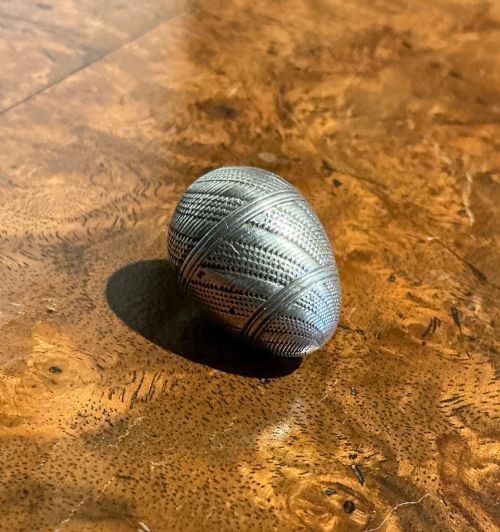
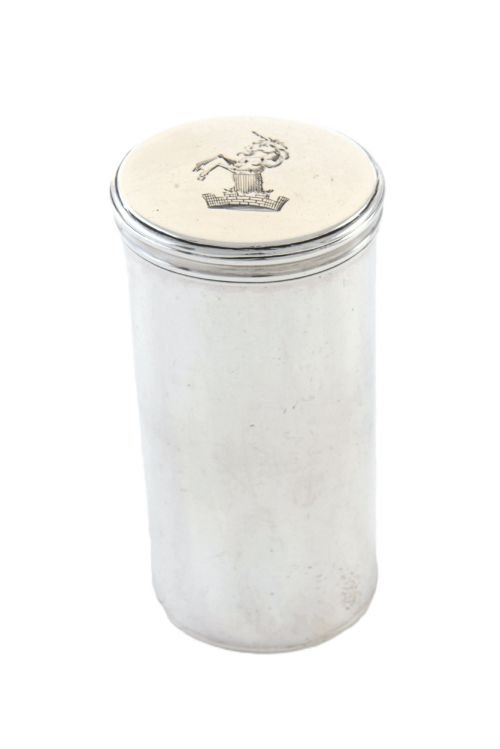
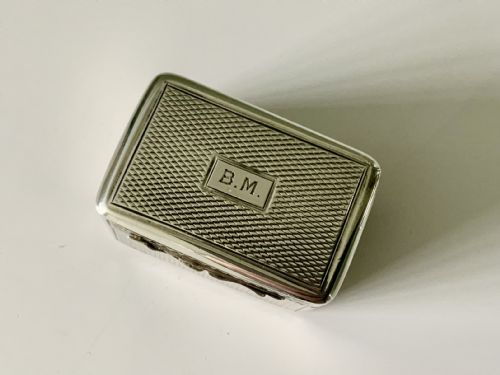
The most common silver forms on this page include pocket boxes, cylindrical containers, and egg or acorn shapes housing a steel rasp within. Treen versions take organic shapes such as wine bottles, pears, apples, buckets, and spice towers, often turned from fruitwood, coquilla nut, or bone.
Georgian and William IV silver examples frequently bear crisp hallmarks and crests, while nineteenth-century treen pieces demonstrate decorative turning and specialised techniques like Tunbridge Ware banding.
How they were made
Silver examples are constructed from sterling silver sheets, formed into barrels, egg shapes, or boxes with hinged lids that enclose a pierced steel rasp. These metal components rely on silversmithing techniques including casting, hammering, and detailed engraving or chasing.
Treen graters are fashioned using a lathe to turn dense woods such as fruitwood and coquilla nut into hollow vessels resembling bottles or fruit. Some items incorporate bone components or intricate Tunbridge Ware mosaic decoration applied to the wooden surface.
The documented periods span the eighteenth and nineteenth centuries, encompassing Georgian, William IV, and Victorian styles.
What varies in quality
Quality in silver grater boxes rests on the crispness of the hallmarks, the integrity of the hinge mechanism, and the sharpness of the internal steel rasp. Superior pieces retain clear maker marks, substantial metal weight, and unblemished crests or engraving.
Among treen and coquilla nut specimens, excellence lies in the precision of the turning, the depth of any carved detail, and the survival of the original interior grater. Tunbridge Ware versions depend on the tightness of the wood mosaic tesserae and the preservation of the polished finish.
Daniel Field·Reid and Summers·J Taylor
The Antique Nutmeg Grater Glossary
- Treen
- Small domestic wooden objects made by turning or carving. These pieces range from plain utilitarian kitchenalia to decorative pocket items.
- Coquilla nut
- The hard, mottled brown seed of an exotic palm tree used for intricate turning and carving. It frequently appears in pocket-sized spice containers and fruit shapes.
- Tunbridge Ware
- Woodworking decorated with tiny mosaic tiles forming geometric or floral patterns. This technique characterises many nineteenth-century wooden spice containers.
- Vinaigrette
- A small metal container holding a sponge soaked in aromatic vinegar. While distinct from spice implements, these small silver boxes share form and period with pocket graters.
Antique Nutmeg Grater: Frequently Asked Questions
How were antique nutmeg graters used?
These implements allowed diners to grate whole dried nutmeg directly into food or drink at the table. The hard kernel was held against an internal steel rasp by a hinged or screw-fitting lid.
Once grated, the spice fell into the base of the silver box or wooden vessel, ready for immediate use in punch, beer, or culinary dishes.
Why are some shaped like wine bottles?
Turning wooden spice containers into familiar forms like wine bottles, pears, or acorns demonstrated the skill of the woodturner. These playful shapes disguised practical kitchen implements as decorative objects suitable for display.
Such treen pieces were popular as pocket companions or table novelties during the Georgian and Victorian eras.
How do I date a silver nutmeg grater?
Silver examples usually feature assay office marks, date letters, and maker stamps that provide precise years of manufacture. A George III piece from the late eighteenth century carries distinct hallmarks compared to a later William IV or Victorian item.
Stylistic shifts from plain cylindrical boxes to naturalistic acorn and egg shapes also help establish the decade of origin.
What is Tunbridge Ware?
Tunbridge Ware refers to woodworking characterised by mosaic patterns made from many small blocks of naturally coloured woods. Makers applied these detailed bands to wooden containers such as spice towers and barrel graters.
This decorative technique originated in Kent and remains distinct among nineteenth-century treen pieces.