







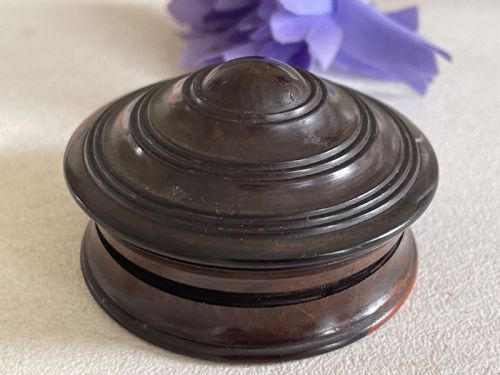
Georgian Scientific Instrument
A georgian scientific instrument brings precision mechanics and optical clarity into your study, uniting practical utility with handsome period cabinet-making.
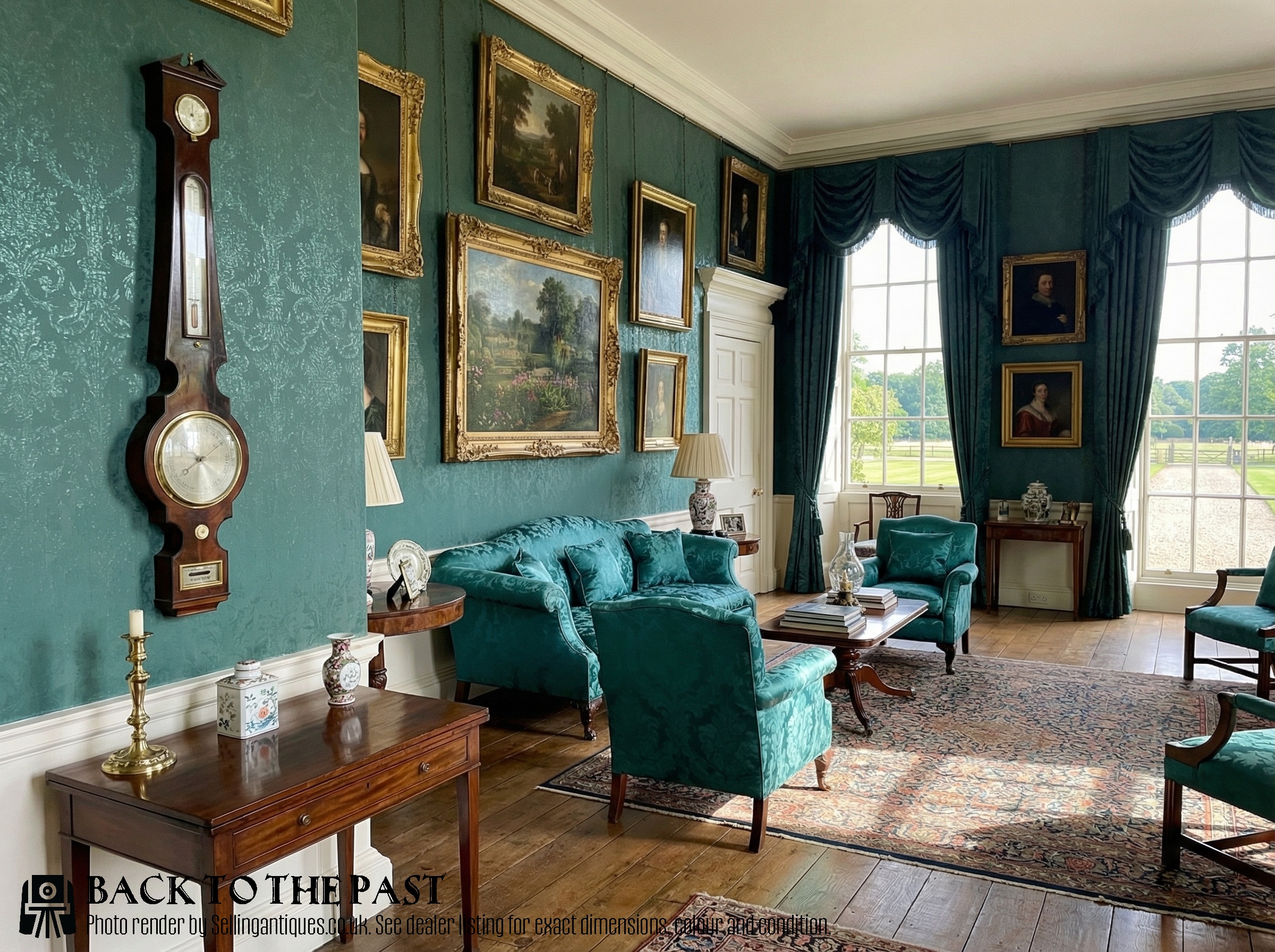
Georgian Scientific Instrument
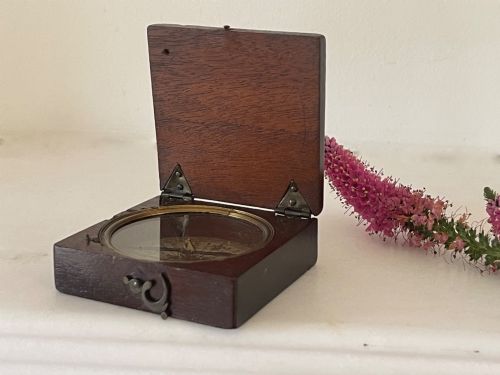
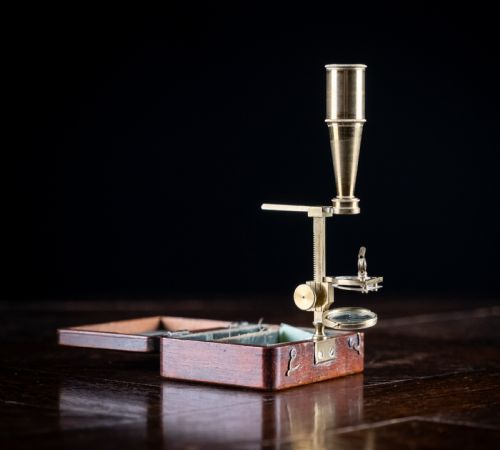
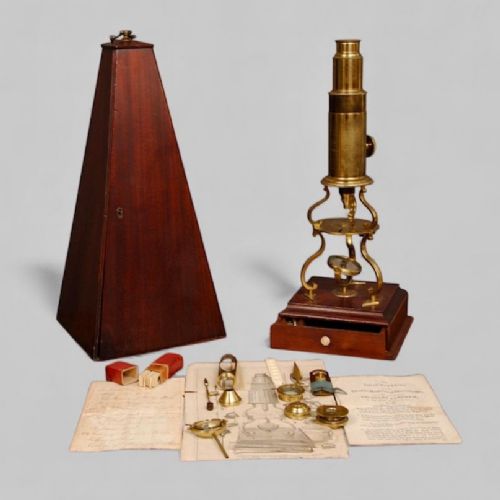
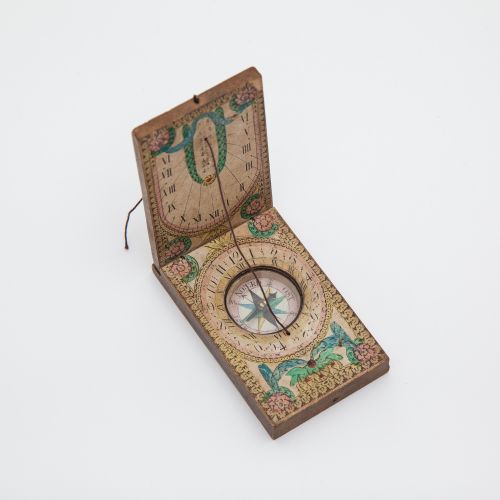
When you examine a georgian scientific instrument, you encounter portable barometers, library telescopes, microscopes and pocket compasses designed for daily utility and observation. These devices reflect the era's expanding interest in natural philosophy, navigation and meteorology, rendered in portable formats.
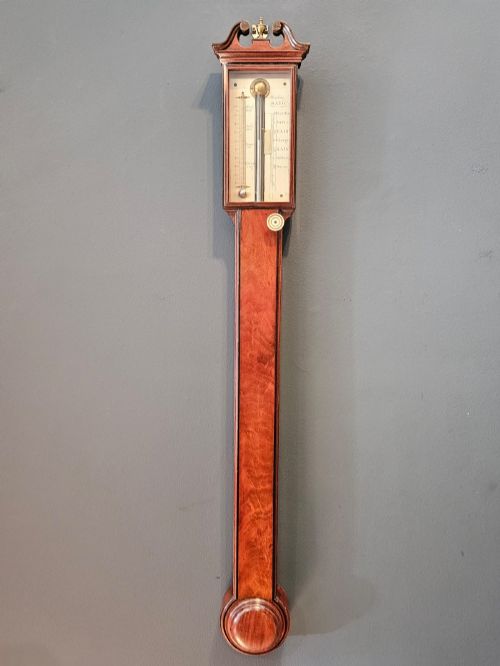
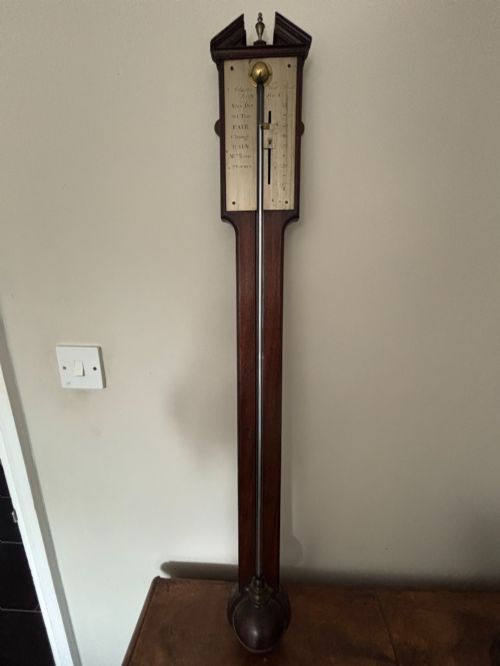
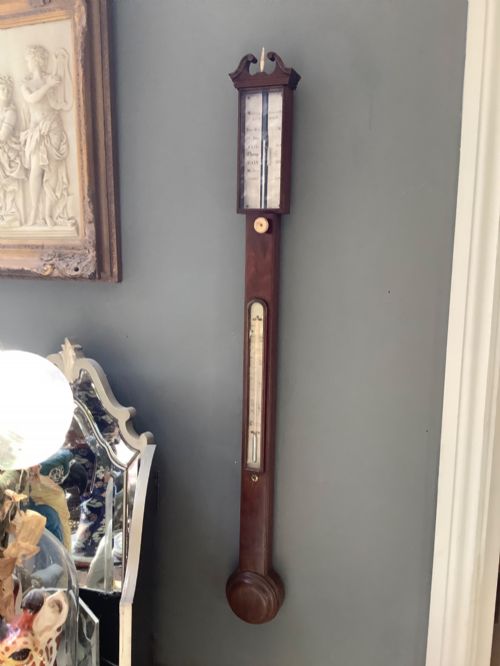
You are most likely to meet stick barometers and wheel barometers housed in mahogany or rosewood cases alongside brass telescopes and pocket sundials. These instruments range from domestic weather glasses to precision optical devices signed by notable London makers.
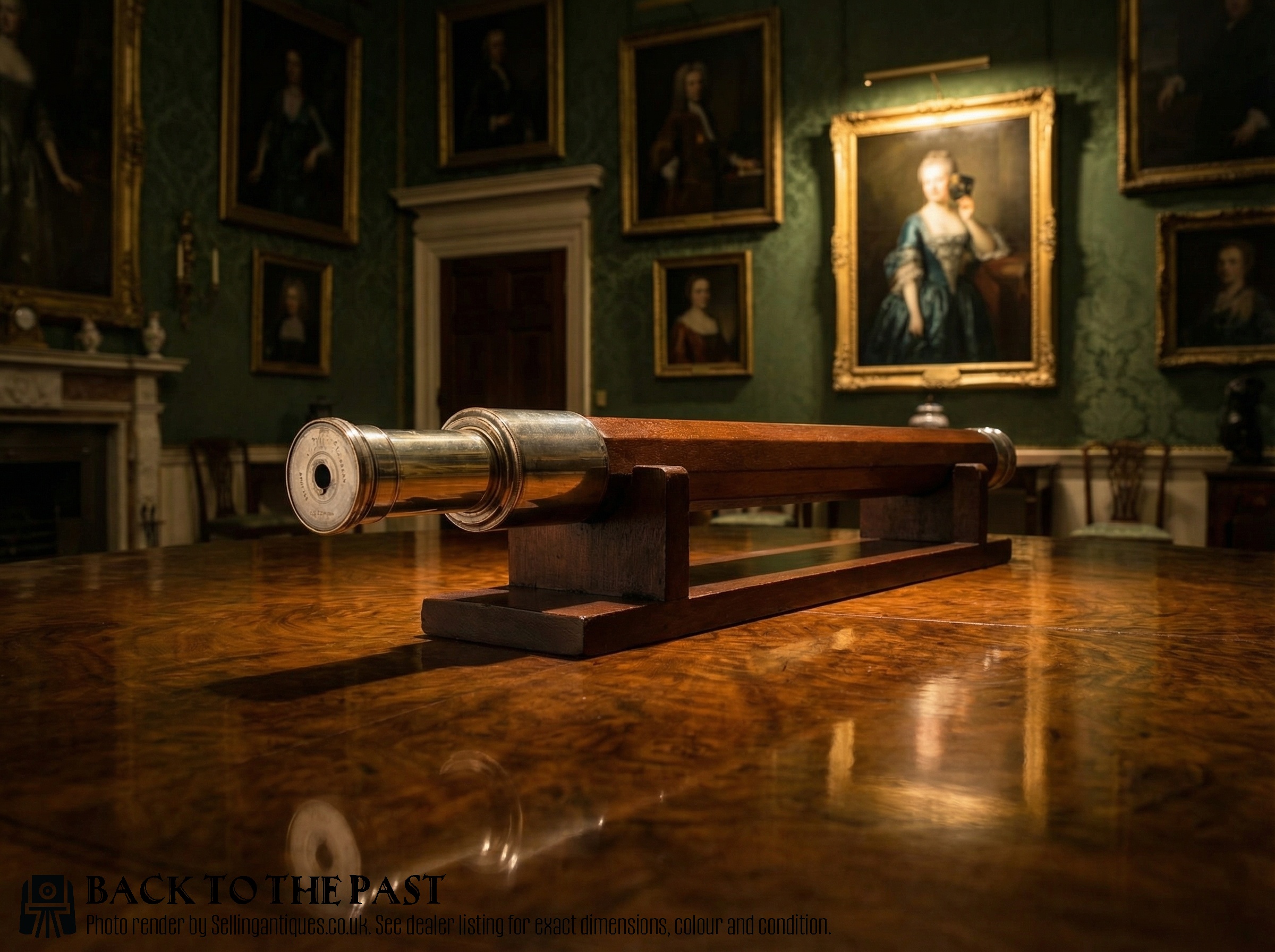
How they were made
Makers utilised heavy brass for optical tubes, compass bezels and dial plates, pairing the metal with turned bone, silvered brass and paper scales. Cabinets and barometer bodies rely on finely figured mahogany, rosewood and walnut, often finished with marquetry or delicate string inlay.
Optics and measuring scales required careful hand-calibration, while instrument housings combined cabinet-making joinery with precision metal-turning. Signed pieces frequently incorporate engraved silvered dials and fitted wooden cases lined with velvet or trade papers.
Georgian Scientific Instrument Retail Price Guide 2026
Typical asking prices for georgian scientific instrument among the pieces listed under this phrase on Sellingantiques today, from the lower quarter to the upper quarter. They describe what is for sale here now, not the wider market.
An excise officer measured spirit strengths with a specialised boxwood slide rule while checking tavern taxes.
What varies in quality
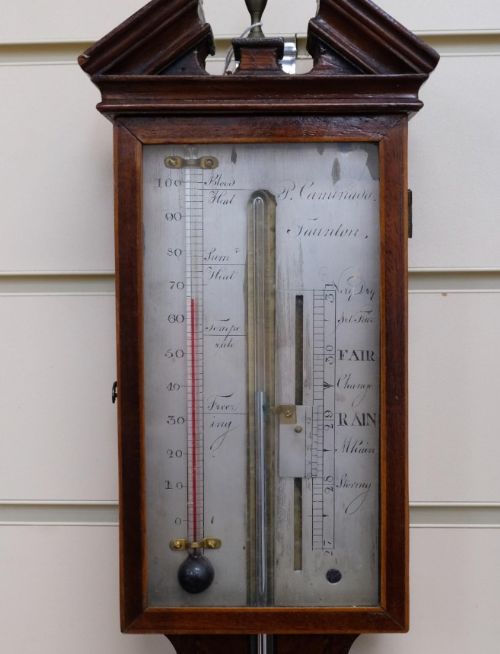
The distinction between standard examples and top-tier work rests on the crispness of the maker's signature engraving, the depth of the cabinet-making and the preservation of original optical lenses or mercury tubes. Instruments bearing signatures of prominent opticians command greater regard for their superior mechanical refinement.
Secondary pieces display simpler boxwood or plain mahogany housings with standard paper scales, whereas superior iterations feature finely figured veneers, parquetry or marquetry decoration and elaborate architectural pediments on barometers.
Nairne and Blunt·Cary London·Robert Brettell Bate·George Adams·Dollond of London·Watkins and Hill
The Georgian Scientific Instrument Glossary
- Stick barometer
- A tall, narrow wall instrument using a vertical column of mercury in a glass tube to measure atmospheric pressure. These typically feature exposed scales and open wooden cistern covers.
- Wheel barometer
- A mercurial barometer housed in a banjo-shaped wooden case where pressure changes move a float that turns a pointer around a circular dial. This form became popular for domestic interiors.
- Radial theodolite
- A precision surveying instrument mounted on a tripod used for measuring horizontal and vertical angles. It employs graduated metal circles and telescopic sights.
- Chondrometer
- A specialised portable device used by grain merchants to measure the specific weight or bushel weight of corn. These incorporate balance arms and sliding weights.
- Thermoscope
- An early form of thermometer that shows relative temperature changes without a standardised numerical scale. They are frequently constructed from boxwood.
Georgian Scientific Instrument: Frequently Asked Questions
How do I read a stick barometer?
A stick barometer relies on a mercury column that rises and falls with atmospheric pressure changes, measured against an engraved scale. You read the current pressure by noting the position of the mercury meniscus.
Many period instruments include vernier scales operated by a small key to allow precise readings down to fractions of an inch.
Are these barometers still accurate?
Most antique barometers retain their mechanical sensitivity and will respond to shifts in atmospheric pressure if the mercury column remains intact. They serve as reliable weather indicators when properly calibrated.
Transporting these instruments requires extreme care to secure the mercury cistern and prevent air bubbles from entering the glass tube.
How should I clean brass components?
You should maintain unlacquered brass surfaces by gently dusting with a dry microfiber cloth, avoiding aggressive metal polishes that remove historic patination. Preserving the natural oxidation protects the age character of the instrument.
Glass lenses and silvered metal dials require specialised dry cleaning methods to prevent damage to delicate engraved markings.
Where were these instruments used?
Scientific instruments found places in grand estate libraries, maritime vessels, scientific laboratories and surveyors' field kits. Portable compasses and sundials were essential equipment for travellers and explorers.
Domestic barometers and thermometers hung permanently in hallways or parlours to assist households in anticipating local weather shifts.