

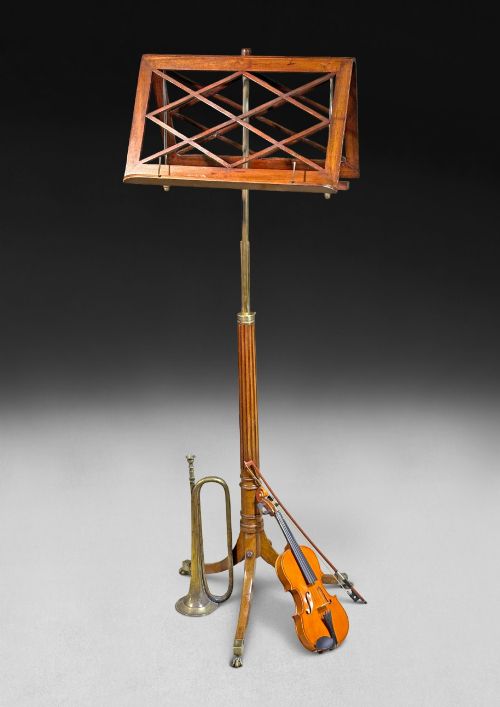
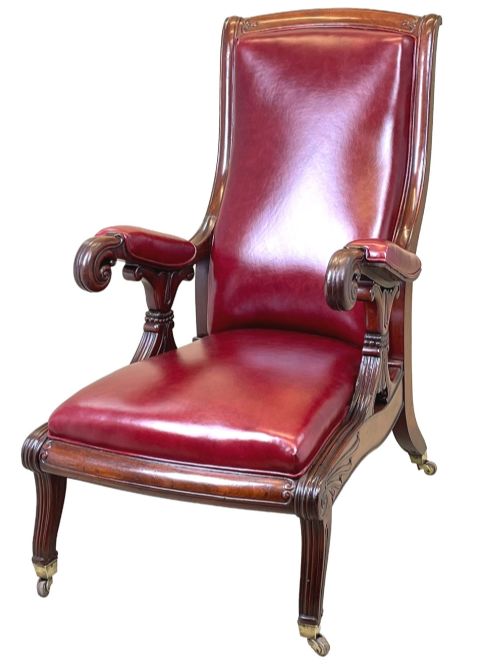
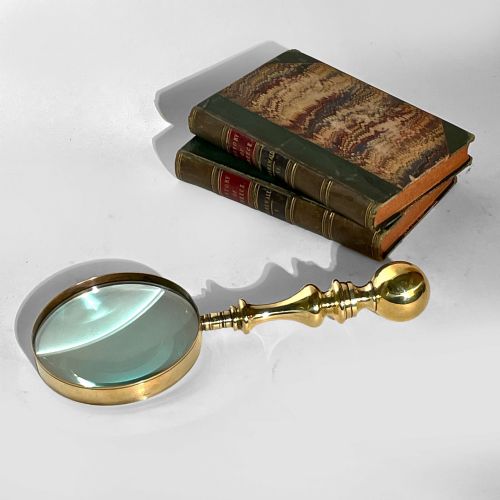
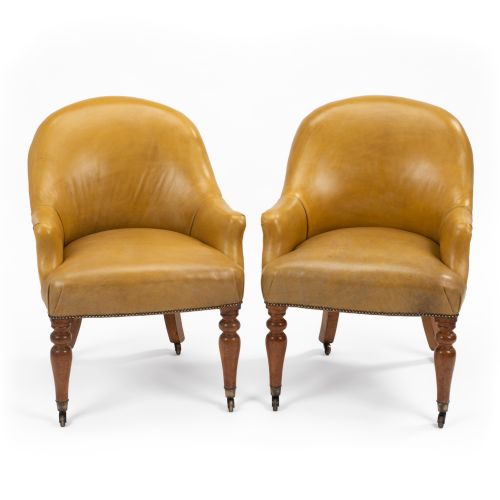
Georgian Reading Desk
A georgian reading desk offers adjustable surfaces and stable timbers for focused study, combining practical book placement with period craftsmanship.
Georgian Reading Desk
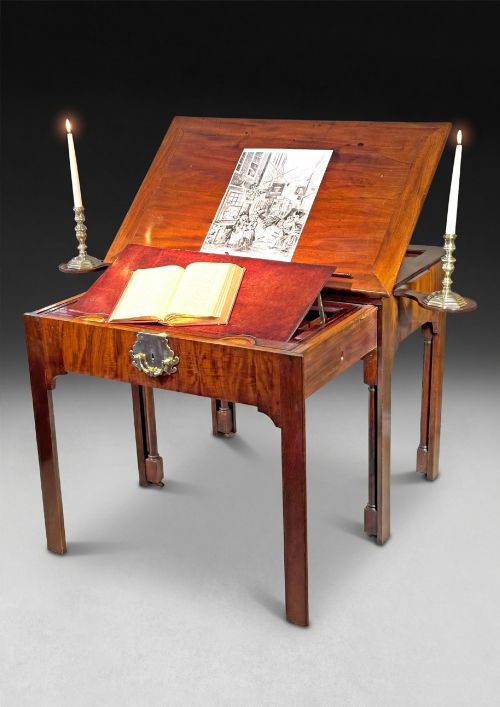
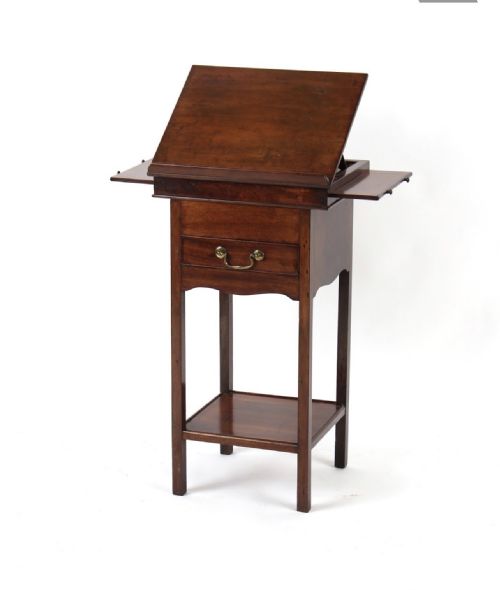
A georgian reading desk encompasses adjustable tables, writing tables, and writing boxes designed for study and correspondence. The selections available on this page include mahogany reading tables and writing desks originating from the eighteenth and nineteenth centuries.
Makers and cabinetmakers of the period produced these forms using robust hardwoods suitable for daily scholarly use. Surviving examples demonstrate the utilitarian yet refined requirements of libraries and private studies from the Georgian era onwards.
Distinctions in Quality
Quality rests in the precision of the adjustable mechanism and the selection of dense, well-figured mahogany or walnut. Superior pieces display smooth operation in their ratchets and sliding components alongside crisp, hand-carved details.
Lesser examples utilise simpler fixed joints or replacement hardware that disrupts the original proportion of the desk. The thickness of the timber and the retention of original leather or brass fittings distinguish superior workshop output.
Georgian Reading Desk Retail Price Guide 2026
Typical asking prices for georgian reading desk among the pieces listed under this phrase on Sellingantiques today, from the lower quarter to the upper quarter. They describe what is for sale here now, not the wider market.
Materials appearing across these selections span solid mahogany, walnut, elm, brass, leather, and woven cane.
The Georgian Reading Desk Glossary
- Mahogany
- A durable tropical hardwood prized for its deep reddish-brown colour and stable grain. It served as the primary timber for high-quality desks throughout the eighteenth and nineteenth centuries.
- Ratchet
- A mechanical adjustment device fitted beneath reading surfaces to alter the angle of the desk top. Fine examples operate smoothly with concealed metal teeth.
- Escritoire
- A writing cabinet or desk featuring a fall-front writing flap and internal compartments for papers. These pieces combine storage with a dedicated writing surface.
- Brass Bound
- A method of reinforcing box corners and edges with brass strips and corner pieces. This technique protected travel writing desks and portable lecterns from heavy use.
- Caning
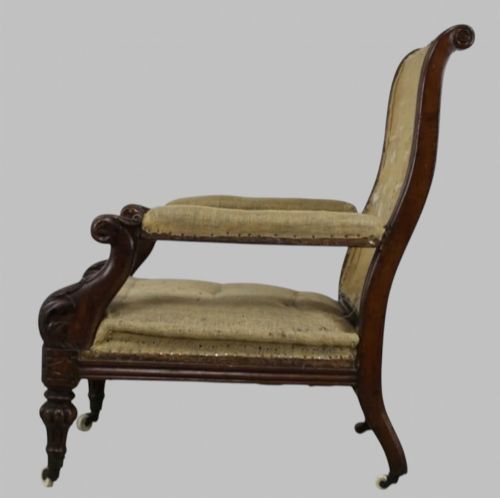
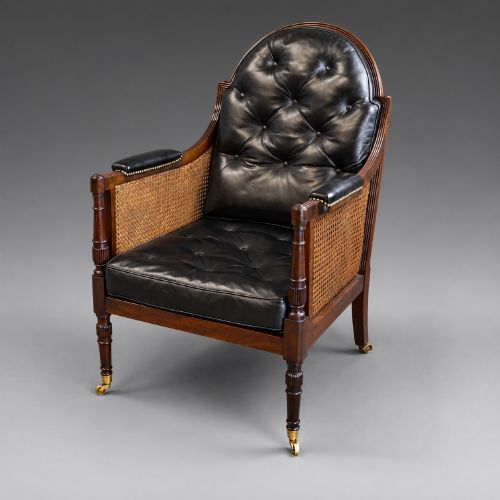
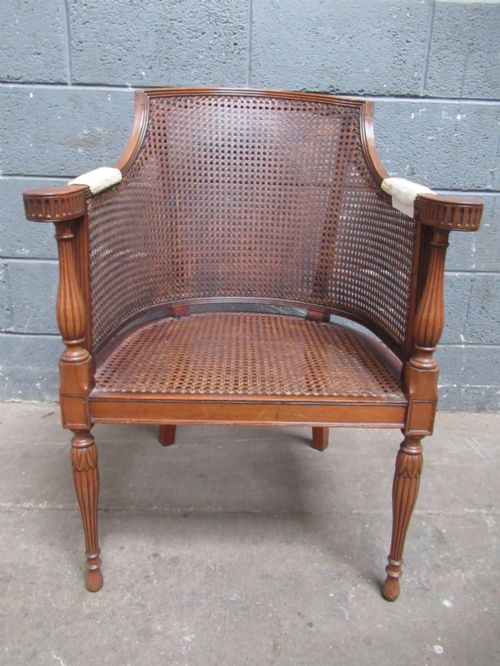
- Woven rattan material utilised for seat panels and lightweight inserts. It provides flexible support while maintaining a light visual profile on seating designed for desks.
Georgian Reading Desk: Frequently Asked Questions
What is a georgian reading desk?
A georgian reading desk is an adjustable wooden stand or table designed to hold books and papers at a comfortable angle for reading or writing. These pieces often feature pivoting ledges or mechanical ratchets.
Craftsmen built them primarily during the eighteenth and nineteenth centuries to serve scholars, readers, and writers in private libraries and study rooms.
How do adjustable reading tables work?
Adjustable reading tables operate via internal wooden or brass ratchet mechanisms that prop the top surface at various slanted angles. A small wooden ledge at the base prevents books from sliding off.
Users lift the writing surface to the desired notch, locking the support arm into place before lowering the board securely.
What materials were used?
Makers constructed these desks predominantly using solid mahogany, walnut, and elm timbers. Brass hardware, leather inserts, and cane panels frequently appear as supplementary materials.
These durable components ensured the furniture could withstand frequent adjustments and the weight of heavy bound volumes.
Where were they placed?
These desks typically stood in libraries, morning rooms, and private studies where reading and correspondence took place. Their portable or adjustable nature allowed them to sit near windows or firesides.
They functioned as dedicated stations for studying large folios, writing letters, or organising professional papers.
How do I care for the wood?
Preserve the finish of mahogany and walnut surfaces by keeping them away from direct sunlight and sudden temperature changes. Regular dusting with a dry cloth maintains the timber.
Apply occasional specialist wax polish sparingly to nourish the grain without building up heavy residues on carved details or brass fittings.