
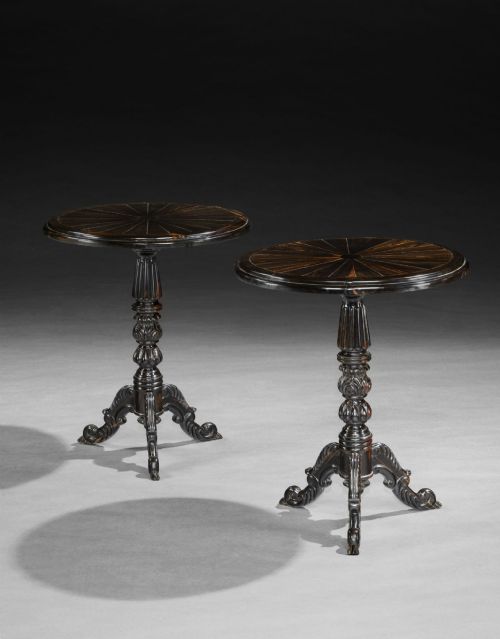
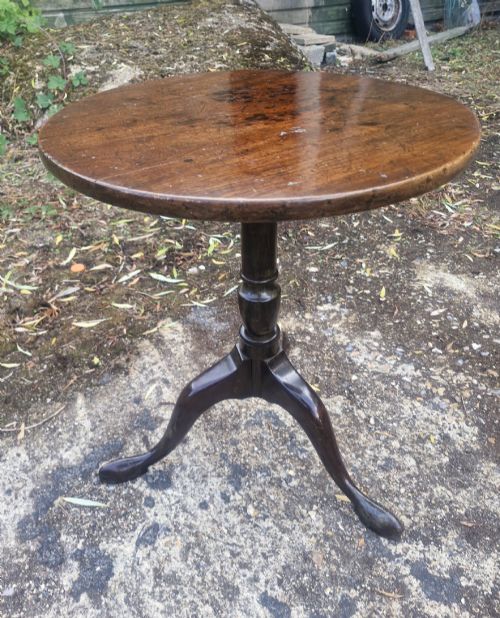
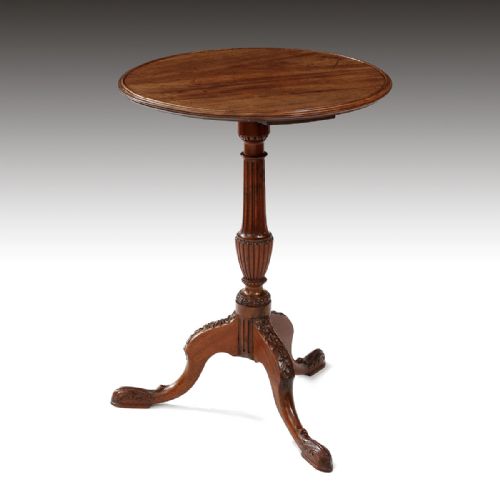
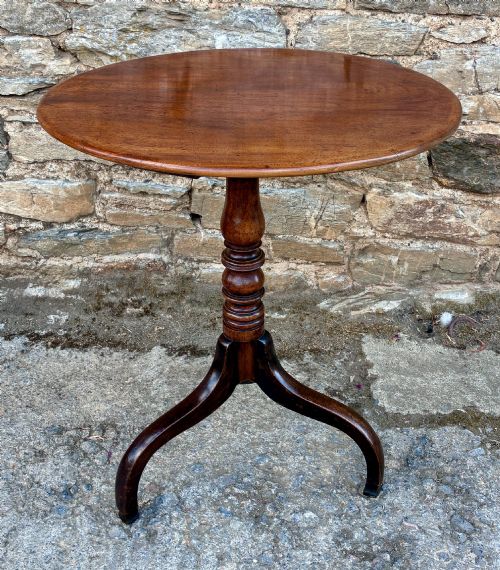
Regency Tripod Stand
A regency tripod stand offers a balanced combination of upright support and mobility, serving as a versatile surface or holder.
Regency Tripod Stand
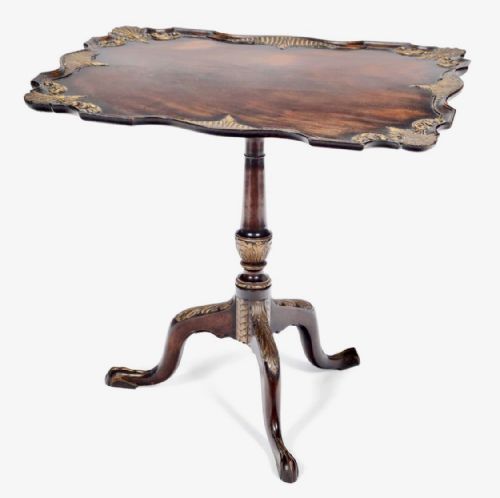
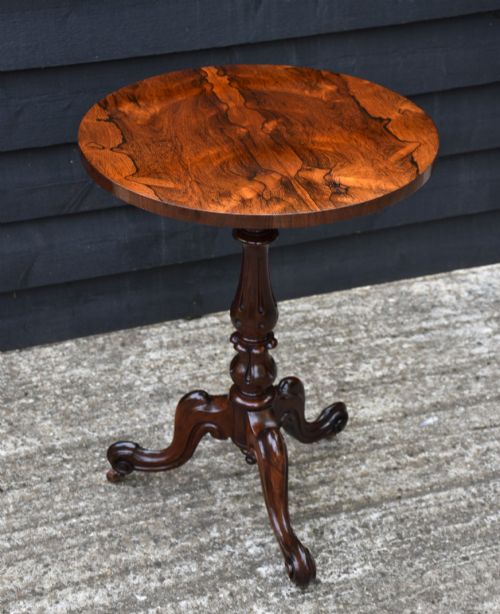
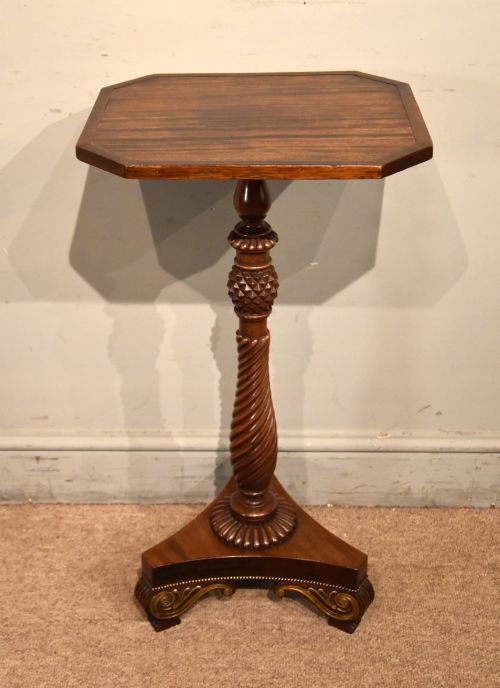
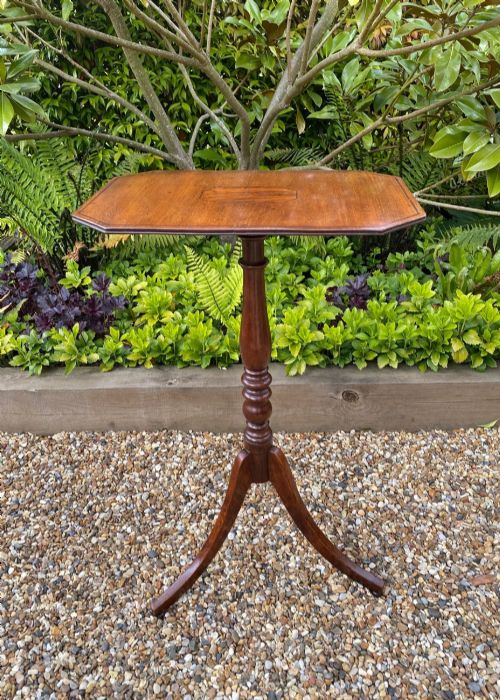
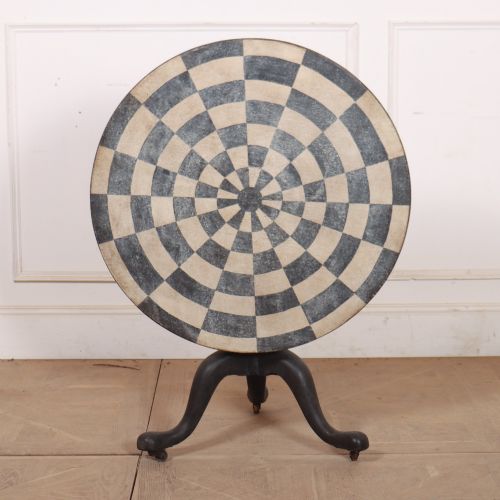
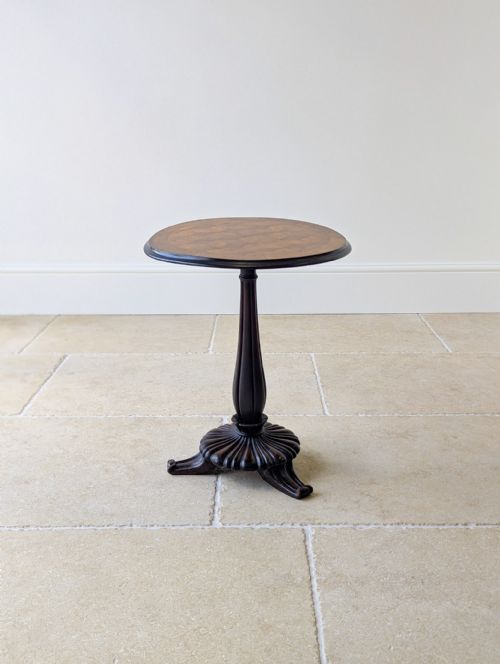
A regency tripod stand encompasses a variety of circular or multi-sided occasional tables, wine tables, music stands, and reading supports raised on three-legged bases. These pieces date principally from the nineteenth century, including Georgian, Regency, William IV, and Victorian periods.
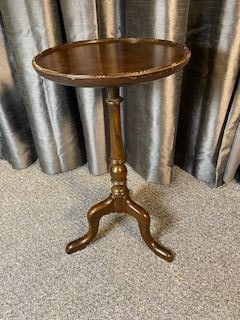
Mahogany and rosewood dominate the surviving forms, alongside occasional examples in fruitwood, walnut, burr oak, and painted finishes. Most stand on a central pillar supported by three splayed legs, often featuring tilt-top actions or tiered surfaces.
Buyers meet occasional side tables and wine tables most frequently on this page, alongside specialised forms such as pole screens, torcheres, and dumb waiters. Origins span English workshops as well as Anglo-Indian colonial productions.
Materials and construction methods
Cabinetmakers utilised dense timbers like mahogany and rosewood for their stability and capacity for fine turning on the lathe. Secondary woods and fruitwoods appear alongside decorative veneers, brass mounts, and occasional boxwood inlay.
Surfaces frequently employ tilt-top mechanisms using wooden catches or brass hinges to allow the tabletop to fold flat when not in use. Turning, carving, parcel gilding, penwork, and lacquerwork complete the decorative vocabulary of the stands.
Regency Tripod Stand Retail Price Guide 2026
Typical asking prices for regency tripod stand among the pieces listed under this phrase on Sellingantiques today, from the lower quarter to the upper quarter. They describe what is for sale here now, not the wider market.
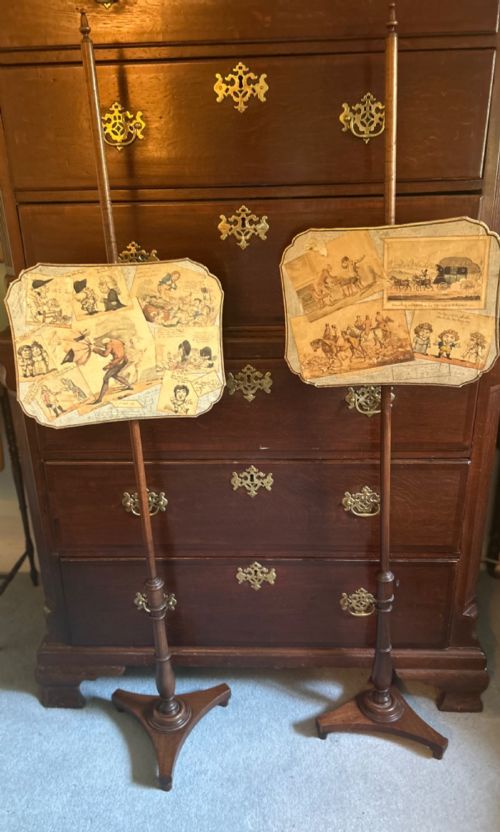
A satirical print on a pole screen offers a quiet Victorian joke for anyone standing too close to the fire.
Distinguishing quality across examples
Quality rests in the crispness of the carved details on the central column and the stability of the three-legged base. Well-proportioned timber selection and subtle boxwood inlay or brass detailing elevate certain pieces above plain utility items.
The precision of the tilt-top action and the integrity of the joints where pillar meets legs determine structural success. Superior examples exhibit harmonious grain matching across the top and restrained decorative additions rather than heavy ornamentation.
Gillow·George Bullock
The Regency Tripod Stand Glossary
- Tilt top
- A tabletop mounted on a hinge mechanism that allows the surface to rotate vertically for storage. This clever design lets the stand tuck neatly against a wall when not in use.
- Torchere
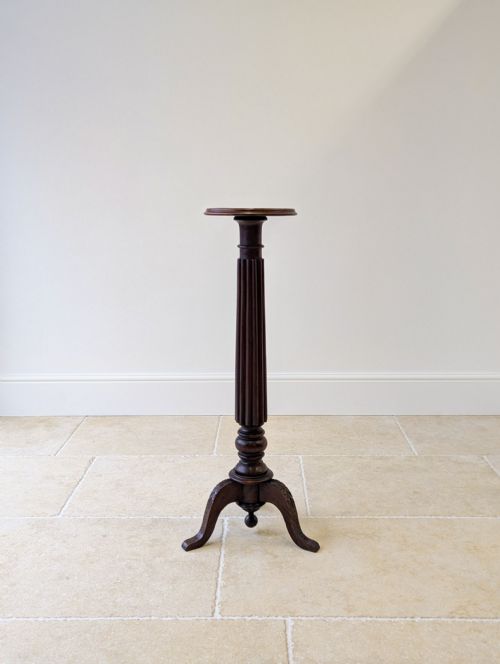
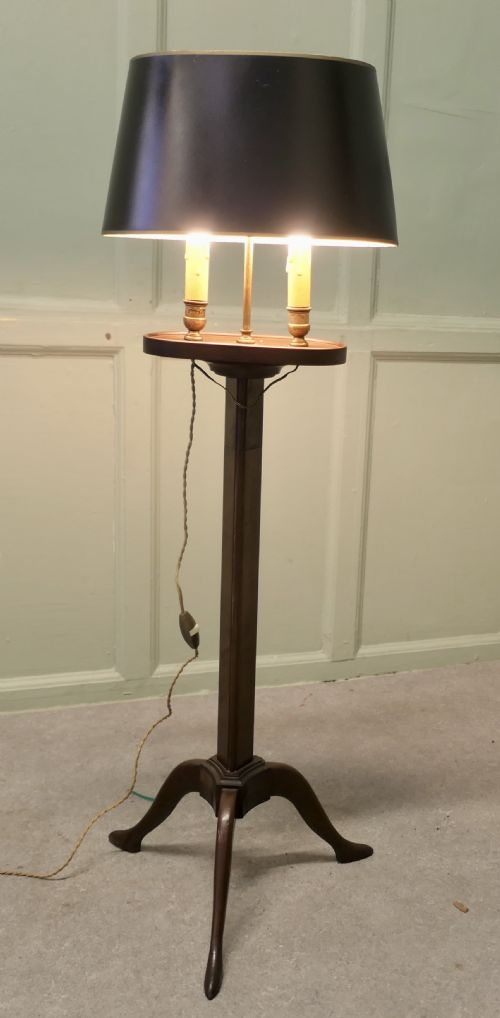
- A tall, slender stand designed to elevate a lamp, candle, or decorative plant. These pieces rely on a sturdy tripod base to support their height safely.
- Dumb waiter
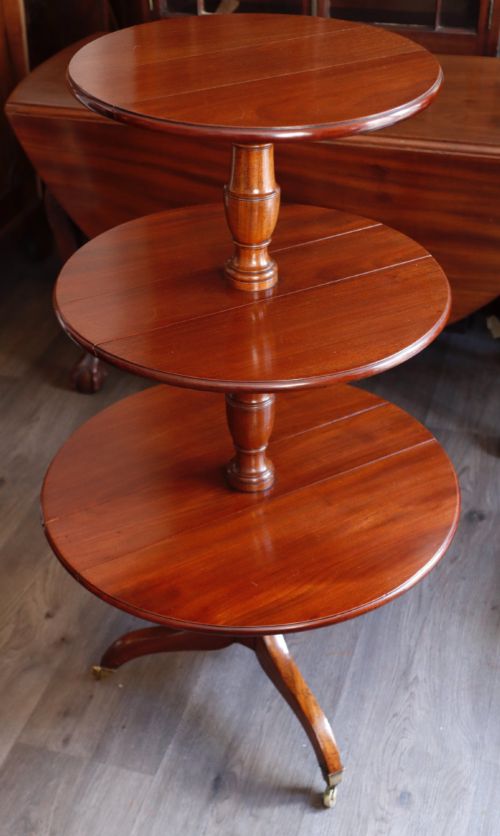
- A tiered stand featuring multiple revolving or stationary circular trays arranged on a central shaft. They were traditionally used to serve food or hold books without requiring domestic staff.
- Pole screen
- A vertical stand holding an adjustable screen panel used to block the heat of a fireplace from a person's face. Many examples incorporate decorative needlework or prints.
- Penwork
- A decorative technique using fine ink lines to draw intricate patterns onto a light wooden surface. This meticulous method mimics more expensive inlay work.
Regency Tripod Stand: Frequently Asked Questions
How were tripod stands originally used?
These pieces served adaptable functions in sitting rooms and parlours as portable surfaces for wine glasses, books, or candles. Their lightweight three-legged frames allowed servants to move them easily around a room depending on the evening's activities.
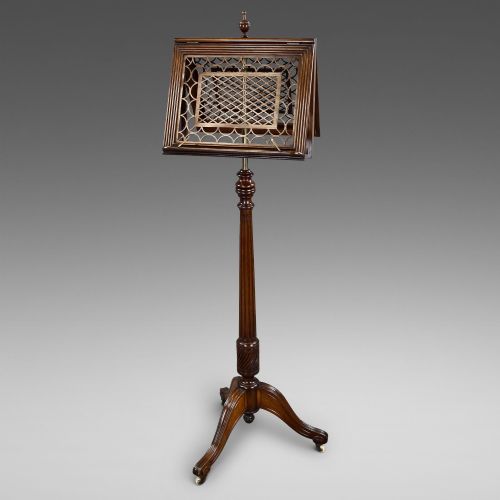
Specialised variants like music stands and reading tables held scores or volumes for one person. Dumb waiters held courses near the dining table, while pole screens protected complex complexions from open hearths.
What is a torchere stand?
A torchere is an exceptionally tall, slender tripod stand designed specifically to elevate a light source or decorative object. Their height distinguishes them from standard occasional or wine tables.
They often feature carved columns and compact tops just large enough for a single lamp or plant. Their slim profile makes them ideal for corners and narrow spaces.
How do I style one at home?
A tripod stand works well beside an armchair to hold a small lamp, a drink, or a stack of books. Their compact footprint allows them to fit into awkward corners where larger tables will not go.
Due to their three-legged construction, place them on level flooring to maintain stability. Avoid overloading the edges of tilt-top variants unless the locking mechanism is fully secured.