




Georgian Pottery Pitcher
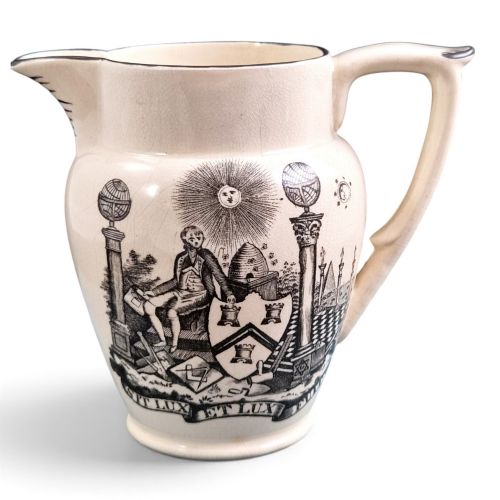
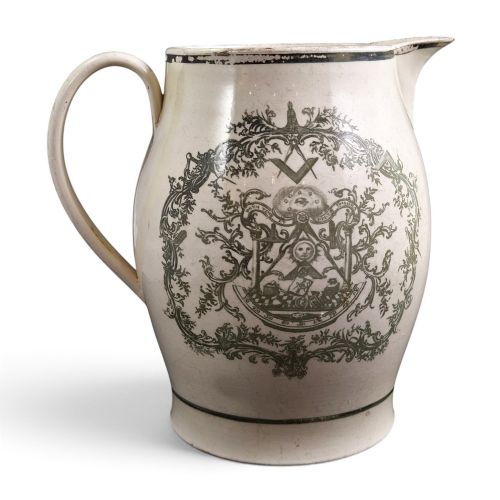
A georgian pottery pitcher brings tactile utility and narrative punch to a room, recording maritime themes, Masonic symbols, and transfer-printed histories in earthenware.
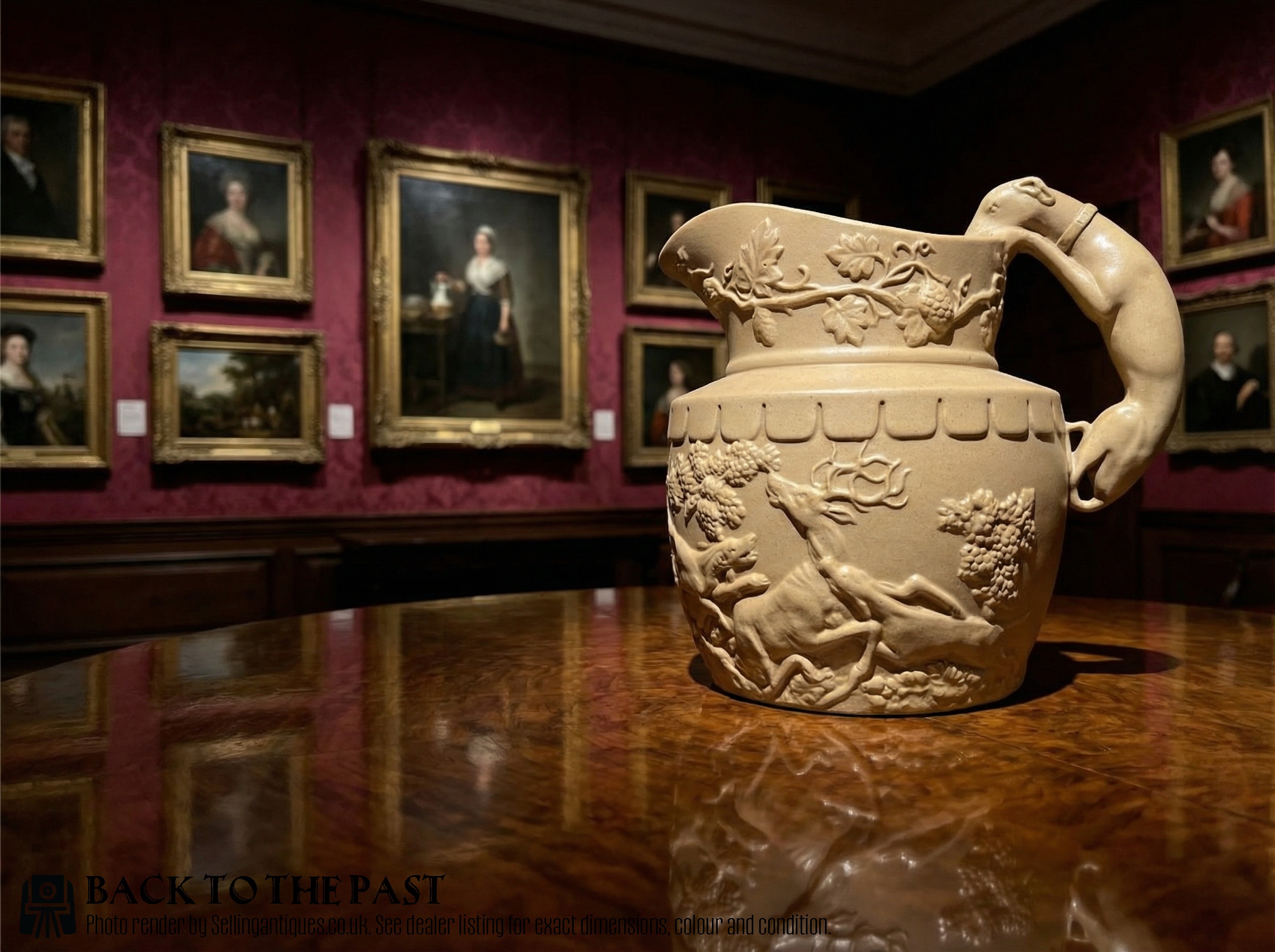
Georgian Pottery Pitcher
When searching for a georgian pottery pitcher, buyers encounter substantial vessels produced during the late eighteenth and early nineteenth centuries. These utilitarian items served everyday dining and celebratory functions across English households, taverns, and maritime settings.
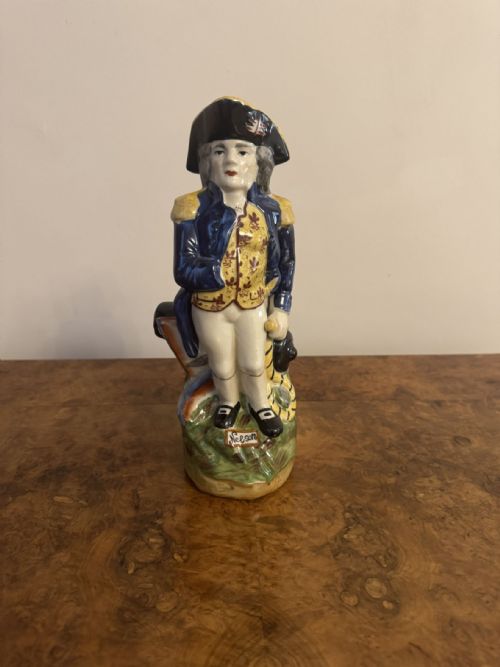
The objects span forms such as large storage jugs, handled tygs, milk jugs, and figural Toby jugs. Many examples originate from Staffordshire potteries, featuring characteristic shapes influenced by Georgian and Regency tastes.
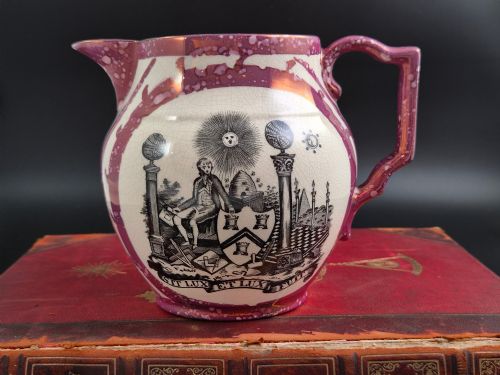
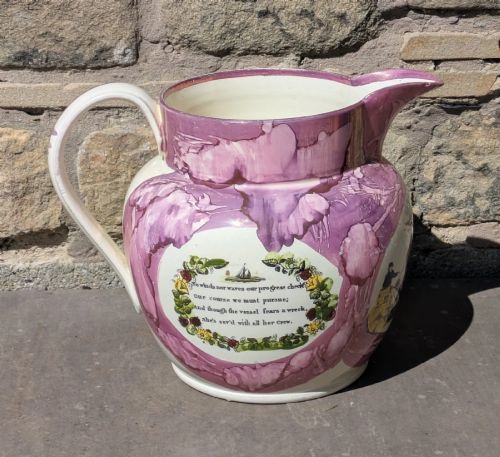
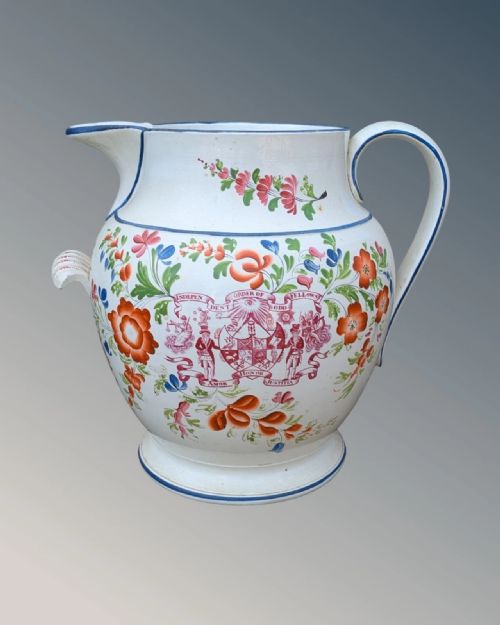
Surviving pieces frequently display specific cultural markers, including Masonic emblems, transfer-printed ship scenes, and patriotic motifs. Collectors meet everything from modest creamware creamers to monumental one-gallon vessels.
How They Were Made
Makers utilised earthenware bodies such as creamware and pearlware, shaping them through throwing, moulding, or slipware techniques. Cabbage leaf moulding and faceted surfaces added texture to the wet clay before firing.
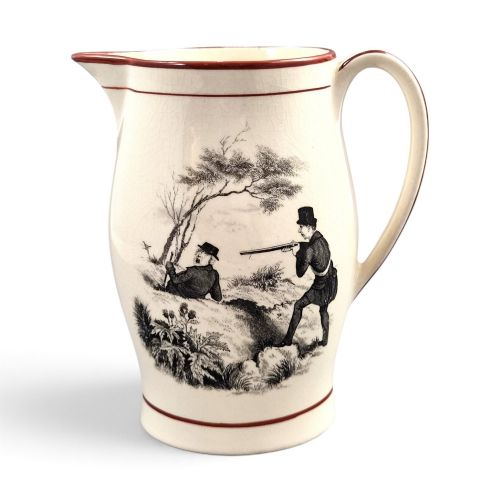
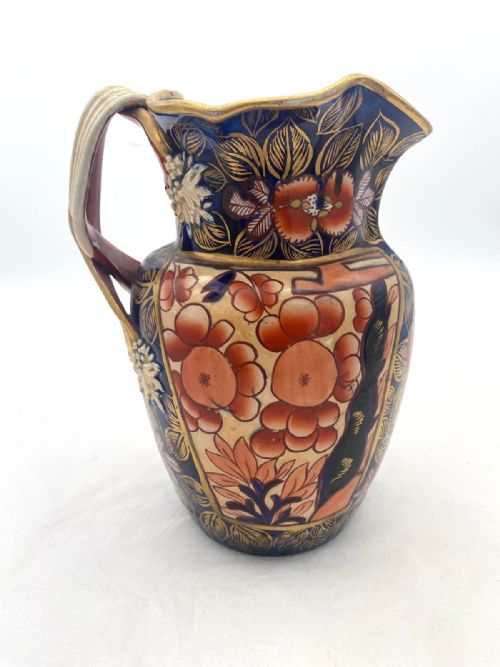
Decoration relied heavily on black, purple, or blue transfer printing to apply detailed topographical scenes and commemorative verses. Artisans also applied metallic lustres, enamel colours, and salt glazes to seal and adorn the ceramic surface.
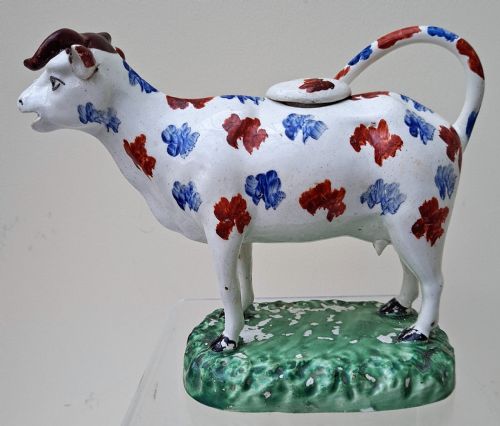
Cow creamers dispense milk rather incongruously through their mouths while a milkmaid figure sits calmly alongside.
What Varies in Quality
Quality rests in the crispness of transfer-printed details and the control shown in hand-painted enamel or lustre accents. Superior pieces maintain clean lines in relief moulding and exhibit balanced proportions across handle, spout, and body.
Material refinement also distinguishes the tier of a vessel, separating porous earthenware bodies from denser stoneware or porcelain alternatives. The clarity of the glaze and the complexity of the narrative theme elevate certain jugs above standard domestic ware.
Mason's Ironstone·Leeds Pottery·John Rogers and Son
The Georgian Pottery Pitcher Glossary
- Creamware
- A fine-grained earthenware with a pale yellowish straw-coloured glaze developed by English potters. Josiah Wedgwood refined this body to dominate domestic dining tables.
- Pearlware
- An refined earthenware featuring a bluish tint in the glaze that pooled in recesses to mimic Chinese porcelain. It superseded creamware around the turn of the nineteenth century.
- Transfer printing
- A method of applying engraved decorative designs to pottery using paper tissue inked from a copper plate. This technique allowed intricate topographical scenes and political slogans to be produced rapidly.
- Lustreware
- Pottery finished with a metallic glaze that produced a reflective copper, silver, or pink sheen. Sunderland potteries became particularly known for pink splash effects on large jugs.
- Tyg
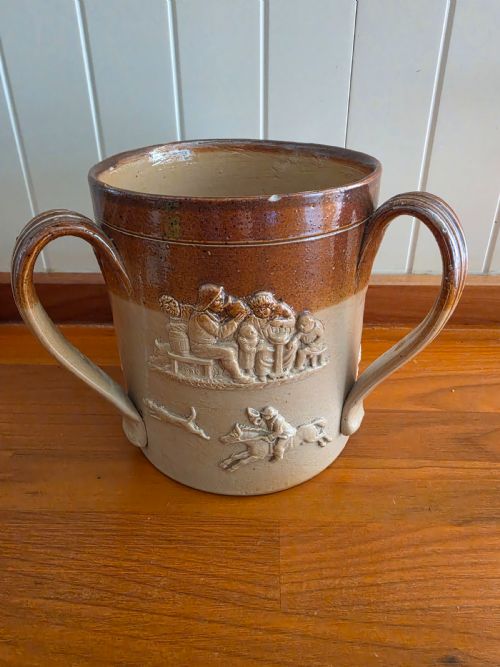
- A large drinking vessel fitted with three or more handles designed for communal passing around a table. These pieces often date from the seventeenth century through to the Regency period.
- Salt glaze
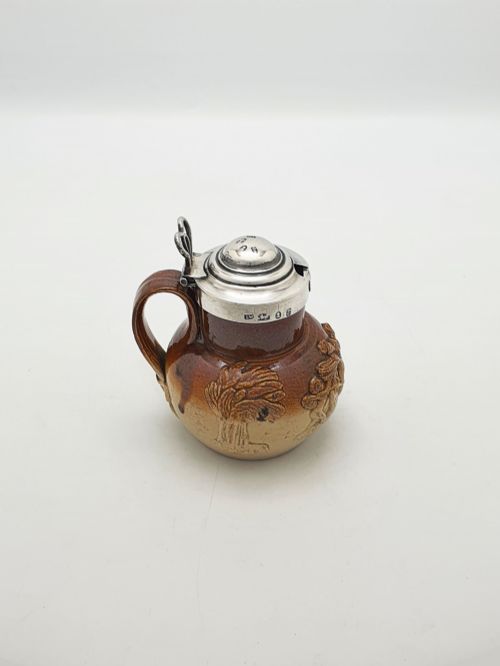
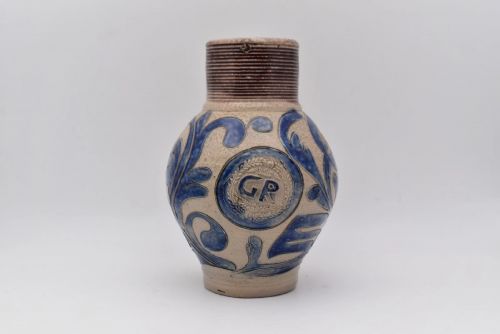
- A vitreous coating formed by throwing common salt into the kiln during high-temperature firing, creating a textured surface resembling orange peel. Stoneware vessels relied on this process for impermeability.
Georgian Pottery Pitcher: Frequently Asked Questions
How were these pitchers used?
These vessels functioned primarily as utilitarian containers for serving ale, milk, or water at the family table and in local taverns. Larger examples held generous quantities of liquid for communal drinking during social gatherings.
Commemorative and Masonic jugs also served as display pieces that signaled political loyalties, fraternal memberships, or maritime pride. Their transfer-printed texts and imagery often prompted storytelling among guests.
How do I clean an antique pitcher?
Dust the surface gently with a soft, dry cloth to remove everyday particles without disturbing the historic glaze or transfer print. Avoid soaking or using chemical detergents, which can penetrate porous earthenware bodies and degrade metallic lustres.
Display the vessel away from direct sunlight and areas subject to sudden temperature shifts to protect the ceramic body. Professional conservation advice should be sought if structural stabilisation is required.
How can I tell the period?
Examine the base ceramic body, noting whether the material is creamware, pearlware, or later nineteenth-century ironstone. The tint of the glaze and the colour palette of the transfer printing offer strong clues to the exact decade of manufacture.
Stylistic markers such as neoclassical shapes point towards the late eighteenth century, while bolder transfer scenes often indicate Regency or early Victorian production. Maker's marks and commemorative dates provide definitive chronological anchors when present.
What is a Toby jug?
A Toby jug is a pottery pitcher modelled in the stout, cheerful form of a seated eighteenth-century person holding a mug and a pipe. These figural pieces typically wear tricorn hats that double as pouring spouts.
Potters painted them in vibrant underglaze or enamel colours to emphasise facial expressions and period garments. They remain distinct from standard utilitarian jugs due to their sculptural character representation.