


Georgian Ale Pitcher
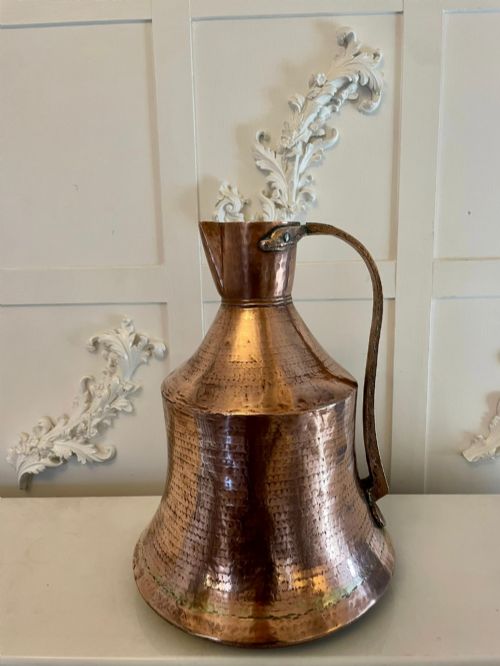
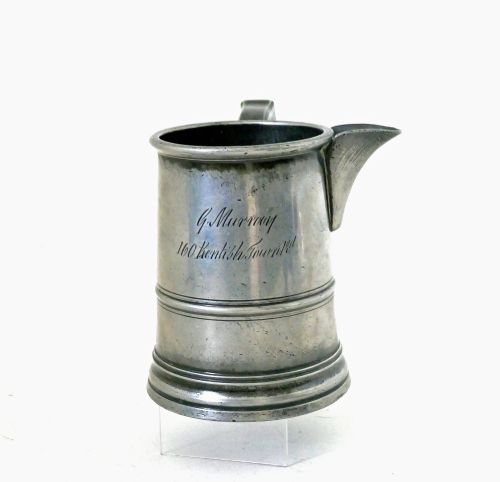
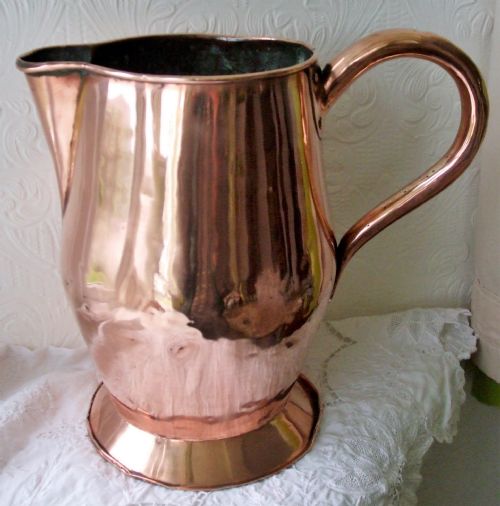
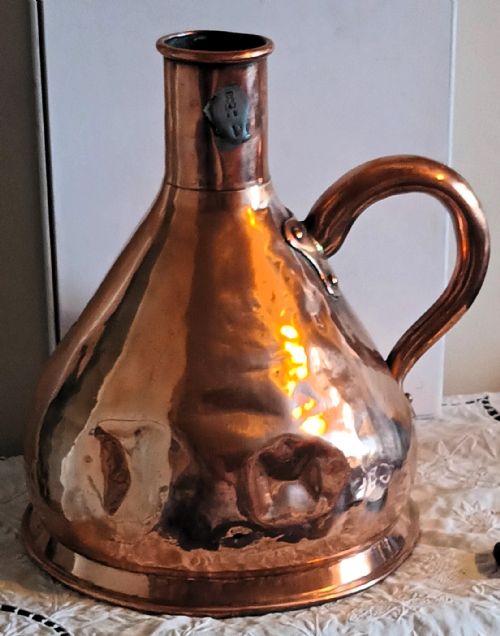
A georgian ale pitcher brings heavy tavern copper and polished pewter straight to the table, offering tactile weight and historic service.
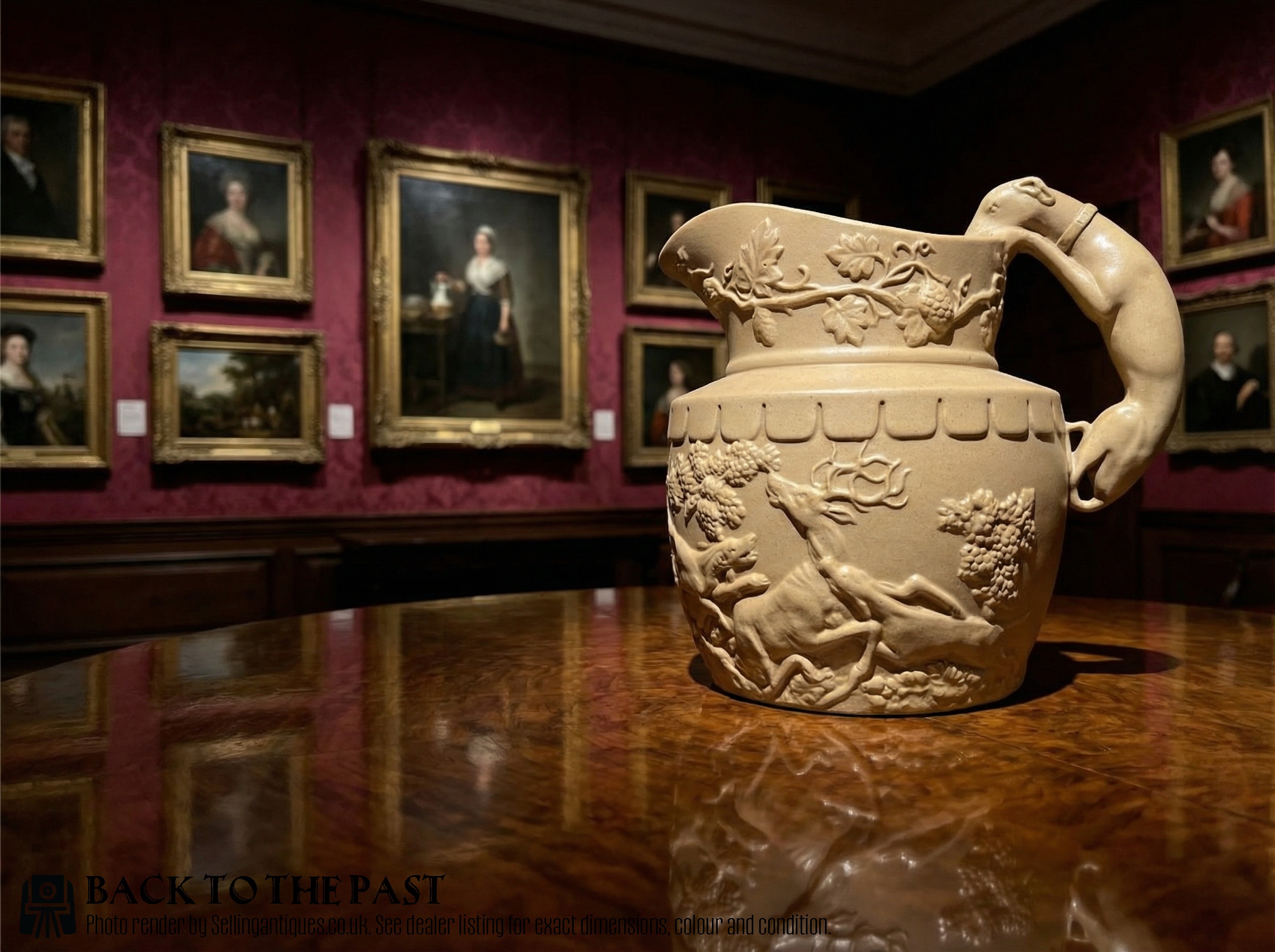
Georgian Ale Pitcher
A georgian ale pitcher spans utilitarian liquid measures and display pieces in copper, pewter, stoneware, and old Sheffield plate. These vessels arrive in forms ranging from monumental gallon capacities down to small noggin and pint jugs, alongside flagons and tappit hens.
The pieces appearing on this page date predominantly from the eighteenth and nineteenth centuries, carrying the marks of taverns, benefit clubs, and private households. Jugs and pitchers dominate the selection, accompanied by spouted spire flagons and graduated sets.
Makers and origins stretch across England, Scotland, and Jersey, capturing the robust drinking culture of the period. Buyers meet both plain utilitarian vessels and relief-moulded or engraved examples bearing capacity marks and names.
Assessing quality in early vessels
Quality rests in the gauge of the metal and the crispness of any relief moulding or engraved detail. Thicker copper walls and heavy pewter castings denote vessels built for hard use rather than light domestic display.
Proportion and surface patination dictate the desirability of a piece, with maker marks or early touchmarks elevating standard measures into significant examples of metalware and ceramics.
Loftus of Oxford Street London·G. Murrouy
The Georgian Ale Pitcher Glossary
- Old Sheffield Plate
- A composite material made by fusing a thin sheet of silver to a thicker copper base. This technique created tableware with the appearance of solid silver.
- Tappit Hen
- A traditional Scottish pewter measure with a distinct lid and knob, used for ale and wine. These large vessels carry specific regional capacities.
- Flagons
- Large drinking vessels with handles and spouts, often fitted with lids. Spire flagons feature tall, tapered profiles.
- Buff Stoneware
- A dense, impermeable ceramic fired from pale clay bodies. It formed the durable base for moulded ale pitchers.
- Noggin
- A small liquid measure holding a quarter of a pint. These diminutive pieces served individual portions in taverns.
Georgian Ale Pitcher: Frequently Asked Questions
How do I date a copper ale jug?
Dating relies on construction methods, handle attachments, and capacity stamps. Earlier pieces often display hand-beaten seams and touchmarks rather than machine stamping.
Comparison with documented tavern measures helps narrow down the decade of production.
What is a Tappit Hen?
A Tappit Hen is a traditional Scottish pewter drinking vessel featuring a distinct lidded top and a capacity equivalent to a Scots pint. These jugs served large quantities of ale in taverns.
Their heavy pewter construction made them durable for daily use.
Can these pitchers still hold liquids?
Many copper and pewter pitchers remain water-tight and functional for serving drinks today. However, older silver-plated or antique metal surfaces require careful hand washing.
Owners often use them primarily for display or dry floral arrangements to preserve their historical finish.
Why are some jugs marked with capacities?
Capacity marks ensured honest measure for customers purchasing ale in public houses and taverns. Inspectors stamped these jugs to verify their exact volume.
Graduated sets allowed landlords to measure different quantities efficiently.