



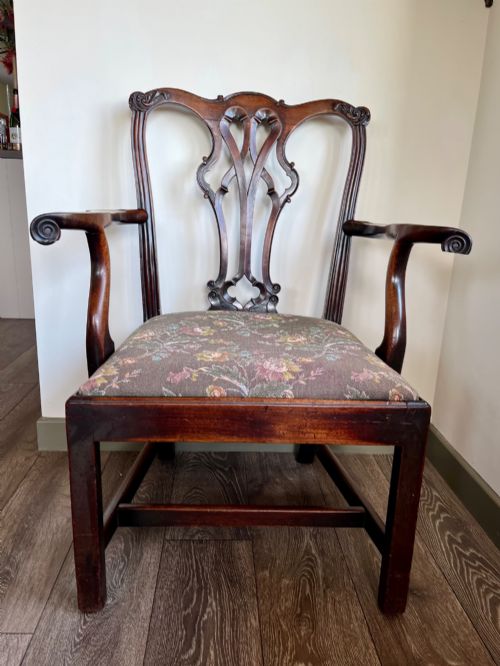
Georgian Pierced Splat Armchair
A georgian pierced splat armchair brings architectural form and rich timber into a room, offering both sturdy comfort and enduring style.
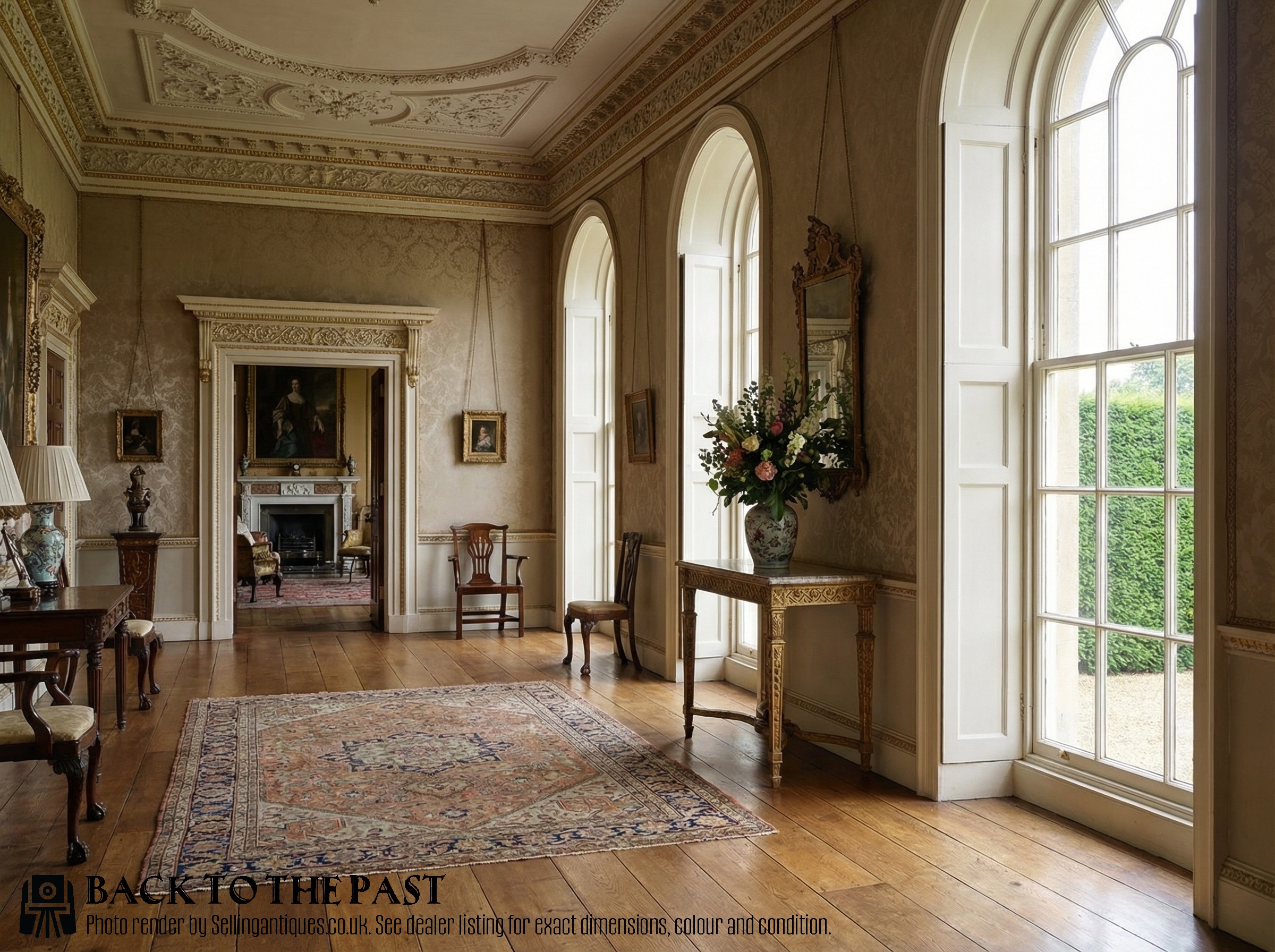
Georgian Pierced Splat Armchair
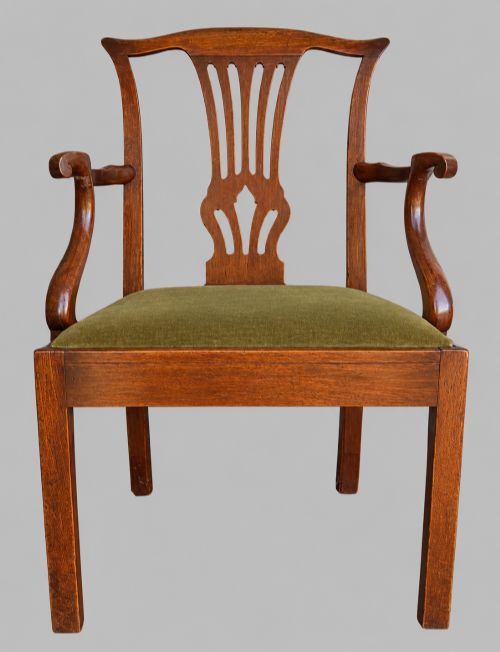
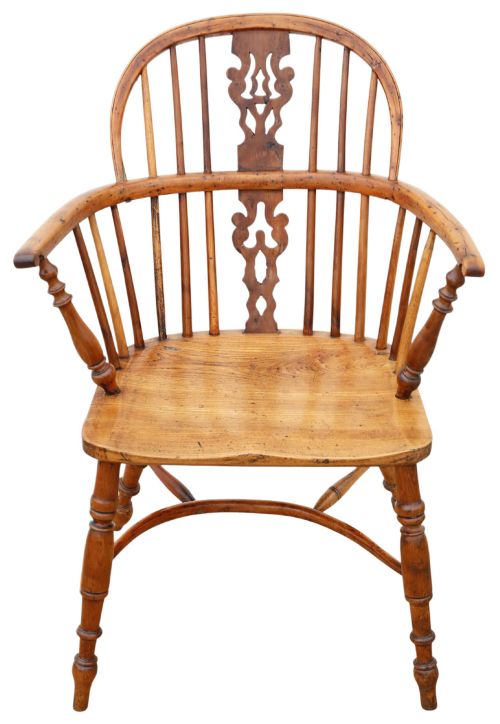
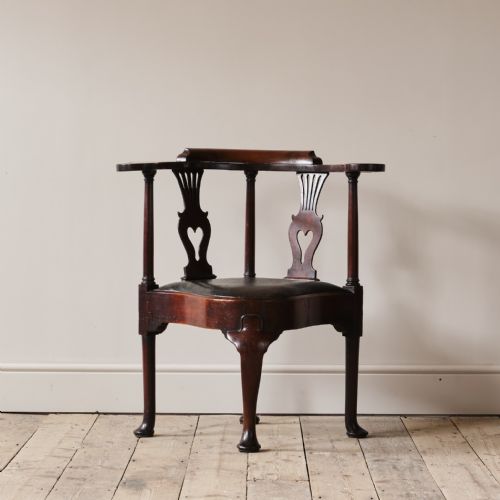
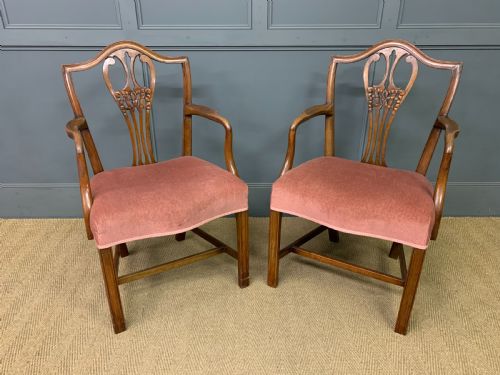
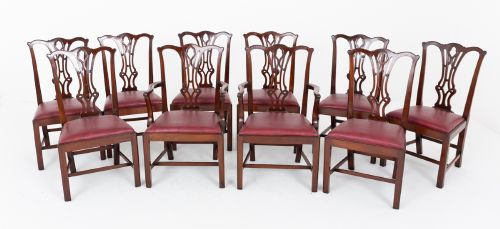
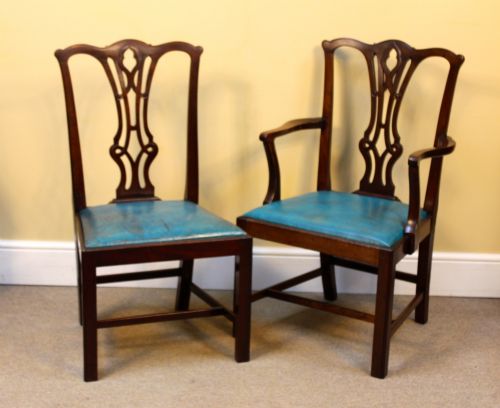
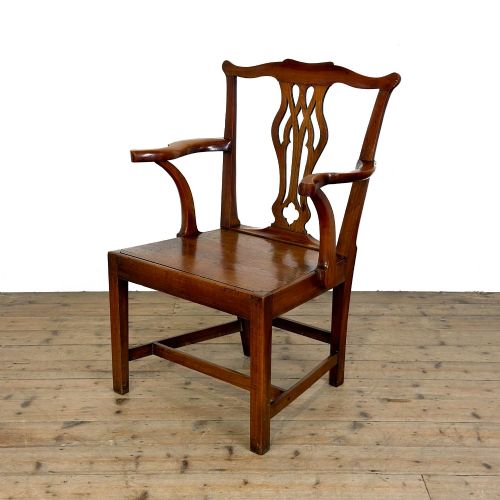
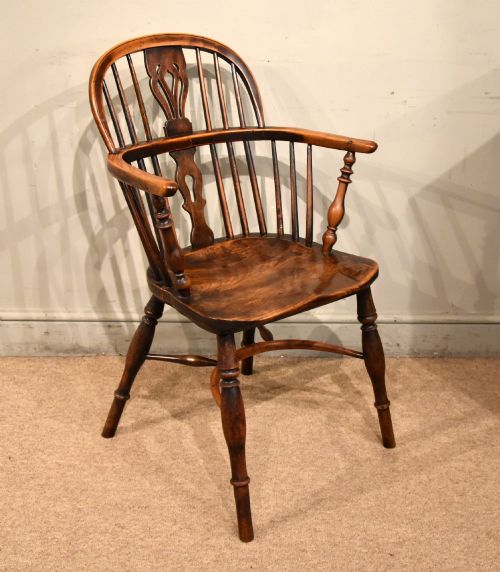
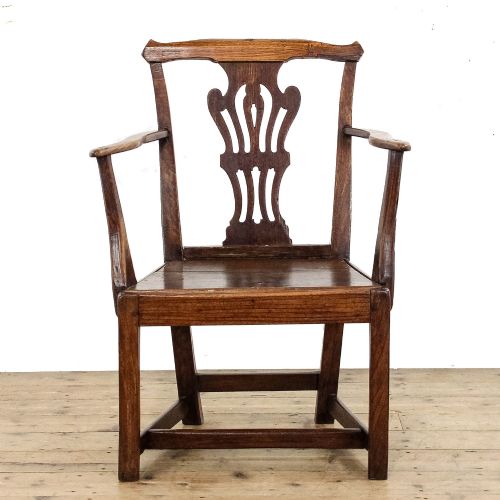
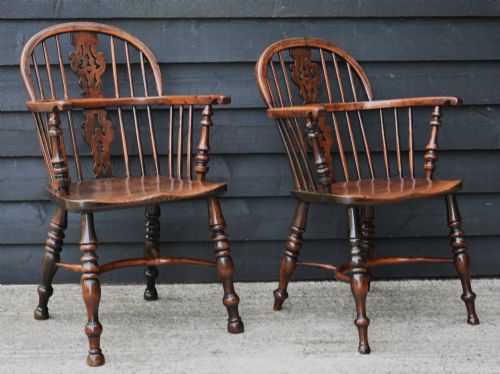
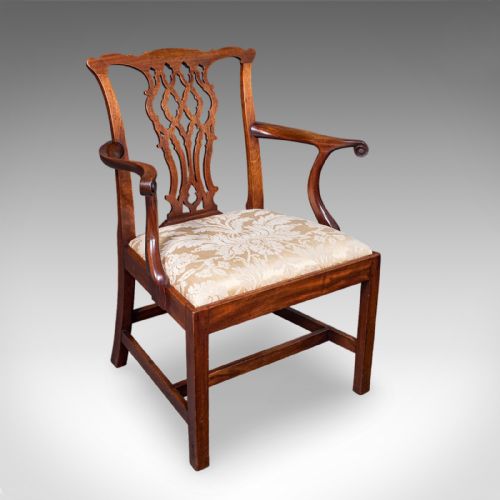
A georgian pierced splat armchair stands as a staple of period seating, combining formal dining designs with substantial elbow supports. These pieces emerge from the eighteenth and nineteenth centuries, often taking the form of Chippendale style mahogany chairs or vernacular Windsor seating in yew, elm, and ash.
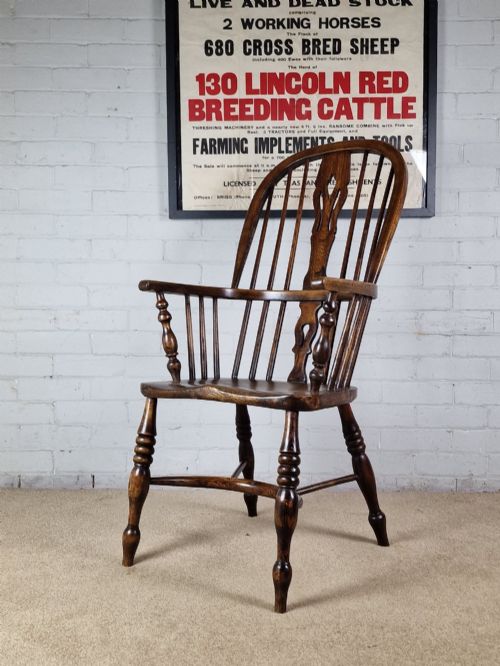
Buyers seeking this specific search phrase encounter a diverse mix of formal mahogany library and desk seats alongside robust English country armchairs. The common thread is a supportive backrest featuring a pierced vertical splat or a Windsor hoop and comb construction.
How they were made
Cabinet makers and vernacular bodgers utilised a combination of native hardwoods such as mahogany, elm, ash, fruitwood, and yew wood. Formal chairs relied on joined and pinned mahogany frames, while Windsor variants employed steam-bent hoops and turned spindles socketed into solid carved elm seats.
Joinery techniques included mortise and tenon joints for formal dining chairs and crinoline stretchers fixed between the legs of country armchairs to add rigidity.
Several armchairs retain their original crinoline stretchers, designed to keep boots safely away from muddy floors while seated.
What varies in quality
The standard of carving on the pierced splat and crest rail defines the upper tier of formal chairs, showing crisp execution and thoughtful proportion. In country models, the choice of figured yew wood paired with elm and the complexity of the spindle arrangement dictate the distinction.
Subtleties in timber selection, such as richly grained mahogany or deeply patinated fruitwood, elevate an example above standard workshop production.
The Georgian Pierced Splat Armchair Glossary
- Pierced splat
- The central vertical slat in the back of a chair that has been cut through to create an openwork decorative pattern. This design element provides visual lightness while maintaining structural back support.
- Windsor armchair
- A chair built with a solid wooden seat into which the legs, back spindles, and bow are separately inserted. These vernacular seats often mix timbers like yew, elm, and ash.
- Carver
- A traditional term for an armchair, frequently used alongside dining chairs to denote the matching seat with elbow rests placed at the head of a table.
- Crinoline stretcher
- An arched or curved wooden brace connecting the legs of a chair beneath the seat to improve stability. It frequently appears on country armchairs from the eighteenth and nineteenth centuries.
- Comb back
- A Windsor chair design where the top rail resembles the spine of a comb, with vertical spindles rising through a low wooden crest.
Georgian Pierced Splat Armchair: Frequently Asked Questions
How do I identify a Windsor armchair?
A Windsor armchair is recognised by its solid plank seat, which holds the legs and back components as separate turned parts rather than relying on a continuous joined frame.
These chairs often combine contrasting native timbers such as an elm seat with yew wood limbs and ash spindles.
Where were these armchairs used?
Formal mahogany armchairs served in dining rooms, libraries, and studies as desk chairs or carvers. Country versions found practical daily use in farmhouses and morning rooms.
Their robust construction allowed them to function reliably as comfortable seating throughout the home.
How should I care for antique timber?
Maintain antique mahogany, yew, and elm by keeping pieces away from direct heat sources and sudden humidity changes. Regular dusting and occasional application of appropriate wax preserve the natural finish.
Avoid harsh chemical cleaners that strip the historic patina accumulated over centuries.