
Period Wooden Armchair
A period wooden armchair brings centuries of craftsmanship into a room, offering both robust utility and distinct historical character.
Period Wooden Armchair
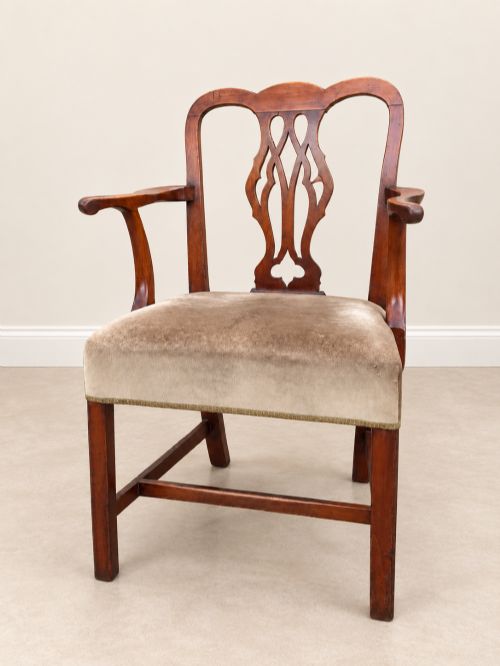
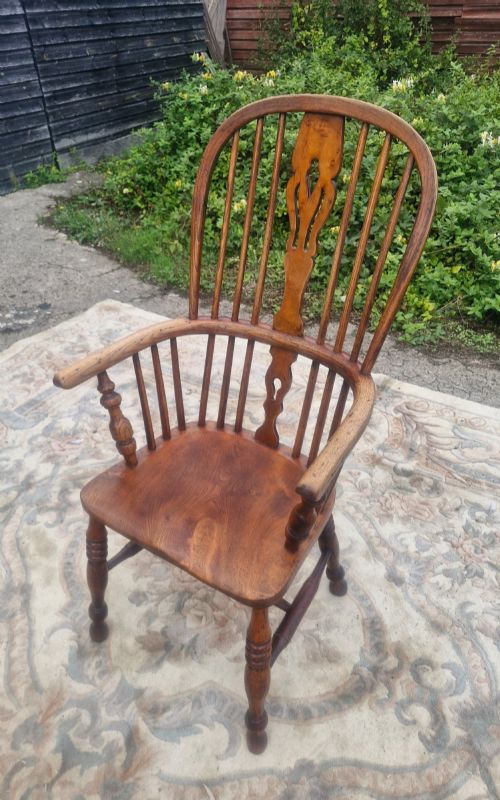
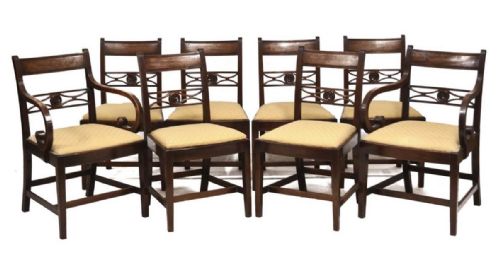
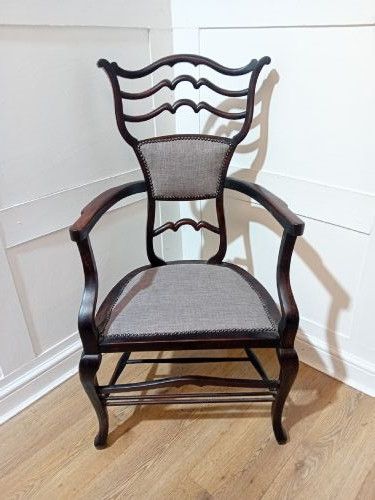
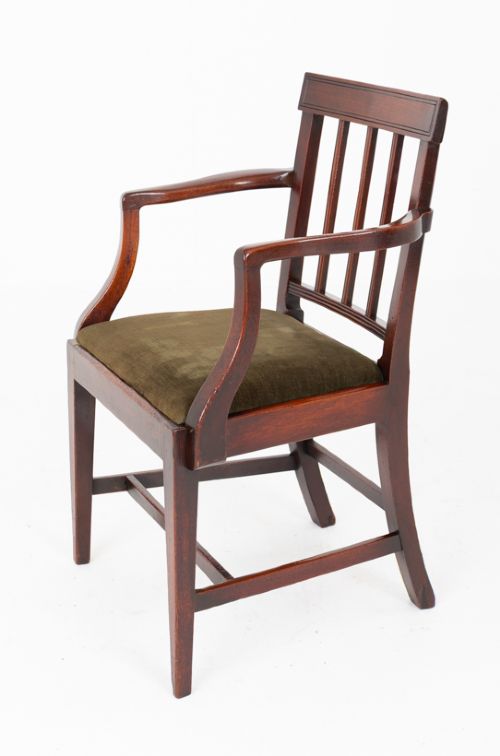
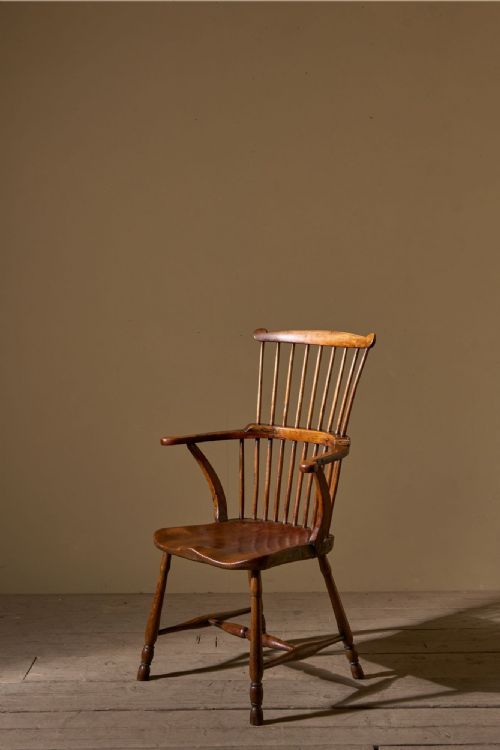
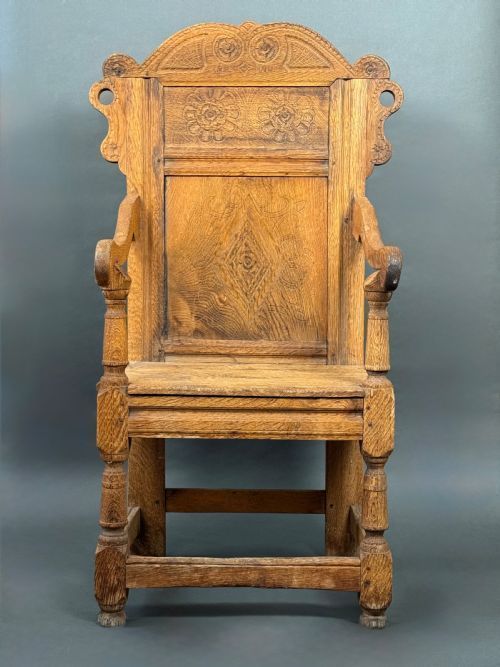
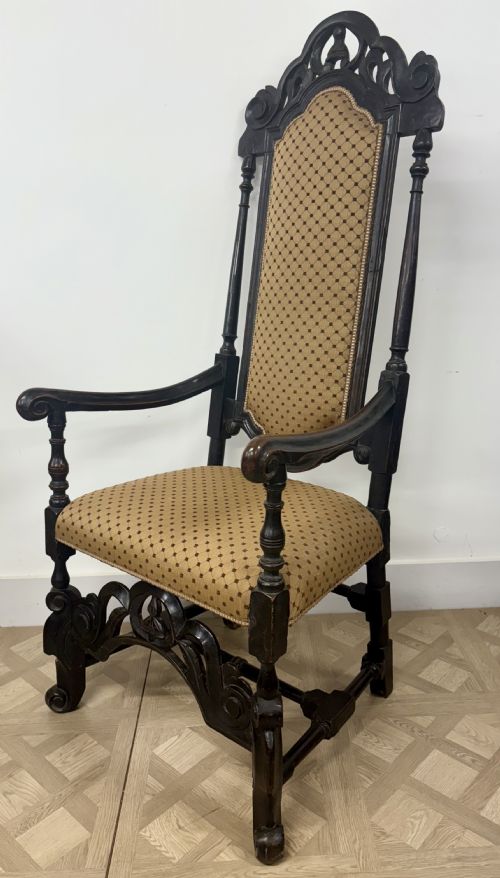
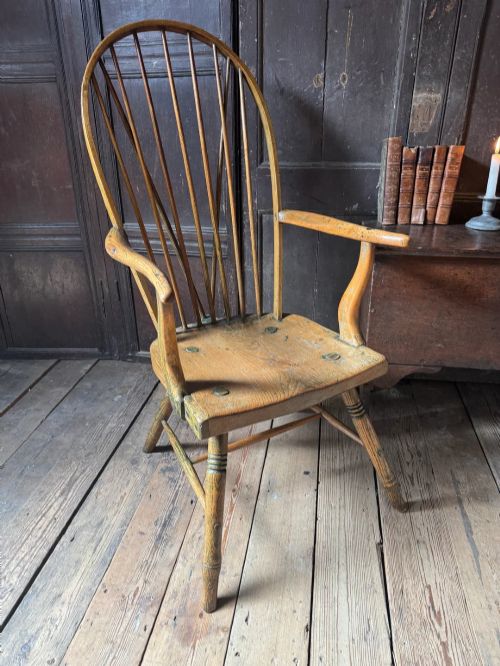
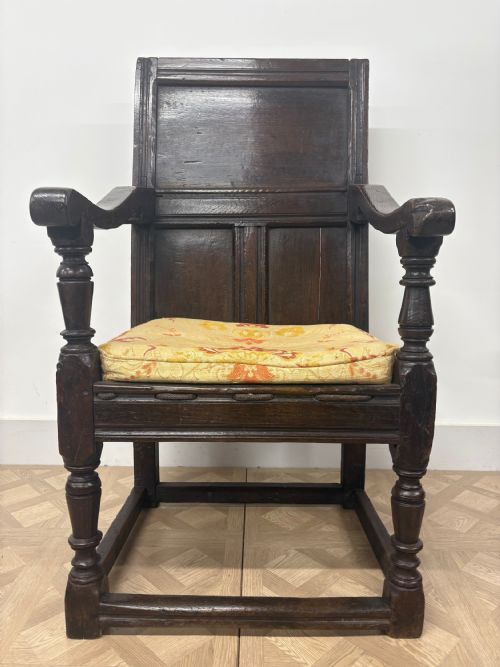
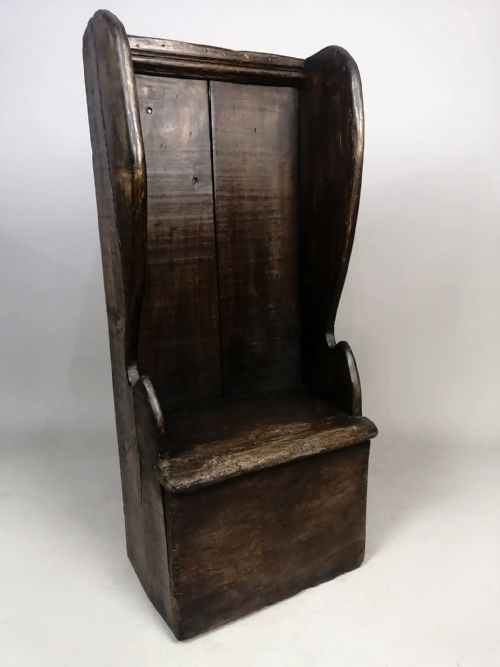
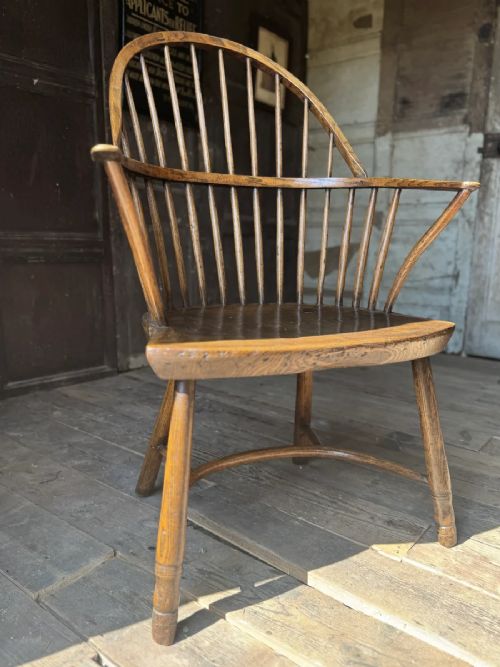
When buyers search for a period wooden armchair, they encounter an array of seating ranging from heavy seventeenth-century oak wainscot chairs to eighteenth-century elm and ash Windsors and mahogany carvers.
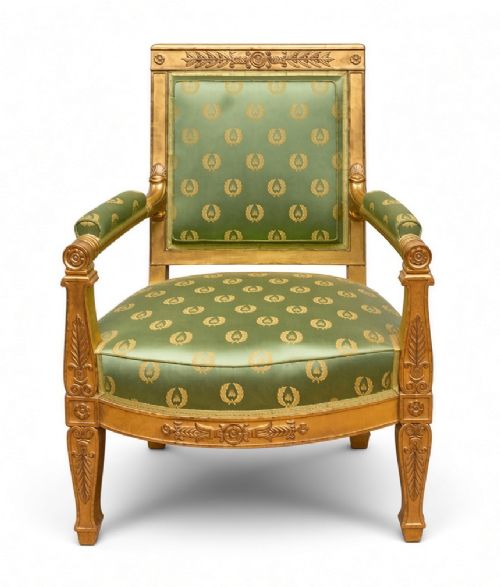
The selections span the seventeenth, eighteenth, and nineteenth centuries, including styles such as Georgian, Regency, and Victorian.
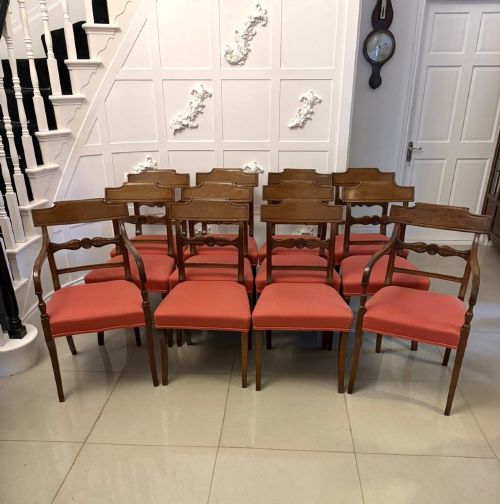
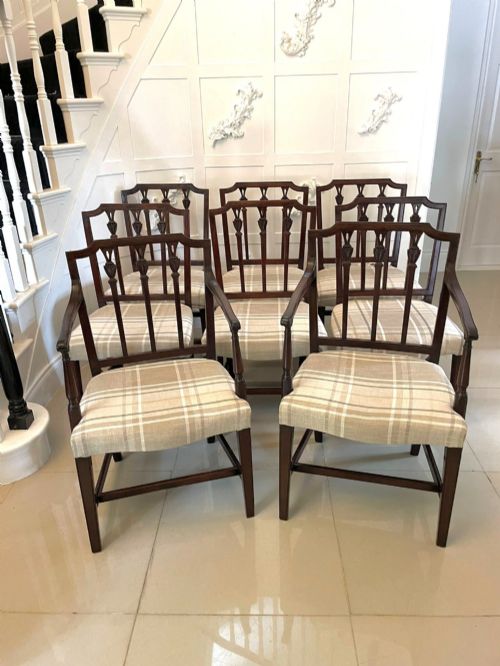
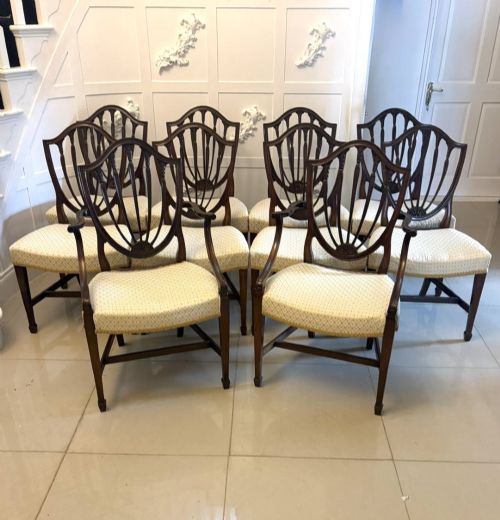
Most pieces function as individual reading or desk seats, while others belong to larger dining sets that include matching carver chairs.
How they were made
Carpenters and joiners utilised native timbers such as oak, elm, ash, yew, and walnut, often combining woods within a single Windsor frame to balance strength and flexibility.
Early seating relied on mortise and tenon joints secured with wooden pegs, while later Georgian and Regency pieces employed fine mahogany turned legs and curved splats.
Elephant arm chairs exist here.
What varies in quality
The integrity of construction separates basic utility seating from superior examples, particularly where joints meet under daily stress.
Depth of patina, original timber surface, and subtlety of hand-carved details define the upper tier of period chairs.
Maple and Co·Jacob-Desmalter
The Period Wooden Armchair Glossary
- Wainscot armchair
- A heavy wooden chair constructed primarily from oak with panelled backs and turned supports, dating mostly to the seventeenth century.
- Windsor chair
- A seat featuring a solid wooden saddle-shaped seat into which the legs and back spindles are directly wedged.
- Carver chair
- An armchair designed to match a set of single dining chairs, traditionally placed at the heads of a table.
- Comb back
- A Windsor chair variation where the central vertical spindles extend upward to support a transverse headrest resembling a comb.
Period Wooden Armchair: Frequently Asked Questions
How do I date a wooden armchair?
Dating relies on identifying the primary timber, joint construction methods, and stylistic cues characteristic of specific reigns or centuries.
Early pieces often display pegged oak frames, whereas eighteenth-century examples favour mahogany or mixed fruitwoods with distinct regional turning.
Were Windsor chairs used indoors?
Windsor chairs served versatile roles in both rural households and formal domestic settings, functioning as desk seats, parlour chairs, or fireside seating.
Their robust elm and ash construction allowed them to endure heavy daily use across generations.
What is a wainscot chair?
A wainscot chair is a heavy wooden armchair made predominantly of oak, featuring a panelled backrest and solid armrests.
These pieces represent some of the earliest domestic seating forms surviving from the seventeenth century.
How do I care for antique wood?
Maintaining period wood requires stable indoor humidity levels and protection from direct sunlight to prevent timber shrinkage and cracking.
Occasional application of appropriate wax preserves the surface sheen without sealing moisture into the grain.