



Traditional Yew Wood Furniture
Traditional yew wood furniture comprises seating and storage shaped by country makers using native timbers through the eighteenth and nineteenth centuries.
Traditional Yew Wood Furniture
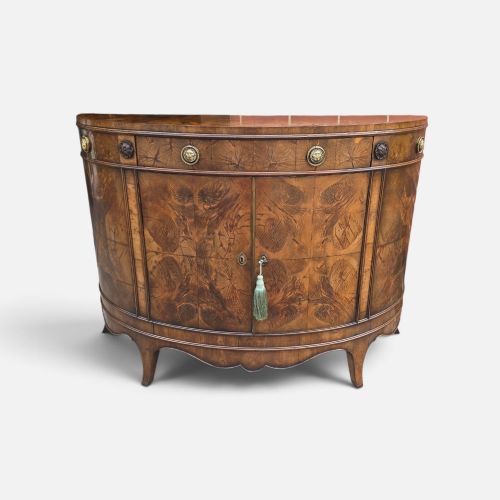
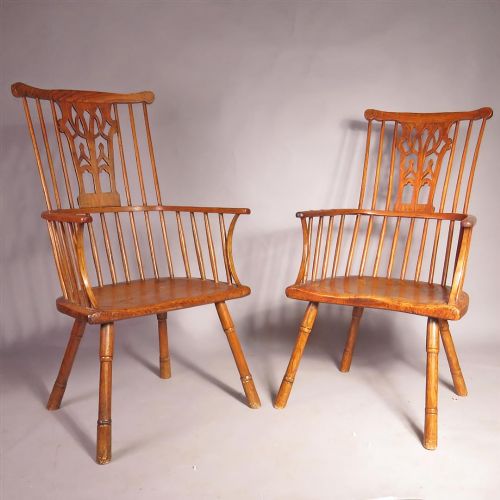
Traditional yew wood furniture centres predominantly on Windsor armchairs, alongside occasional tables, chests of drawers, and side cabinets. These pieces emerge from the Georgian, Victorian, and Edwardian periods, carrying the marks of English country vernacular and primitive design.
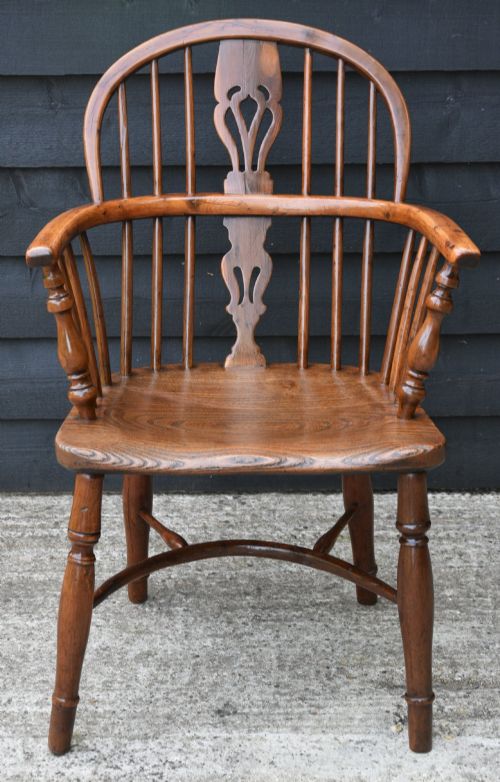
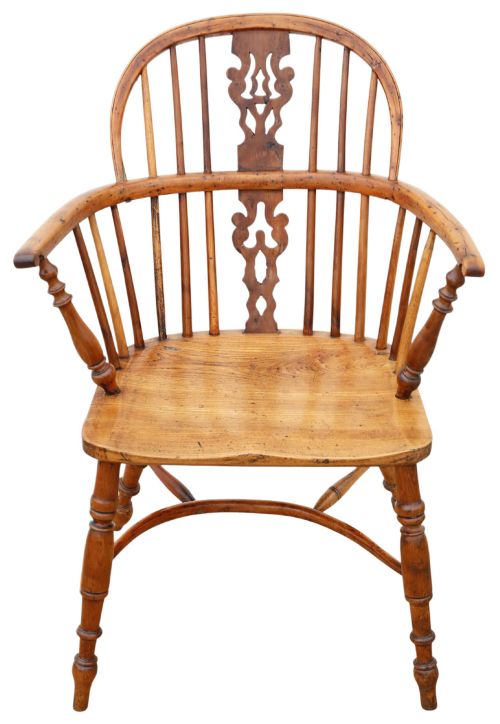
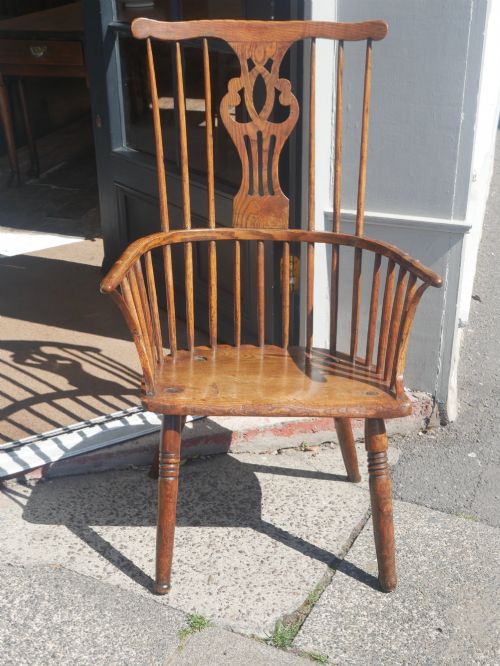
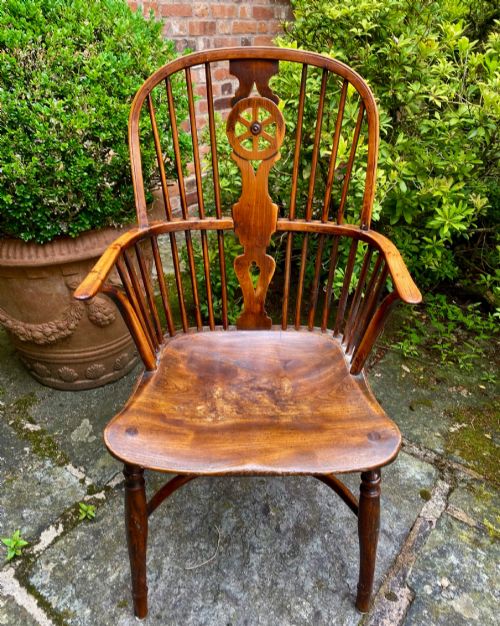
The Windsor chair dominates the selection, appearing in comb back, low back, high back, and broadarm variants. Makers frequently combined yew with elm, ash, beech, and fruitwood to construct these chairs and occasional tables.
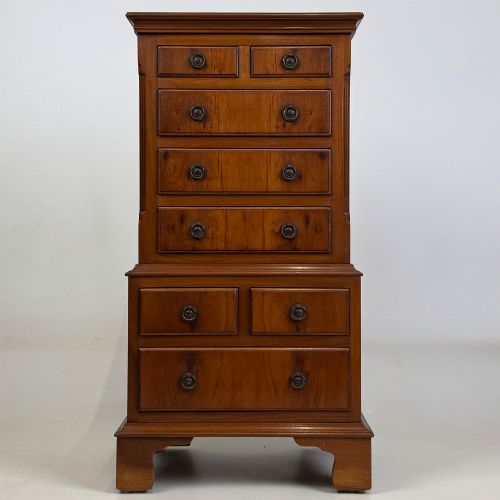
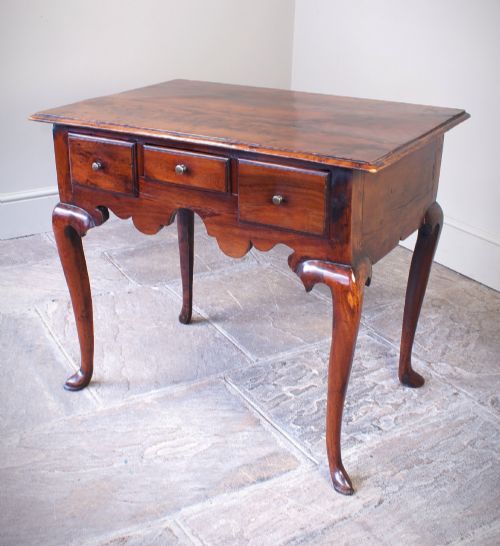
Smaller forms, including childs chairs and miniature examples, sit alongside substantial storage furniture such as bureaux and lowboys. The construction relies heavily on regional traditions, particularly from the Thames Valley and Worksop.
Materials and construction
Craftsmen built traditional yew wood furniture by combining solid yew and burr yew with complementary native timbers such as elm, ash, and beech. Elm frequently served as a strong seat board for Windsor chairs, while yew provided bending strength for hoops and arms.
The construction employs traditional joinery methods, utilising turned spindles, cleft undercarriages, and wedged tenons. Cabinet pieces like chests of drawers and bureaux rely on solid plank construction and dovetail joints.
Materials recorded across the inventory include solid yew, burr yew, elm, ash, beech, and various fruitwoods combined within individual chairs.
Factors of quality
Quality rests upon the selection of timber, particularly the dramatic figuring found in burr yew panels and comb back splats. The harmony between secondary woods, such as elm seats and fruitwood details, distinguishes superior examples.
Proportion and structural integrity define the best pieces, where turned components remain crisp and spindle work maintains its original tension. Rich natural patination and depth of surface colour elevate country pieces from utilitarian items to accomplished works.
Gabbitass of Worksop·Allsop Worksop·John Moss Worksop·Rockley Maker
The Traditional Yew Wood Furniture Glossary
- Windsor chair
- A wooden chair constructed with a solid sculpted seat into which the legs and back spindles are direct-tenoned. This form evolved through various regional styles including comb back and wheelback.
- Comb back
- A Windsor chair variation where the vertical back spindles rise into a horizontal top rail resembling the spine of a comb. This style frequently incorporates a shaped central splat.
- Lowboy
- A small kneehole dressing table or side table featuring one or more rows of drawers beneath a rectangular top. Eighteenth-century examples often stand on slender cabriole or tapered legs.
- Burr yew
- A growth deformity in the yew tree producing swirling, knotty grain patterns highly prized for veneer and decorative panels. Cabinetmakers utilised this figured wood on drawer fronts and tabletops.
- Broadarm
- A Windsor chair featuring one exceptionally wide, flat arm rest designed for writing or comfort. These arms are typically carved from a single solid piece of timber.
Traditional Yew Wood Furniture: Frequently Asked Questions
How do I identify Thames Valley chairs?
Thames Valley chairs typically display refined turning on their legs and spindles. Makers in this region often incorporated multiple wood types into a single chair.
You will frequently notice yew bows paired with elm seats and fruitwood accents. The overall execution reflects sophisticated country craftsmanship.
Why is burr yew used on furniture?
Burr yew provides highly decorative grain patterns created by irregular tree growth. Cabinetmakers selected these sections for drawer fronts and table surfaces to add visual texture.
This figured wood contrasts sharply with the straighter grain of standard yew and elm. Its presence usually indicates a piece of higher status.
Where were broadarm Windsor chairs made?
Broadarm Windsor chairs appear frequently in regional English traditions, particularly associated with makers around Worksop. The wide arm provided a convenient surface for writing or resting.
These chairs combine sturdy construction with generous proportions. They represent specialised regional variations within the broader Windsor chair family.
How should I care for yew wood?
Yew wood furniture benefits from maintaining stable room humidity and avoiding direct sunlight. Regular dusting with a soft cloth preserves the natural surface.
Avoid synthetic polishes that can build up over the timber. Gentle application of traditional wax helps maintain the historic patination.