


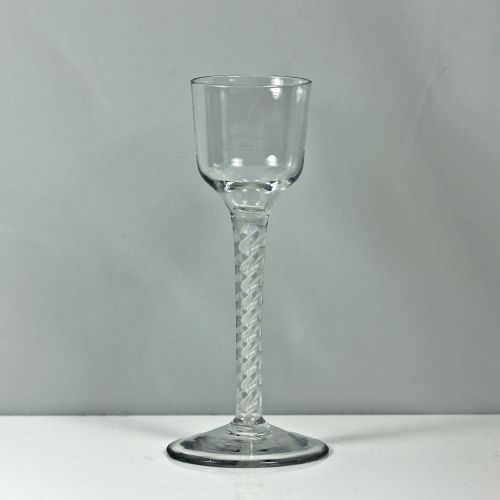


Georgian Period Drinking Glass
A georgian period drinking glass carries the weight of eighteenth-century tavern and dining tables in clear lead crystal.
Georgian Period Drinking Glass
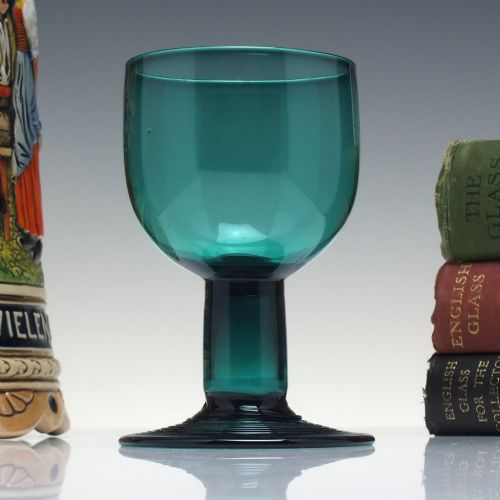
A georgian period drinking glass comprises wine glasses, ale flutes, rummers, and tumblers produced across the eighteenth and early nineteenth centuries. These drinking vessels served beverages at formal dinners and social gatherings during the Georgian and Regency eras.
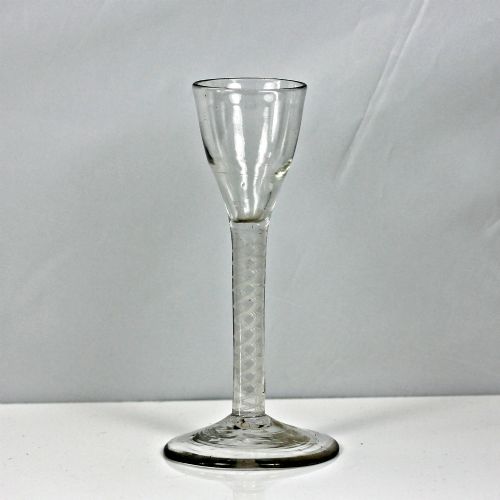
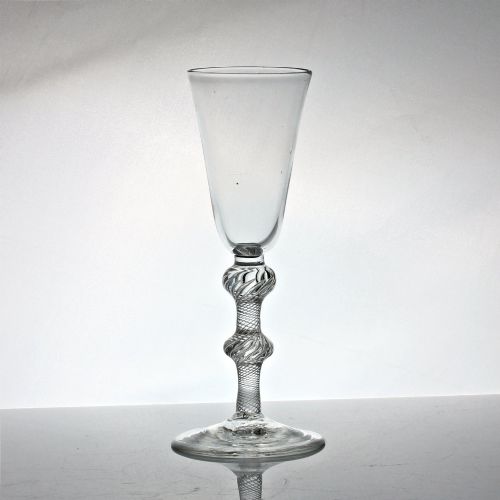
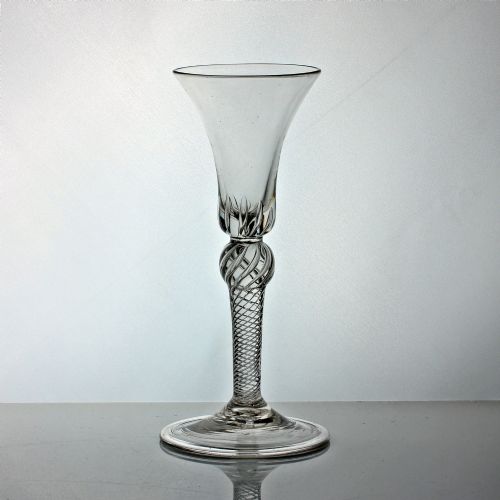
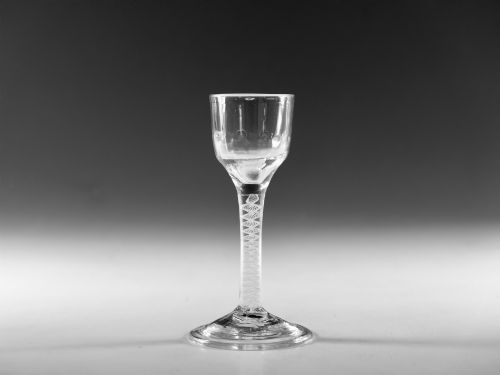
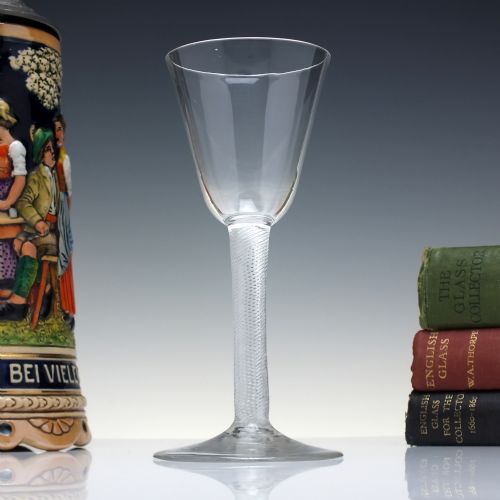
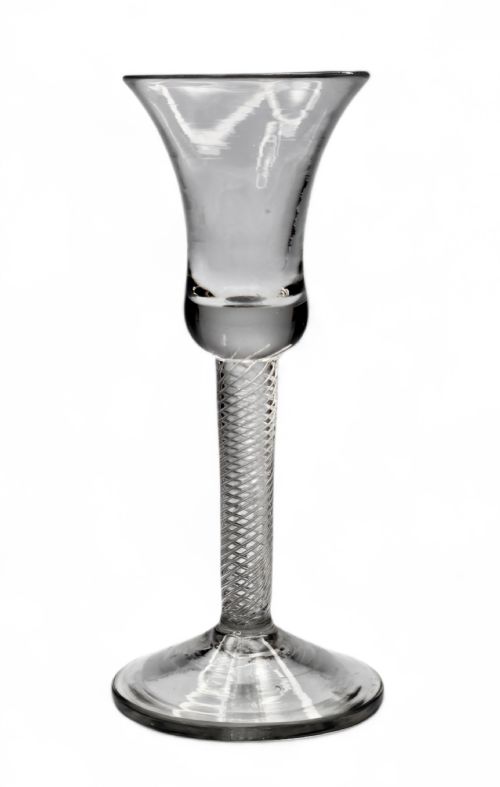
The specimens met most frequently on this page date from the eighteenth century, spanning baluster, air twist, and opaque twist stem formations. Forms range from heavy balustroid goblets down to dwarf ale glasses and facet-cut tumblers.
Originating predominantly in England, the selection includes pieces featuring engraved hops, barley, and Masonic emblems. Collectors encounter trumpet and bell bowls set above folded feet or lemon squeezer bases.
How they were made
Makers utilised lead glass and flint glass, shaped by hand-blowing molten metal into form. Enamel decoration occasionally added surface colour and detail to clear material.
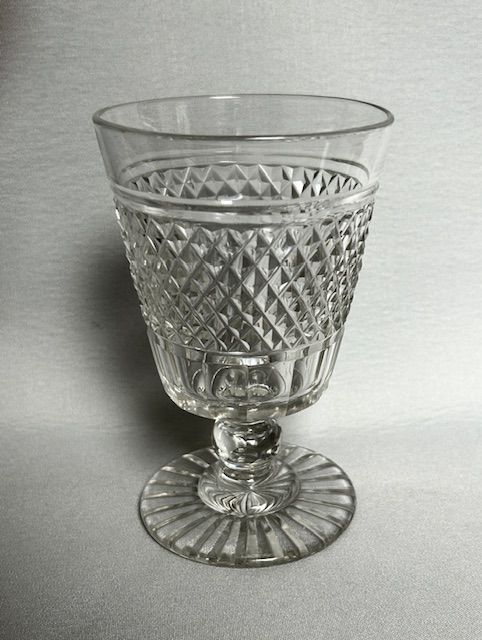
Stems were fashioned using specialised techniques to trap air spirals or introduce opaque twist canes within the glass rod. Cutting wheels subsequently carved facets, hobnail patterns, and blaze motifs into bowls and stems.
Some glasses bear engraved hops and barley, ensuring drinkers remembered the source of their ale even after finishing it.
What varies in quality
Clarity of the metal and weight define the foundation of a superior piece, distinguishing dense lead crystal from ordinary glass. Precision in the twist formation and symmetry of the bowl shape reveal the hand of a skilled glassmaker.
The Georgian Period Drinking Glass Glossary
- Lead glass
- A heavy glass composition containing lead oxide that increases brilliance and refractive index. This material allowed eighteenth-century makers to pull thinner stems and cut deeper facets.
- Air twist
- A stem formation containing elongated internal air bubbles drawn into spirals. These threads catch the light within the clear metal.
- Opaque twist
- A stem enclosing white or coloured enamel threads twisted into single or double series patterns. This decorative technique became prominent during the mid-eighteenth century.
- Baluster
- A heavy, thick stem style characterised by knops and swelling profiles reminiscent of architectural supports. Early eighteenth-century vessels frequently employ this sturdy form.
- Rummer
- A large, capacious drinking vessel used for rum or punch during the Georgian period. They often sit upon heavy bases or lemon squeezer feet.
Georgian Period Drinking Glass: Frequently Asked Questions
How do I identify a genuine eighteenth-century wine glass?
Examine the metal for heavy lead content, surface wear under the foot, and pontil marks left by the blowing iron. Eighteenth-century examples display slight irregularities native to hand production.
Compare the stem type, whether baluster or twist, against established period typologies to confirm the era of manufacture.
What is the difference between an air twist and an opaque twist?
An air twist traps elongated bubbles of air inside the glass stem, forming delicate helical threads that appear silver against the light. Opaque twists incorporate solid white or coloured enamel rods into the molten metal.
Both methods created decorative stems for wine and ale glasses during the middle decades of the eighteenth century.
Can I use antique drinking glasses for everyday dining?
These lead crystal vessels are surprisingly resilient, having survived centuries of handling, but they require careful hand washing. Sudden temperature changes can crack old glass, so hot liquids should be avoided.
Many collectors prefer to display them or reserve them for occasional toasts rather than daily use.
What is a lemon squeezer base?
A lemon squeezer base is a square, pressed glass foot featuring four sloping panels that resemble kitchen lemon squeezers. This form appeared on heavy rummers and Masonic glasses during the Regency period.
The moulded base provided extra stability for tall or heavily cut vessels.