

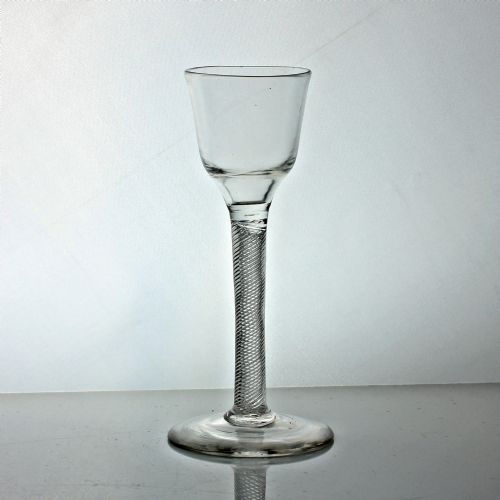


Georgian Crystal Wine Glass
A georgian crystal wine glass holds centuries of history in the hand, offering a direct tactile link to the drinking customs of the past.
Georgian Crystal Wine Glass
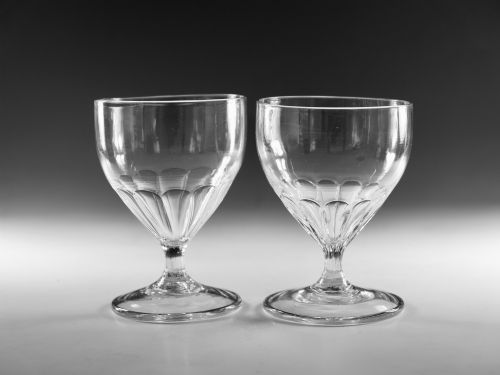
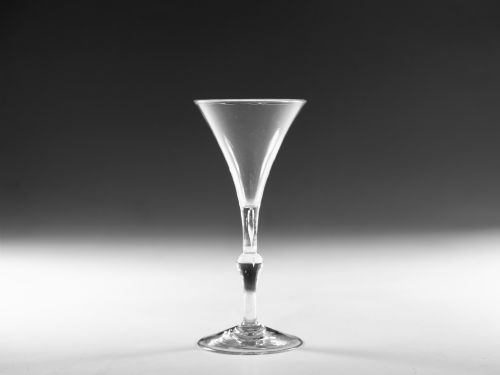
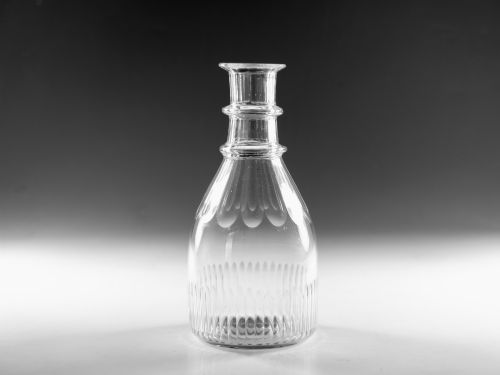
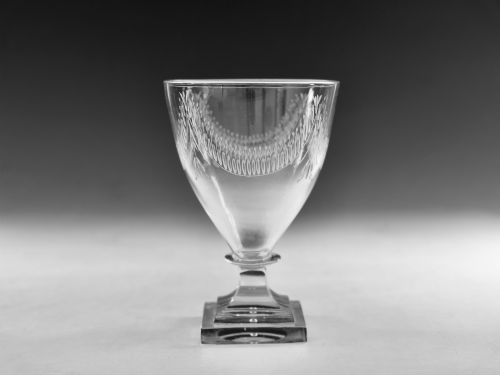
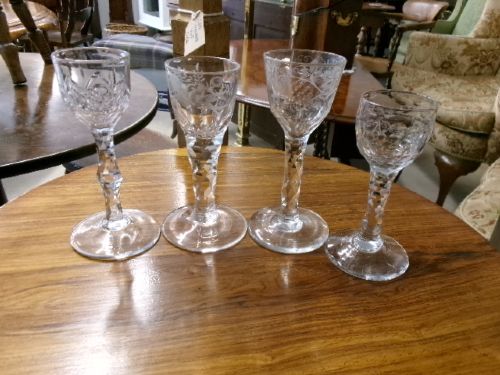
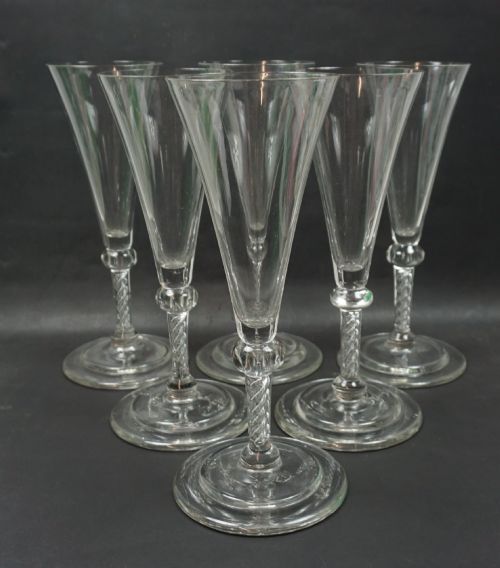
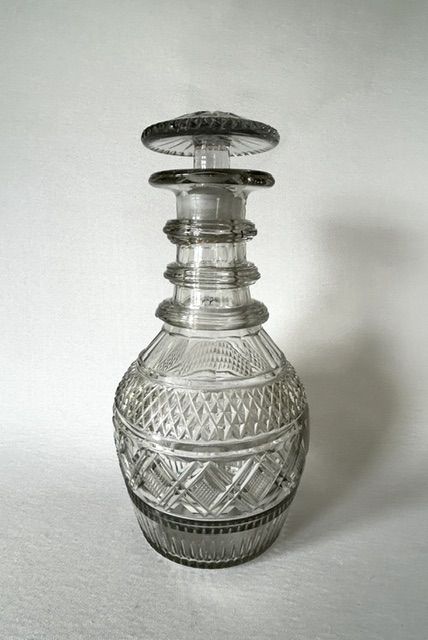
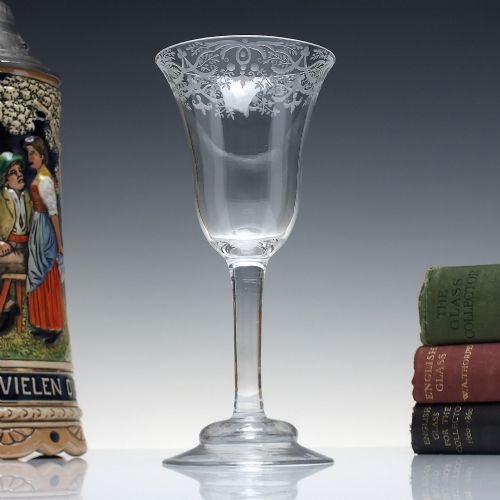
When you search for a georgian crystal wine glass, you encounter drinking vessels spanning the eighteenth and early nineteenth centuries, produced primarily in England and Ireland. These objects range from early balustroid forms to lighter air twist and opaque twist stems, alongside later cut glass examples.
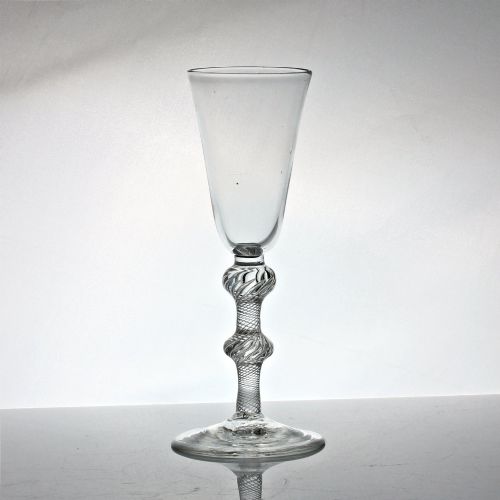
The version most commonly met on this page is the mid eighteenth century stemware featuring complex internal threads of air or white enamel. Bowls vary from ogee and trumpet shapes to simple plain stems, often resting on a folded foot for added weight at the base.
How they were made
Makers utilised heavy lead crystal and flint glass to achieve high refractive clarity and substantial weight in the hand. Glass was blown into forms, sometimes employing moulds to create ribbed or petal patterns on the bowl.
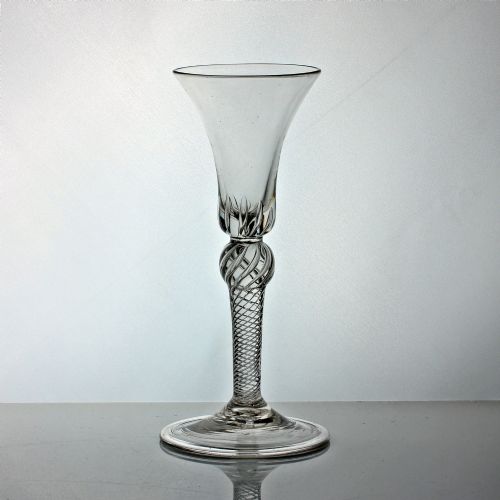
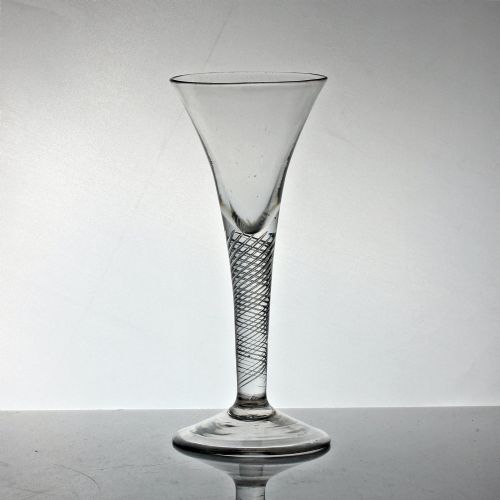
Stems incorporated sophisticated techniques such as air twists drawn from bubbles within the molten metal, or opaque twists formed from separate white enamel rods fused inside the glass. Surface decoration relied upon hand engraving and deep cutting with wheels.
Some glasses bear covert political loyalties, such as anti Jacobite engravings celebrating Hanoverian liberty with hidden symbols.
What varies in quality
Quality rests in the optical purity of the lead glass and the precision of the internal twist formation. Clear, heavy metal without excessive cloudiness or heavy bubbling separates superior stemware from standard production.
The balance of the vessel, the crispness of wheel engraving, and the structural integrity of the folded foot or knop dictate the standing of an individual piece within the range.
The Georgian Crystal Wine Glass Glossary
- Air twist
- A stem containing spiral channels of trapped air created during the drawing process. This technique gives the glass a shimmering internal texture.
- Opaque twist
- A stem enclosing fine threads of white enamel glass within the clear metal. It appears in single or double series configurations.
- Ogee bowl
- A bell shaped drinking vessel profile curving outward at the rim and inward toward the base. It provides a distinctive silhouette on mid eighteenth century stems.
- Folded foot
- A glass base where the outer rim is turned underneath to form a double layer of metal. This method adds stability and strength to the foot.
Georgian Crystal Wine Glass: Frequently Asked Questions
How do I clean a georgian crystal wine glass?
Wash these pieces gently by hand in warm, soapy water without using harsh abrasive materials. Avoid extreme temperature changes to protect the old lead glass from thermal shock.
Dry them immediately with a soft linen cloth to prevent water spots and maintain the natural clarity of the crystal.
Are these glasses safe to drink from today?
Most antique drinking vessels remain entirely suitable for occasional use with wine or water. Modern testing shows standard usage poses minimal risk, though some collectors prefer to keep them for display.
Inspect the rim and bowl for any hidden chips before pouring a drink.
How can I tell an air twist from an opaque twist?
An air twist contains clear spiral threads formed by elongated bubbles trapped inside the stem. Holding the glass to the light reveals these refractive air channels.
An opaque twist uses solid white enamel rods twisted within the clear glass, producing bright white opaque lines rather than translucent air threads.
Why do some glasses have a folded foot?
Makers folded the rim of the foot underneath during manufacturing to reinforce the weakest part of the glass. This extra layer of metal provided necessary weight and durability for daily tavern or dining use.
It serves as a helpful indicator of eighteenth century production methods.