

Flint Glass Wine
Flint glass wine drinking vessels and decanters span periods from the eighteenth century to the twentieth century, bringing historic British craftsmanship to the table.
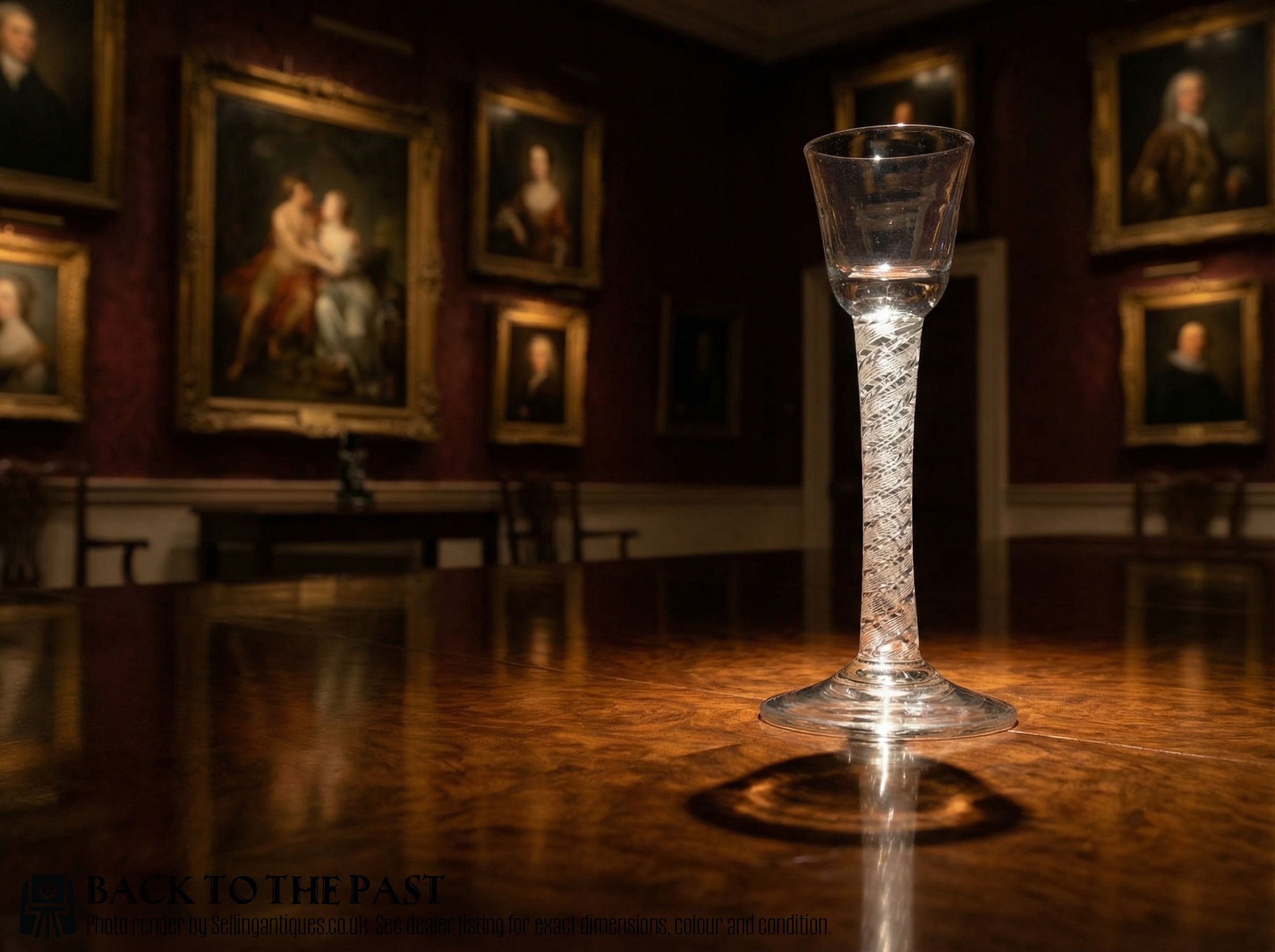
Flint Glass Wine
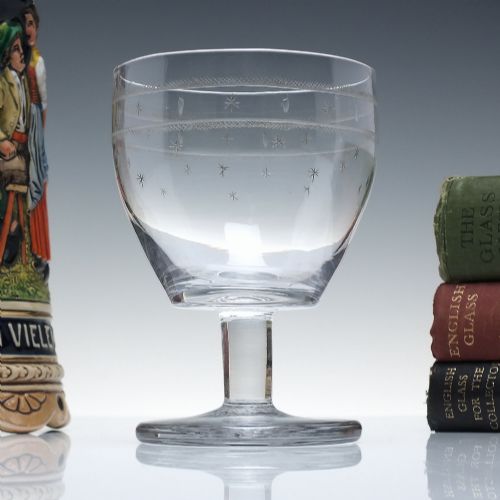
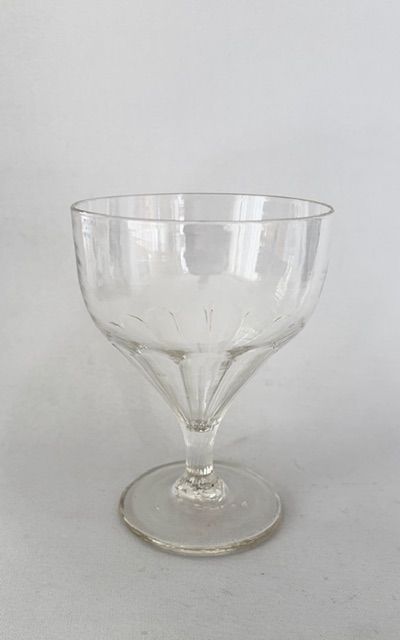
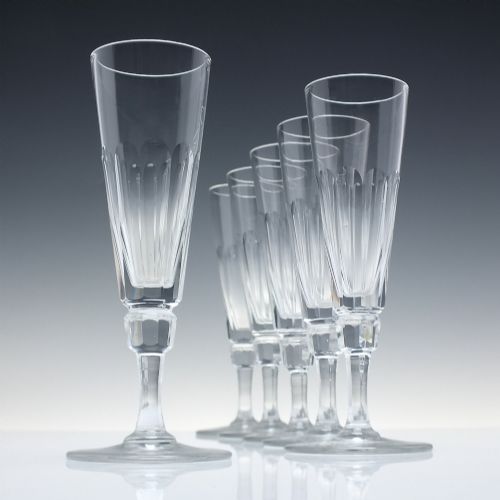
When you search for flint glass wine, you are looking at historic drinking vessels and serving pieces intended for wine and spirits. The selection on this page leans heavily toward eighteenth-century Georgian wine glasses alongside nineteenth-century rummers and decanters.
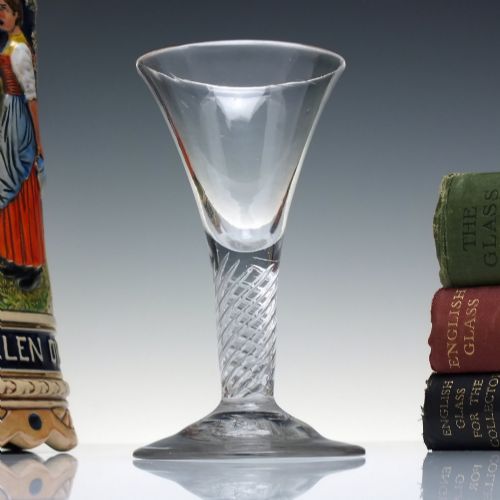
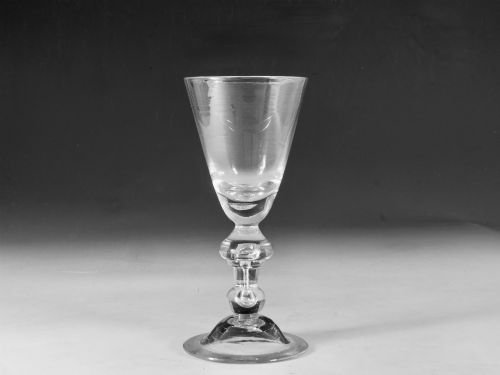
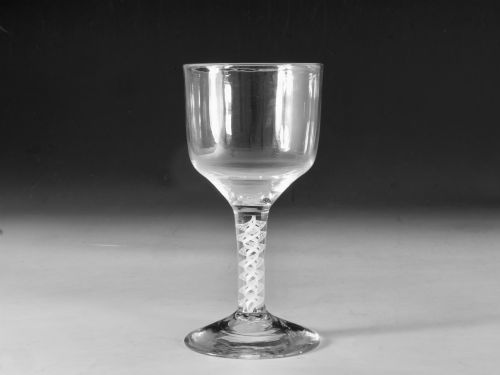
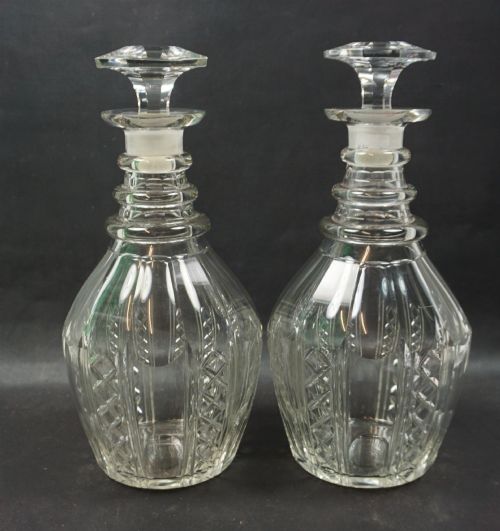
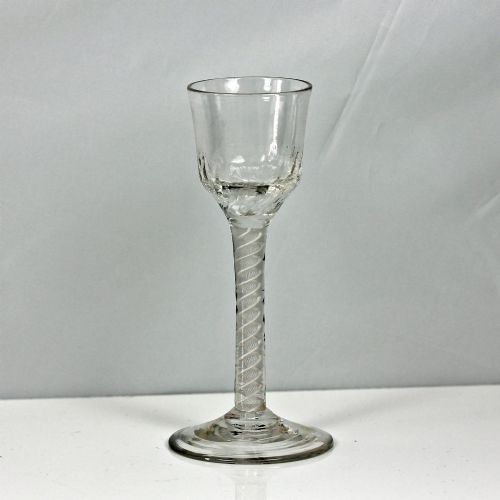
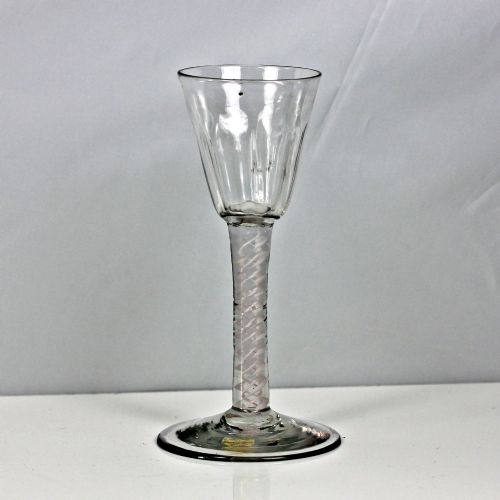
The forms range from trumpet-bowl and ogee-bowl wine glasses with air or opaque twists in the stem to heavy cut-glass decanters and carafes. These objects trace the evolution of British glassmaking from plain stems and balusters to ornate twists and later Edwardian cut glass.
How they were made
Makers utilised lead glass, clear lead glass, and flint glass, often shaping them through optical blowing or heavy cutting. The material allowed artisans to achieve remarkable clarity and heft in both stemware and serving vessels.
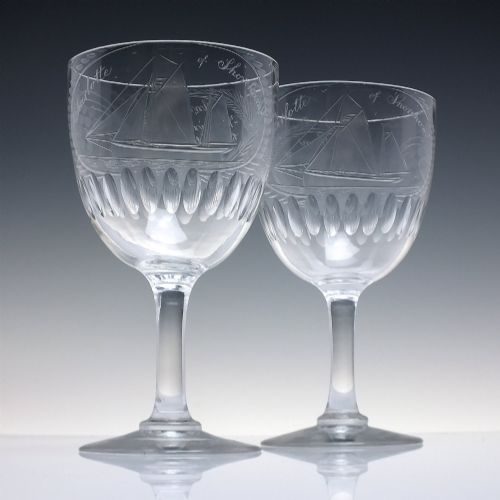
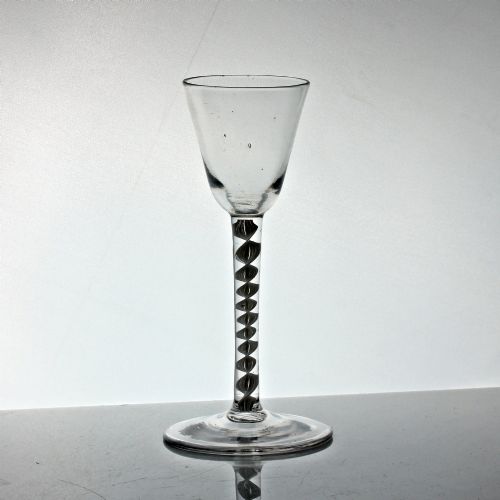
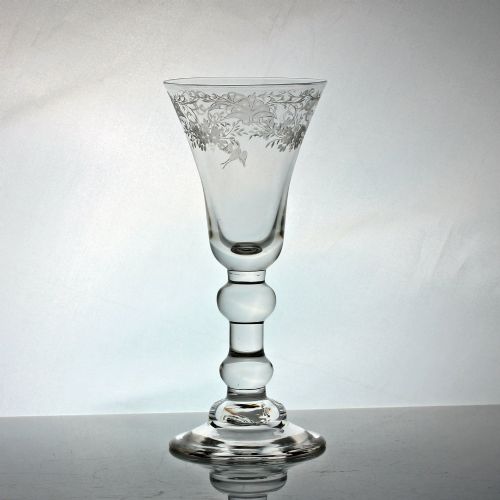
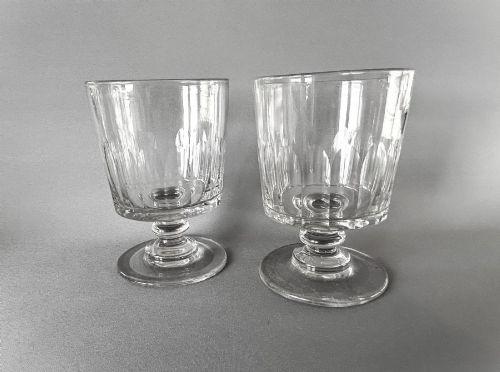
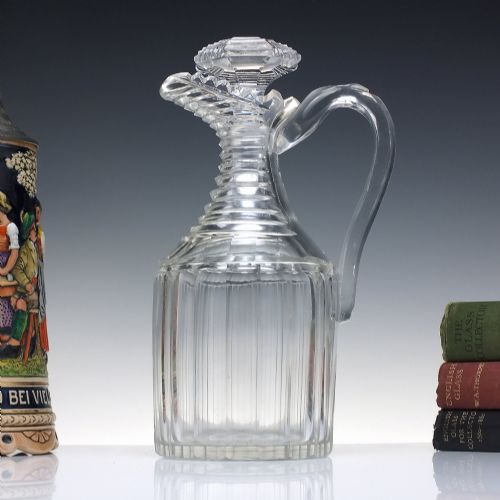
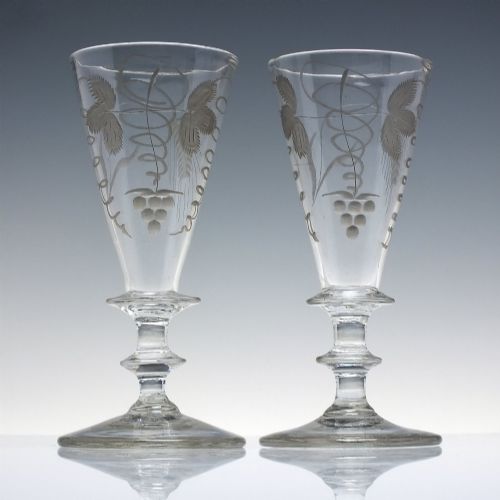
Stems were formed with air bubbles, multi-spiral air twists, or double series opaque twists, while bowls were shaped into trumpets, bells, ogees, or buckets. Engraving and facet-cutting were frequently applied by hand to complete the pieces.
Flint Glass Wine Retail Price Guide 2026
Typical asking prices for flint glass wine among the pieces listed under this phrase on Sellingantiques today, from the lower quarter to the upper quarter. They describe what is for sale here now, not the wider market.
Listings span the eighteenth, nineteenth, and twentieth centuries, featuring lead glass, enamel, and cut glass forms.
What varies in quality
The distinction between ordinary production and finer work rests on the dexterity of the twist formation, the crispness of any cut decoration, and the overall balance of the vessel. Early examples with complex air or opaque twists demand greater technical skill from the glasshouse.
Proportion and the condition of the metal, including the presence of original folded feet or untouched surface wear, determine how an individual piece is regarded. Finer items exhibit precise control over the hot metal during forming.
James Powell
The Flint Glass Wine Glossary
- Air twist
- A stem formation containing internal threads of air trapped in the glass during drawing and twisting. It creates a silvery optical effect inside the stem.
- Opaque twist
- A stem containing white or coloured enamel glass rods twisted within the clear lead glass. These were developed in mid-eighteenth-century English glasshouses.
- Rummer
- A large, sturdy drinking glass popular in the late eighteenth and nineteenth centuries, often used for ale, wine, or punch. They frequently sit on square lemon-squeezer feet.
- Baluster
- A heavy, thick stem style popular in early eighteenth-century glassware, often featuring knops and collar rings. It derives its name from architectural column supports.
- Folded foot
- A glass base where the outer rim is turned under to create a thicker, smoother edge for strength. This technique is common on eighteenth-century wine glasses.
Flint Glass Wine: Frequently Asked Questions
What is flint glass?
Flint glass is a clear, heavy glass made with lead oxide, which gives the material its high refractive index and brilliance. It was widely used in Britain for fine tableware and drinking vessels.
The term historically distinguishes lead glass from ordinary bottle glass, allowing makers to produce objects that catch and refract candlelight effectively.
How do I date a wine glass?
Dating relies on observing the bowl form, the stem construction, and the foot type. Eighteenth-century pieces often feature baluster or twist stems, while later nineteenth-century examples tend toward rummers and cut glass.
Foot characteristics, such as folded rims or domed profiles, also offer clear chronological markers for English glassware.
What is an air twist stem?
An air twist stem is formed by introducing air bubbles into hot glass and then drawing and twisting the metal to create internal spiral threads. This technique requires expert timing in the hot house.
These stems appear frequently on mid-eighteenth-century wine glasses and provide a delicate contrast to heavier bowls.
How were decanters used?
Decanters served to store and present wine at the dining table, often labelled with silver or engraved directly with names like Madeira. They allowed sediment to settle before pouring.
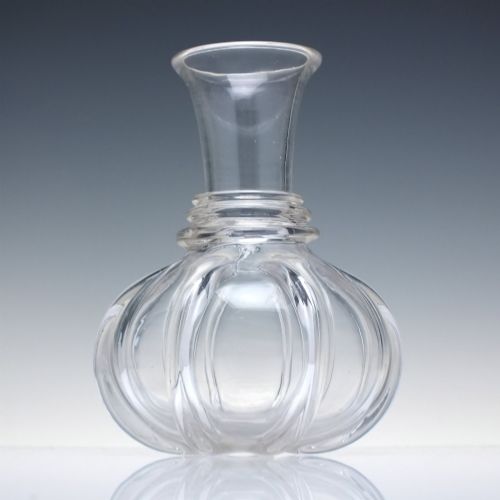
Matching carafes and spirit decanters were kept ready on sideboards alongside rummers and wine glasses during the Georgian and Regency periods.
Can I use antique wine glasses?
Historic lead glass drinking vessels can be used carefully, though many collectors prefer to display them. Hand washing in lukewarm water is essential to preserve the delicate metal.
Avoid sudden temperature changes, as old glass can thermal shock and crack under extreme heat or cold.