
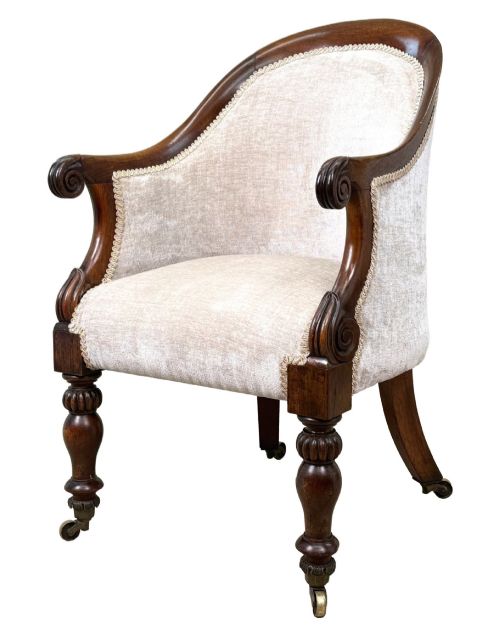
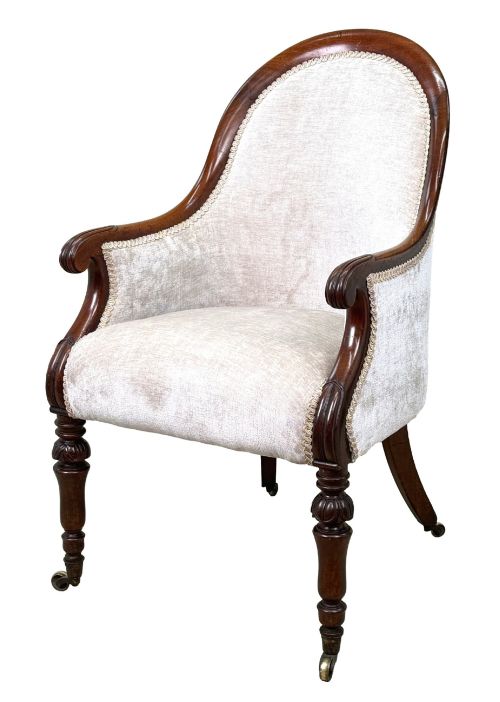
Georgian Period Armchair
When you search for a georgian period armchair, you enter a world of robust timber framing, elegant carved splats and deep leather upholstery built for centuries of daily use.
Georgian Period Armchair
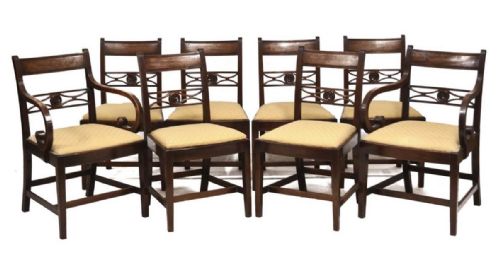
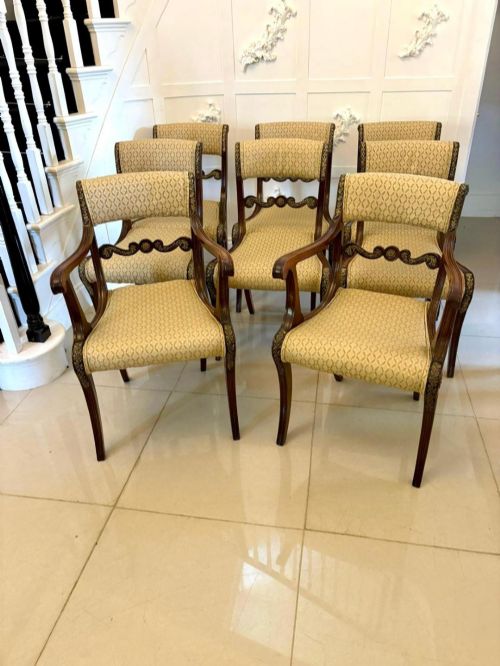
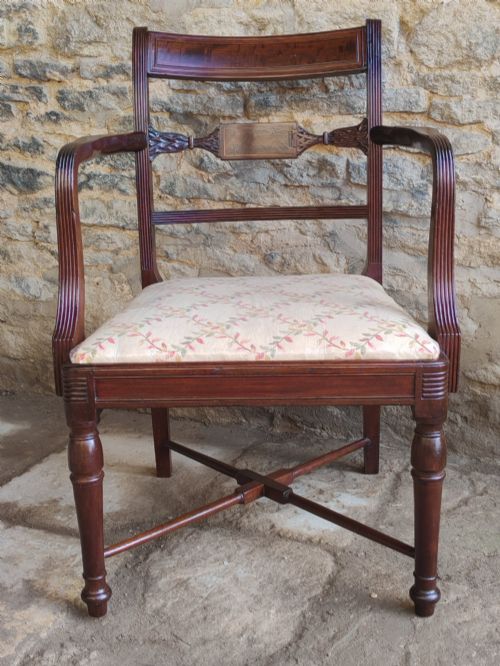
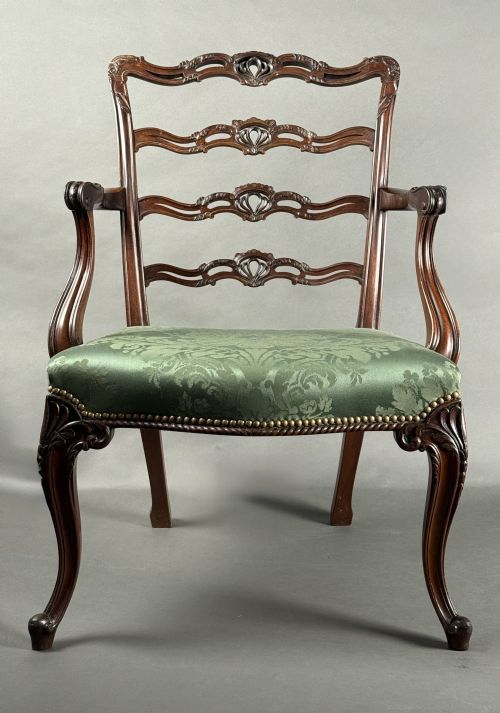
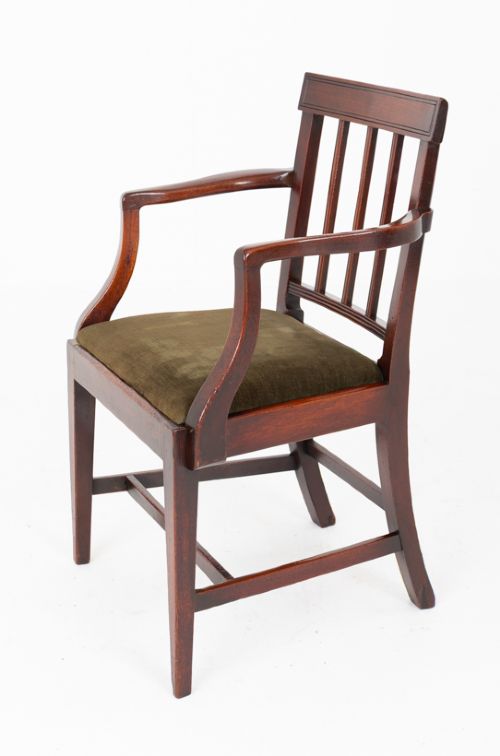
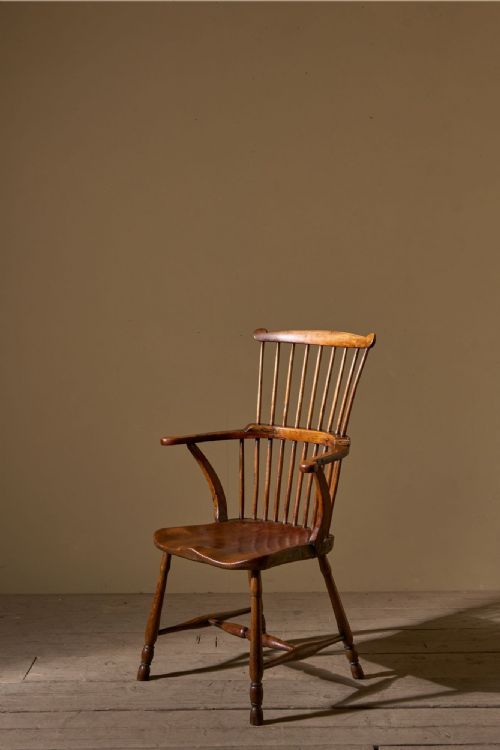
A georgian period armchair covers a diverse group of seating furniture produced across the eighteenth and early nineteenth centuries, ranging from library armchairs to country windsor chairs. The examples found here encompass formal mahogany dining carvers, deep leather library chairs, and provincial ash and elm windsor designs.
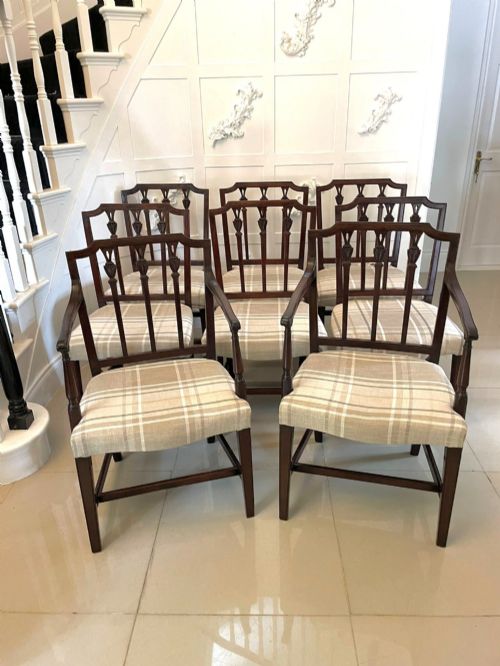
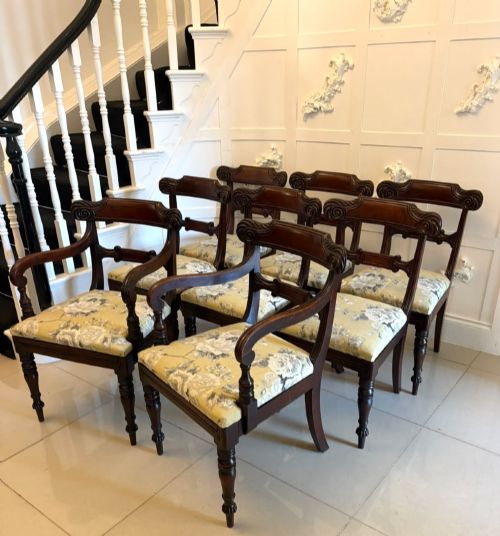
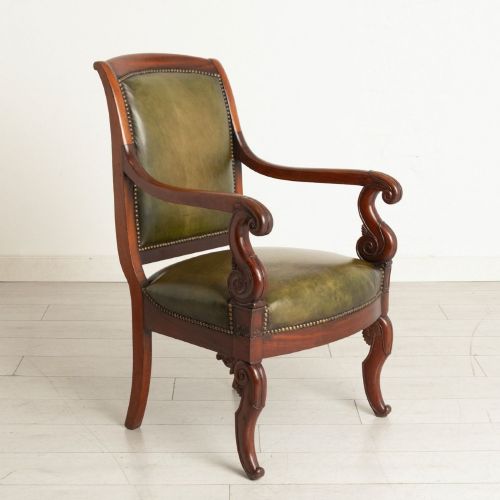
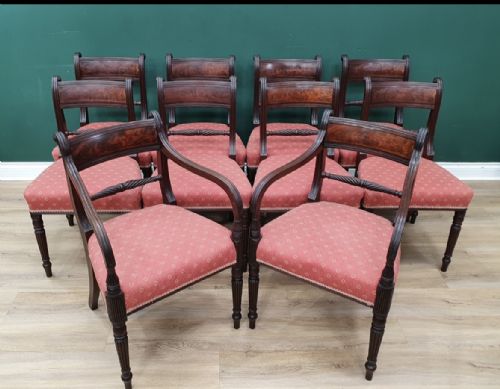
The prevailing form on this page is the mahogany library or dining carver from the George III period, often featuring carved splat backs or upholstered armrests. These pieces served varied domestic functions, from formal dining settings to quiet reading rooms.
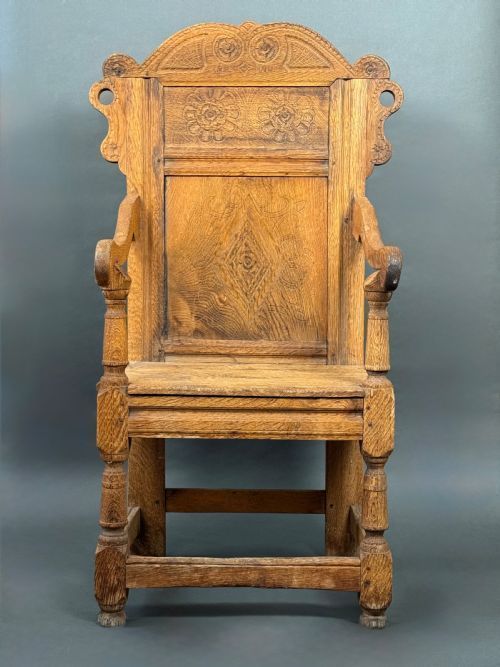
Regional variations appear alongside London pieces, including Scottish and West Country workshop productions in oak, elm and ash. Buyers also encounter later revival interpretations that echo the proportions of the eighteenth century.
How they were made
Makers relied primarily on native and imported timbers, utilising dense mahogany for formal urban seating and sturdy combinations of elm, ash and oak for regional windsor and country chairs. These woods were shaped using traditional joinery methods such as mortise and tenon joints to ensure structural endurance.
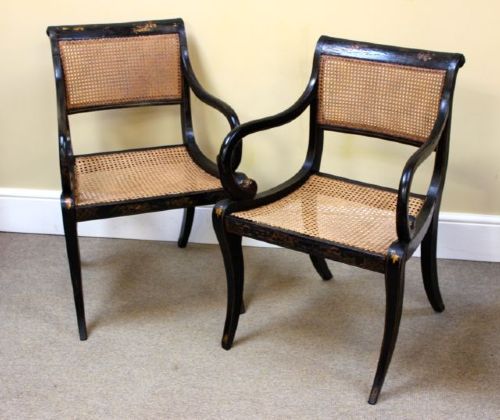
Upholstery techniques involved webbing, stuffing and covering with leather, fabric, velvet or cane panels. Brass tacks and detailed fretwork carved directly into the mahogany frames provided the decorative finish on high-status library and dining pieces.
Listings feature mahogany, elm, ash and oak, spanning eighteenth-century forms through nineteenth-century revival pieces.
What varies in quality
Quality rests in the crispness of the timber carving and the architectural proportion of the frame. Superior examples display deeply undercut mouldings, harmonious proportions between the arms and legs, and timbers selected for rich grain pattern.
The integrity of the original construction and the survival of untouched timber surfaces distinguish better pieces from those altered or heavily restored over generations of use.
Chippendale·Hepplewhite
The Georgian Period Armchair Glossary
- Carver
- An armchair designed with elbow supports, traditionally placed at the heads of dining tables alongside matching single chairs.
- Splat
- The vertical wooden strip down the centre of a chair back, frequently shaped or pierced in Chippendale and Hepplewhite designs.
- Windsor
- A traditional chair construction featuring a solid wooden seat into which legs and spindles are wedged directly, often incorporating a bentwood bow or comb back.
- Crinoline stretcher
- A curved hoop stretcher connecting the legs of a chair to provide lateral stability, commonly seen on country windsor armchairs.
- Gainsborough chair
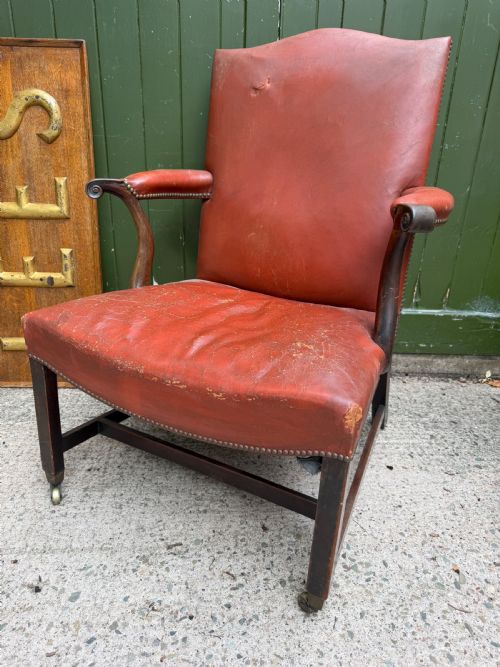
- A roomy, upholstered armchair with open padded arms, short mahogany legs, and a wide seat built for library or parlour use.
Georgian Period Armchair: Frequently Asked Questions
What is a carver chair?
A carver chair is an armchair built to match a set of single dining chairs, typically positioned at either end of a dining table. These chairs feature supportive elbow rests while maintaining the stylistic design of the dining set.
Historically, they accommodated the host or guests of honour during formal meals, offering a wider seat and greater structural presence than standard dining chairs.
How do I identify a Windsor chair?
A Windsor chair is characterised by a thick wooden saddle seat into which the legs and back spindles are tenoned directly. These chairs often feature bentwood components forming high hoops or comb backs.
Originating in provincial workshops rather than urban cabinet-makers' studios, they utilise regional timbers like elm and ash to achieve robust everyday seating.
Where were library armchairs used?
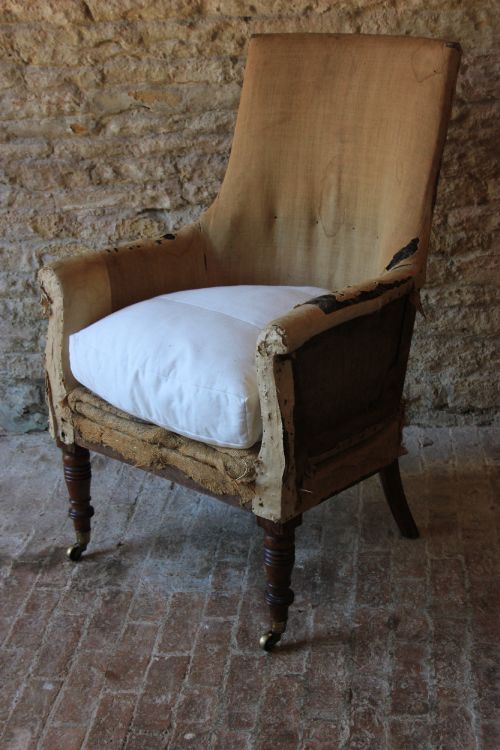
Library armchairs were designed for reading rooms, studies and parlours within large houses, providing comfortable upholstered seating for extended periods. They frequently incorporated leather upholstery for durability and deep proportions for relaxation.
These chairs stood near bookshelves or writing desks, serving as functional furniture for the household owners and their guests.
How do I tell different periods apart?
Distinguishing between periods relies on observing shifts in decorative style, structural proportions and timber choice. Early pieces show heavier oak and walnut construction, while mid-century designs favour carved mahogany and later revival pieces bring lighter dimensions.
Comparing back splat shapes, leg profiles and upholstery styles helps establish whether a chair dates to the height of the eighteenth century or a later nineteenth-century interpretation.