



Georgian Oval Back Chair
These georgian oval back chair examples bring refined eighteenth-century elegance into a modern room through graceful woodwork and classic proportions.
Georgian Oval Back Chair
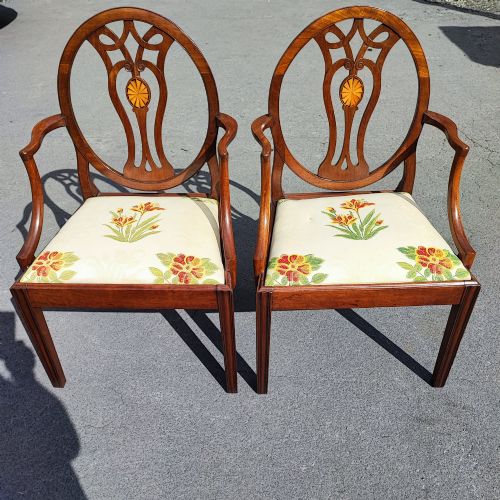
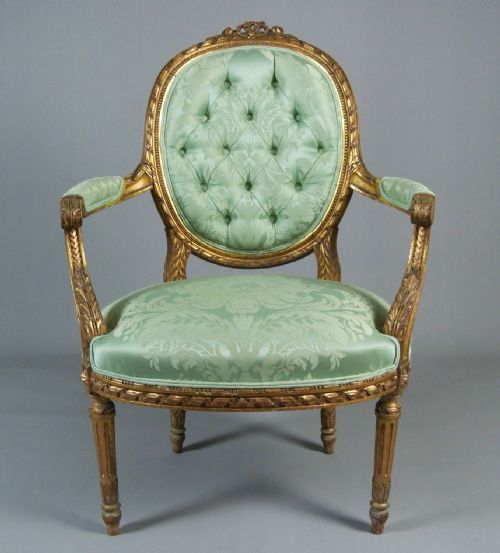
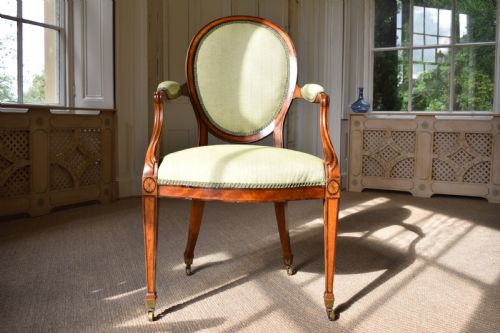
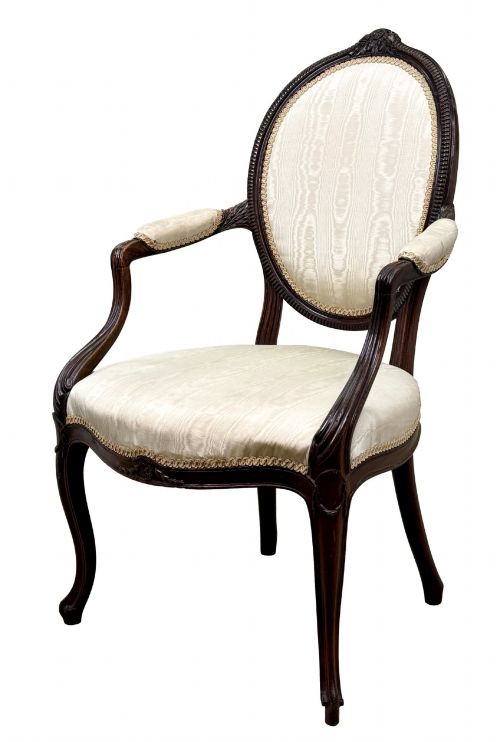
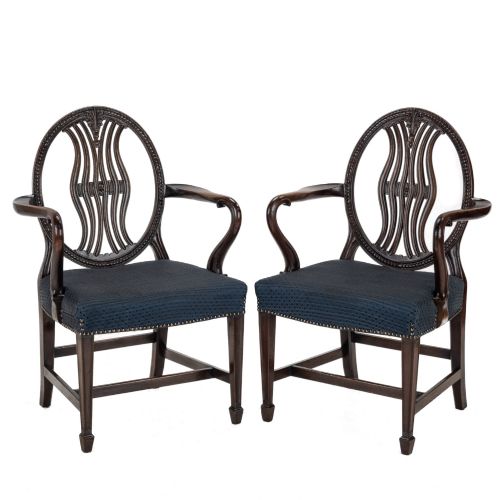
A georgian oval back chair represents the height of neoclassical seating design, typically featuring a distinct looped timber frame. You will frequently encounter mahogany and giltwood versions originating from the eighteenth and nineteenth centuries across these listings.
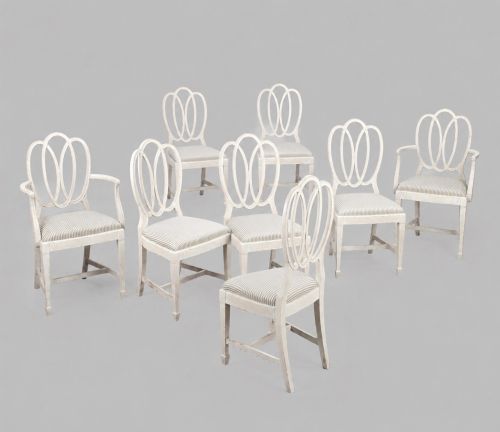
The selections span distinct object types including armchairs, dining chairs, hall chairs, and side chairs. Makers working in the Hepplewhite, Sheraton, and George III styles shaped these forms with characteristic restraint and proportion.
Many surviving examples belong to pairs or sets, while others appear as individual salon or open armchairs. The primary periods stretch from the georgian era through the regency and victorian revivals.
Materials and construction
Makers relied heavily on solid mahogany and satinwood for structural integrity, often incorporating carved detail directly into the timber frame. Giltwood and painted finishes appear on select grander seating, sometimes accented with parcel gilt highlights.
Upholstery techniques varied from traditional horsehair stuffing beneath textile coverings to specialised wool work seats. Brass and damask upholstery finish the detailing on the finest surviving examples.
The listings span the eighteenth, nineteenth, and early twentieth centuries, featuring mahogany, satinwood, and giltwood construction.
What sets individual pieces apart
The crispness of the hand-carving defines the upper tier of these chairs, where craftsmen shaped the wood with sharp definition and deep undercut details. Lesser examples rely on softer contours and shallower moulding work.
Timber selection dictates visual depth, with highly figured mahogany and carefully matched satinwood veneers elevating the piece. Structural honesty and the retention of original framing elements distinguish superior survivors from later assembled or heavily restored pieces.
Thomas Chippendale·John Linnell
The Georgian Oval Back Chair Glossary
- Oval back
- A shield or wheel-shaped backrest framed in carved wood, characteristic of late eighteenth-century neoclassical seating. This geometry distinguishes the form from square or rectangular alternatives.
- Hepplewhite
- A dominant eighteenth-century furniture design style associated with delicate frames, tapered legs, and shield backs. George Hepplewhite's pattern books heavily influenced these proportions.
- Giltwood
- Timber coated with a thin layer of gold leaf over a prepared gesso ground. This luxurious finish appears on high-status neoclassical salon and armchairs.
- Open armchair
- A chair featuring upholstered or padded seats and backs with open wooden arms. They were designed primarily for drawing rooms and parlours rather than dining tables.
- Parcel gilt
- A decorative treatment where portions of a painted or stained wooden surface are highlighted with gold leaf. It creates contrast against dark wood or painted ground colours.
Georgian Oval Back Chair: Frequently Asked Questions
How do I spot a true Georgian chair?
Examine the timber beneath and the joinery methods used in the frame construction. Eighteenth-century makers relied on pegged mortise and tenon joints rather than modern adhesives.
Look closely at the hand-carved details on the oval backrest for tool marks and subtle asymmetries that indicate manual execution rather than machine production.
Were these chairs used for dining?
Dining chairs formed a major part of eighteenth-century production, though many surviving examples served as hall chairs or salon seating. Dining sets were often larger, while armchairs and side chairs populated drawing rooms.
Consider the seat height and upholstery durability when deciding whether to place them around a modern dining table.
How should I care for antique wood?
Keep wooden frames away from direct sunlight and sudden temperature shifts to prevent timber splitting or veneer lifting. Natural beeswax applied sparingly helps nourish old mahogany and satinwood surfaces.
Avoid commercial liquid polishes that contain silicone, as they can degrade historic finishes over time.
What is the difference between original and revival pieces?
Original eighteenth-century pieces display the tool technology, wear patterns, and timber ageing consistent with their early creation date. Revival pieces made during the Victorian era imitate these earlier styles using slightly different structural habits and machine-assisted cuts.
Both categories hold merit, but accurate dating relies on inspecting internal framing and secondary woods.