




Antique Satinwood Seating
Antique satinwood seating brings pale, figured timbers and fine cabinet work to chairs and settees.
Antique Satinwood Seating
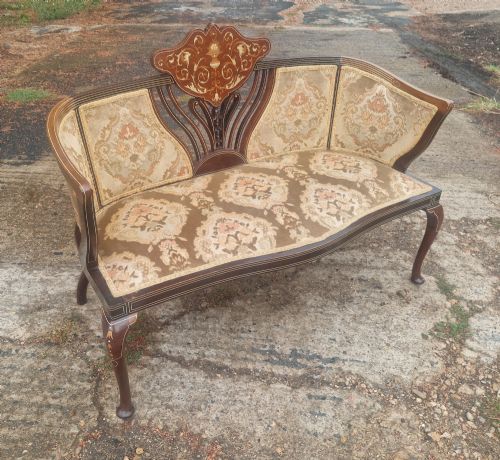
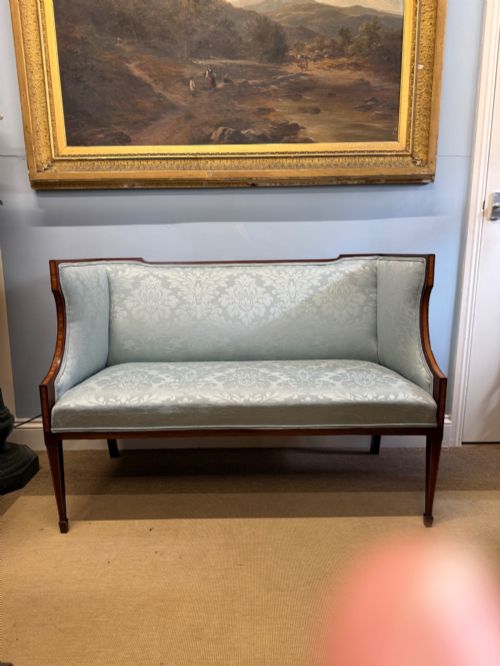
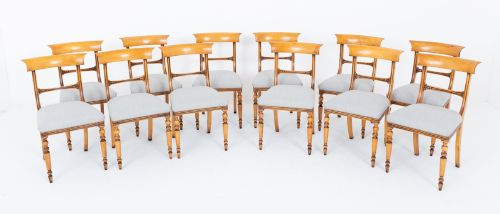
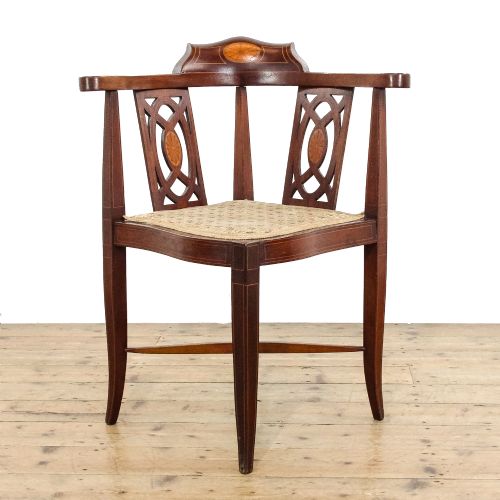
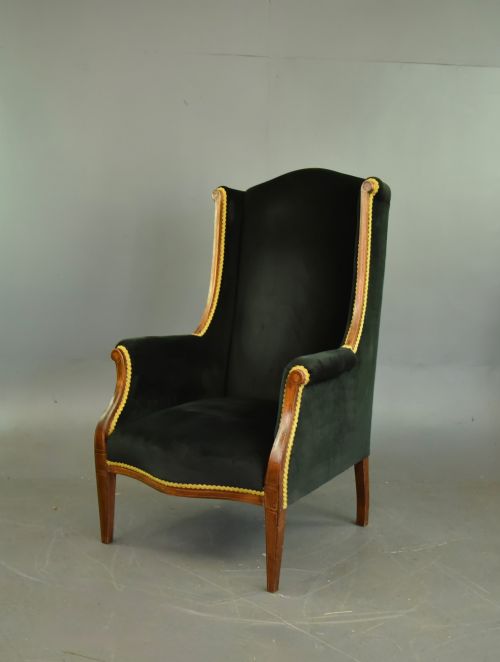
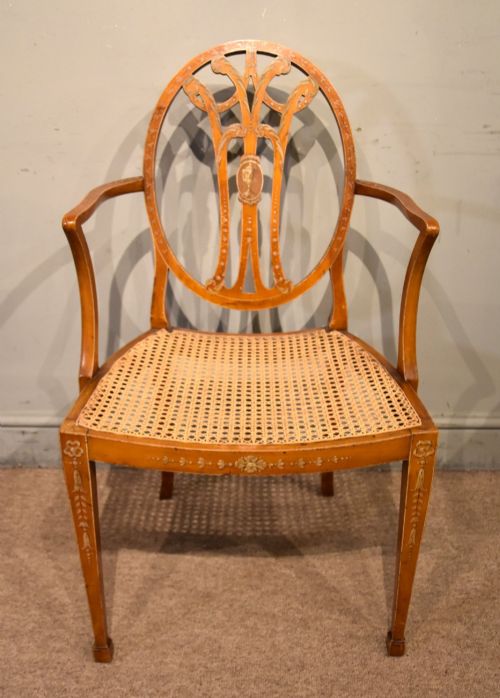
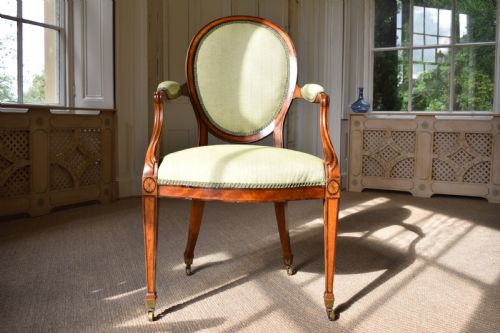
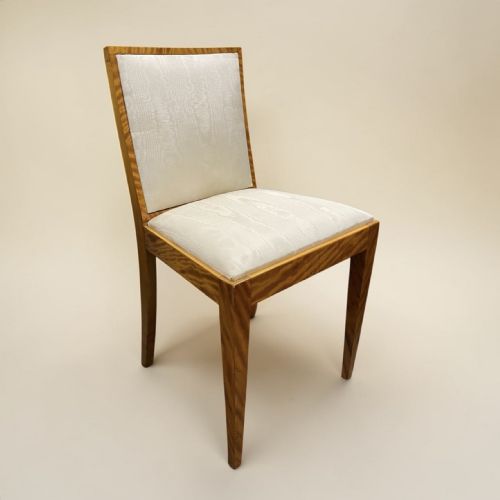
When you search for antique satinwood seating, you look at chairs, armchairs, settees and stools framed in luminous, pale timbers. The pieces on this page span from the Georgian period through the nineteenth century into Edwardian and Art Deco revivals, with Edwardian examples appearing most frequently.
The forms range from single salon chairs and piano stools to large settees and end of bed sofas. Many pieces combine satinwood with mahogany, brass, or cane, reflecting stylistic revivals including Sheraton Revival, Regency, and Biedermeier tastes.
Materials and Construction
Makers utilised solid satinwood and contrasting veneers applied to mahogany or birch frames. Surface decoration frequently involved intricate satinwood inlay, stringing, bone details, and hand-painted motifs.
Upholstery methods matched the period, utilising materials such as fabric, leather, velvet, and silk. Structural stability relied on traditional joinery combined with cane panels for seating and backs.
Some chairs arrive equipped with swivelling mechanisms, proving that nineteenth-century ship captains and desk workers took ergonomics surprisingly seriously.
Distinctions in Quality
The standard of a piece rests on the grain selection of the satinwood veneer and the crispness of any inlay or hand-painting. Finer examples display meticulous attention to detail in the cabinet work and more sophisticated proportions.
Integrity of the timber frame and the survival of original decorative surfaces elevate certain pieces above standard production chairs. Subtle variations in turning, carving, and secondary woods mark the distinction between everyday seating and superior salon pieces.
Bath Cabinet Makers·Shoolbred
The Antique Satinwood Seating Glossary
- Satinwood
- A hard, yellowish timber with a lustrous sheen, highly prized for cabinet work and decorative veneers.
- Inlay
- A technique where pieces of contrasting wood, bone, or brass are inserted into recesses to form a pattern on the surface.
- Sheraton Revival
- A late nineteenth and early twentieth century design movement drawing inspiration from the neoclassical furniture of George Sheraton.
- Biedermeier
- A Central European style from the nineteenth century focusing on utilitarian comfort and clean lines utilising domestic timbers like birch.
- Caning
- Woven rattan material used for chair seats and backs, providing a lightweight and flexible surface.
Antique Satinwood Seating: Frequently Asked Questions
How do I care for antique satinwood furniture?
Keep wooden surfaces away from direct sunlight and excessive heat to prevent the pale timber from darkening or drying out. Dust regularly with a dry cloth and apply occasional specialist wax to nourish the polish.
Avoid placing damp items or unlined planters directly onto the wood. Professional cleaning of upholstered elements ensures fabric and leather remain preserved without damaging the surrounding frame.
Where were these chairs placed originally?
These seating pieces belonged in formal drawing rooms, bedrooms, and morning rooms of period houses. Smaller chairs served specific functions like piano seating or corner placement.
Settees and end of bed sofas functioned as decorative and practical furniture in principal bedrooms. Salon chairs offered light, movable seating for entertaining guests.
Are these pieces suitable for daily use?
Most antique satinwood seating functions well for everyday domestic use provided it receives careful treatment. Lighter chairs suit occasional sitting rather than heavy daily lounging.
Upholstered pieces may have modern webbing or traditional stuffing depending on restoration history. Checking the structural joinery ensures stability for regular sitting.
How can I identify the period of a chair?
Dating relies on stylistic clues, construction methods, and timber combinations present in the frame. Edwardian pieces often display Sheraton Revival inlay and lighter mahogany frames, whereas Georgian items show heavier proportions and distinct joinery.
Revival pieces combine earlier design motifs with turn-of-the-century manufacturing techniques. Examining secondary woods and interior framing reveals clues about the exact era of production.