




Satinwood Elbow Chair
A satinwood elbow chair brings a luminous timber grain and refined joinery to any room, offering both comfortable support and timeless elegance.
Satinwood Elbow Chair
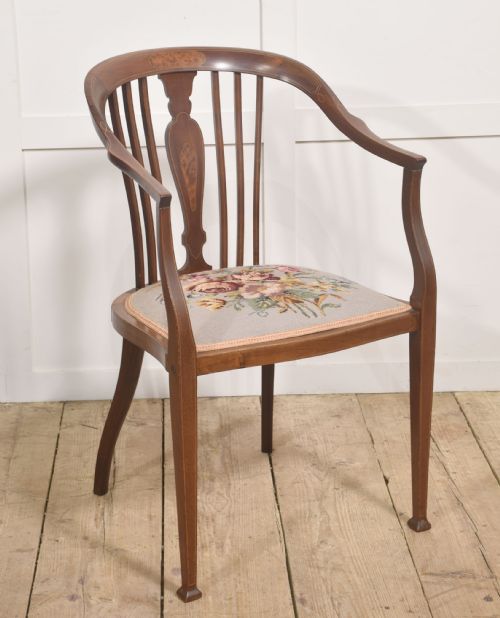
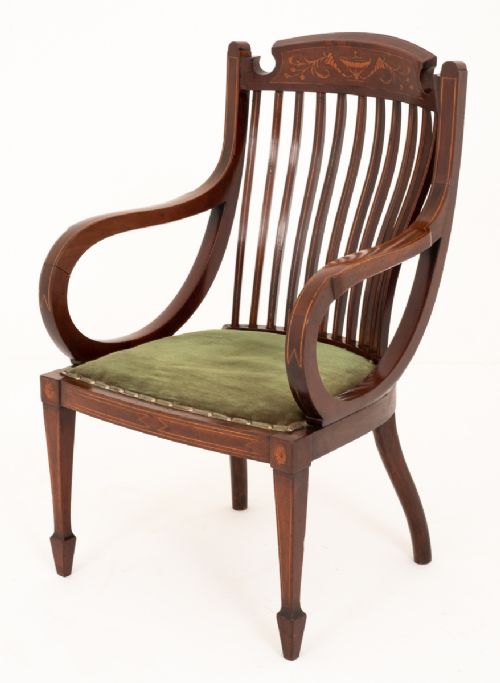
When you search for a satinwood elbow chair, you are looking at seating designed with arm supports that date from periods such as the George III era through to the Edwardian and Victorian decades. These pieces function as desk chairs, salon armchairs, and occasional seating for bedrooms or morning rooms.
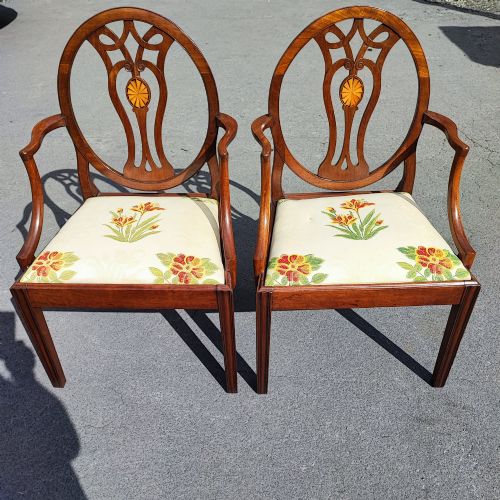
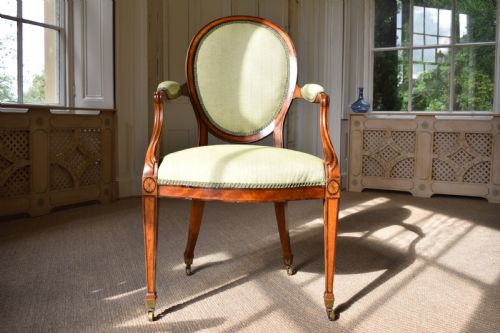
The versions you are most likely to meet on this page feature mahogany frames with satinwood inlay, alongside solid satinwood constructions. They often display revival styles including Sheraton Revival, Chinese Chippendale Revival, and Biedermeier taste.
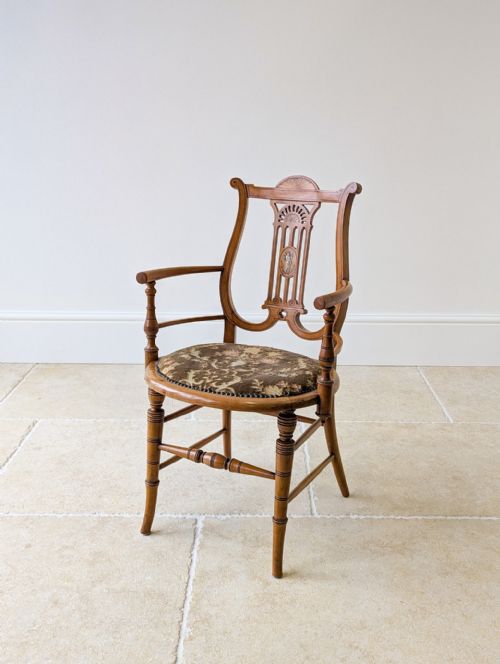
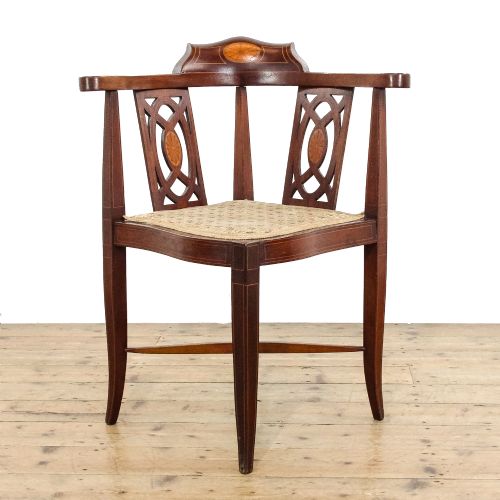
Makers and workshops utilised contrasting timbers like walnut and applied decorative painting, fabric, needlepoint tapestry, leather, or brass details. Forms range from lyre-back desk chairs to open armchairs and corner seats.
How they were made
Cabinetmakers constructed these frames using timber such as solid satinwood or mahogany enriched with satinwood inlay. Artisans shaped the arms and backs to create supportive elbow chairs.
Surface decoration involved hand painting and precise inlay techniques. Seats were upholstered in materials including fabric, leather, and needlepoint tapestry, sometimes secured with brass elements.
Some elbow chairs arrive ready for needlepoint, holding centuries of unknown stitching stories within their upholstered seats.
What varies in quality
The standard of a satinwood elbow chair depends on the crispness of its inlay and the finesse of any hand-painted details. Finer examples display meticulous timber selection and balanced proportions across the arms and back.
Construction integrity in the joinery of the elbow supports and the retention of original upholstery materials separate standard production pieces from finer workshop outputs.
Shoolbred
The Satinwood Elbow Chair Glossary
- Satinwood
- A hard, durable timber with a characteristic golden sheen and lustrous grain used for fine cabinetmaking and decorative inlay. It forms the primary visual appeal of these chairs.
- Elbow chair
- An armchair featuring lower arm supports designed to rest the elbows while sitting at a desk or table. This form appears across various 19th-century and 20th-century styles.
- Sheraton Revival
- A late 19th-century design movement inspired by the neoclassical furniture of George Sheraton, characterised by light proportions and satinwood inlay. It is a common style found in these listings.
- Lyre-back
- A chair back shaped in the symmetrical outline of a stringed musical instrument, often seen in desk chairs. This decorative feature adds classical elegance to the frame.
- Needlepoint tapestry
- Hand-stitched canvas embroidery utilised for traditional upholstery on chair seats. It provides a textured and decorative surface.
Satinwood Elbow Chair: Frequently Asked Questions
What is a satinwood elbow chair?
A satinwood elbow chair is an armchair constructed from or inlaid with lustrous satinwood timber, featuring supportive arms for seating at desks, tables, or in reception rooms.
These pieces span periods from the Georgian era through the Edwardian years and incorporate revival designs like Sheraton and Chinese Chippendale.
How do I identify a Sheraton Revival chair?
Sheraton Revival chairs typically exhibit light mahogany frames enhanced with contrasting satinwood inlay, tapered legs, and neoclassical decorative motifs.
They date primarily from the late Victorian and Edwardian periods, mimicking the earlier 18th-century forms.
Where should I place an elbow chair?
An elbow chair works well as a desk chair in a study, an occasional seat in a bedroom, or as part of a salon seating arrangement.
Their decorative inlay and painted details allow them to function both as practical seating and decorative focal points.
How do I care for satinwood furniture?
Care for satinwood involves dusting regularly with a soft, dry cloth and avoiding placement near direct sunlight or heat sources that can dry out the timber.
Maintaining stable room humidity preserves the integrity of the wood grain and any delicate inlay work.