
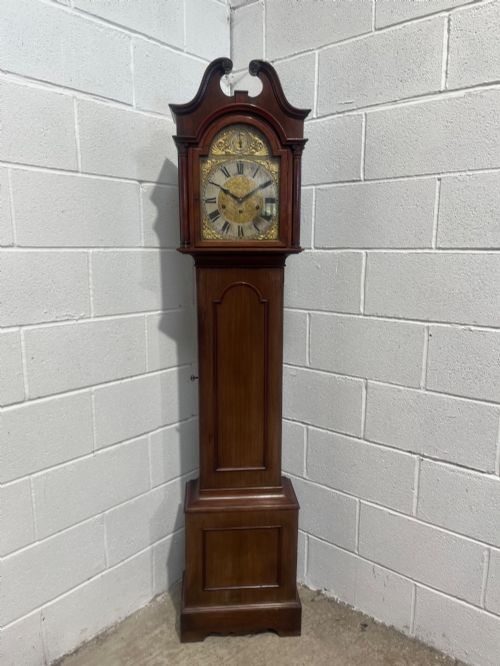
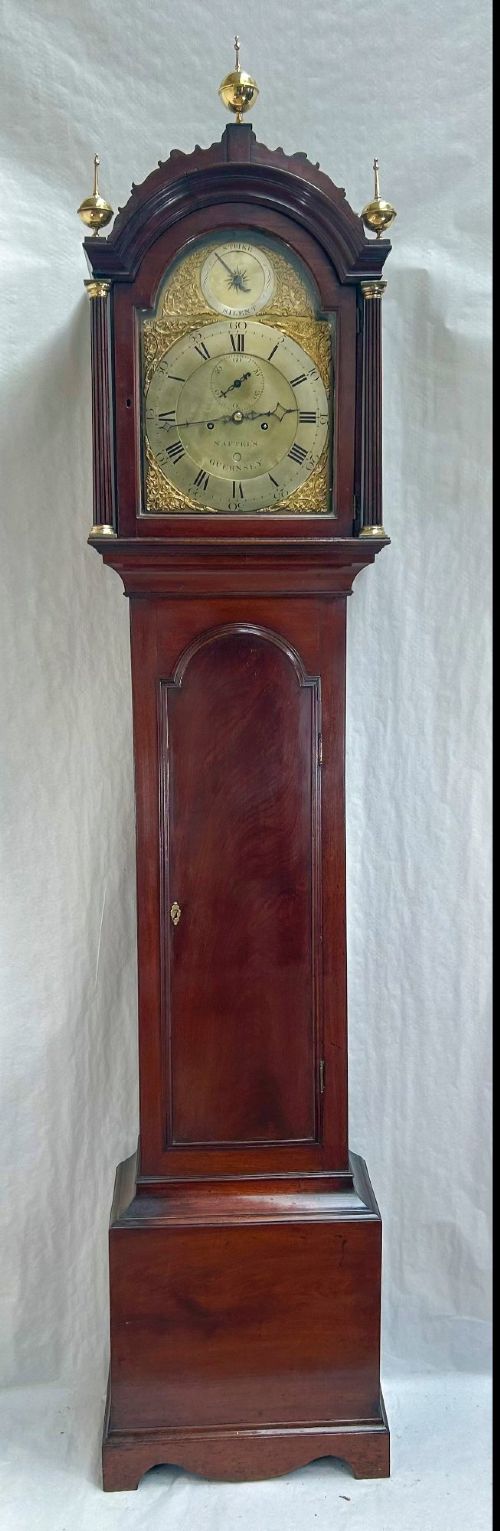
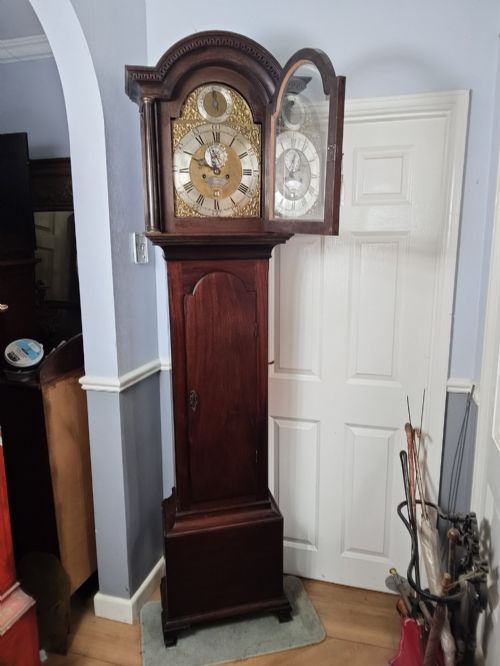
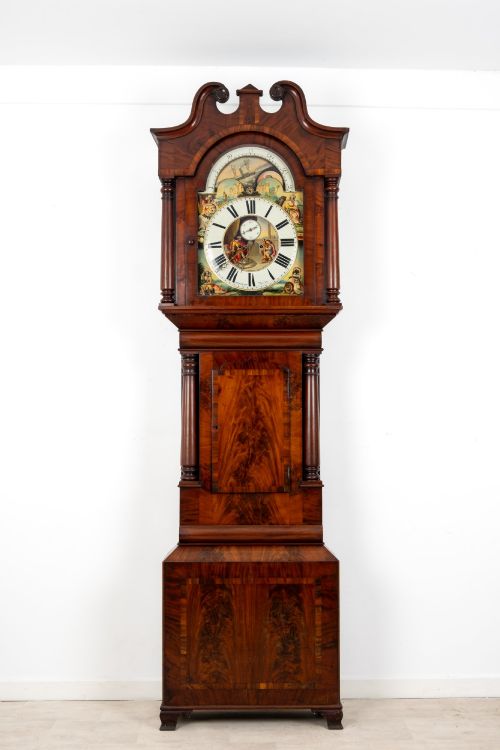
Georgian Mahogany Pendulum Clock
A georgian mahogany pendulum clock brings the steady rhythm of an eighteenth-century mechanism and rich timber into a room.
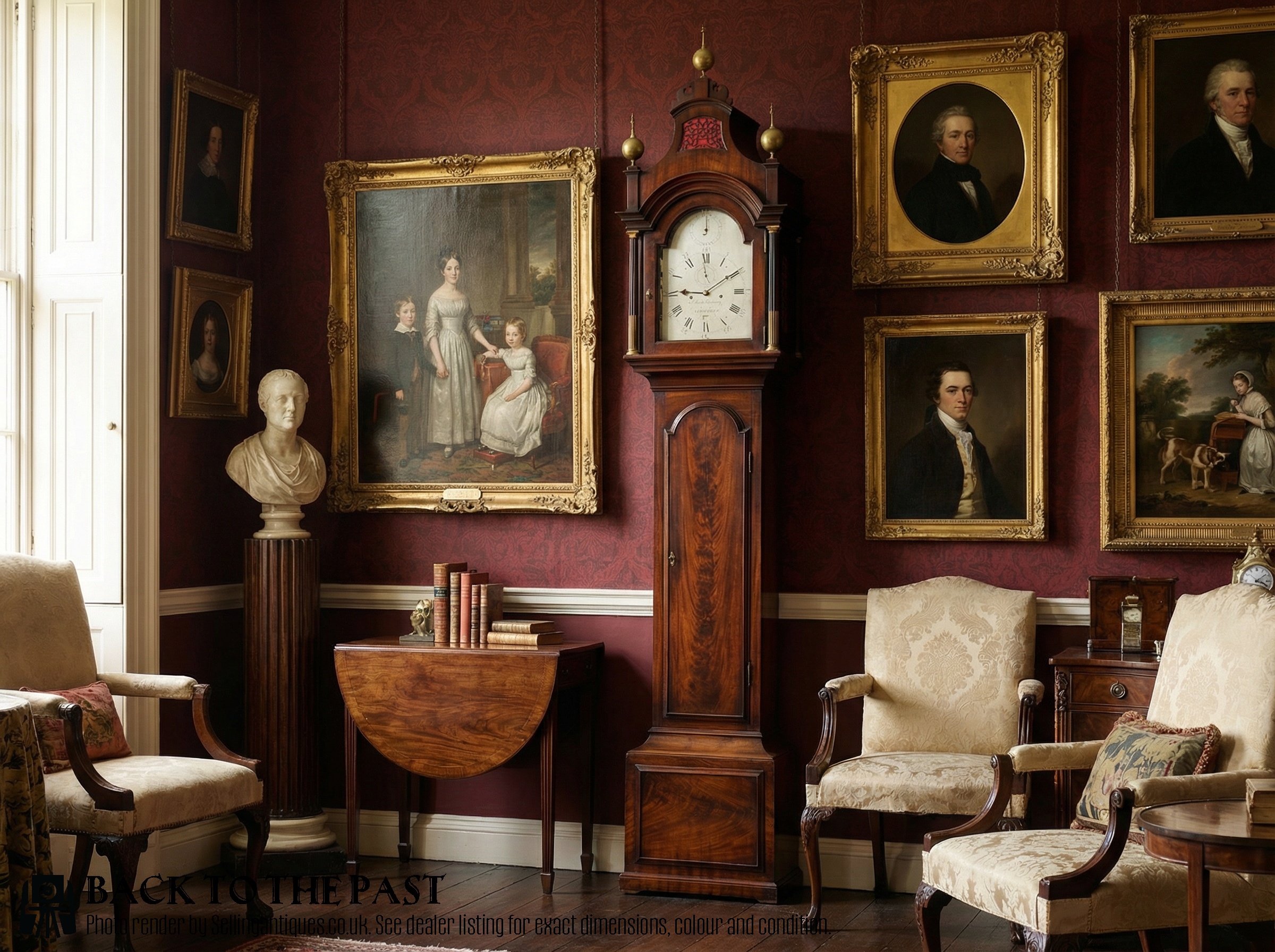
Georgian Mahogany Pendulum Clock
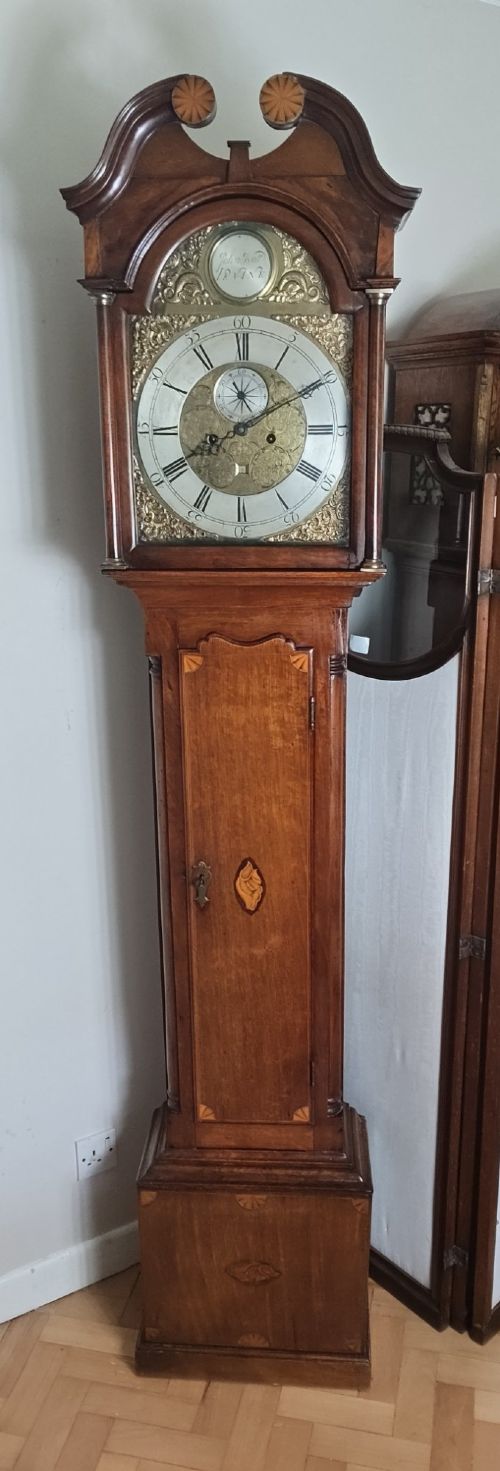
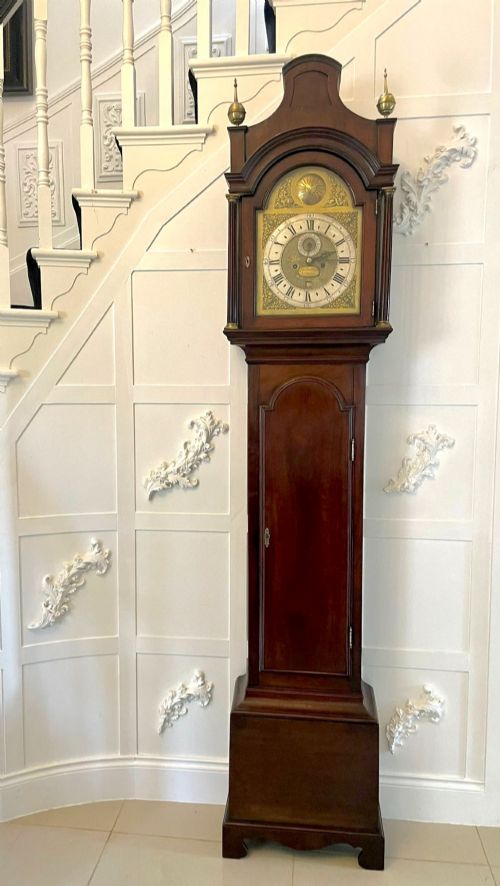
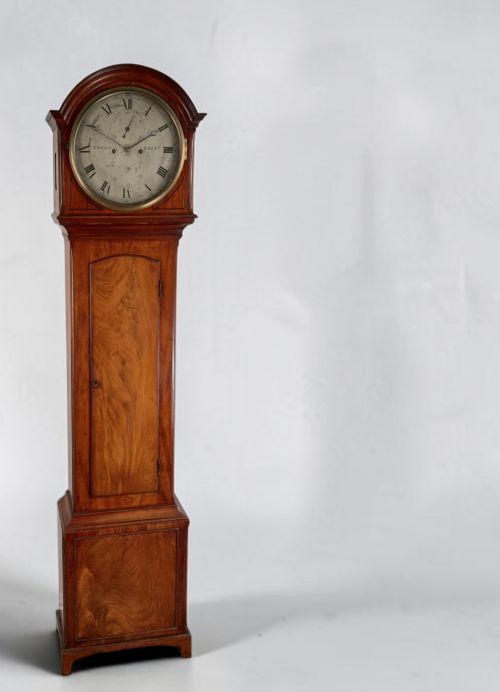
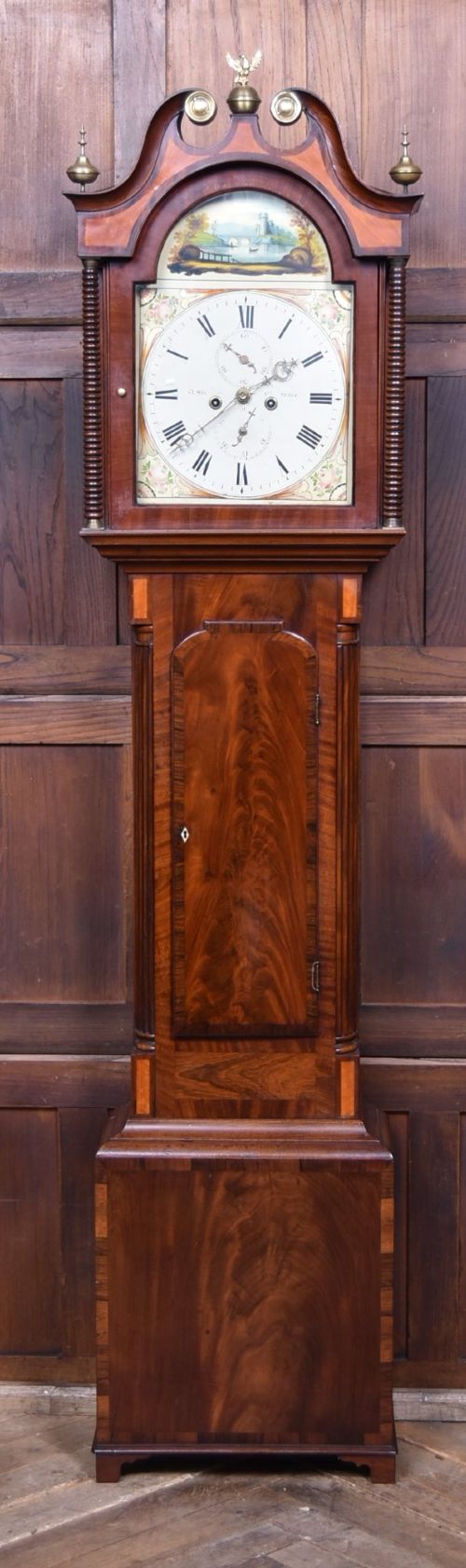
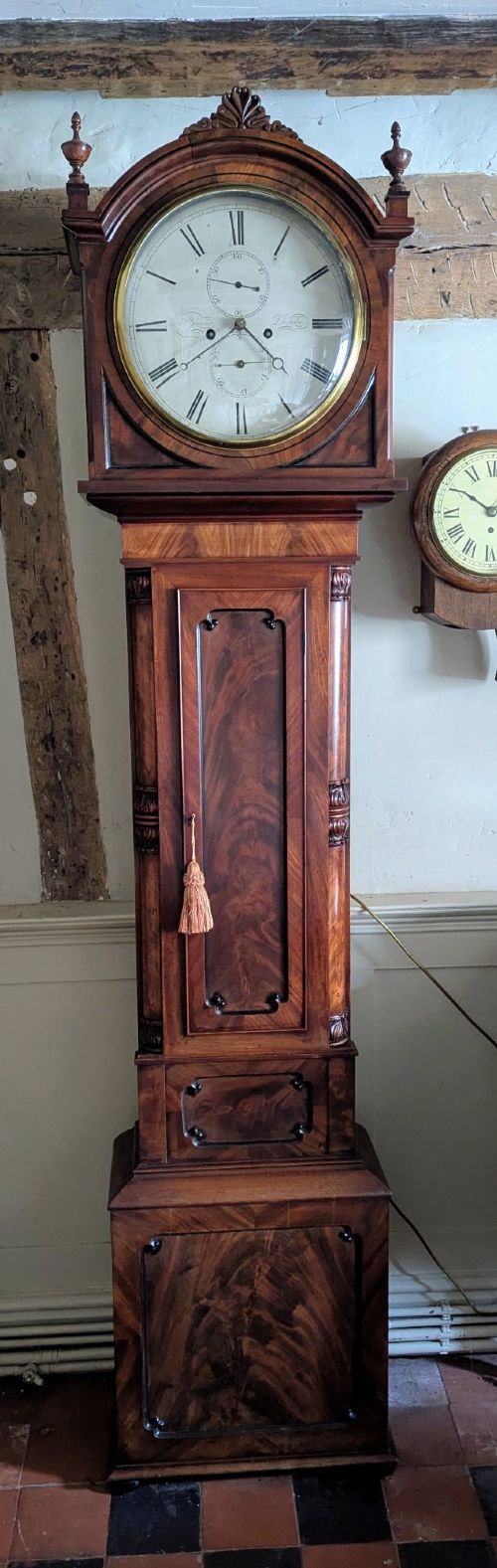
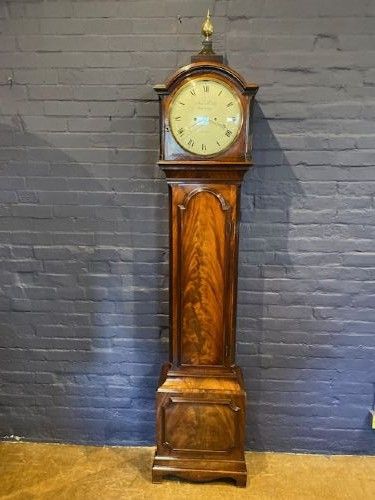
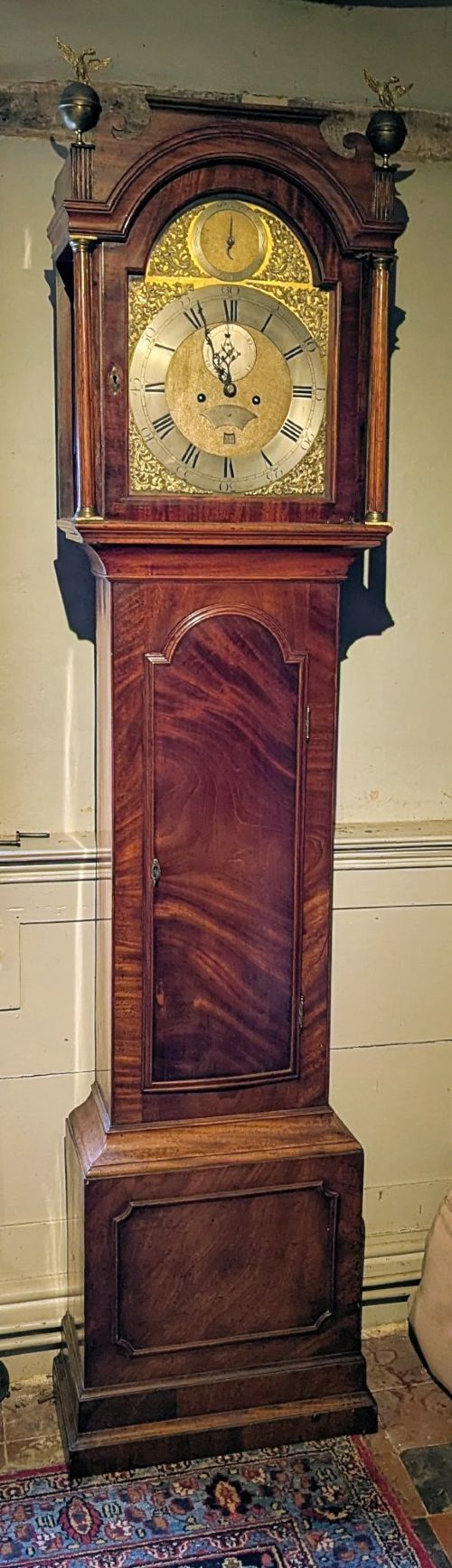
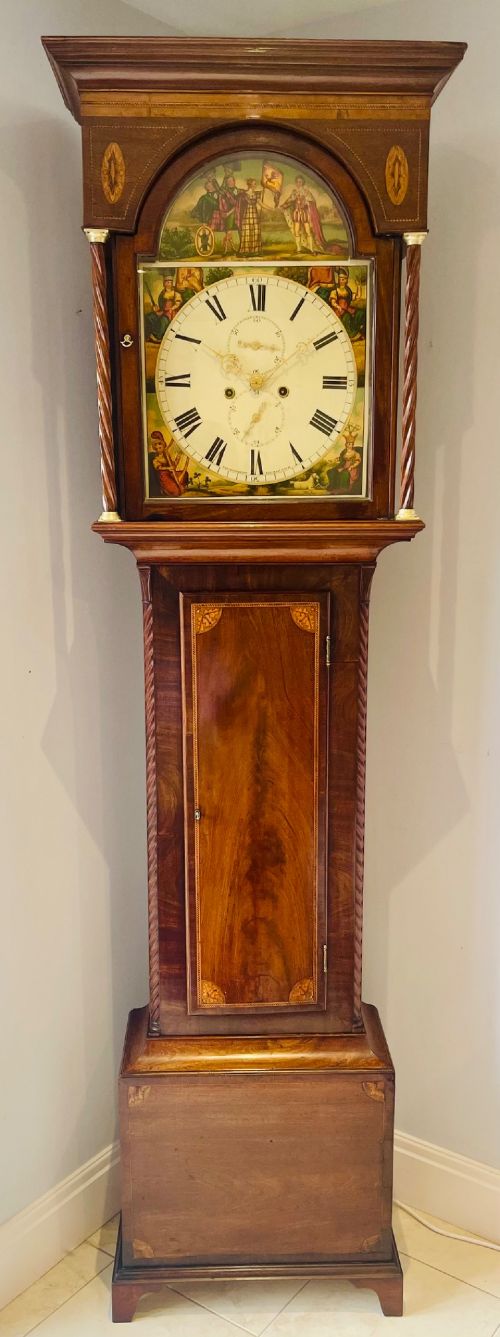
A georgian mahogany pendulum clock is primarily encountered as a tall longcase or grandfather clock, standing upright with a weighted movement driving the pendulum. These timepieces originate predominantly from the Georgian, George III, and Regency periods, alongside later nineteenth-century interpretations.
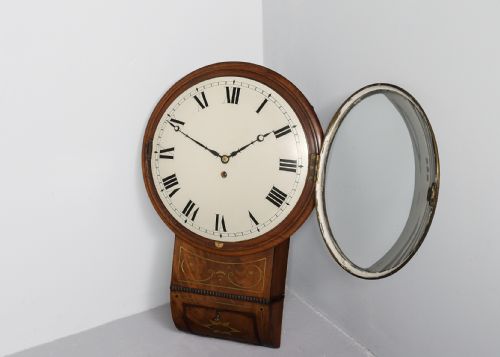
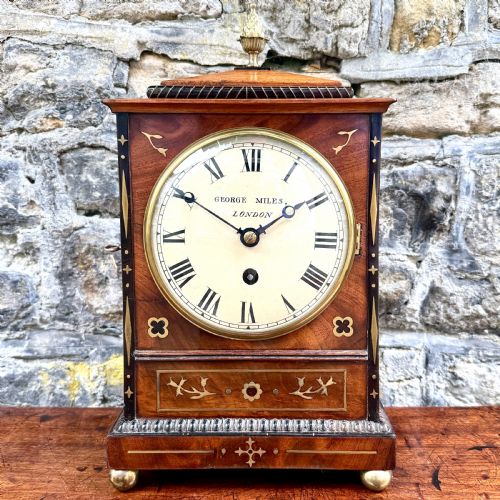
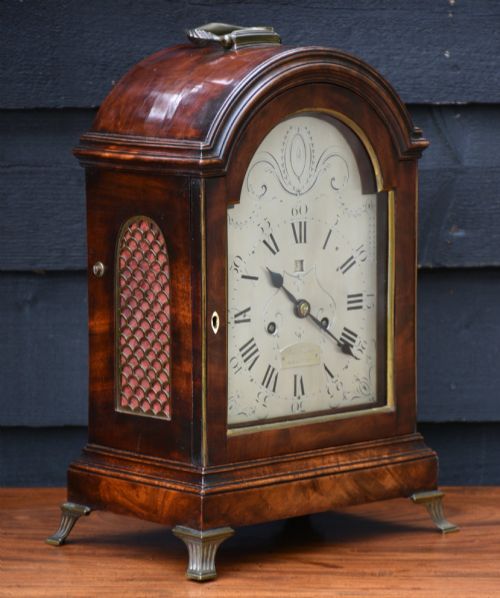
Beyond floor-standing models, the category encompasses smaller bracket clocks designed for tables or shelves, as well as wall-mounted dial clocks. Cases vary from straightforward upright timber trunks to drumhead designs and Scottish variants featuring painted iron or brass details.
How they were made
Cabinetmakers utilised solid mahogany and flame mahogany veneers over secondary timbers such as oak, building tall architectural housings with glazed doors to protect the dial. Brass and steel formed the intricate gear trains, escapements, and pendulum assemblies that powered the movement.
Dials combined engraved brass or painted iron plates with steel hands, occasionally incorporating brass inlays, moon rollers, and strike-silent mechanisms. Regional makers assembled these movements by hand, matching precise mechanical gear ratios to long swinging pendulums.
Some Scottish dials quietly track the moon across painted skies while the pendulum ticks below.
What varies in quality
The distinction between ordinary and superior pieces rests on the crispness of the cabinetwork and the reputation of the dial's signatory. Clocks signed by noted London or provincial makers command greater interest than unsigned domestic examples.
Movement complexity further defines the tier, with eight-day durations, moon phases, and strike-silent options representing more accomplished engineering than basic thirty-hour weights. The preservation of original surfaces, brass work, and clean dial painting determines the standing of an individual clock.
Charles Shuckburgh·Green of Edinburgh·D. Straiton·James McCabe·Parkinson Bros·Benjamin Taylor·George Hallifax·Henry Weedon·Edward Shepley·Joseph Bird
The Georgian Mahogany Pendulum Clock Glossary
- Longcase clock
- A tall floor-standing timepiece enclosing a swinging pendulum and weights, commonly known as a grandfather clock.
- Fusee
- A conical pulley used in clock movements to maintain an even pull on the gear train as the driving spring unwinds.
- Bracket clock
- A portable table or shelf clock, historically designed to sit on a wall bracket.
- Moon roller
- A secondary dial mechanism displaying the phases of the lunar cycle alongside the standard time.
- Pendulum
- A suspended weight that swings back and forth to regulate the speed of a clock movement.
Georgian Mahogany Pendulum Clock: Frequently Asked Questions
How do I wind a longcase clock?
Winding requires raising the internal weights using a crank key inserted into the winding holes on the dial face. Care must be taken not to over-wind the mechanism or pull the chains too abruptly.
Most eight-day movements need attention once a week, while thirty-hour versions require daily winding. Keeping a consistent schedule helps maintain steady timekeeping.
Where should I place a tall clock?
Position the piece against a sturdy interior wall away from direct sunlight, central heating vents, and damp exterior surfaces. Fluctuating temperatures and humidity can warp mahogany timber and affect the timber case.
The floor beneath must be level to ensure the pendulum swings freely without catching on the interior sides of the trunk.
How can I tell a Georgian clock from a later copy?
Examine the construction of the timber case, the mounting of the movement inside the hood, and the hand-cut engraving on the brass dial plate. Eighteenth-century examples display traditional joinery and hand-finished brass components rather than mass-produced industrial parts.
Signatures on the dial often correspond to recorded provincial or London clockmakers from the period.