


Antique Wooden Weight Clock
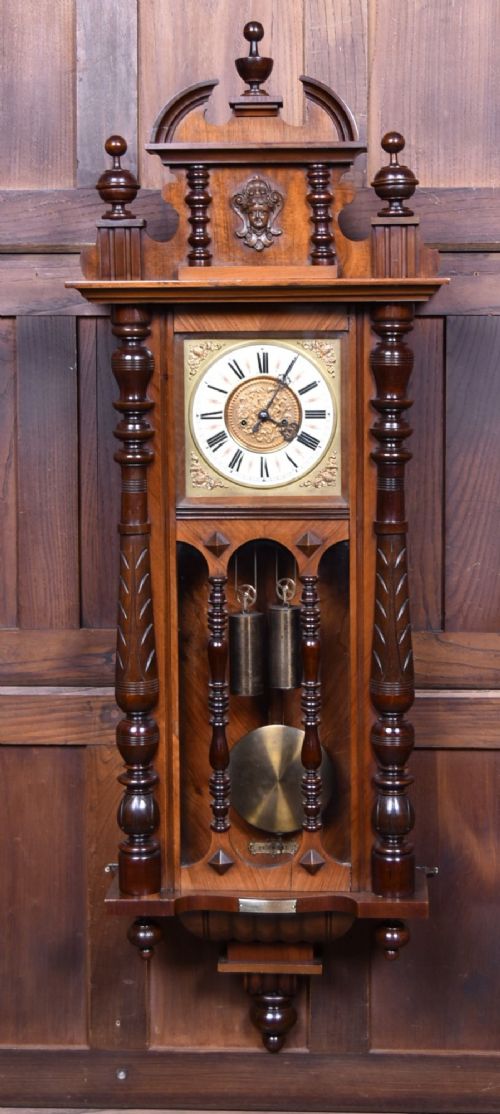
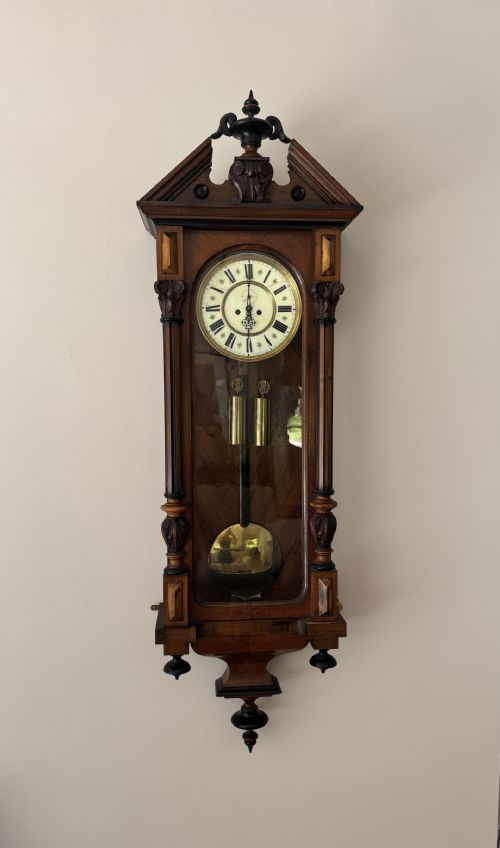
These antique wooden weight clock examples combine time-tested mechanical movement with rich timber cases, spanning wall hung and tall floor standing formats.
Antique Wooden Weight Clock
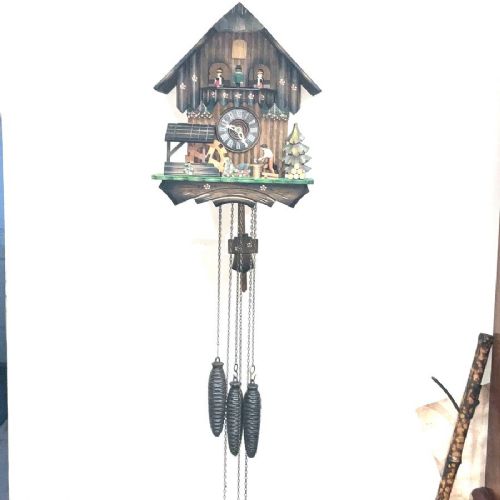
When you search for an antique wooden weight clock, you enter a diverse category ranging from tall floor standing longcase models to compact wall hung regulators. The selection runs from eighteenth century Georgian pieces to Victorian walnut Vienna wall clocks and smaller twentieth century musical formats.
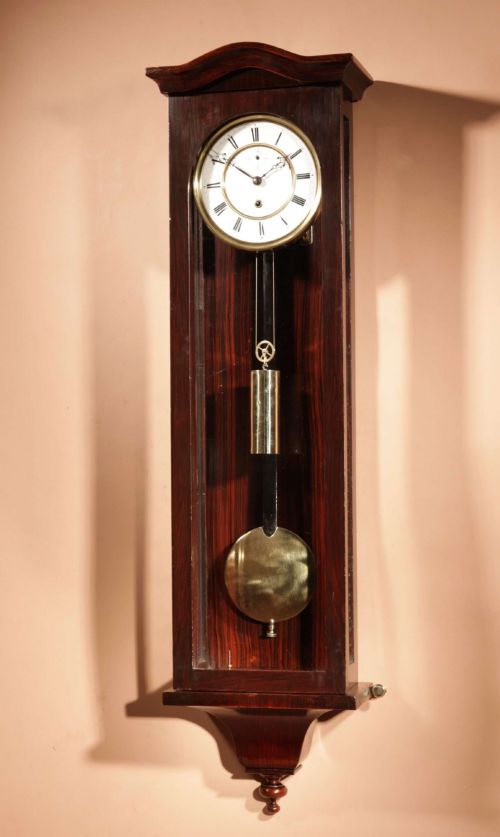
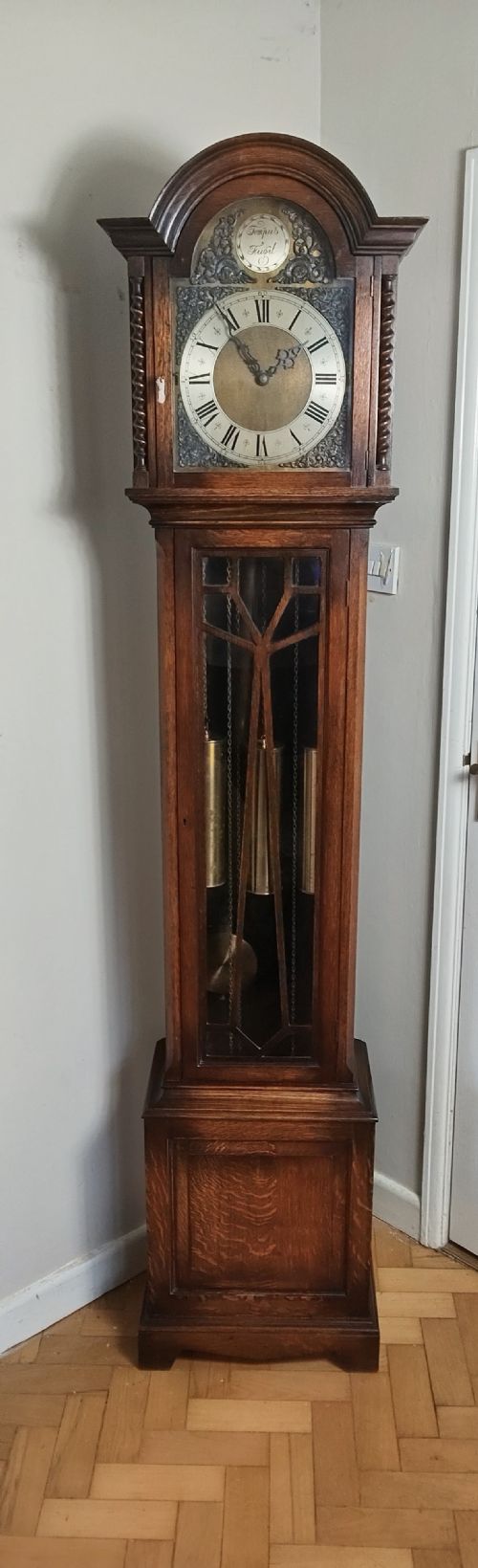
You will encounter wall hanging Vienna regulators and hooded clocks alongside grand mahogany and oak grandfather or grandmother clocks. These timepieces rely on suspended weights rather than springs to drive their mechanisms, reflecting traditional clockmaking methods across several European regions.
Materials and construction
The cabinetry relies heavily on timbers such as mahogany, oak, walnut and burr walnut, often shaped into architectural cases, arched dials or pagoda tops. Glass panels protect the dial face and pendulum swing, while brass components form the intricate internal gear trains and decorative weights.
Enamel and metal dials provide contrasting surfaces for the chapter rings, housed within hand-carved or veneered wooden structures. Cabinetmakers and horologists joined these elements to create weight driven movements requiring sturdy wooden housings to support the hanging loads.
Evaluating craftsmanship and build
Quality reveals itself in the crispness of the wood carving, the choice of figured veneers like burr walnut, and the precision of the brass movement. Finer examples display harmonious proportions, sophisticated strike trains such as Grande Sonnerie, and well-preserved timber patination.
Simpler regional pieces offer rustic charm through solid oak or painted Dutch folk art styles, whereas high-end Vienna regulators or London longcase clocks exhibit superior joinery and refined acoustic chiming systems.
Henry Deykin Worcester·Wm Stanford·George Buckmaster Royston·Rob Pwllheli·Anthony Marsh London·Gustav Becker·J Hummel Worcester·Wenham Son Dereham·JJ Elliot
The Antique Wooden Weight Clock Glossary
- Vienna Regulator
- A precision wall clock originating in nineteenth-century Austria, known for its accurate movement and glass-paneled case. These pieces typically house deadbeat escapements and heavy brass weights.
- Longcase Clock
- A tall floor-standing timekeeper, often called a grandfather clock, enclosed in a wooden case with a pendulum and suspended weights. They appeared in various regional British and continental styles.
- Grandmother Clock
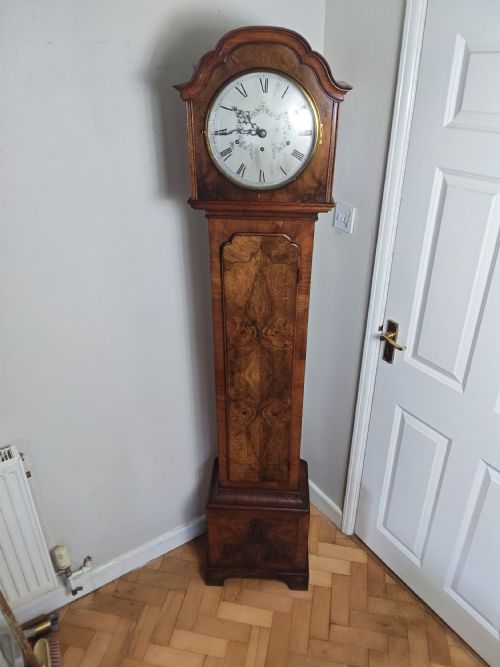
- A smaller, scaled-down version of the longcase clock, usually produced during the twentieth century. They fit more easily into modern ceiling heights while retaining weight-driven mechanical movements.
- Hooded Wall Clock
- An earlier wall-mounted timekeeper featuring a protective wooden canopy or hood over the dial and movement. Weights hang exposed beneath the case to drive the mechanism.
- Grande Sonnerie
- A complex striking mechanism that chimes the hours and quarters on every quarter-hour. It represents a high standard of horological engineering in regulator clocks.
Antique Wooden Weight Clock: Frequently Asked Questions
How do weight-driven clocks work?
These movements rely on gravity pulling down metal weights suspended by cords or chains to power the gear train. As the weights descend, they turn the drums that operate the escapement and hands.
Owners must periodically wind the clock by pulling the chains or using a key to draw the weights back up to the top of the case.
Where should I place a longcase clock?
Longcase clocks require a stable, dry interior wall away from direct sunlight and sudden temperature fluctuations. Placing them on a solid floor ensures the pendulum swings evenly without interference.
Because of their height, secure the upper case to the wall using appropriate fixings to prevent accidental tipping.
What is the difference between a grandfather and grandmother clock?
Grandfather clocks are traditional tall floor-standing timepieces, usually exceeding six feet in height, built to house long pendulums and heavy weights. Grandmother clocks are significantly shorter versions produced later in the tradition.
Both utilise weight-driven mechanisms, but the smaller scale of grandmother clocks suits rooms with restricted vertical space.
How do I identify a Vienna regulator?
Vienna regulators feature long glass doors designed to showcase the swinging pendulum and suspended brass weights. Their dials are typically clean and enamel-faced, housed in refined walnut or mahogany wall cases.
These clocks originated in nineteenth-century Austria and focus heavily on precision timekeeping and architectural symmetry.