
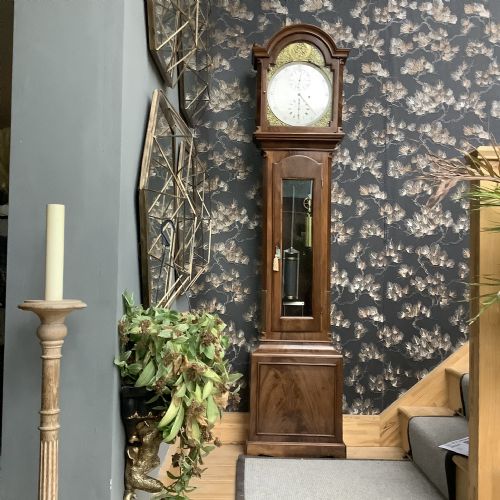


Antique Horology Pendulum Clock
These antique horology pendulum clock examples combine mechanical precision with regional cabinet-making, offering lasting value for domestic interiors.
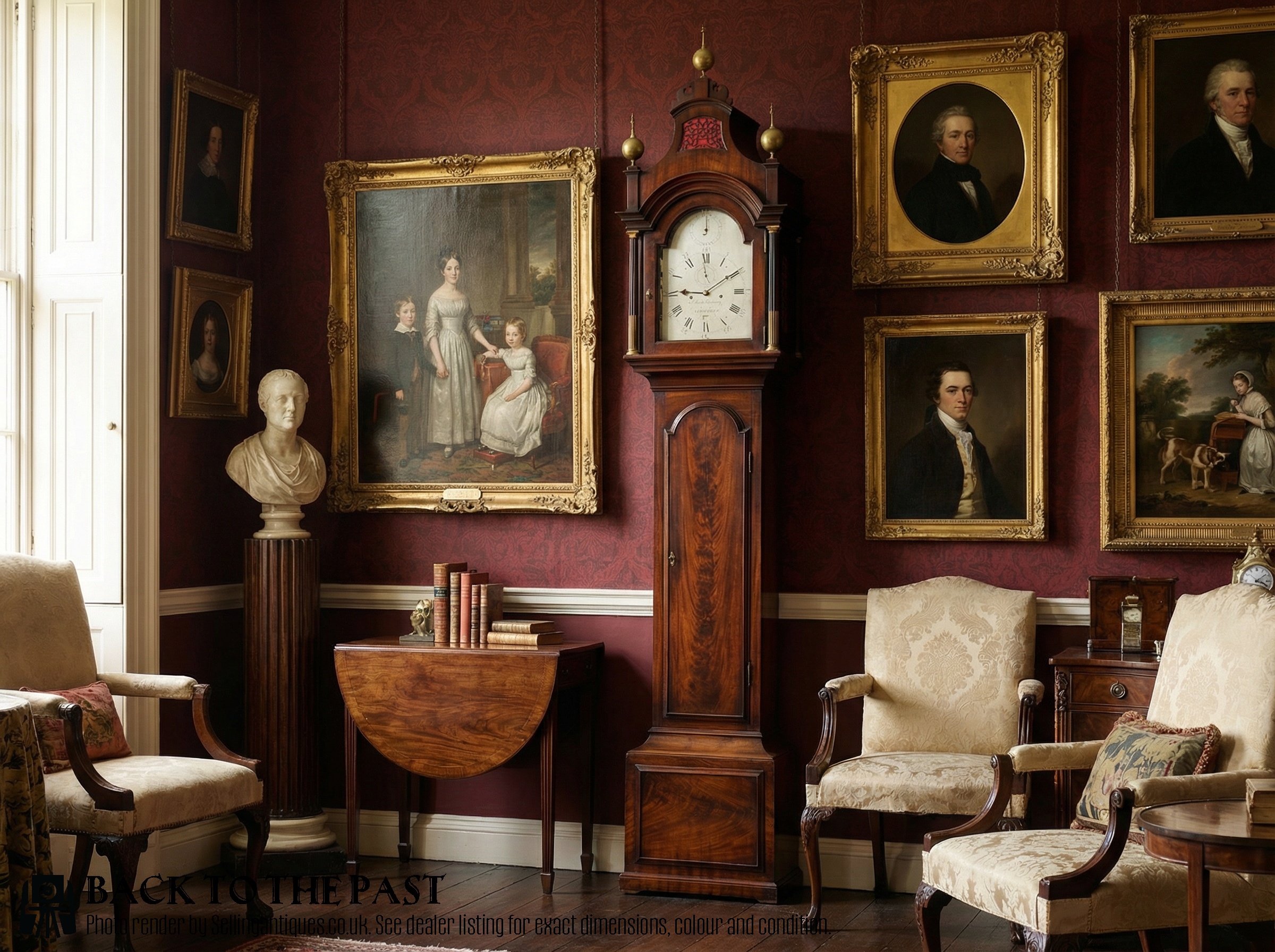
Antique Horology Pendulum Clock
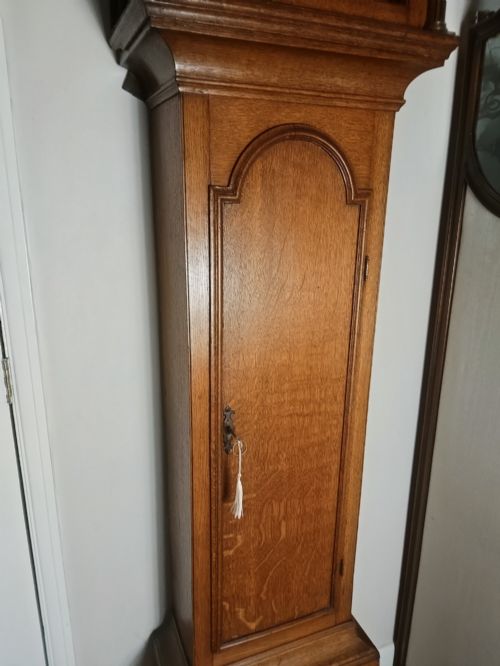
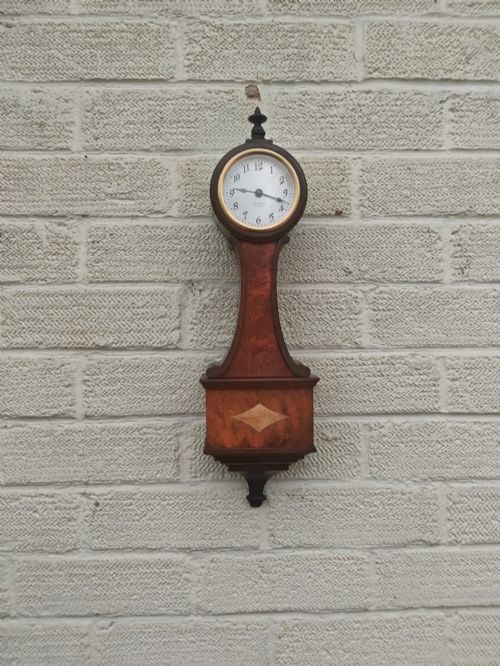
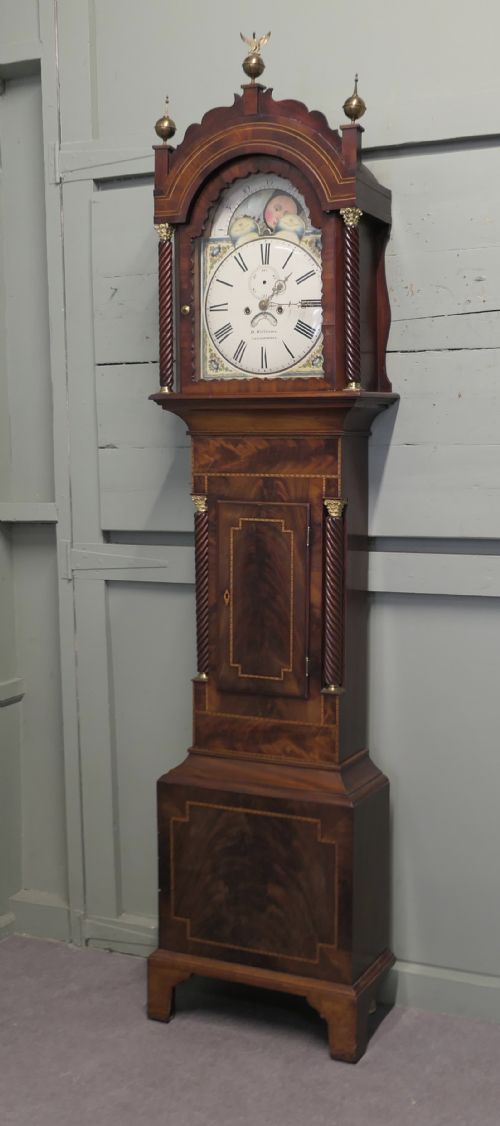
When you search for an antique horology pendulum clock, you encounter a diverse range of domestic timepieces spanning multiple centuries. The selection encompasses tall longcase clocks housed in oak or mahogany, alongside wall-mounted dials and decorative mantel pieces.
British and continental workshops dominate the available inventory, featuring regional English longcase makers as well as ornate French and Austrian models. These pieces served practical household functions while demonstrating the prevailing design tastes of their respective periods.
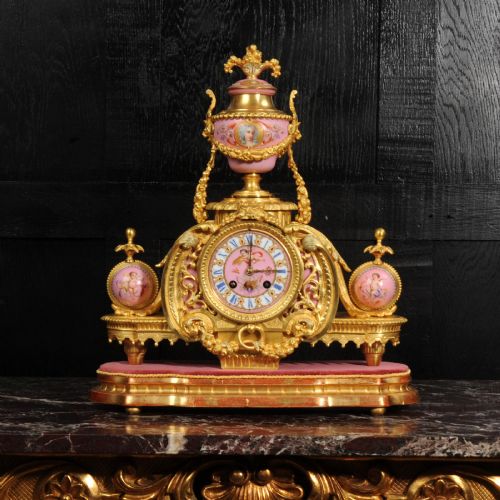
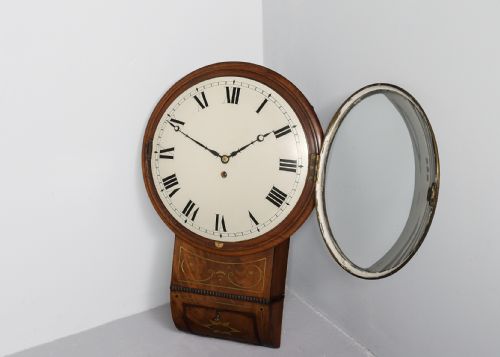
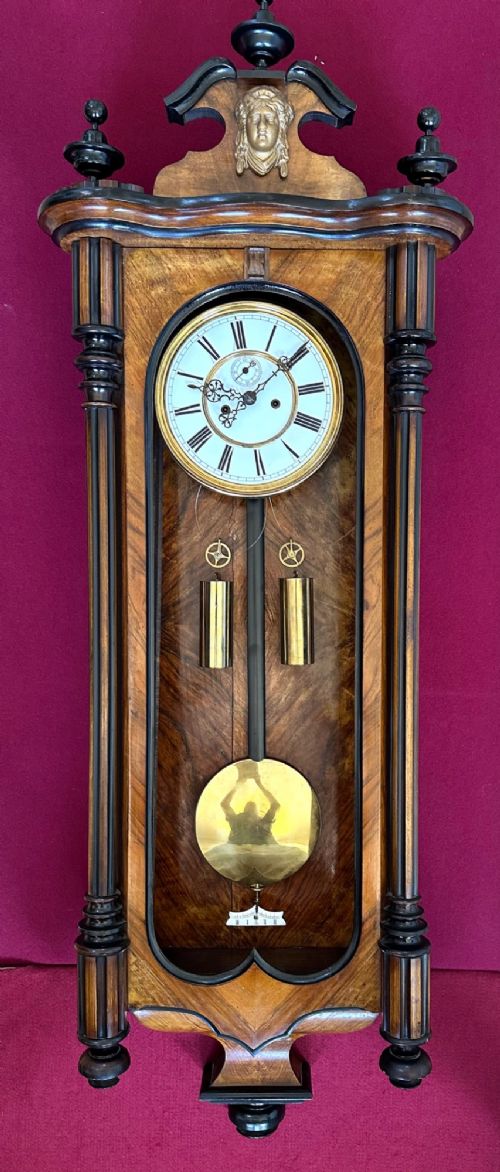
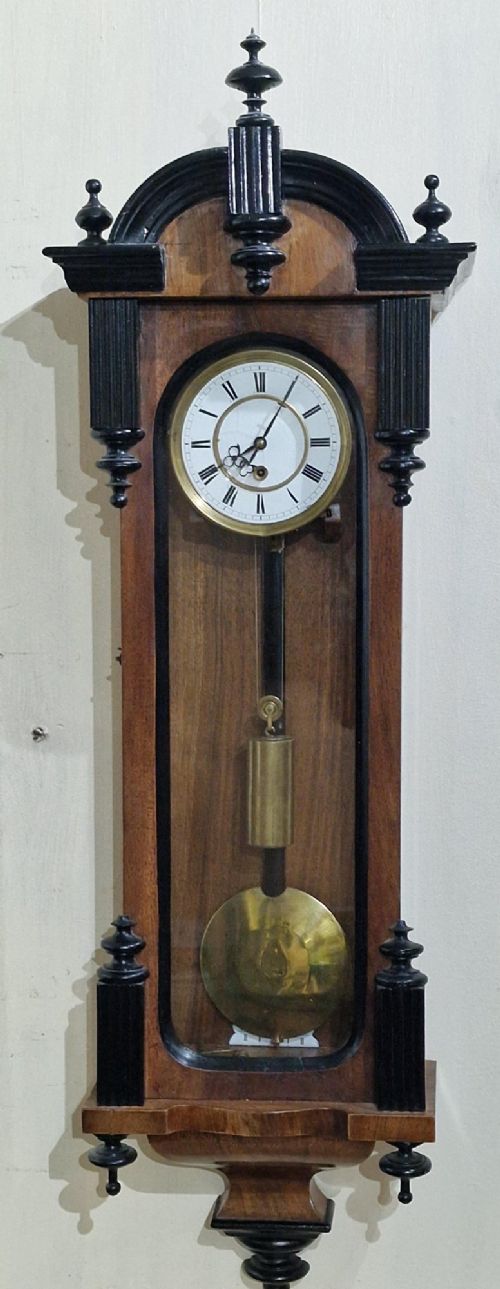
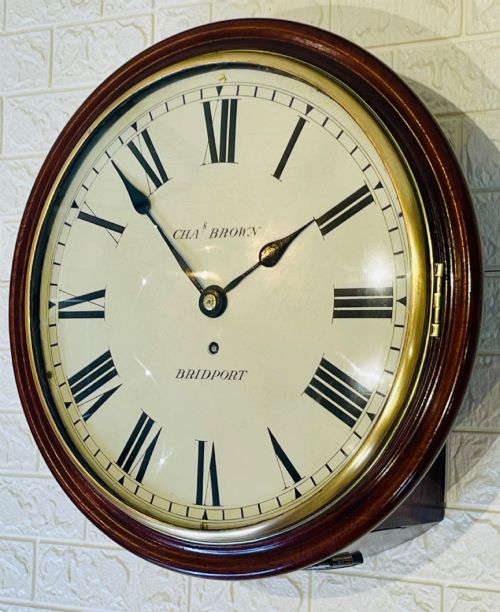
The assortment includes specialised variants such as railway drop-dial clocks, Vienna regulators, and delicate porcelain-mounted mantel clocks. Each form reflects the specific horological requirements and interior aesthetics of the eras that produced them.
Materials and Construction
Cabinet-makers utilised dense cabinet timbers like mahogany, oak, walnut, and rosewood to construct robust wooden cases that housed delicate brass movements. Inlaid brass, marquetry, and carved detailing frequently ornamented the exterior housings of better workshops.
Continental pieces often incorporated cast or chased ormolu, gilt bronze, marble, and Sèvres porcelain to achieve elaborate Rococo or Empire aesthetic effects. Enamel dials with painted numerals provided clear legibility for the ticking mechanisms driven by weights or springs.
The inventory includes wall clocks, longcase clocks, and decorative mantel clocks utilising French, Austrian, and English designs.
Evaluating Execution
The refinement of the movement and the crispness of the case carving separate standard production pieces from exceptional horological examples. Master clockmakers integrated complex complications like strike-silent functions or fusee movements to ensure steady, reliable timekeeping.
Case construction integrity and the preservation of original mounts, dials, and timber patination dictate the desirability of an antique horology pendulum clock. Harmonious proportions between the dial, hands, and surrounding housing indicate thoughtful design execution by skilled makers.
Achille Brocot·Seth Thomas·Henry Weedon·Le Roy·John Walker·David Craig·Thomas A·Henry Deykin·Johann Baptist Beha·Whitelaw·Pons de Paul·Richard Prew
The Antique Horology Pendulum Clock Glossary
- Fusee
- A conical pulley used in clock movements to maintain an even pull on the gear train as the mainspring unwinds. This mechanism improves timekeeping accuracy across the power reserve cycle.
- Longcase clock
- A tall freestanding weight-driven timepiece featuring a pendulum enclosed in a wooden trunk, commonly known as a grandfather clock. These housing cases provide adequate vertical drop for long cords.
- Ormolu
- Gilded bronze mounts applied to the exterior cases of decorative mantel clocks, particularly French production. The technique involves coating base metal with a mercury-gold amalgam.
- Vienna regulator
- A precision wall clock developed in Austria featuring a long pendulum and clear glass side panels to display the internal weight-driven movement. These pieces gained renown for their exceptional timekeeping precision.
Antique Horology Pendulum Clock: Frequently Asked Questions
How do fusee movements work?
A fusee movement utilises a conical pulley connected to the mainspring via a cord or chain. As the spring loses tension, the cord rides higher on the wider part of the cone to equalize torque.
This clever mechanical adjustment ensures that the pendulum receives consistent power throughout the running cycle, resulting in superior timekeeping accuracy.
Where should I place a longcase clock?
Longcase clocks require stable interior locations away from direct sunlight, heating vents, and damp exterior walls. Placing them on solid, level flooring prevents cabinet distortion and ensures the pendulum swings evenly.
Securing tall cases to the wall using discreet brackets protects the mechanism from accidental knocks while maintaining proper alignment for the beat.
How do I identify a Vienna regulator?
Vienna regulators feature elongated wooden cases with glass side panels designed to showcase the intricate brass movement and hanging weights. Their dials are typically clean enamel with delicate indicator hands.
These wall-mounted timepieces originated in Austrian workshops during the nineteenth century and prioritised mechanical precision alongside refined aesthetic presentation.
What maintenance do antique clocks need?
Antique clocks benefit from professional cleaning and lubrication every few years to prevent wear on the delicate brass gears and pivots. Regular winding using the correct key ensures the driving weights or springs operate smoothly.
Keeping the pendulum properly adjusted to the correct beat maintains accurate timekeeping and reduces unnecessary friction within the mechanical train.