



Georgian Mahogany Lowboy Desk
These pieces of a georgian mahogany lowboy desk span the eighteenth and nineteenth centuries, offering compact utility and fine timber.
Georgian Mahogany Lowboy Desk
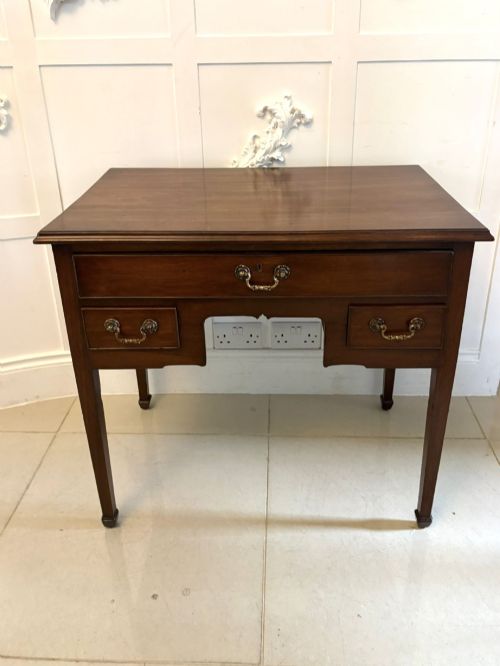
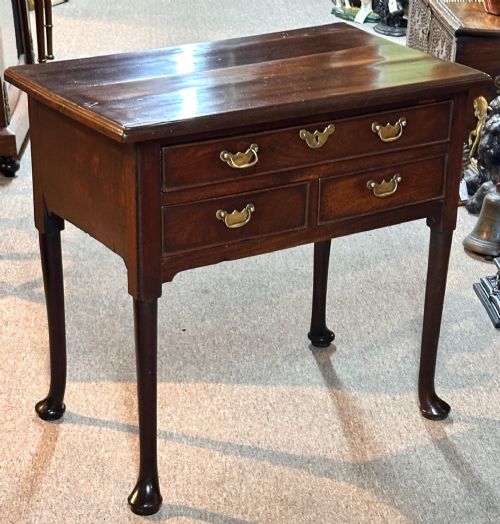
A georgian mahogany lowboy desk typically appears as a compact side table with drawer storage, serving multiple functions in domestic spaces. The listings demonstrate forms originating in the Georgian, George II, and George III periods, alongside later nineteenth century interpretations.
Buyers encounter objects catalogued variously as lowboys, side tables, hall tables, and writing desks. These pieces bridge the gap between formal writing furniture and auxiliary tables, often sharing dimensions that suit smaller reception rooms or hallways.
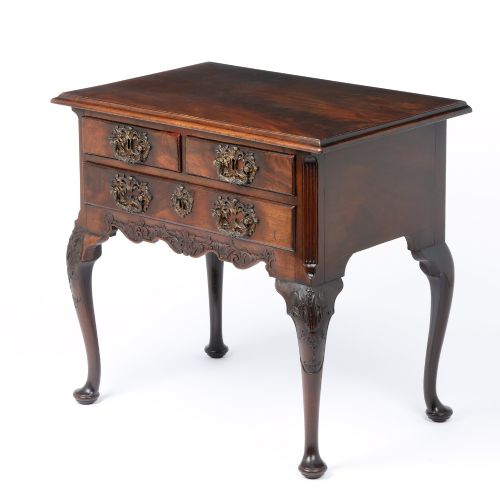
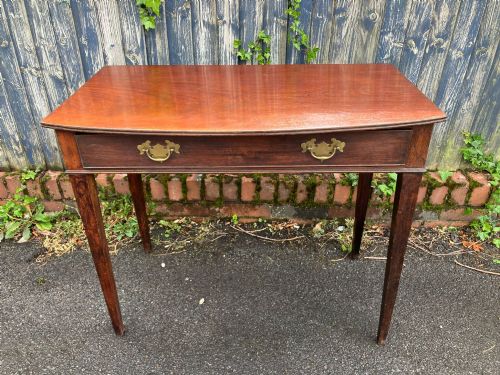
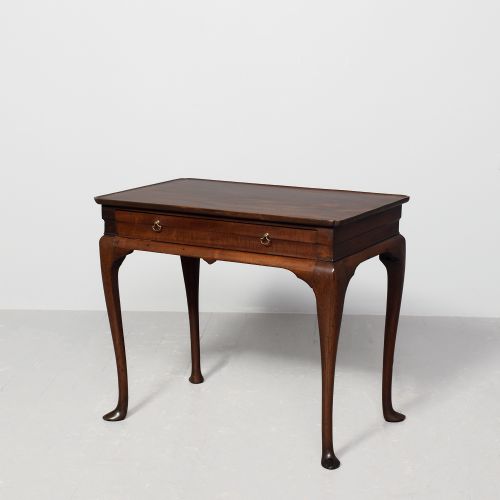
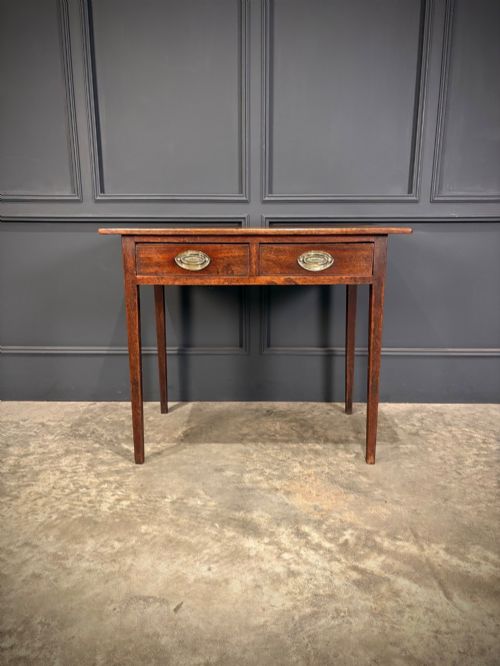
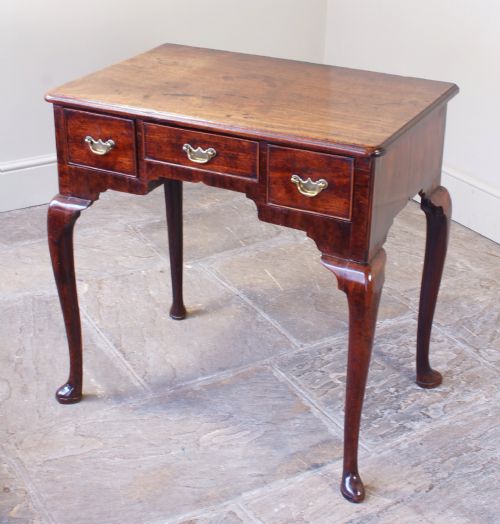
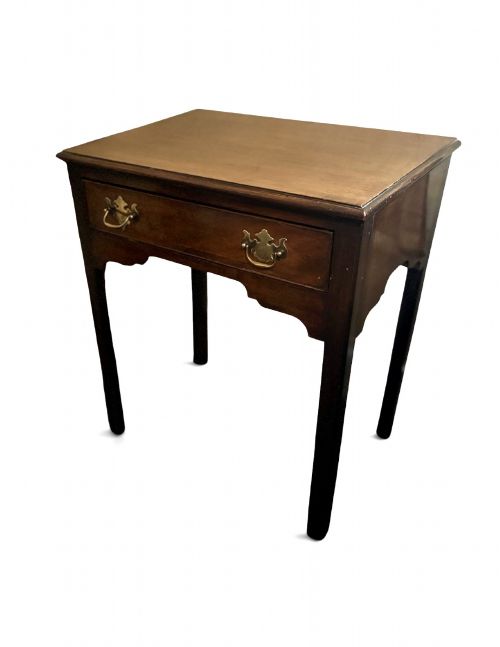
Examples range from mid eighteenth century items with cabriole legs to bow front designs and later nineteenth century reproductions. The common thread across these objects is the use of mahogany timber within an eighteenth or nineteenth century aesthetic.
What varies in quality
The degree of figuring in the mahogany timber determines much of the visual appeal, with highly figured grain commanding greater attention. Plain timber surfaces present a more utilitarian character, whereas polished figured grain reflects light and depth.
Proportion and leg form dictate the elegance of the piece, particularly where cabriole legs or fine tapering supports meet the apron. Subtle carving details and crisp inlay work separate standard provincial pieces from finely finished urban examples.
The integrity of the original brass hardware and the neatness of drawer construction reveal the care taken during initial production. Alterations to hardware or surfaces over the centuries influence how closely an item matches its period origins.
Several pieces blur the line between a table and a desk, proving that eighteenth century correspondence involved nothing larger than a sheet of parchment and a very small inkwell.
The Georgian Mahogany Lowboy Desk Glossary
- Lowboy
- A small table with drawers, typically standing on four legs, used historically as a dressing or writing table. This form provides low profile storage within domestic rooms.
- Mahogany
- A durable tropical hardwood known for a reddish brown colour and fine grain, widely utilised by eighteenth century cabinet makers. It takes a high polish and resists warping.
- Cabriole leg
- A furniture leg that curves out and then in, resembling the leg of an animal, common in mid eighteenth century design. This style often terminates in pad or ball and claw feet.
- Inlay
- A technique of inserting pieces of contrasting wood, such as boxwood, into depressions in the base material to form decorative patterns. It creates surface detail without altering the profile.
- Escutcheon
- A flat plate of brass surrounding a keyhole, protecting the surrounding wood from wear and adding decorative finish. These fittings vary from plain shields to elaborate pierced designs.
Georgian Mahogany Lowboy Desk: Frequently Asked Questions
What is a lowboy used for?
These tables served historically for writing, grooming, or general storage in bedrooms and reception rooms. Their compact footprint allowed them to sit in hallways or against parlour walls without obstructing movement.
Today they function effectively as small writing desks, hall tables, or decorative side tables in modern interiors. Their shallow drawers hold correspondence, keys, or small personal items.
How do I identify a Georgian piece?
Authentic Georgian items date from the reigns of the Georges between 1714 and 1830, showing construction methods and timber handling characteristic of that era. Look at the drawer linings and secondary woods to understand the period construction.
Styles shift from the earlier cabriole leg designs of George II to the straighter, more refined lines associated with George III. Later nineteenth century pieces often imitate these earlier forms with slight variations in proportion.
Where should I place a lowboy?
Their modest depth makes them suitable for narrow spaces such as entrance halls, landings, or behind sofas. They slide easily into alcoves where larger desks would overwhelm the room.
Pairing the table with a simple chair allows it to function as a writing desk in a study or bedroom. The flat top surface accommodates a lamp, books, or decorative objects.
Does mahogany change colour over time?
Mahogany naturally deepens and warms in tone with exposure to light and air over decades of ageing. This oxidation produces a rich patina that distinguishes older timber from modern replacements.
Protecting the surface from direct sunlight prevents uneven fading while allowing the wood to maintain its historic depth of colour.