

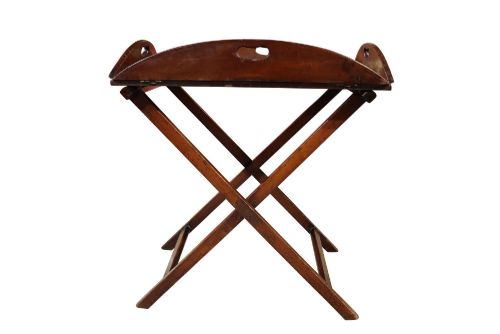
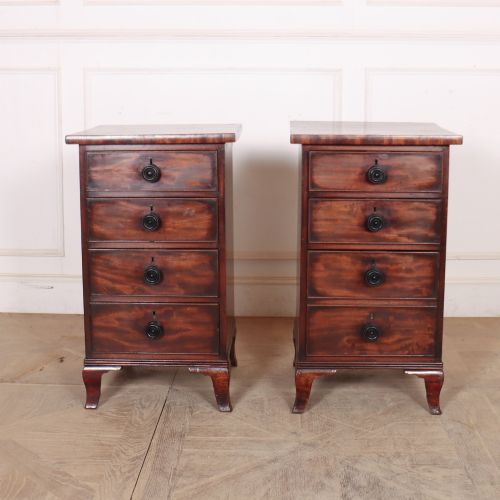
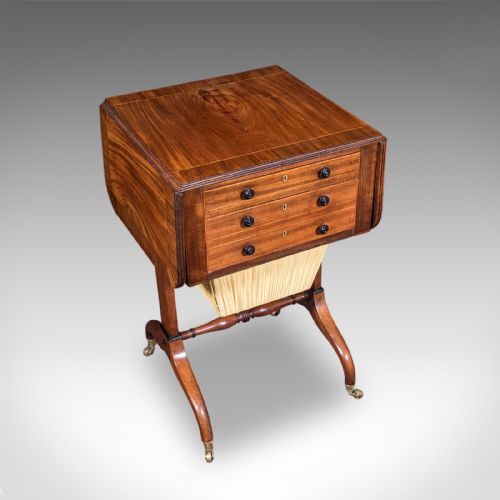
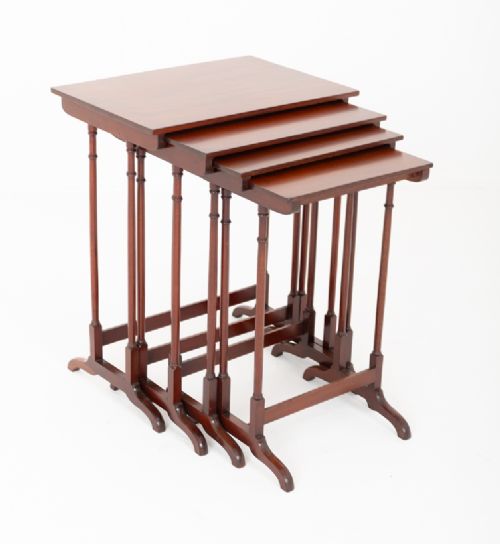

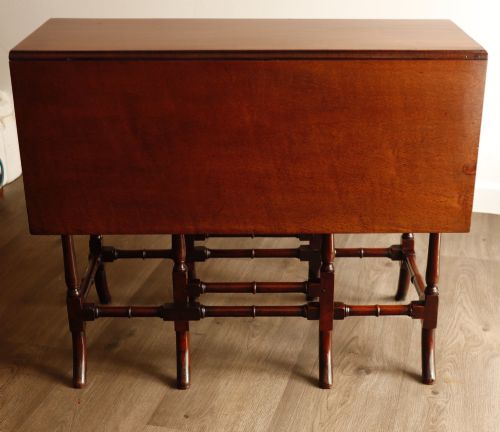
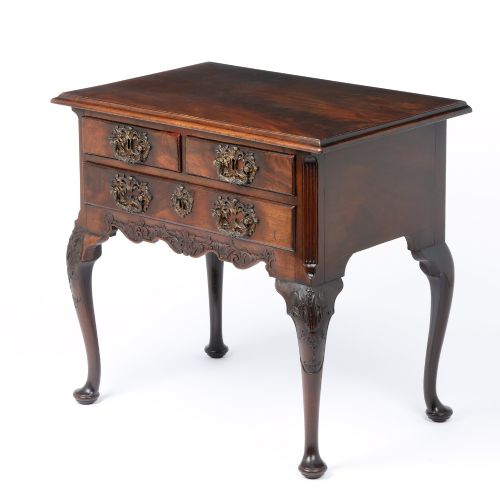
English Mahogany Side Table
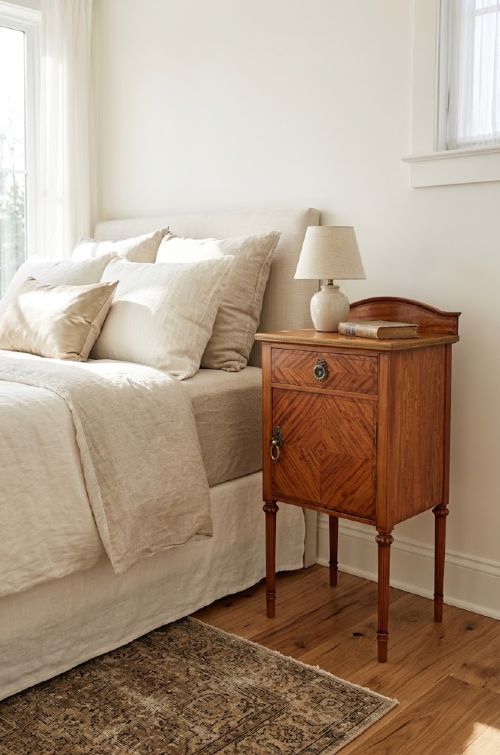
An English mahogany side table brings centuries of disciplined timber work and rich grain directly into a room.
Forms and Origins
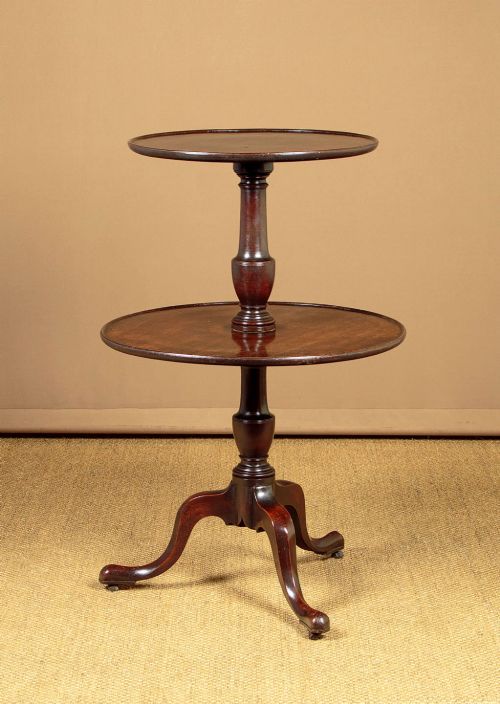
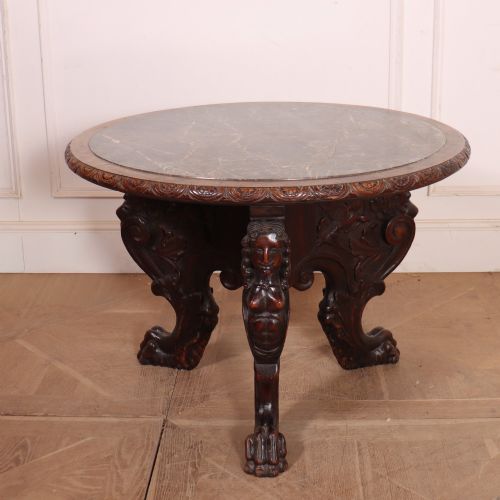
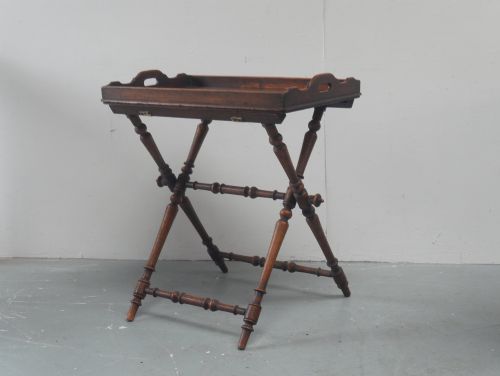
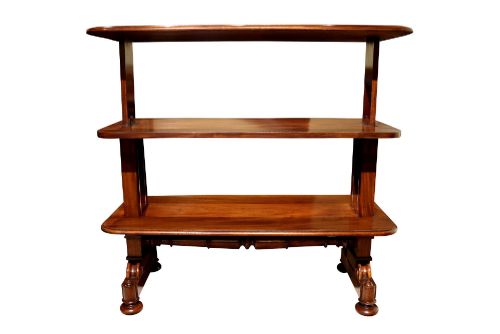
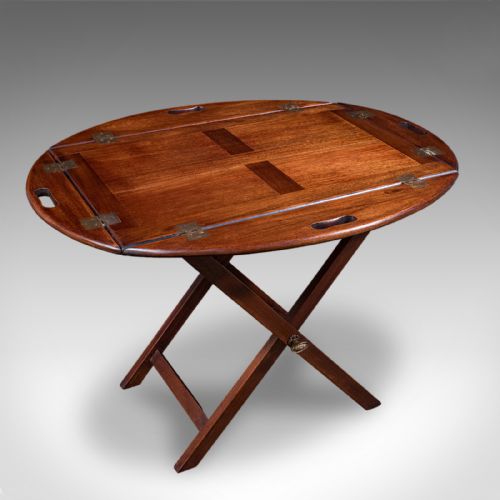
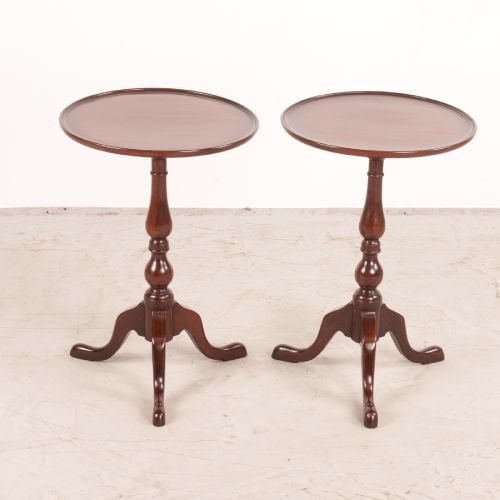
An English mahogany side table spans centuries of domestic utility, appearing in forms ranging from simple occasional tables and Pembroke designs to sophisticated demi-lune card tables and console pieces. The selection draws on Georgian, Regency and Victorian periods, reflecting shifting tastes in domestic furniture across these eras.
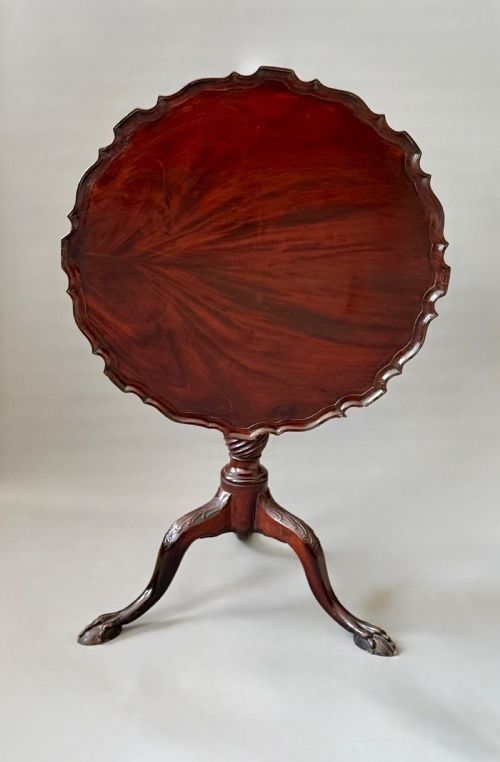
Makers utilised these versatile surfaces in halls, libraries and parlours, often incorporating single drawers, drop leaves or tilt-top mechanisms. Pieces include plain work tables alongside elaborate inlaid examples, showing how a utilitarian form adapted to formal entertaining and daily study alike.

Materials and Construction
Cabinet makers constructed these pieces primarily from mahogany, frequently augmenting the primary timber with satinwood, boxwood or contrasting brass hardware. Selected examples incorporate flame mahogany veneers to create pronounced figuring on drawer fronts and table tops.
Structural elements rely on traditional joinery methods suited to the demands of drop leaves, folding card tops, and pivoting tilt mechanisms. Secondary details such as string inlay and baize linings appear in specific card and writing variants.
Retail Price Guide 2026
Typical UK retail prices for english mahogany side table, calculated from the Sellingantiques database of over a million retail prices indexed since 2003. This retail price guide relies exclusively on Sellingantiques data; no external sources or auction records are used, so the figures do not describe the wider market.
Listings feature mahogany side tables spanning the Georgian, Regency and Victorian eras, alongside 1920s lamp tables and 1800 coaching variants.
Evaluating the Pieces
Quality rests upon the selection of timber grain, the precision of inlaid details such as boxwood and satinwood, and the integrity of structural elements like X-frames and turning. Superior examples display thoughtful proportion and careful matching of figured mahogany veneers across prominent surfaces.
The sophistication of functional hardware, from brass fittings to smooth-running drawer construction, distinguishes standard utility pieces from higher-tier cabinet work produced by notable workshops.
Gillow Lancaster·Gillows·Druce Co
The English Mahogany Side Table Glossary
- Mahogany
- A durable, deep-toned tropical hardwood utilised extensively in British cabinet making from the eighteenth century onward. Its stable nature allowed craftsmen to carve intricate details and cut fine veneers.
- Pembroke
- A rectangular table design featuring hinged drop leaves on either side and frequently incorporating a single drawer. It offered adaptable surface space for breakfast, writing or needlework.
- Tilt-top
- A mechanism allowing the table surface to pivot vertically into a locked position when not in use. This clever engineering saved floor space in smaller eighteenth-century parlours.
- Lowboy
- A small serving or dressing table, typically standing on slender legs with one or more drawers beneath the top. Eighteenth-century examples represent early forms of refined domestic case furniture.
Frequently Asked Questions
Were these tables used for dining?
While larger Pembroke and console variations accommodated intimate meals or afternoon tea, the primary function of an English mahogany side table involved serving, display, or writing. Card tables specifically served for evening games.
Their adaptable sizes meant they could easily shift between rooms depending on household requirements.
What is a tilt-top table used for?
A tilt-top table pivoted vertically so it could store flat against a wall when floor space was needed in a parlour or hall. When lowered, it functioned as a lamp, wine or occasional table.
This practical mechanism is common among Georgian examples.
How do I care for mahogany timber?
Maintenance requires keeping the wood away from direct heat sources and strong sunlight to prevent the deep colour from fading or the finish from drying out. Routine dusting with a soft, dry cloth preserves the polished surface.
Occasional application of suitable wax helps nourish figured veneers without building up heavy residues.