
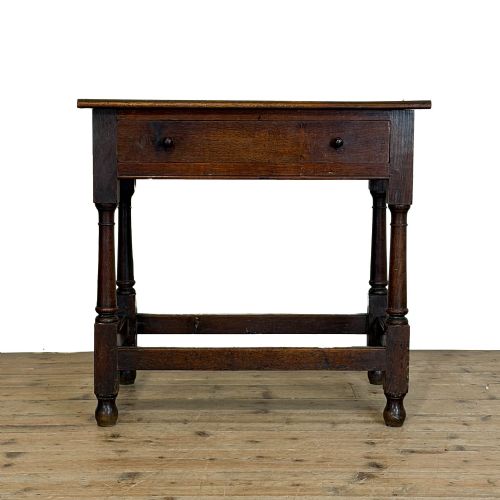
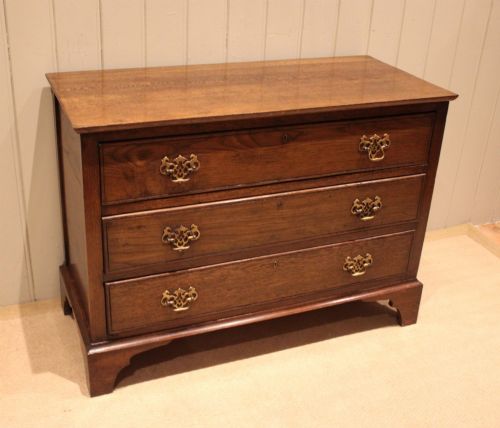
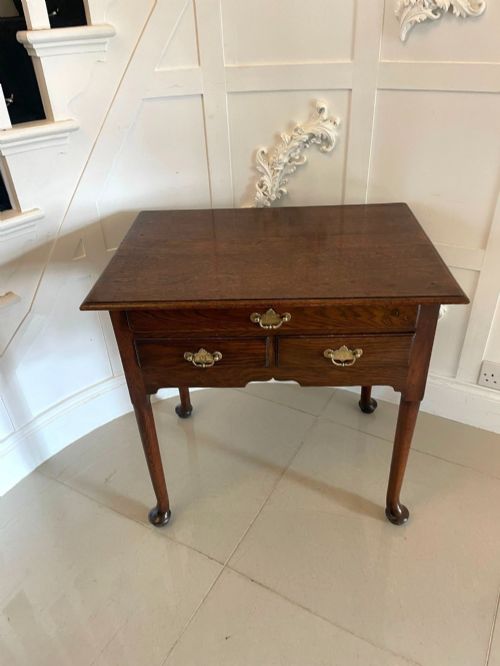
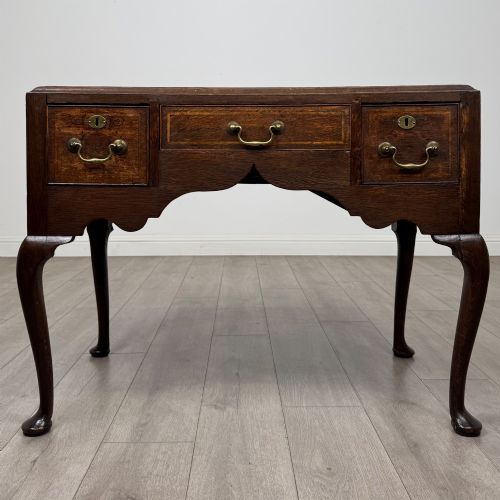
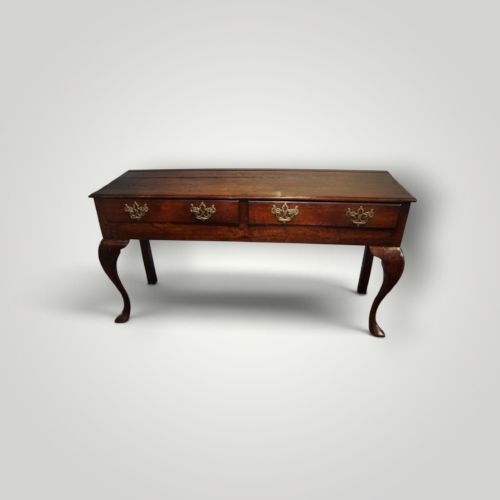
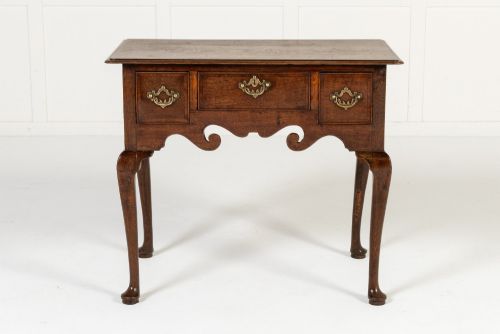
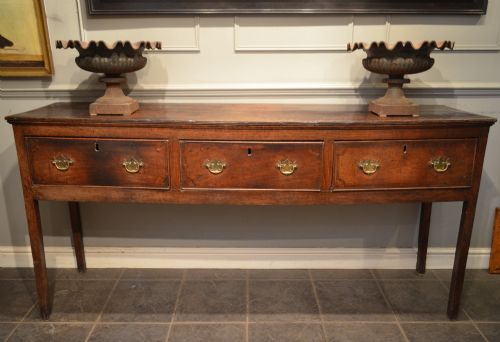
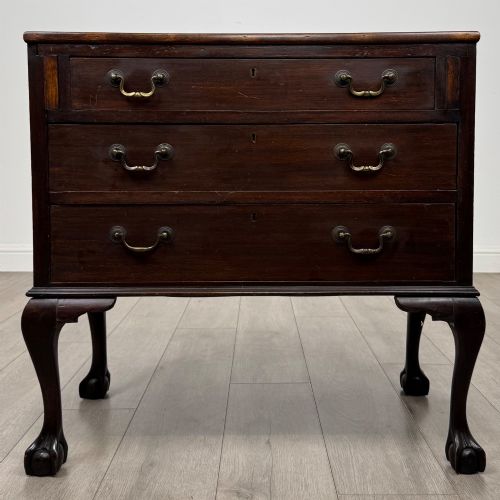
Dark Brown Lowboy
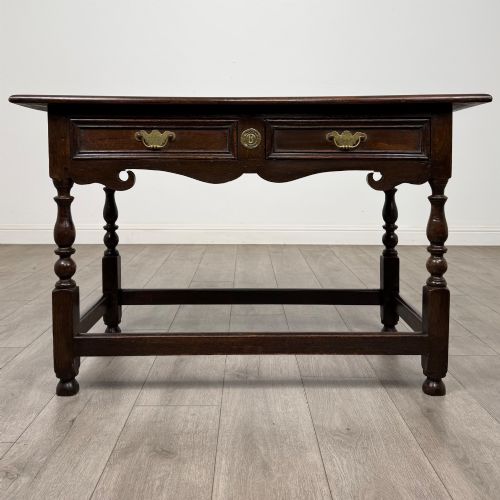
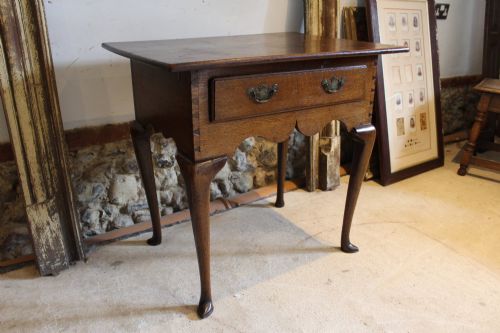
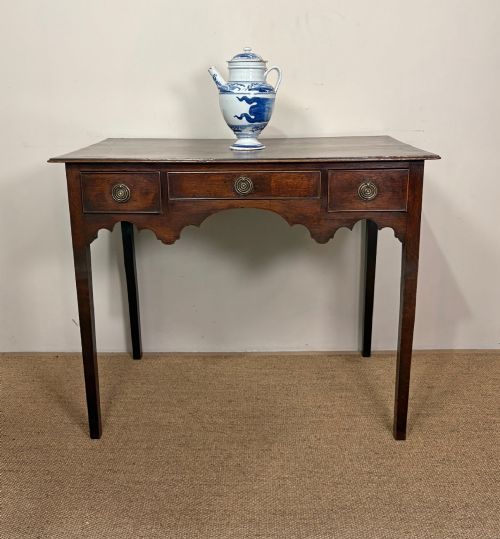
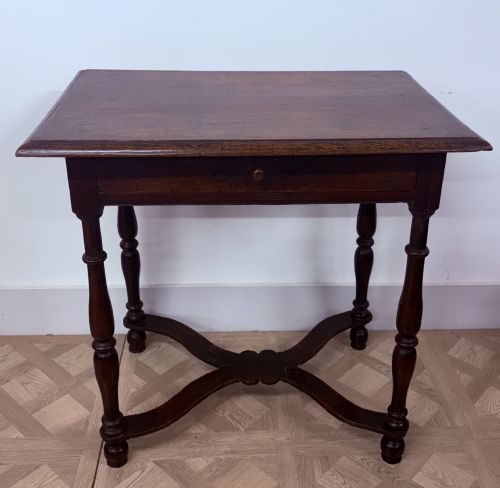
A dark brown lowboy provides a compact table with drawers, rooted in centuries of timber and craftsmanship.
Dark Brown Lowboy
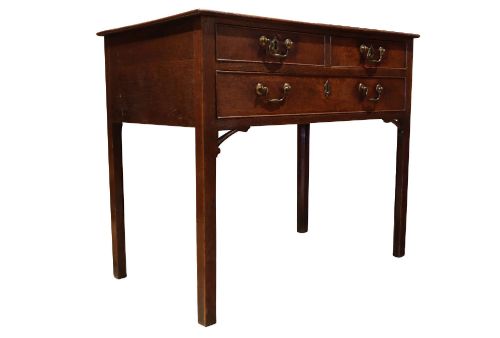
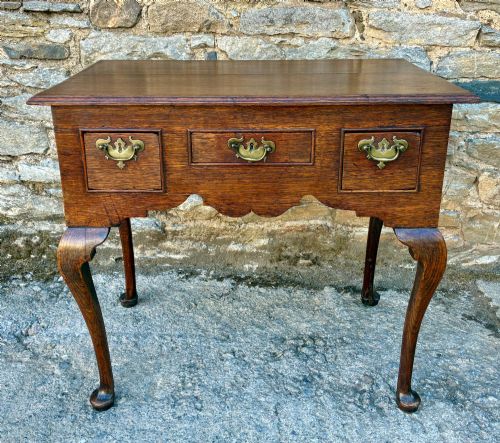
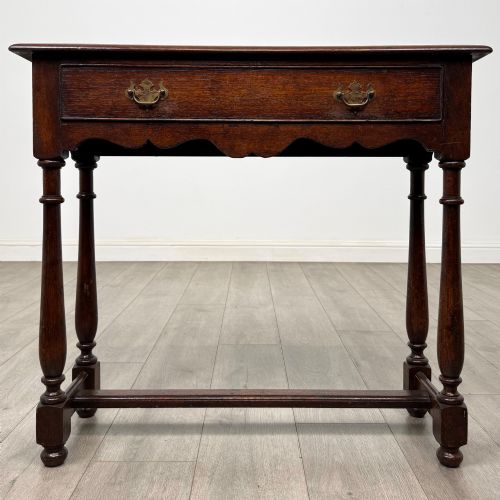
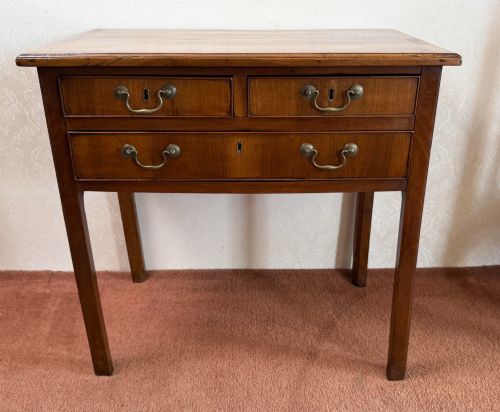
A dark brown lowboy is a small side table featuring drawers, commonly encountered in oak and walnut from the eighteenth century. These pieces serve versatile functions as dressing tables or compact side surfaces within traditional interiors.
The selections span from late seventeenth-century William and Mary designs to George III and Georgian styles. Oak remains the predominant timber, supplemented by examples in mahogany, elm, and walnut.
Makers shaped these forms with single or multiple drawers, often raised on cabriole legs or straight supports. The proportions remain low and manageable, designed to sit neatly against a wall or beneath a mirror.
Materials and construction
Carpenters relied on native hardwoods, primarily oak, walnut, elm, and fruitwood, shaping boards with hand tools and simple machinery. Grain patterns and natural patination give these dark surfaces their characteristic warmth.
Joinery involved traditional techniques such as dovetails for drawer construction and mortise and tenon joints for the frames. Brass handles and escutcheons finished the drawer fronts, secured with pins or small screws.
Form variations include single-drawer formats, three-drawer configurations, and pieces featuring cabriole legs or geometric moulding.
What separates the best from the rest
Quality rests in the crispness of the timber moulding, the integrity of the original joints, and the retention of a rich, undisturbed surface colour. Timber selection dictates longevity, with tight-grained oak and figured walnut marking out superior examples.
Proportion and decorative restraint elevate certain lowboys above utilitarian counterparts, particularly those displaying refined cabriole legs or geometric drawer moulding. Original hardware and minimal timber replacement preserve the historical integrity of the piece.
The Dark Brown Lowboy Glossary
- Lowboy
- A small low table with drawers, typically used as a dressing table or side table during the seventeenth and eighteenth centuries.
- Cabriole leg
- A furniture leg that curves out and then in, resembling the leg of an animal.
- Dovetail
- A joint formed by interlocking wedge-shaped fingers, commonly used in drawer construction.
- Dresser base
- The lower section of a kitchen or dining room dresser, often functioning similarly to a large side table or lowboy.
- Escutcheon
- A flat plate of brass surrounding a keyhole to protect the surrounding wood.
Dark Brown Lowboy: Frequently Asked Questions
What is a lowboy used for?
A lowboy functions primarily as a small side table or a dressing table, equipped with drawers for storing small items.
Historically, they sat in bedrooms or parlours, providing a convenient surface for grooming or writing without taking up the space of a full desk.
How can I tell a Georgian lowboy apart from later styles?
Georgian lowboys display period-specific timber construction, hand-cut dovetails, and authentic patination that develops over centuries of use.
Later revival pieces often show machine tooling, different timber preparation, and lack the subtle wear patterns found on eighteenth-century surfaces.
What wood are most lowboys made from?
Oak is the most common timber seen in these listings, reflecting the prevailing British furniture traditions of the seventeenth and eighteenth centuries.
Walnut and mahogany also appear in certain pieces, offering darker tones and finer grain patterns for more formal settings.
How do I fit a lowboy into a modern room?
Their compact size allows these tables to sit comfortably in hallways, living rooms, or bedrooms as accent furniture.
The neutral dark brown tones of the aged timber pair easily with contemporary interiors while adding historical character.