
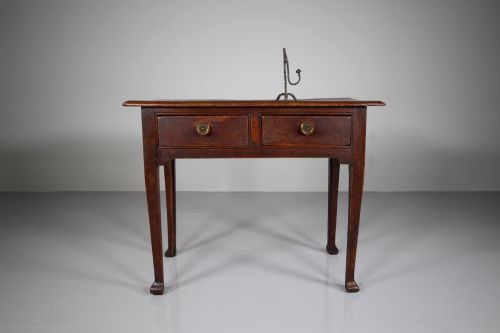
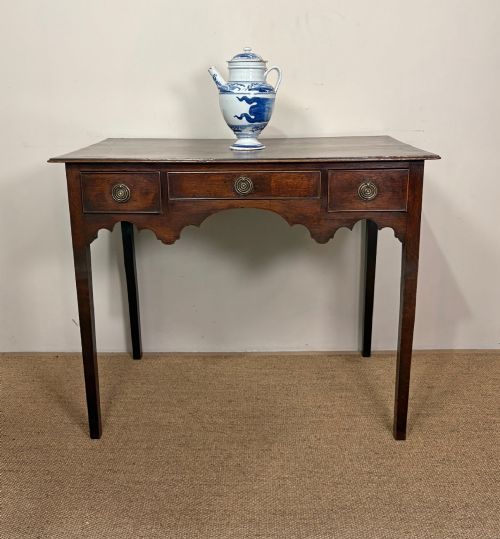
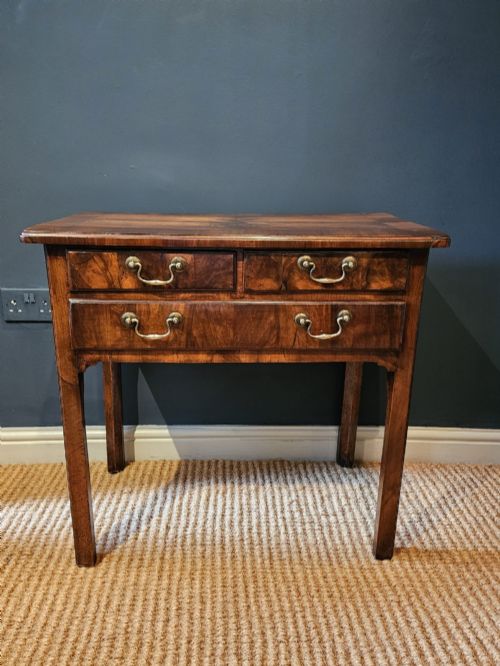
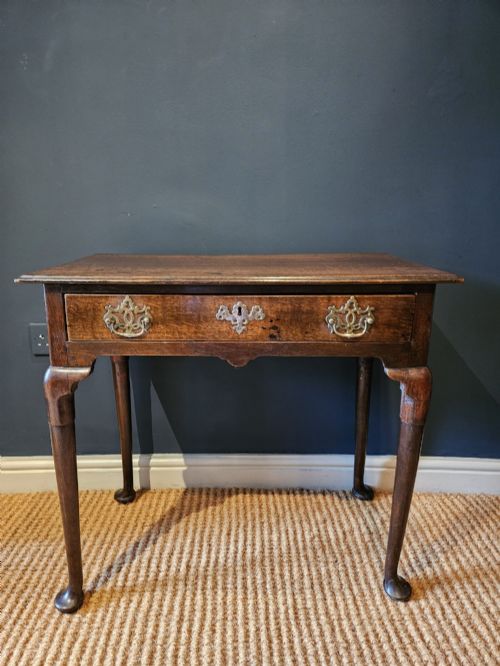
Georgian Lowboy Drawer Table
These pieces combine compact proportions with practical drawers, making a georgian lowboy drawer table a timeless addition to any period interior.
Georgian Lowboy Drawer Table
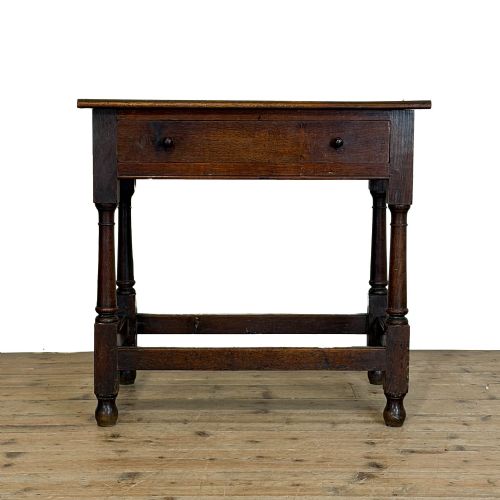
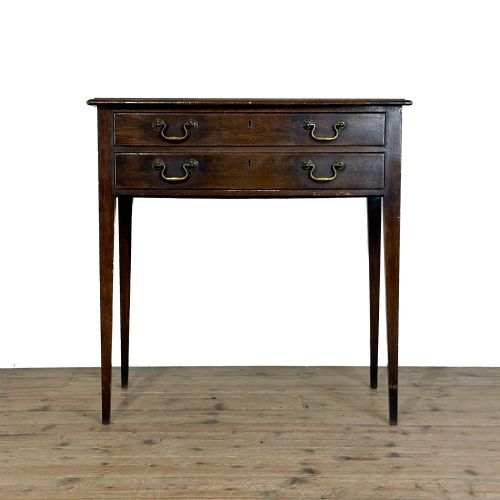
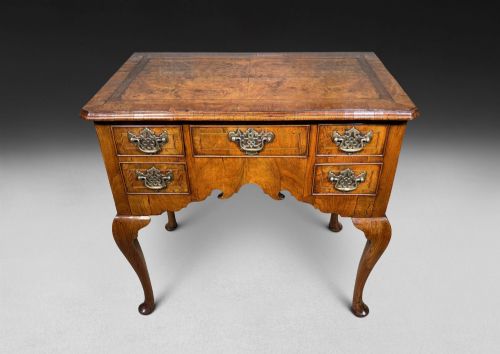
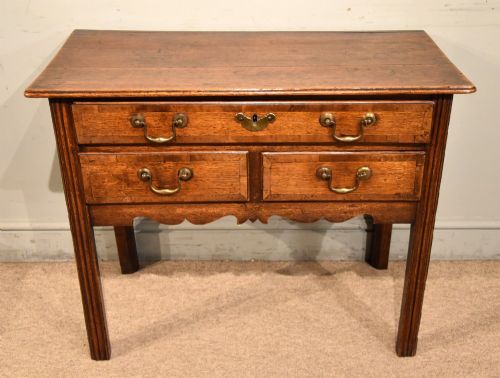
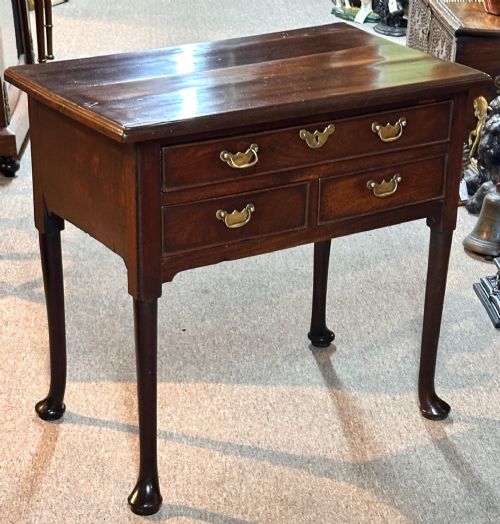
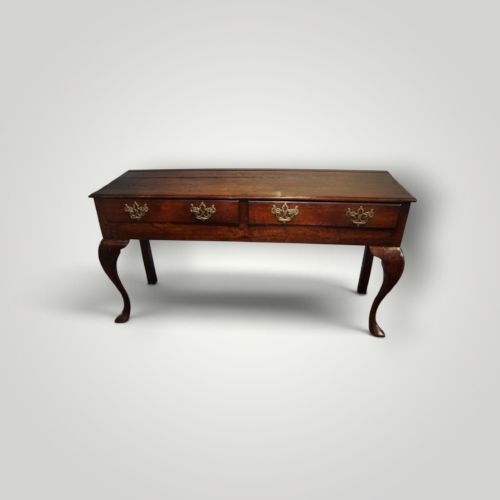
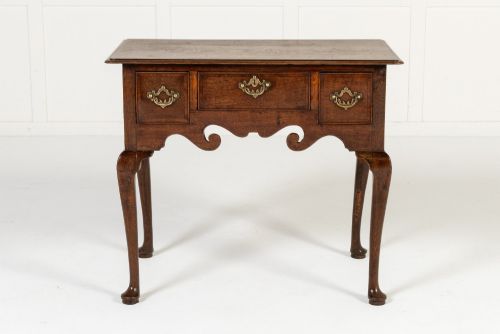
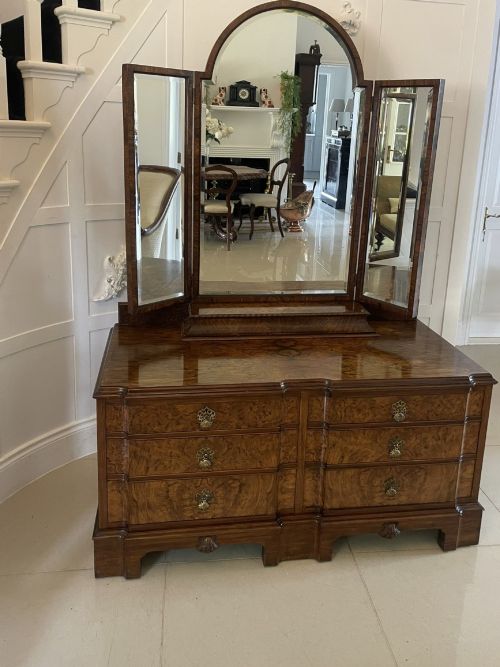
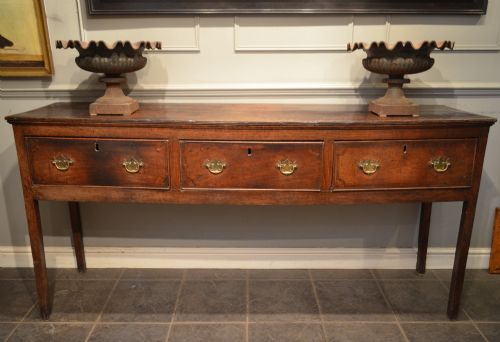
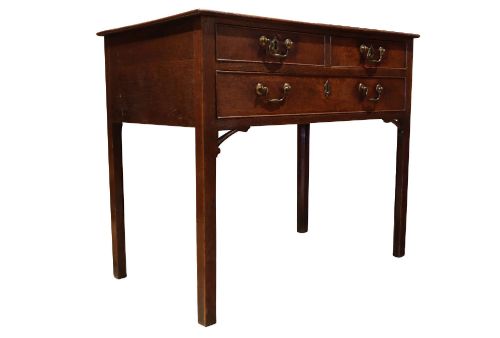
When searching for a georgian lowboy drawer table, you will encounter forms spanning the Georgian, George I, George II, and George III periods, alongside later revivals. The listings show these lowboys function as side tables, dressing tables, and occasional writing tables.
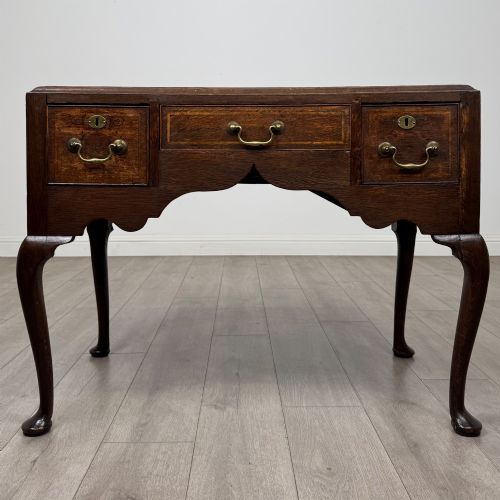
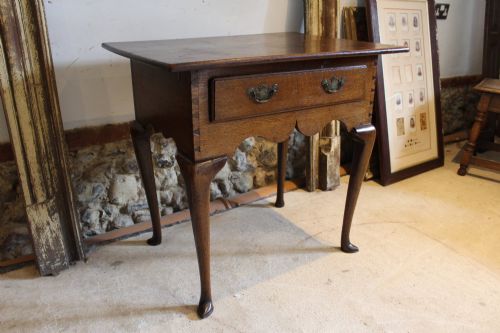
Oak and mahogany dominate the selection, accompanied by walnut, burr walnut, elm, and fruitwood. Many examples feature single or multiple drawers set beneath a low-slung surface, often supported by cabriole legs.
Materials and construction
Cabinet makers utilised solid native and imported timbers, pairing oak and elm with finely figured mahogany and burr walnut veneers. Brass handles and escutcheons punctuate the drawer fronts of these tables.
Construction techniques include hand-cut dovetails for the drawers and pegged joints for the frames. Crossbanding and geometric moulding appear on select walnut and oak pieces.
Several lowboys masquerade as writing desks, proving our ancestors multitasked long before the invention of the laptop.
Judging the standard
Quality rests in the choice of timber and the restraint of the proportions. Figured grain and richly patinated surfaces elevate certain pieces above standard provincial examples.
The crispness of the mouldings and the retention of original brass hardware distinguish the finer specimens from later alterations or heavy restorations.
The Georgian Lowboy Drawer Table Glossary
- Lowboy
- A small dressing or side table featuring one or more drawers beneath the surface. These low-standing tables date predominantly from the eighteenth century.
- Cabriole leg
- A furniture leg that curves out and then in, mimicking an animal shape. This style appears frequently on Georgian tables.
- Crossbanding
- A strip of veneer laid around the border of a drawer front so the grain runs perpendicular to the centre. This technique adds decorative contrast to walnut and mahogany pieces.
- Dovetail
- A joint formed by interlocking wedge-shaped fingers. Cabinet makers rely on this method to secure drawer corners firmly.
Georgian Lowboy Drawer Table: Frequently Asked Questions
What is a lowboy used for?
These versatile pieces served primarily as dressing tables or small side tables in eighteenth-century bedchambers and halls.
Today, they function well as compact writing desks or hallway consoles where space is limited.
How do I date a lowboy?
Dating relies on timber choice, construction methods, and stylistic details such as cabriole legs or geometric mouldings.
Oak and walnut prevail in early pieces, while mahogany becomes more common by the later eighteenth century.
Are all lowboys from the Georgian era?
While the form is synonymous with the eighteenth century, revival pieces date to later periods like the Edwardian era or the 1920s.
Examining the internal drawer construction helps distinguish eighteenth-century originals from twentieth-century interpretations.
How do I care for antique wood?
Keep wooden tables away from direct heat sources and strong sunlight to prevent the timber and veneers from drying out.
Apply a traditional beeswax polish sparingly to maintain the natural patina of the surface.