

Georgian Period Occasional Table
A georgian period occasional table provides a compact surface that anchors a room with timber character and practical grace.
Georgian Period Occasional Table
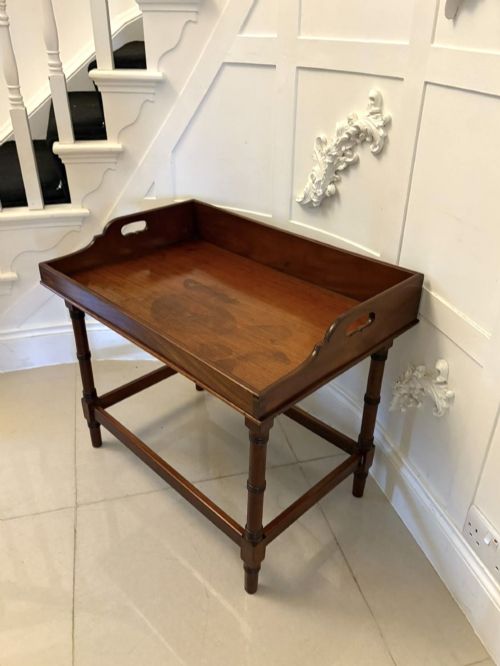
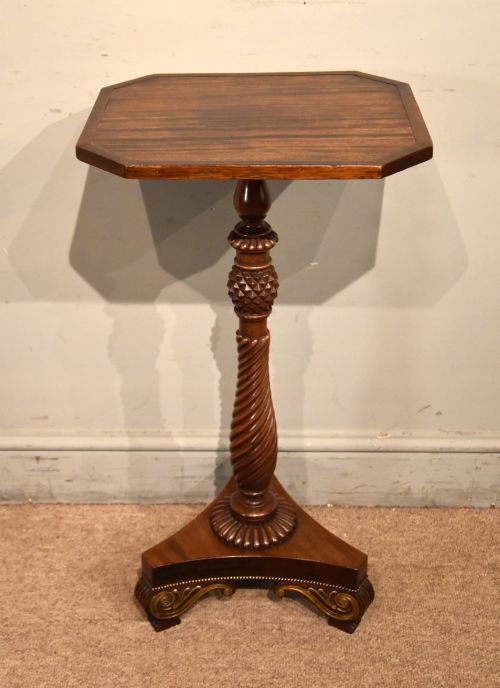
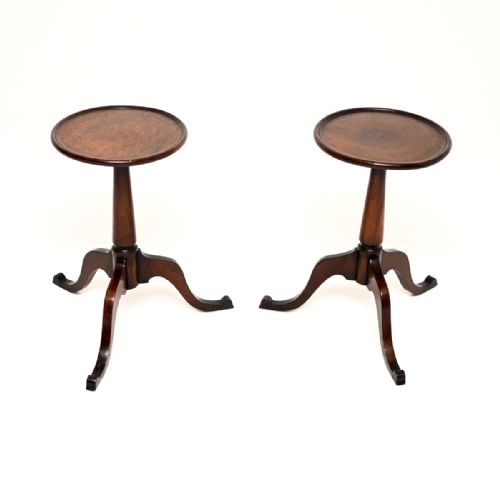
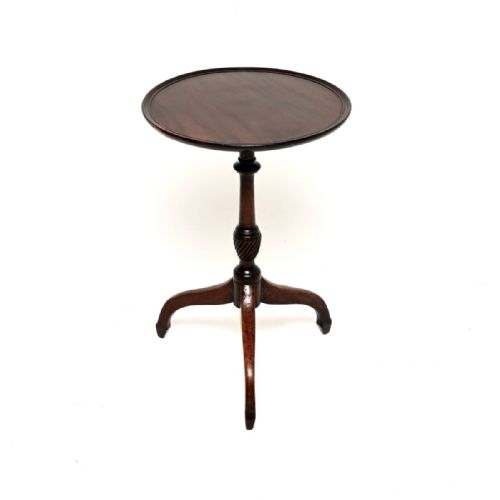
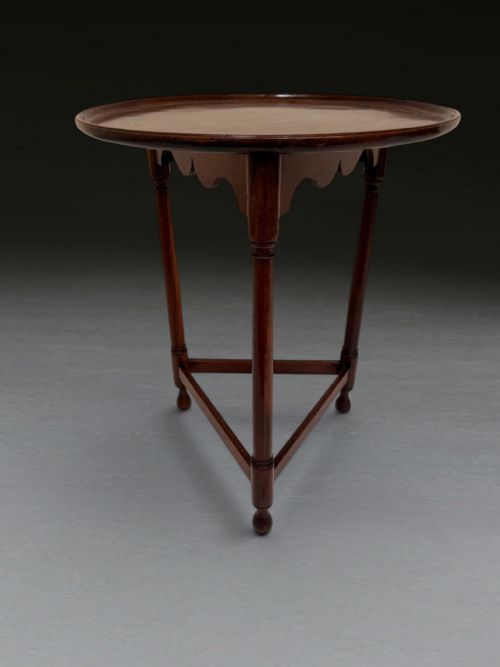
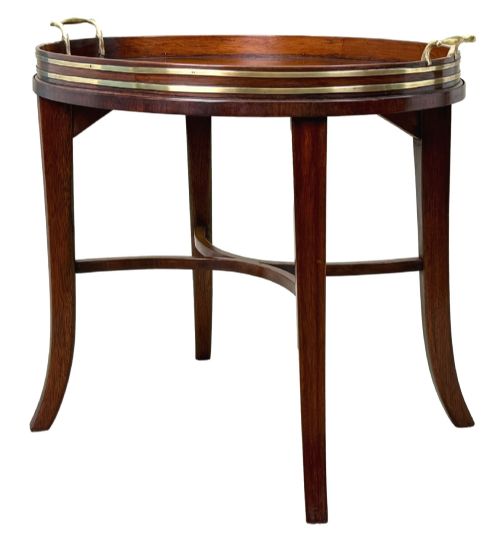
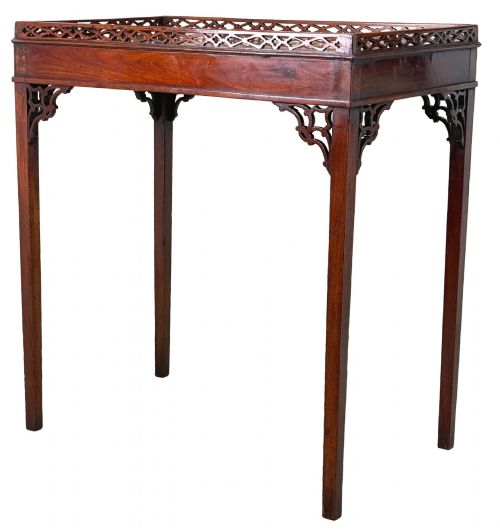
A georgian period occasional table spans diverse designs created for specific domestic tasks across the eighteenth and early nineteenth centuries. The selection includes tripod tables, cricket tables, pembroke tables, and nesting sets spanning the Georgian and Regency eras.
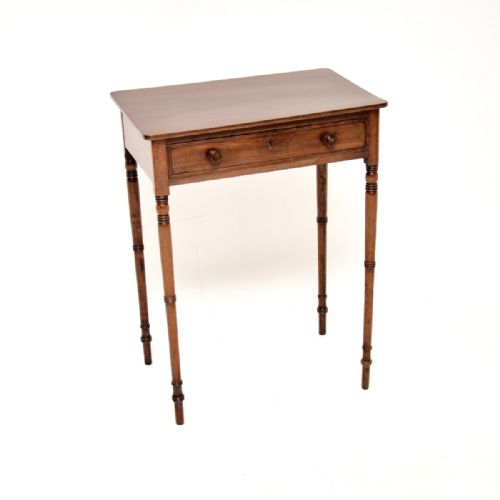
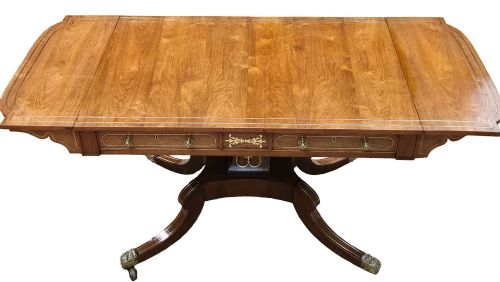
Mahogany and oak dominate the timber palette, appearing in both formal vernacular pieces and refined urban workshops. Buyers encounter tripod bases with tilt tops alongside drop leaf sewing tables and small side tables with single drawers.
Materials and Technique
Cabinetmakers utilised solid mahogany, oak, rosewood, and satinwood, often combining denser woods with secondary timbers for structural stability. Brass hardware, boxwood stringing, and ebony inlays provide decorative contrast against polished grain.
Construction methods rely on traditional joinery such as mortise and tenon frames, pegged joints, and turned pedestal columns. Tripod bases feature finely shaped legs secured to a central pillar, whilst drop leaf and pembroke variants incorporate pivoting wooden hinges and hinged flaps.
The inventory includes tripod tables, Pembroke tables, cricket tables, and nesting quartetto sets.
Design and Execution
The standard of a georgian period occasional table rests upon the selection of timber and the crispness of its carved or inlaid details. Well-chosen grain patterns and balanced proportions distinguish finer examples from simpler provincial work.
Execution of moving parts, such as tilt top mechanisms, drawer runners, and drop leaf hinges, dictates the durability and tactile pleasure of the piece. Subtle turning on columns and refined shaping on feet demonstrate superior workshop skill.
Gillow
The Georgian Period Occasional Table Glossary
- Tripod Table
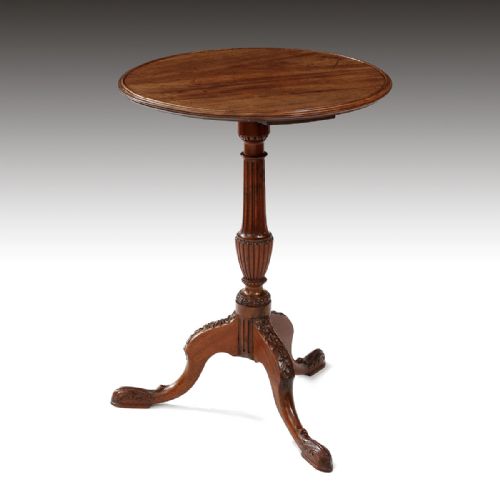
- A small table supported by a central pillar resting on three legs. This form gained popularity during the eighteenth century for flexibility and ease of movement.
- Pembroke Table
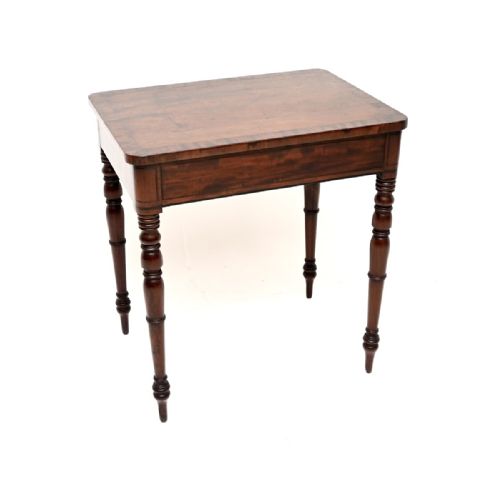
- A small rectangular table featuring two hinged drop leaves on opposing sides. Many examples include a single drawer and slender tapered legs.
- Cricket Table
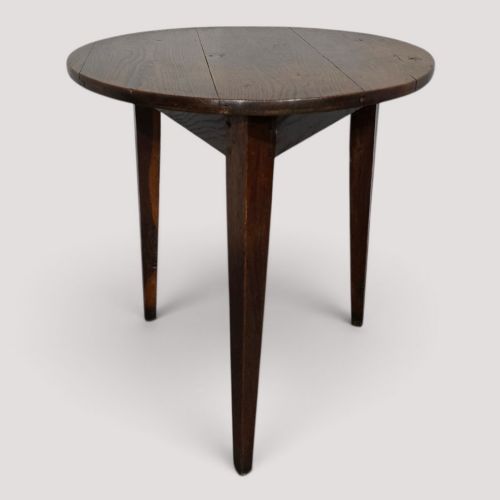
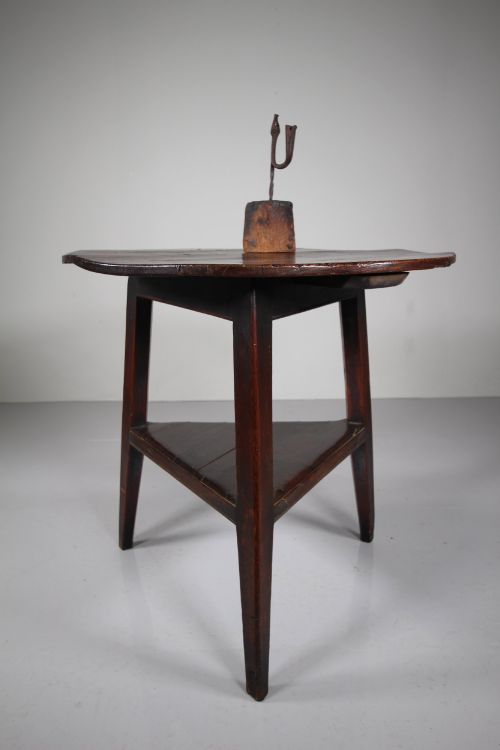
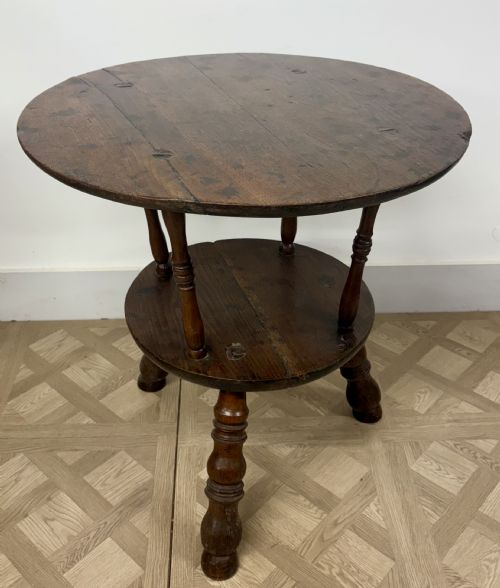
- A sturdy three-legged vernacular table typically constructed from oak. These pieces originated in English country interiors.
- Quartetto Tables
- A matched set of four graduating nesting tables designed to slide neatly beneath one another. Regency makers produced these in rosewood with inlay.
- Tilt Top
- A tabletop mechanism allowing the surface to pivot vertically for storage against a wall when not in use. A catch secures the top in the horizontal position.
Georgian Period Occasional Table: Frequently Asked Questions
What is a georgian period occasional table?
A georgian period occasional table is a small, movable wooden stand produced during the eighteenth or early nineteenth century. These items served specific functions like dining, writing, or needlework.
Craftsmen built them in various forms, including tripod tables with tilt mechanisms, Pembroke tables with drop leaves, and nesting sets. They utilise native and imported timbers such as oak, mahogany, and rosewood.
How were cricket tables used?
Cricket tables served as versatile, sturdy surfaces in English country houses during the eighteenth century. Their three-legged design ensured stability on uneven flagstone or rush-strewn floors.
Occupants used them for dining, holding candles, or general household tasks close to the hearth. Their simple oak construction reflected practical vernacular design.
How do I identify Regency pieces?
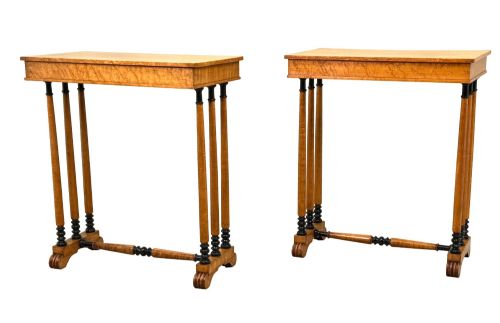
Regency tables date from the early nineteenth century and often incorporate exotic veneers like rosewood, amboyna, and birdseye maple. Brass inlay and sabre legs frequently appear on these later designs.
In contrast to earlier Georgian mahogany or oak pieces, Regency items lean towards classical revival motifs and darker, highly figured timber grains. Nesting quartetto tables also emerge strongly in this period.
Where should I place an occasional table?
An occasional table fits easily beside a sofa, armchair, or in an empty corner requiring a small surface. Their compact dimensions allow them to function as lamp tables or bedside stands.
Because many feature tilt tops or drop leaves, they adapt well to smaller spaces where furniture arrangement changes frequently. Direct sunlight and excessive heat should be avoided to protect the polished timber surface.