




Georgian Red Walnut Furniture
Georgian red walnut furniture brings deep timber tones and eighteenth-century craftsmanship directly to a room.
Georgian Red Walnut Furniture
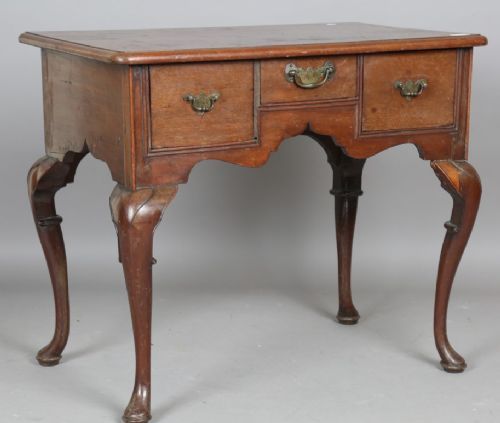
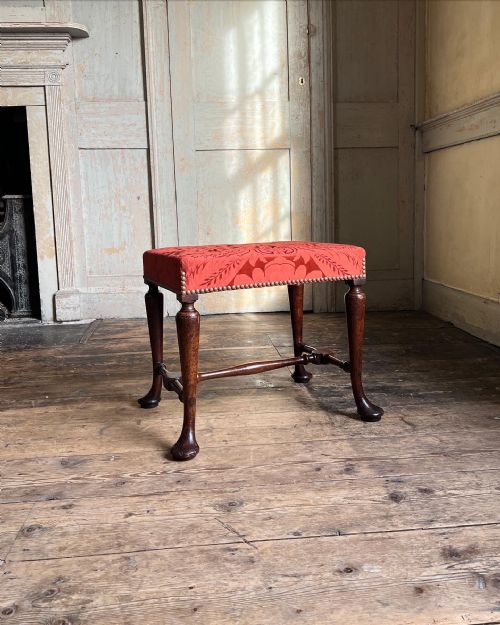
When you search for georgian red walnut furniture, you encounter practical items made from highly figured timber during the eighteenth century. These pieces include writing bureaux, bureau bookcases, lowboys, side tables, chests of drawers, and side chairs spanning the reigns of Queen Anne and George I into the George II period.
The items listed on this page focus heavily on domestic utility and seating, showcasing the rich reddish-brown hues prized by cabinet makers of the era. Side tables and lowboys appear alongside robust chests of drawers and library cabinets, representing the core forms of early to mid-eighteenth-century English and Irish cabinet work.
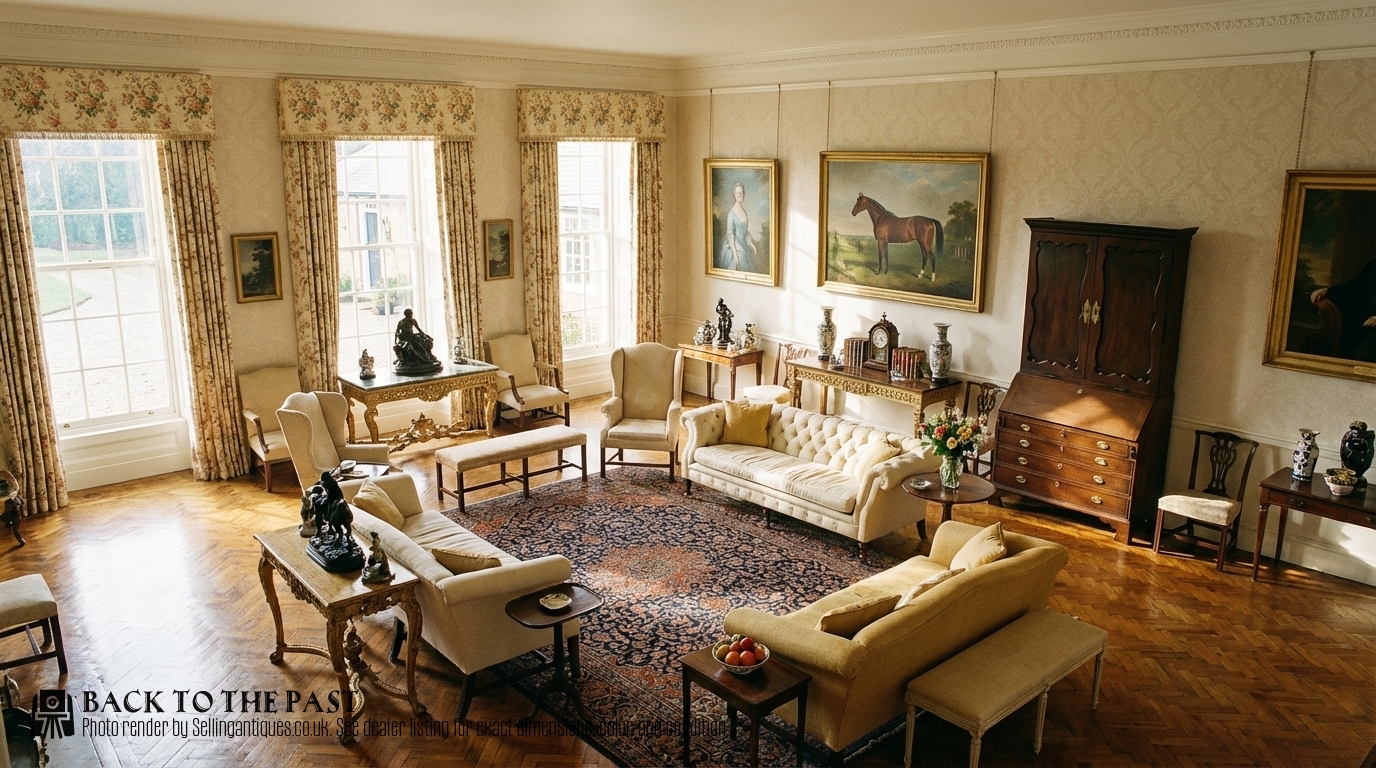
Most examples date from the 1730s to the 1750s, a golden age for timber selection and surface patination in British furniture design. Buyers find that these forms integrate easily into modern interiors while retaining the distinct proportions of the Georgian period.
How they were made
Makers utilised solid red walnut alongside oak as a secondary wood for structural drawer linings and carcases. Timber selection prioritised rich grain patterns, which were often highlighted through clear polishing rather than heavy staining.
Hardware typically involved cast brass drop handles and escutcheons, secured to drawer fronts with hand-beaten pins. Joinery relied on precise dovetailing for drawers and mortise-and-tenon construction for frames and chair legs.
Gentlemen in the eighteenth century kept their coin collections safely organised inside diminutive library cabinets built from solid red walnut.
What varies in quality
The standard of carving on cabriole legs and the depth of figure in the timber determine the upper tier of these pieces. Grain alignment across drawer fronts and the crispness of edge mouldings separate masterwork items from standard provincial production.
Proportion and scale dictate desirability, particularly in diminutive library cabinets or heavily figured writing bureaux. The integrity of the original timber surfaces and secondary woods preserves the historical standing of each piece.
The Georgian Red Walnut Furniture Glossary
- Red walnut
- A North American or dense European variant of Juglans regia prized for its warm, reddish-brown colour and pronounced figuring.
- Lowboy
- A small side table with drawers, commonly used as a dressing table or auxiliary surface during the eighteenth century.
- Bureau bookcase
- A dual-purpose cabinet featuring a slanted writing flap above drawers, surmounted by a shelved upper bookcase section.
- Cabriole leg
- A furniture leg that bends outward in a convex curve and tapers inward in a concave curve, typical of George II design.
- Secondary wood
- A timber such as oak used for hidden structural parts, drawer interiors, and backboards within a primary walnut carcase.
Georgian Red Walnut Furniture: Frequently Asked Questions
How do I date a Georgian lowboy?
Dating a lowboy involves examining the construction methods, handle hardware, and secondary woods like oak used inside the drawers. Pieces from the early eighteenth century often exhibit simpler lines, while George II examples may feature carved cabriole legs.
Proportions and the specific cut of the walnut veneer or solid timber also offer clues to the decade of manufacture. Comparing the joinery to dated examples helps narrow the period of origin.
Where were side chairs placed?
Georgian side chairs served as movable seating around the dining table, in hallways, or against panelled room walls. They were brought forward into seating circles when guests gathered.
Because they lacked arms, they required less floor space and could be arranged neatly in pairs or sets along a perimeter.
How do I care for antique walnut?
Antique walnut thrives in rooms with stable humidity and away from direct sunlight, which can bleach the red tones of the timber. Regular dusting with a dry, soft cloth maintains the surface sheen without building up residue.
Occasional application of appropriate wax preserves the polish and protects the wood from drying out. Avoid placing hot or wet items directly on the surface.