







Georgian Ladies Desk
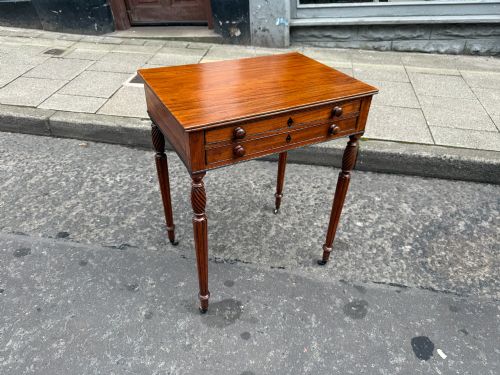
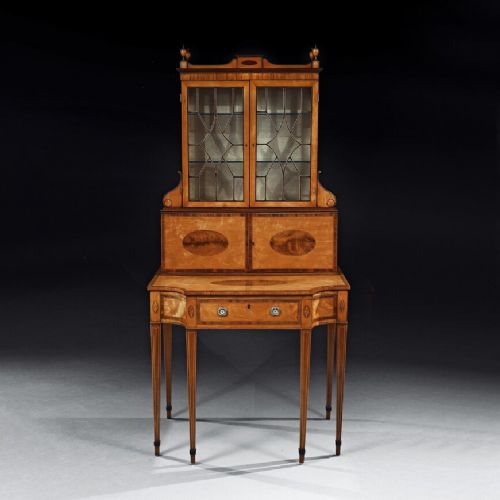
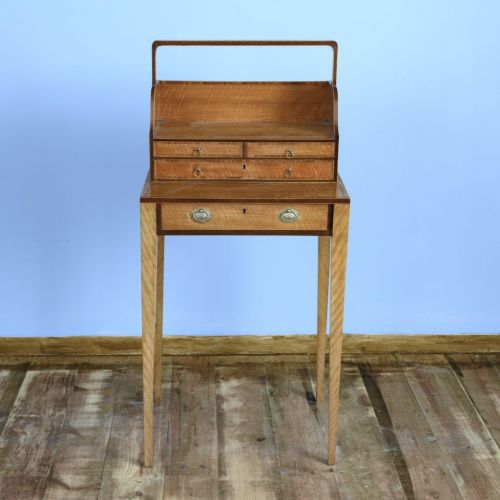
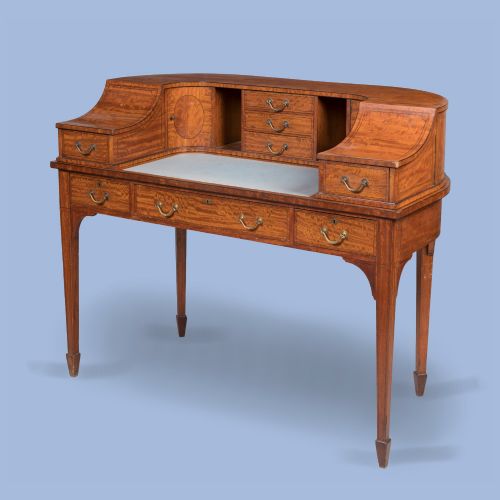
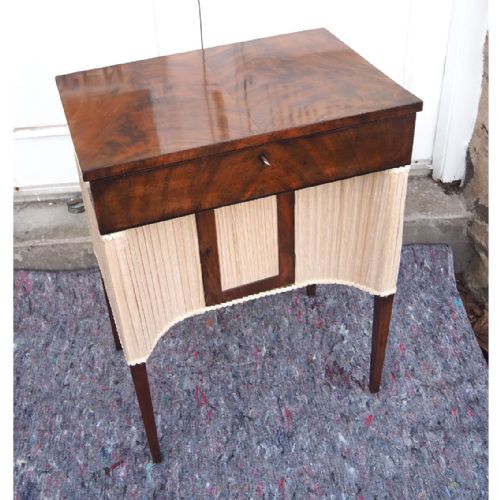
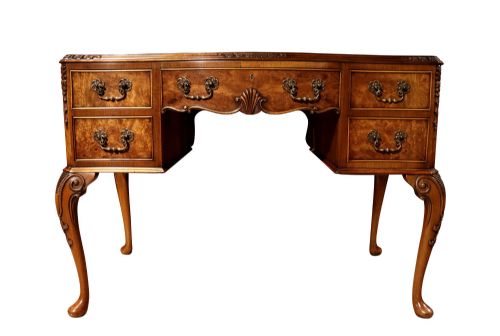
A georgian ladies desk is a compact and refined writing surface designed for intimate correspondence, often taking the form of a bonheur du jour, work table, or cheveret.
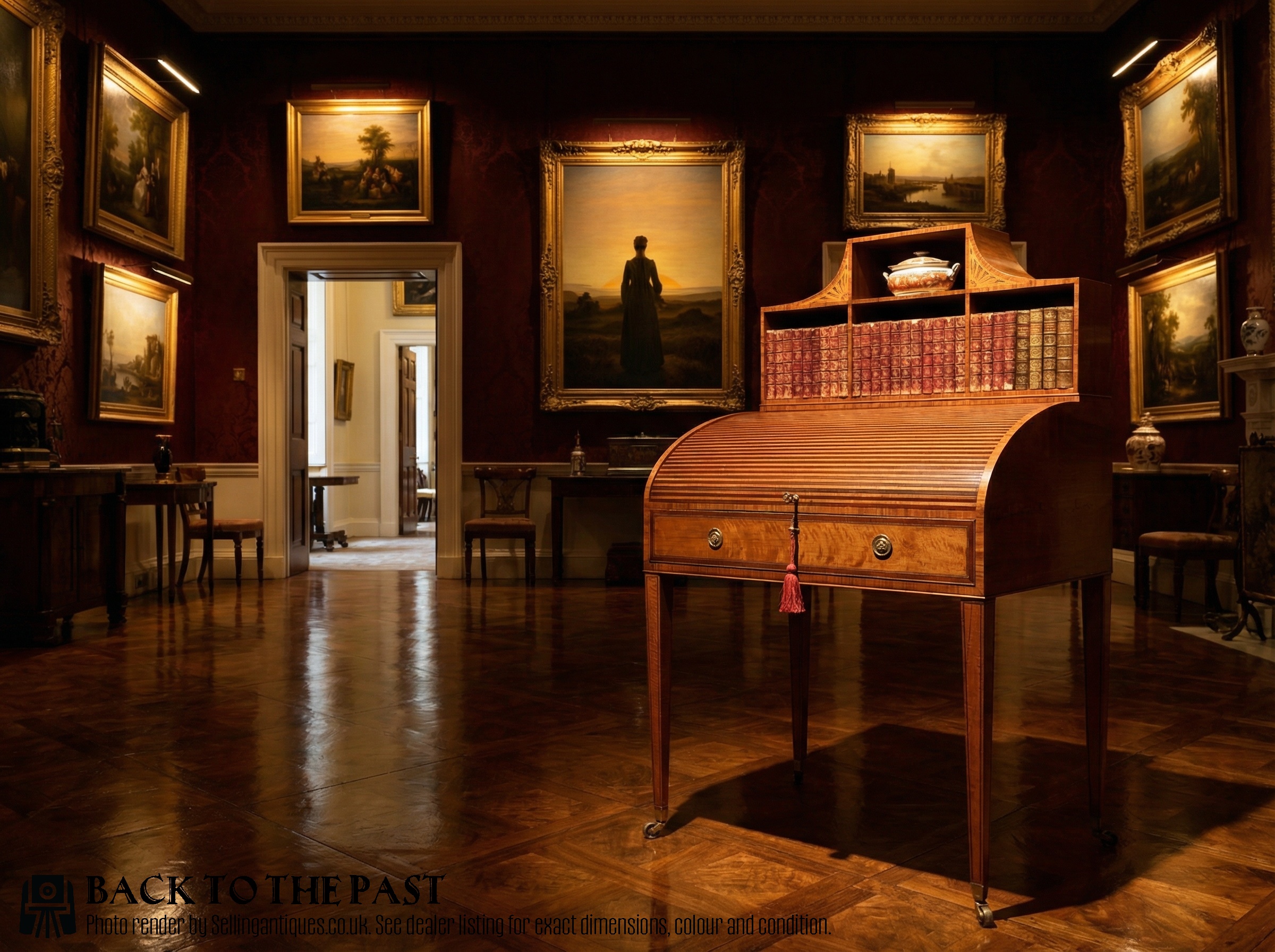
Georgian Ladies Desk
When a buyer searches for a georgian ladies desk, they encounter smaller scale writing furniture intended for private chambers rather than grand libraries. These pieces date from the eighteenth century through to later revival periods, spanning George III, Regency, and Edwardian interpretations.
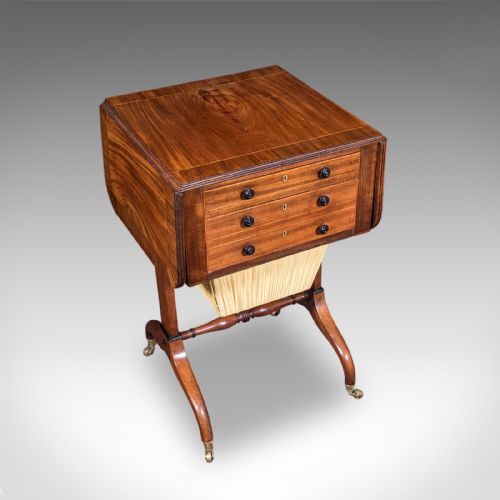
The most frequent variations on this page include the bonheur du jour, the work table with drop leaves or sewing compartments, and the compact writing cabinet. Mahogany and satinwood predominate, frequently accented with fine inlay and leather writing surfaces.
Originating as versatile pieces for correspondence and light domestic duties, these items combine cabinetry with small drawers, pigeonholes, and occasionally sliding or tambour screens. The proportions remain slender, built to suit smaller rooms and domestic interiors.
Materials and Construction Methods
Makers utilised dense timbers such as mahogany, satinwood, and burr walnut, often selecting figured veneers for visual depth on top surfaces and drawer fronts. Cabinetmakers applied contrasting stringing and marquetry to define borders and panels.
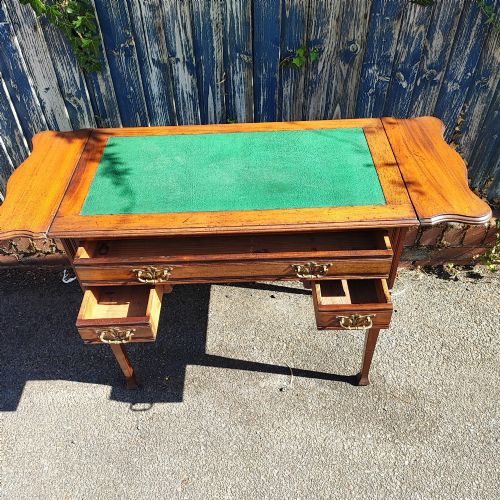
Secondary structural elements incorporate brass for hinges, castors, and handles, whilst writing inserts typically employ fitted leather panels. Sloping lids and tambour shutters rely on precise groove cutting and fabric backing to achieve smooth movement.
Listings on this page range from eighteenth-century George III pieces to Edwardian and Regency revivals in mahogany, satinwood, and burr walnut.
Quality Variations in Construction and Detail
The distinction between tiers rests upon the choice of timber veneer and the precision of the cabinetwork, particularly in the alignment of drawers and secret compartments. Superior examples display balanced figuring across matching panels and tight dovetail joints in the drawer construction.
Refinement in secondary details such as hand-cut inlay, original brass fittings, and well-preserved leather inserts elevates certain items above standard production. The crispness of carved mouldings and the smoothness of sliding mechanisms indicate the original maker's skill.
Shoolbred of London
The Georgian Ladies Desk Glossary
- Bonheur du jour
- A small writing desk featuring a set of drawers and shelves on top of the main writing surface. This French form became popular in England during the late eighteenth century.
- Cheveret
- A small writing table fitted with a tiered superstructure or removable book stand above the main surface. It frequently includes a drawer with writing slides or compartments.
- Tambour
- A sliding door or shutter constructed from narrow vertical strips of wood glued to a canvas backing. It runs in tracks to conceal pigeonholes and small drawers.
- Satinwood
- A pale, lustrous hardwood sourced from tropical trees, heavily utilised by eighteenth-century cabinetmakers for veneering and decorative banding. It provides a bright contrast against darker timbers.
- Pembroke table
- A small table featuring hinged drop leaves on two opposing sides. These pieces often served multiple domestic functions including writing and light dining.
Georgian Ladies Desk: Frequently Asked Questions
What is a bonheur du jour?
A bonheur du jour is a small writing desk featuring a raised cabinet or shelf section above the main writing surface. These pieces appeared during the eighteenth century and were designed for correspondence and display.
They sit on slender legs and often incorporate small drawers and pigeonholes within the upper superstructure.
How were ladies writing desks used?
These desks served for writing letters, managing household accounts, and storing personal papers or sewing materials. Their compact size allowed them to be placed in private bedchambers or small sitting rooms.
Many examples include compartments for stationery, inkwells, and secret drawers for valuables.
What is a cheveret?
A cheveret is a specific type of small writing table that incorporates a movable tiered stand or shelf unit on top. This upper section allowed paperwork or books to be carried easily from room to room.
They frequently feature a single main drawer fitted with writing slides beneath the top surface.
How do I distinguish eighteenth-century pieces from later revivals?
Eighteenth-century examples display period construction methods such as hand-cut dovetails, timber shrinkage patterns, and period-specific veneer selections like genuine satinwood. Later revival pieces from the Victorian and Edwardian eras often use standardised fixings and machine-sawn elements.
Stylistic cues also separate authentic period work from Sheraton Revival interpretations produced in the late nineteenth and early twentieth centuries.