


Pair of Writing Desks
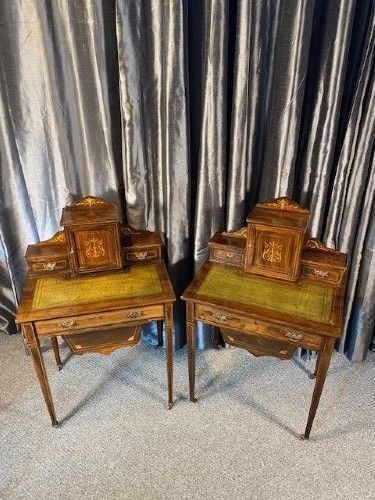
A pair of writing desks brings symmetry and matched workspace into a room, offering dual surfaces shaped in mahogany, rosewood or satinwood.
Pair of Writing Desks
A search for pair of writing desks covers matching pairs of writing surfaces, from pedestal library tables to delicate bonheur du jours and bureau plats. The pieces seen here span the eighteenth century, the Regency and Victorian eras, and the early twentieth century.
Most entries on this page consist of freestanding mahogany or rosewood tables designed for correspondence, alongside specialised forms inlaid with satinwood, kingwood, or fitted with brass mounts and leather inserts.

Materials and construction
Cabinetmakers constructed these frames using dense timbers like mahogany, rosewood, and oak, often applying veneers of satinwood or kingwood to exterior surfaces. Brass mounts, ormolu details, and leather writing inserts completed the structural composition.
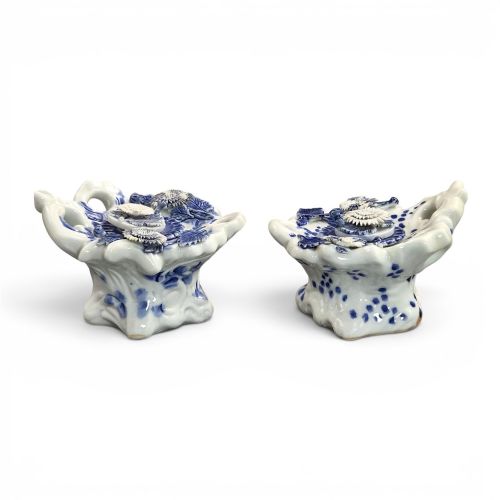
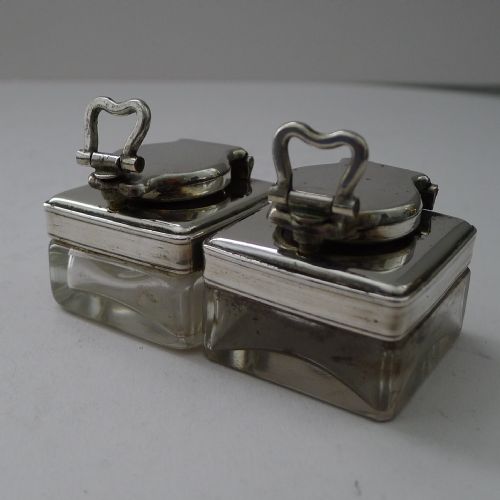
Surface decoration incorporated marquetry, red lacquer, and pietra dura panels, while specialised pieces utilised porcelain, glass, and silver plate for associated inkwells.
Pair of Writing Desks Retail Price Guide 2026
Typical asking prices for pair of writing desks among the pieces listed under this phrase on Sellingantiques today, from the lower quarter to the upper quarter. They describe what is for sale here now, not the wider market.
Gilded bronze desk sets on record feature playing cats or kittens alongside traditional inkwells.
Judging the quality
Quality rests in the selection of timber figures, such as fiddle back mahogany or richly grained rosewood, matched evenly across both items in the pair. The crispness of brass mounts, inlay work, and leather tooling distinguishes standard workshop output from top tier productions.
Structural integrity of drawers, internal compartments, and secondary woods like oak determines the overall standard, alongside the survival of original surface finishes.

Gillows·Waring and Gillow
The Pair of Writing Desks Glossary
- Bonheur du jour
- A small, light ladies writing desk featuring a tiered superstructure with shelves or small drawers above the writing surface. This form emerged in France during the eighteenth century.
- Bureau plat
- A freestanding double or single sided writing table fitted with drawers in the frieze, lacking a superstructure. These desks often feature leather lined writing surfaces.
- Ormolu
- Gilded bronze used for decorative mounts, feet, and handles on fine furniture. The technique involves applying a gold amalgam to bronze.
- Pietra dura
- Inlay work using polished cut stones such as marble, lapis lazuli, and jasper to create pictorial designs on furniture tops. This technique requires considerable stonecutting skill.
- Fiddle back
- A descriptive term for timber, usually mahogany, exhibiting a transverse wavy grain resembling the back of a violin. Cabinetmakers reserved this wood for prominent display surfaces.
Pair of Writing Desks: Frequently Asked Questions
How do I place two desks in one room?
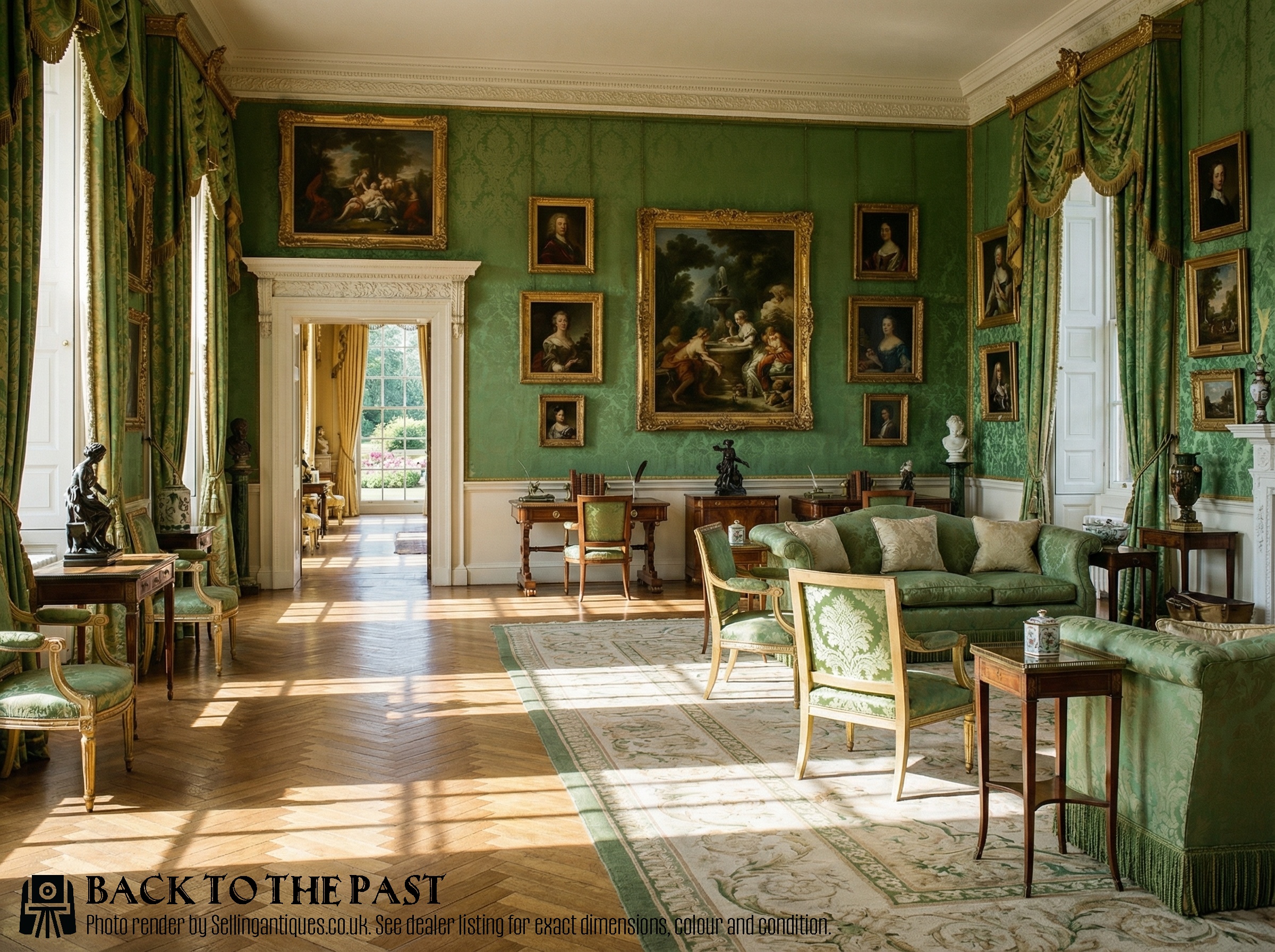
Matched desks can be arranged facing each other, side by side, or positioned against opposite walls to create visual balance in a library or study.
Their shared timbers and proportions allow them to anchor a large interior scheme without dominating the floor space.
What is a bonheur du jour?
A bonheur du jour is a small, portable writing desk with a small cabinet or shelving unit built onto the rear of the writing surface.
These pieces were designed for personal correspondence and light paperwork in private sitting rooms during the eighteenth and nineteenth centuries.
How do I care for leather writing surfaces?
Leather inserts require minimal moisture and occasional neutral wax conditioning to maintain flexibility and prevent cracking over time.
Avoid placing direct heat sources or liquids near the desk to protect both the leather tooling and the underlying timber.
Can I use these desks for daily work?
Many of these historical tables provide stable writing surfaces and functional drawers suited to contemporary stationery and correspondence.
Consider the height and knee clearance of older designs, particularly Georgian and Regency models, before committing them to daily office use.