
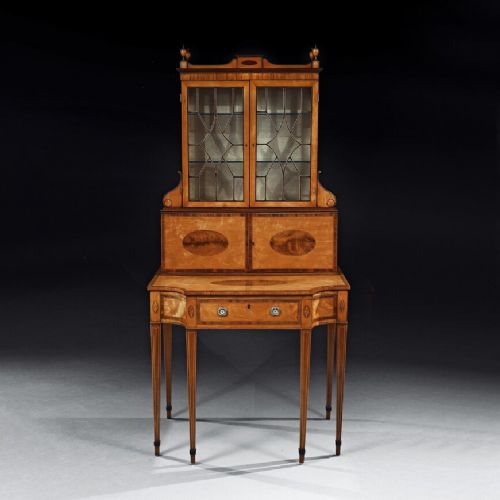


Georgian Bonheur Du Jour
A georgian bonheur du jour is a refined ladies writing desk combining a small cabinet, drawers and a pull-out writing surface for personal correspondence.
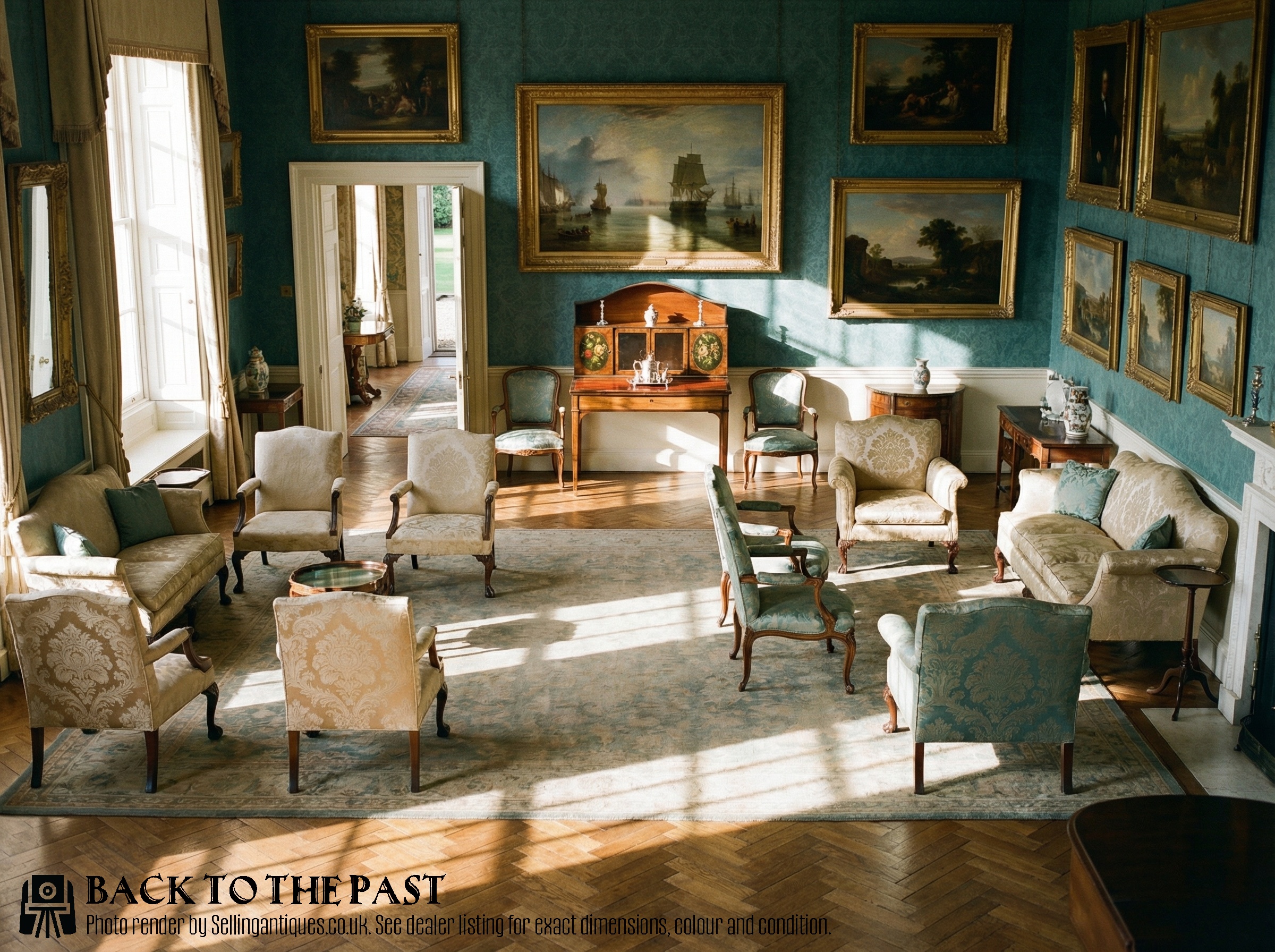
Georgian Bonheur Du Jour
When you search for georgian bonheur du jour, you encounter elegant writing desks and cabinets designed for private correspondence and feminine pursuits. These sophisticated pieces emerge from the eighteenth and nineteenth centuries, including later revival interpretations from the late Victorian and Edwardian eras.
While original eighteenth-century pieces display crisp proportions and fine timber selection, subsequent revival versions from nineteen-twenty and the late nineteenth century emulate these classical lines with notable skill. Each variation offers a dedicated space for writing while serving as a decorative focal point in a boudoir or drawing room.
How they were made
Cabinet makers constructed these desks using dense hardwoods like mahogany and exotic satinwood, frequently accented with contrasting timber inlays and delicate brass fittings. Selected pieces incorporate glazed cabinet doors or leather-lined writing surfaces to enhance both utility and visual appeal.
Craftsmen utilised traditional joinery techniques to build the superstructure of drawers and pigeonholes above the main writing table, ensuring stability despite the light, elegant proportions. Surface ornamentation relied upon natural wood grains, marquetry inlay and subtle painted details rather than heavy structural carving.
Georgian Bonheur Du Jour Retail Price Guide 2026
Typical asking prices for georgian bonheur du jour among the pieces listed under this phrase on Sellingantiques today, from the lower quarter to the upper quarter. They describe what is for sale here now, not the wider market.
Some nineteenth-century examples feature fiddle-back mahogany, where the rippled grain creates a shimmering optical effect under moving candlelight.
What varies in quality
The distinction between standard and superior examples lies primarily in the choice of timber and the precision of the cabinetwork. Finer pieces display meticulously matched satinwood veneers, crisply executed marquetry inlay and high-grade brass hardware that integrates seamlessly with the design.
Proportion and internal arrangement also separate master-made desks from mass-produced interpretations. Better items feature secondary woods of equal grade within the drawer linings and smooth, well-fitted mechanisms for drawers and writing slides.
Gillows of Lancaster·Shoolbred of London·John McLean
The Georgian Bonheur Du Jour Glossary
- Bonheur du jour
- A light ladies writing table featuring an enclosed cabinet or superstructure with drawers and pigeonholes above the writing surface. This French term translates to day-time happiness.
- Satinwood
- A durable, lustrous tropical timber with a golden sheen, highly favoured by eighteenth-century cabinet makers for fine veneers and stringing. It takes a brilliant polish.
- Marquetry
- Decorative patterns formed by fitting contrasting pieces of veneer into a prepared wood surface. This technique creates elaborate floral or geometric designs on tabletops and drawer fronts.
- Superstructure
- The small cabinet, shelving or drawer unit fixed to the top of a writing table. It provides compartmentalised storage for stationery and correspondence.
- Stringing
- Thin lines of contrasting wood inlay used to outline the edges of panels, drawers and legs. It defines the architectural lines of eighteenth and nineteenth-century furniture.
Georgian Bonheur Du Jour: Frequently Asked Questions
What is a bonheur du jour used for?
These compact desks served as private writing stations for ladies to write letters, manage household accounts and store stationery. The upper cabinet provided secure storage for correspondence and small valuables.
Today, they function effectively as decorative writing desks in studies, bedrooms or drawing rooms, offering practical surface space without dominating a room.
How do I distinguish eighteenth-century pieces from later revivals?
Authentic eighteenth-century examples display period-specific joinery methods, natural timber ageing and hand-cut dovetails within the drawer construction. Revival pieces from the late nineteenth or early twentieth century often utilise more uniform machine-sawn components and different secondary woods.
Examining the underside, drawer interiors and the patination of the wood helps determine the actual age and period of manufacture.
Where should I place a bonheur du jour in my home?
Because of their finished backs and delicate proportions, these desks look particularly striking positioned away from walls or near a window where natural light enhances the satinwood or mahogany grain. They fit well in smaller rooms where a traditional kneehole desk might appear too heavy.
Keep them away from direct heat sources and strong sunlight to protect delicate veneers and leather writing surfaces from drying out.
What materials are typical for these desks?
Mahogany and satinwood predominate, frequently accompanied by rosewood, brass hardware and inset leather writing panels. Cabinet makers also incorporated delicate marquetry inlay and painted decoration on revival pieces.
The quality of these materials varies from simple solid mahogany to highly figured satinwood veneers embellished with intricate stringing.