




Sheraton Period Furniture
Sheraton period furniture brings refined late eighteenth-century elegance into a room through delicate lines, superb timber figuring, and crisp inlay.
Sheraton Period Furniture
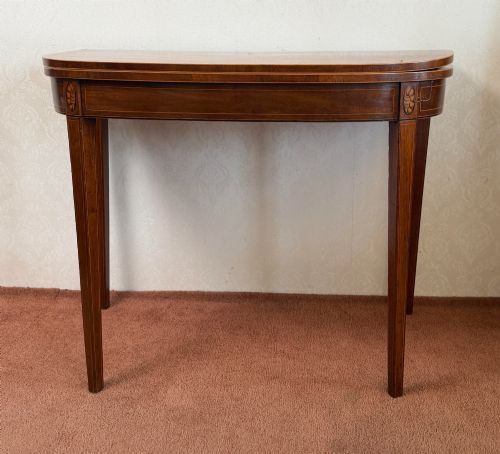
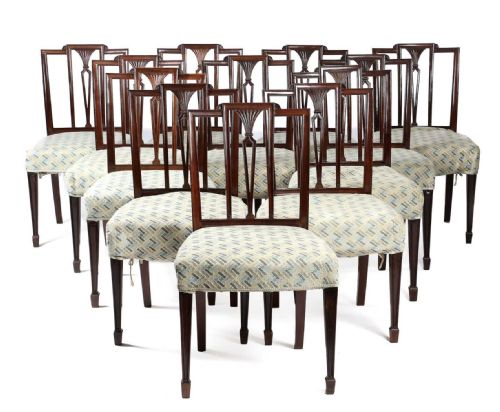
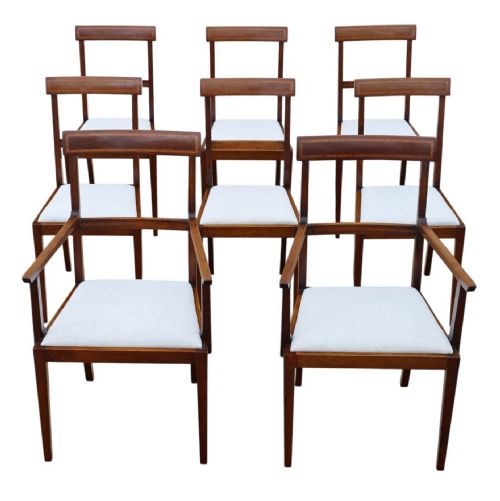
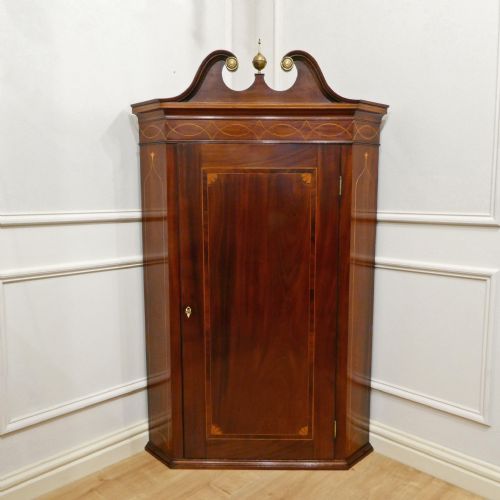
Sheraton period furniture represents the neoclassical design vocabulary popularized towards the close of the eighteenth century, spanning the George III and Regency eras alongside later Edwardian revivals. When you examine this selection, you encounter refined dining chairs, serpentine side tables, pembroke tables, and sophisticated writing cabinets made from richly figured woods.
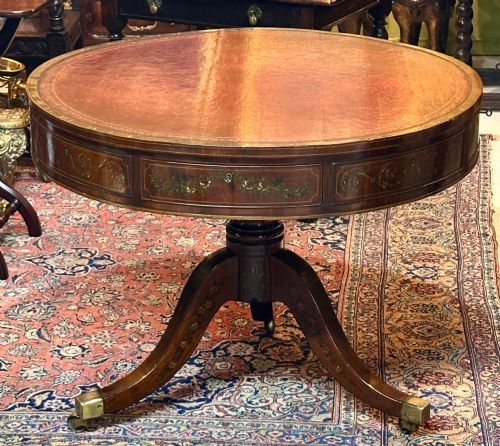
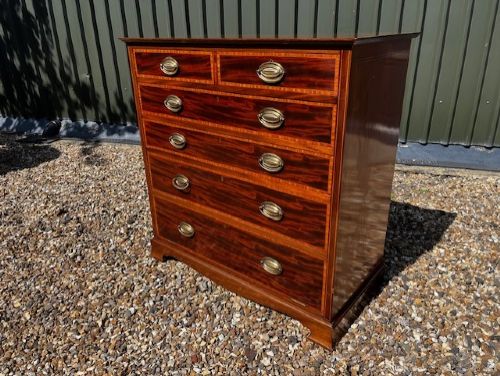
The pieces on this page are predominantly constructed from mahogany and satinwood, frequently enhanced by contrasting boxwood and harewood inlays. Forms range from practical dining seating to specialised items like drum tables, kettle stands, and compact bonheur-du-jour writing desks.
While the core of the selection originates in the eighteenth century, the inventory also captures later revivals from the Victorian and Edwardian periods. These later iterations maintain the slender proportions and classical restraint characteristic of the original design philosophy.
Markers of craftsmanship and distinction
Quality in these pieces rests upon the selection of timber and the precision of the cabinetwork. Superior examples display exceptionally well-figured mahogany or satinwood across every visible surface, matched with meticulous attention to grain direction.
The refinement of the inlay work and the integrity of the original construction separate standard pieces from the finest examples. Subtle details such as finely tapered legs, crisp stringing, and untouched proportions signal superior workshop execution.
Sheraton Period Furniture Retail Price Guide 2026
Typical asking prices for sheraton period furniture among the pieces listed under this phrase on Sellingantiques today, from the lower quarter to the upper quarter. They describe what is for sale here now, not the wider market.
Listings feature eighteenth-century pieces alongside nineteenth-century examples, utilising mahogany, satinwood, and harewood.
Gillows
The Sheraton Period Furniture Glossary
- Satinwood
- A pale, lustrous timber native to tropical regions, prized for its golden sheen and smooth texture. It became the signature veneer for light, elegant neoclassical cabinetwork.
- Pembroke table
- A small, versatile table featuring hinged flaps on either side, supported by pivoting brackets. It typically includes a single drawer and stands on slender tapered legs.
- Drum table
- A circular library table resting on a central pillar and tripod base, featuring drawers arranged around the perimeter of the deep drum-shaped top.
- Bonheur-du-jour
- A light ladies writing desk featuring a small cabinet or set of drawers superstructure above the writing surface. This form emerged during the late eighteenth century as a refined piece for personal correspondence.
Sheraton Period Furniture: Frequently Asked Questions
How do I identify true Sheraton period pieces?
Authentic pieces from the period rely on neoclassical proportions, straight tapered legs, and decorative veneers rather than heavy, ornate carving. Look for refined construction details and timber appropriate to the late eighteenth century.
Later revival pieces often mirror these visual traits but display construction methods and material finishes characteristic of the Victorian or Edwardian eras.
What is a pembroke table used for?
Pembroke tables served as versatile occasional tables during the eighteenth century, easily moved around a room for writing, tea, or needlework. The folding leaves allowed the surface area to expand or contract depending on immediate needs.
Today, they function well as compact side tables or bedside surfaces in modern interiors.
Are these items suitable for daily use?
These pieces were built for practical domestic application by skilled cabinetmakers using robust timbers like mahogany. Dining chairs, side tables, and writing desks remain entirely functional for contemporary living.
Careful placement away from direct heat sources and strong sunlight preserves the delicate veneers and polished finishes.
What distinguishes satinwood from mahogany furniture?
Mahogany offers a deep reddish-brown tone with varied grain patterns, providing a sturdy and traditional aesthetic for large case pieces and seating. Satinwood presents a much paler, golden-yellow appearance with a distinct reflective sheen.
Satinwood was generally reserved for finer decorative surfaces, writing cabinets, and occasional tables during the late eighteenth century.