


Satinwood End Table
A satinwood end table brings a pale, luminous timber and refined classical styling into a room, offering a versatile surface for daily use.
Satinwood End Table
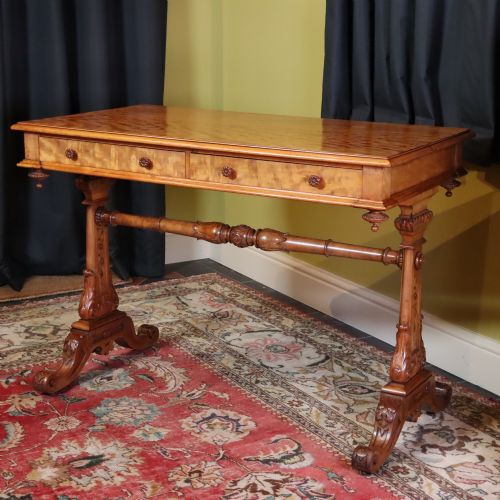
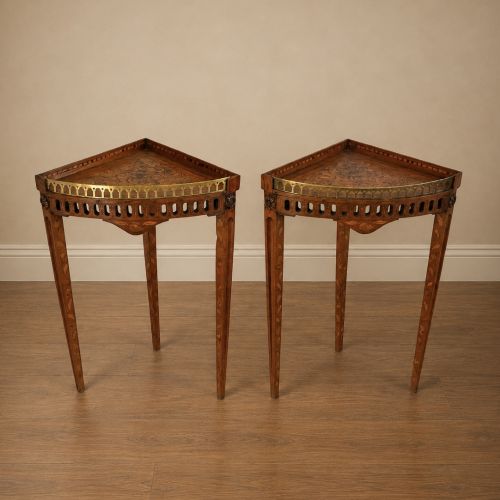
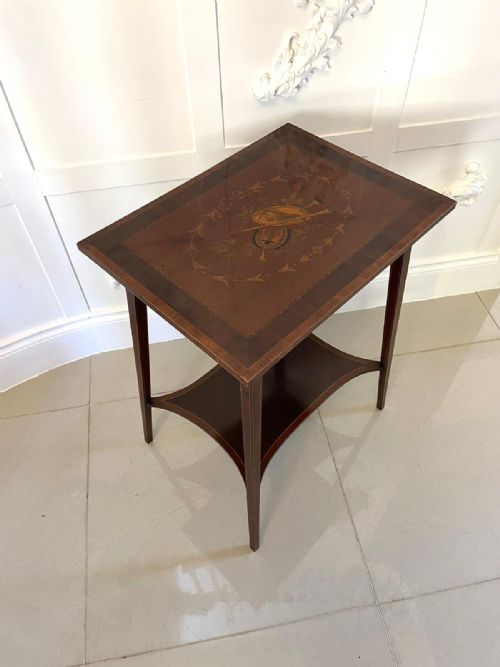
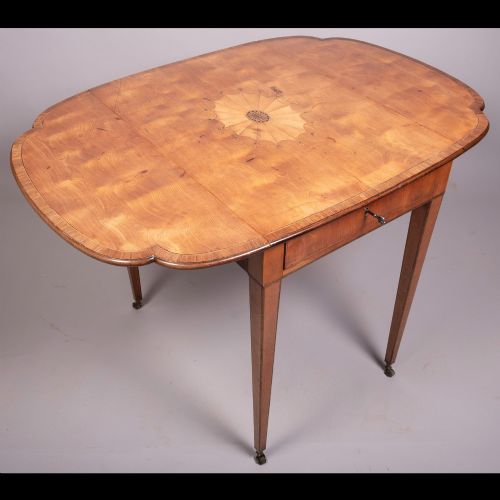
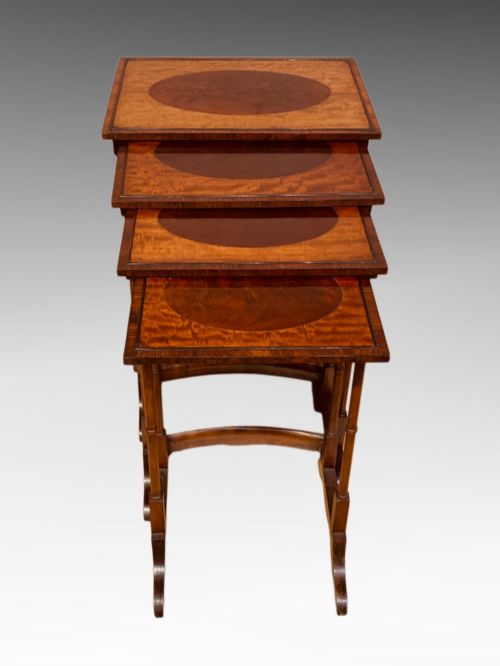
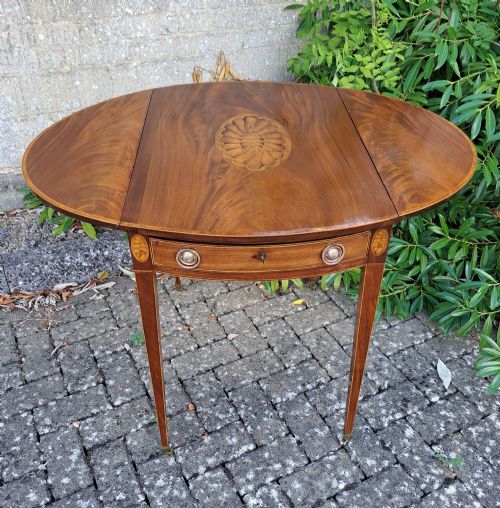
When you search for a satinwood end table, you are looking at small tables designed for occasional use beside seating or in corners, spanning the eighteenth century through the Edwardian period and the early twentieth century. These pieces appear in forms such as side tables, Pembroke tables, lamp tables, and nests of tables, utilising the striking grain of satinwood either as solid timber or as fine veneer.
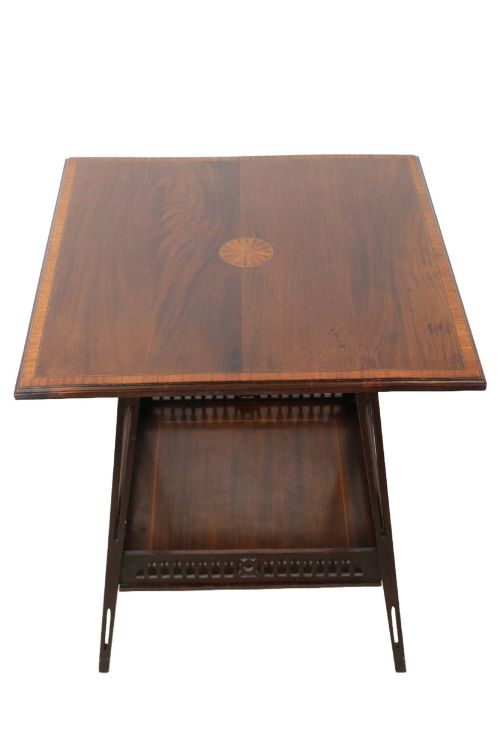
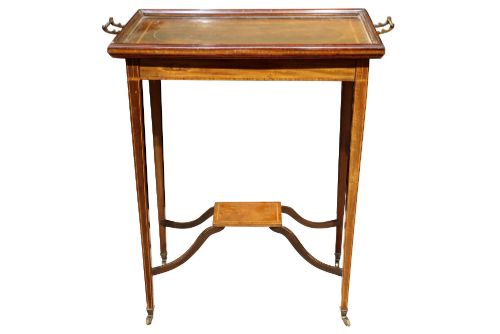
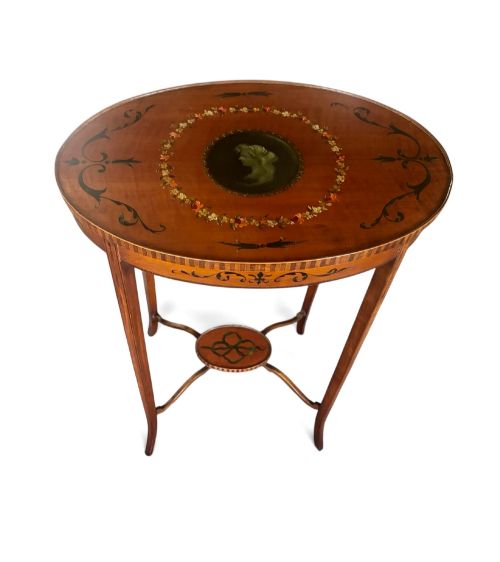
The version you are most likely to meet on this page is an Edwardian occasional table or a nineteenth-century side table, often incorporating mahogany, rosewood, or brass details alongside the primary satinwood surface. Many examples display delicate painted floral decoration, crossbanding, or marquetry inlay reflecting earlier Georgian and Sheraton tastes.
Makers of these tables drew upon classical furniture traditions, producing compact items that functioned as lamp stands, work tables, or bedside surfaces. Their origins range from British workshops working in the Sheraton Revival style to continental pieces referencing earlier French periods.
How they were made
Cabinetmakers constructed these tables using a carcase of sturdy secondary timber, such as mahogany or pine, overlaid with carefully selected satinwood veneers to create a luminous, figured top. Marquetry and parquetry patterns utilised contrasting woods like boxwood, ebony, and rosewood, cut precisely and laid into geometric or floral designs.
Surface ornament often involved hand-painted floral decoration directly onto the wood, protected by clear finishes, alongside delicate stringing and banding that framed the edges of tabletops. Structural hardware included brass fittings, such as galleries, drop handles, and castors on mobile pieces like Pembroke tables.
Satinwood End Table Retail Price Guide 2026
Typical asking prices for satinwood end table among the pieces listed under this phrase on Sellingantiques today, from the lower quarter to the upper quarter. They describe what is for sale here now, not the wider market.
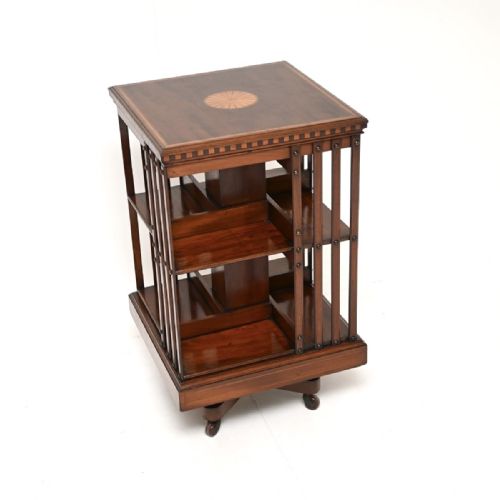
Some Edwardian tables came equipped with revolving bookshelves, solving the eternal household problem of where to put the evening reading.
What varies in quality
The visual impact of a satinwood end table depends heavily on the choice and figuring of the timber veneers, where highly figured wood commands greater presence than plain stock. The precision of the marquetry inlay and the delicacy of any hand-painted decoration further distinguish standard production from exceptional pieces.
Construction methods and secondary details, such as the neatness of the dovetails in drawers, the weight of the brasswork, and the integrity of the joints, mark the distinction between workshops of differing skill levels. Well-balanced proportions and refined tapering legs indicate a closer adherence to original eighteenth-century design standards.
Trevor Page and Co
The Satinwood End Table Glossary
- Satinwood
- A dense, hard timber known for its golden-yellow colour and natural sheen, frequently used as a veneer on fine furniture. It takes a high polish that accentuates its distinctive grain.
- Pembroke table
- A small, versatile table featuring two hinged drop leaves on opposing sides and often a single drawer. Introduced in the eighteenth century, it was easily moved and expanded for writing or dining.
- Marquetry
- The art of applying small pieces of veneer to a structure to form decorative patterns or pictures. Craftsmen used contrasting timbers like ebony, boxwood, and rosewood to create depth and shade.
- Stringing
- A narrow strip of contrasting wood inlaid into a channel on the surface or edge of a piece of furniture. It creates a fine border that outlines tabletops and drawers.
- Sheraton Revival
- A late nineteenth and early twentieth-century design movement inspired by the neoclassical furniture of George Sheraton. It relied on light proportions, satinwood veneers, and painted floral motifs.
Satinwood End Table: Frequently Asked Questions
What is a satinwood end table?
A satinwood end table is a small occasional piece of furniture featuring the pale, lustrous yellow timber known as satinwood, used either as solid wood or fine veneer. These tables were designed for placement beside chairs or in corners to hold lamps, books, or decorative objects.
They appear in various forms across different eras, including Edwardian painted occasional tables, Georgian Pembroke tables, and Victorian side tables. Their compact dimensions made them adaptable for multiple rooms within a home.
How do I care for satinwood?
Satinwood requires gentle treatment to protect its polished surface and delicate veneers from moisture and extreme temperature fluctuations. Dusting with a soft, dry cloth is usually sufficient for routine maintenance.
Avoid placing these tables in direct sunlight, which can fade the characteristic golden hue of the wood over time. Using wax sparingly helps preserve the sheen without building up a heavy residue.
How can I tell the period?
Dating a satinwood end table involves examining the secondary timbers, construction methods, and stylistic cues present in the design. Eighteenth-century and Regency pieces often show hand-cut joinery and heavy reliance on structural mahogany carcasses beneath the veneer.
Edwardian and later revival pieces often incorporate lighter machine-cut elements, specific painted floral motifs, and styles that emulate earlier Georgian or Sheraton aesthetics. Hardware styles and the presence of specific inlay techniques also offer strong clues to the decade of manufacture.
Were these tables painted?
Many satinwood tables, particularly those from the Edwardian period and the Sheraton Revival style, feature hand-painted floral decoration directly on the timber. Artists painted swags, ribbons, and botanical motifs onto the pale wood surface to enhance its decorative appeal.
This painting was typically sealed beneath a protective clear finish to guard against wear during everyday use. Such ornamentation was especially popular during periods that looked back to eighteenth-century classical design.