
Georgian Kneehole Table
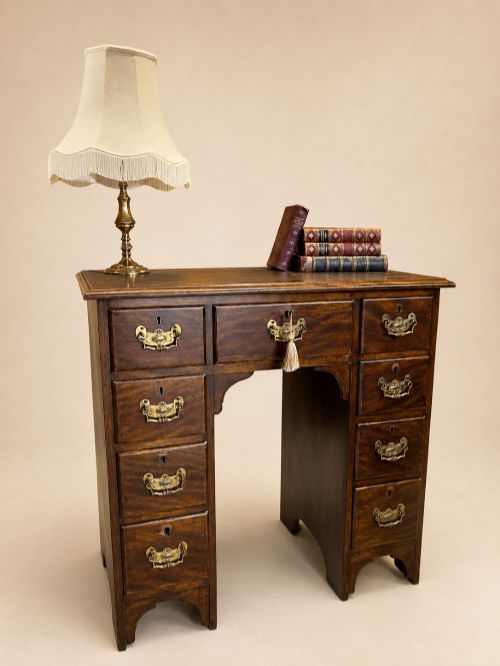
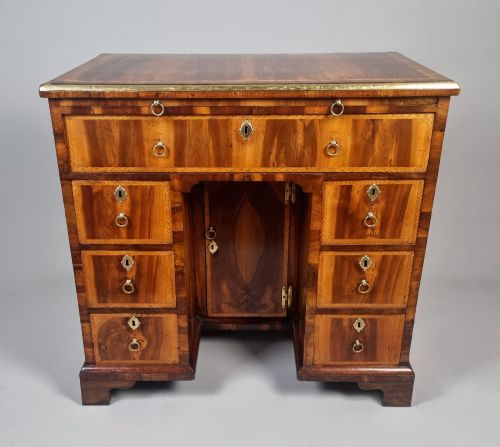
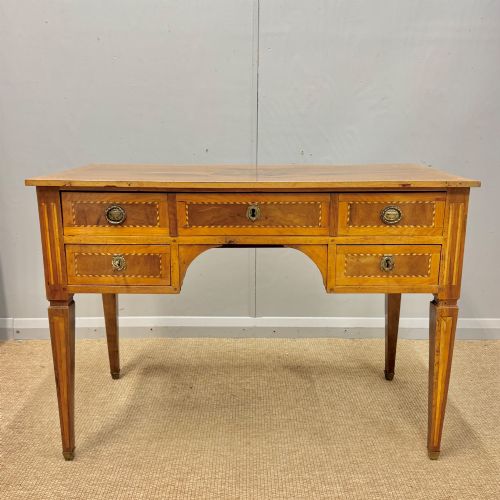
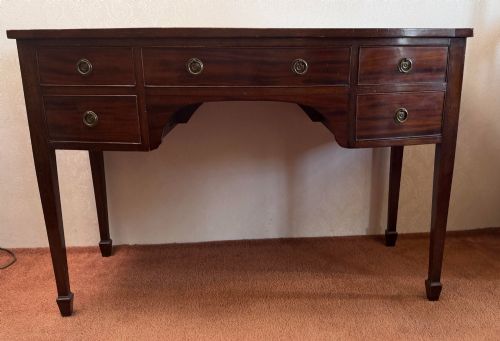
A georgian kneehole table is a compact writing or dressing desk with a central recessed recess flanked by sets of drawers, prized for storage and proportion.
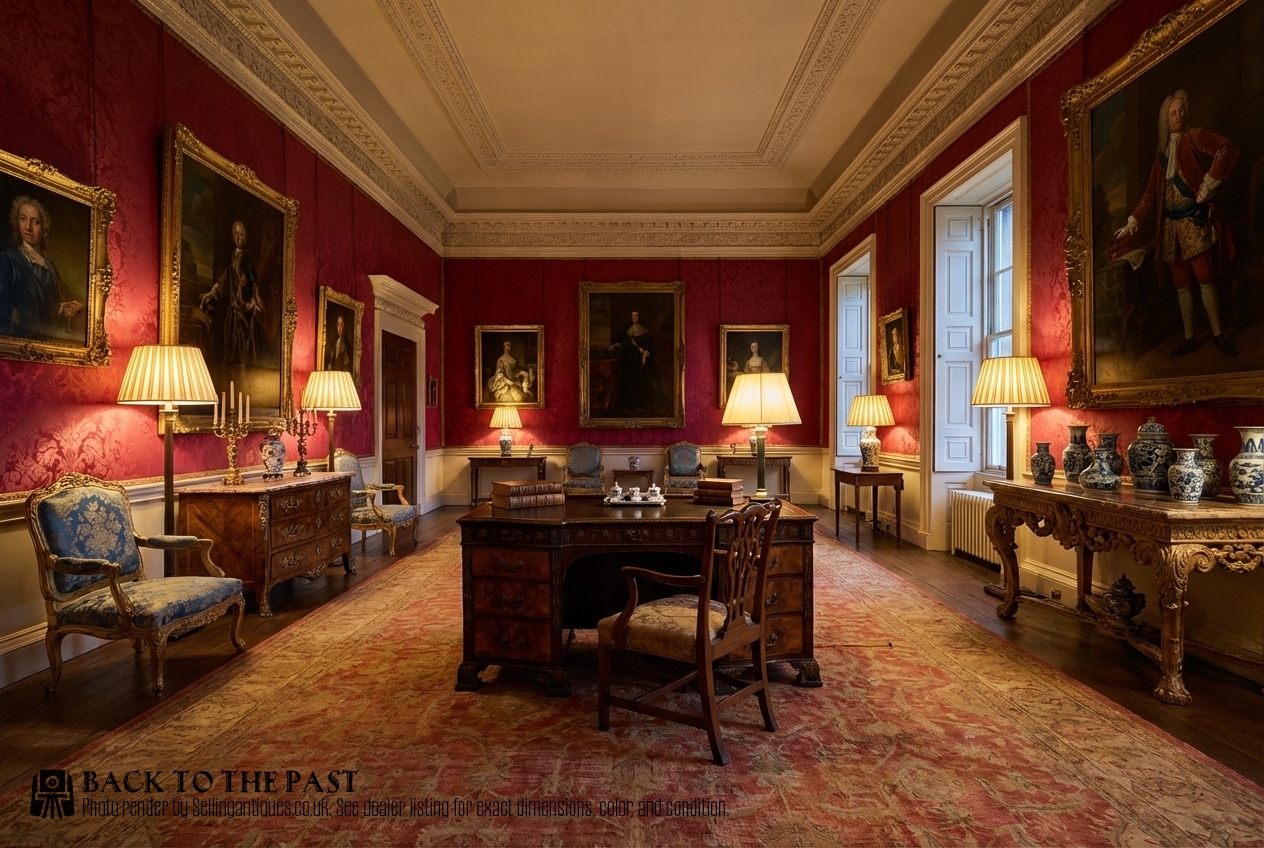
Georgian Kneehole Table
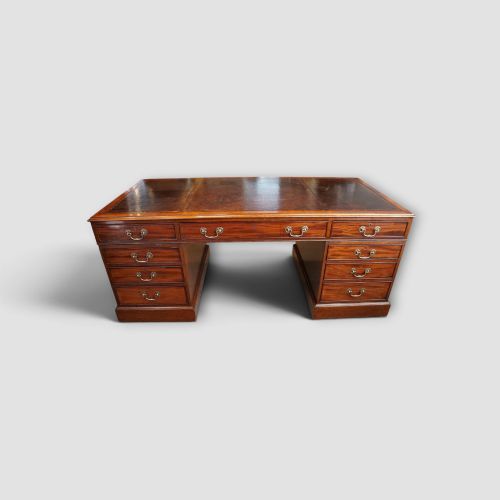
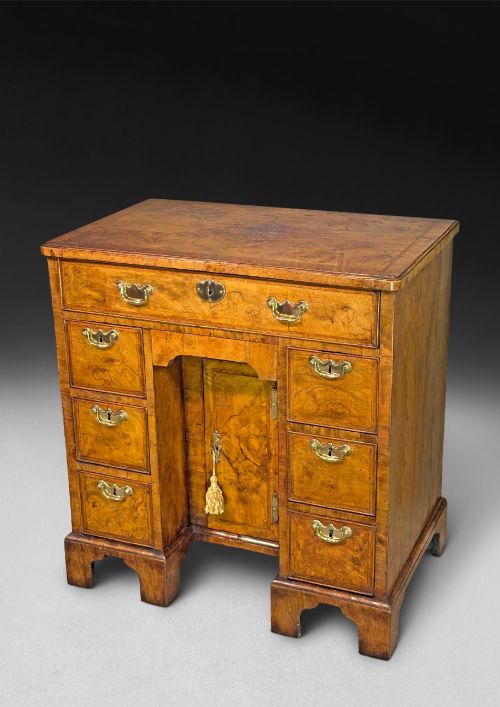
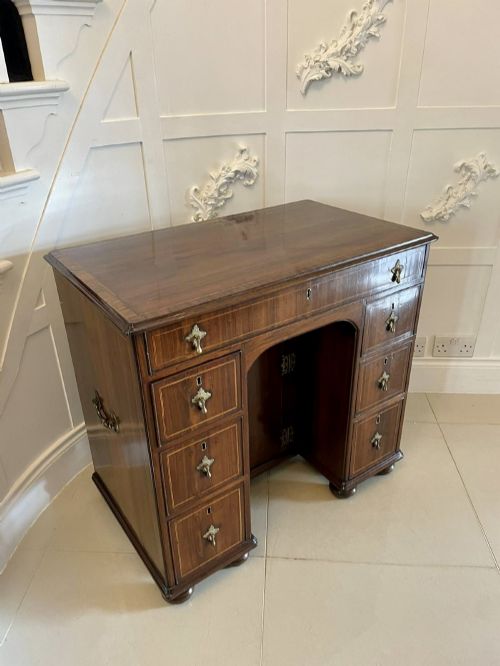
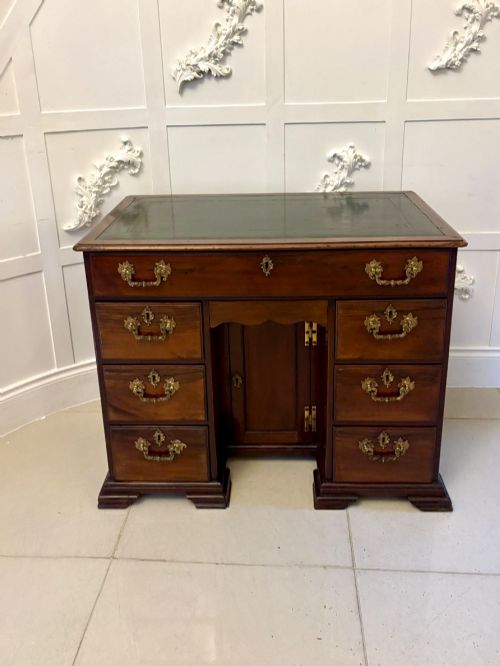
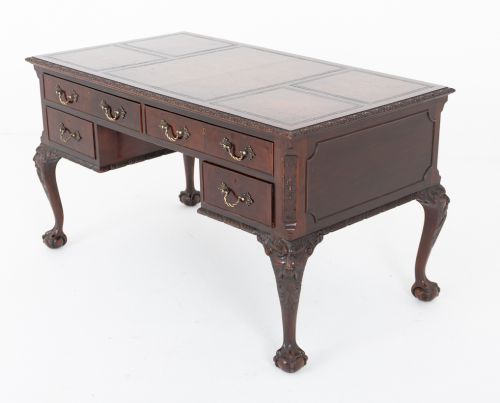
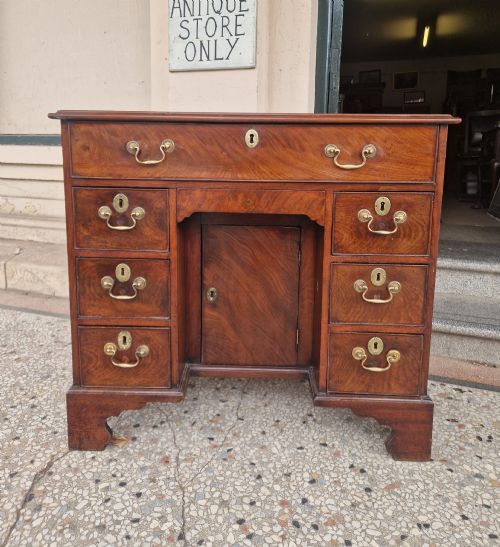
A georgian kneehole table serves as a dual-purpose writing desk or dressing table, featuring a central cupboard or knee space beneath a long drawer. These items appear primarily from the eighteenth century through to the nineteenth century, with later revivals appearing in Edwardian times.
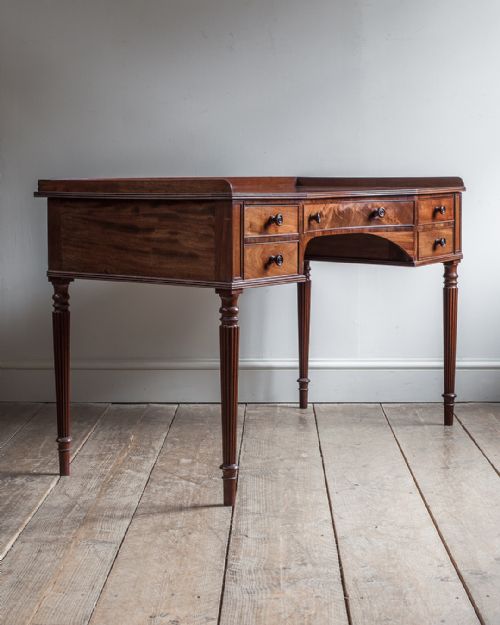
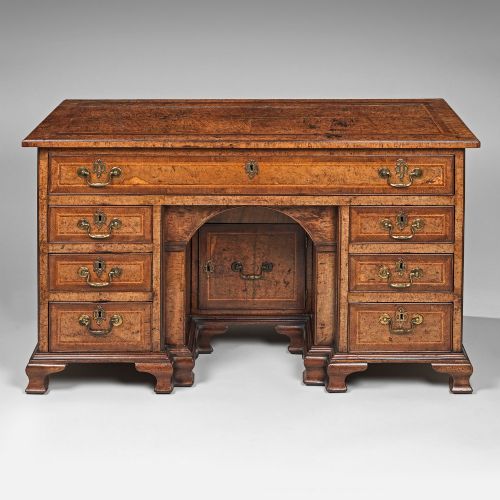
The standard form encountered on this page relies on pedestal banks of small drawers flanking a recessed opening. Timber choices shift between rich mahogany and figured walnut, depending on the exact decade of manufacture.
Early examples originate in the periods of George II and George III, while subsequent variations include Regency designs and later Edwardian interpretations. Buyers often find smaller proportions intended for intimate chambers rather than grand libraries.
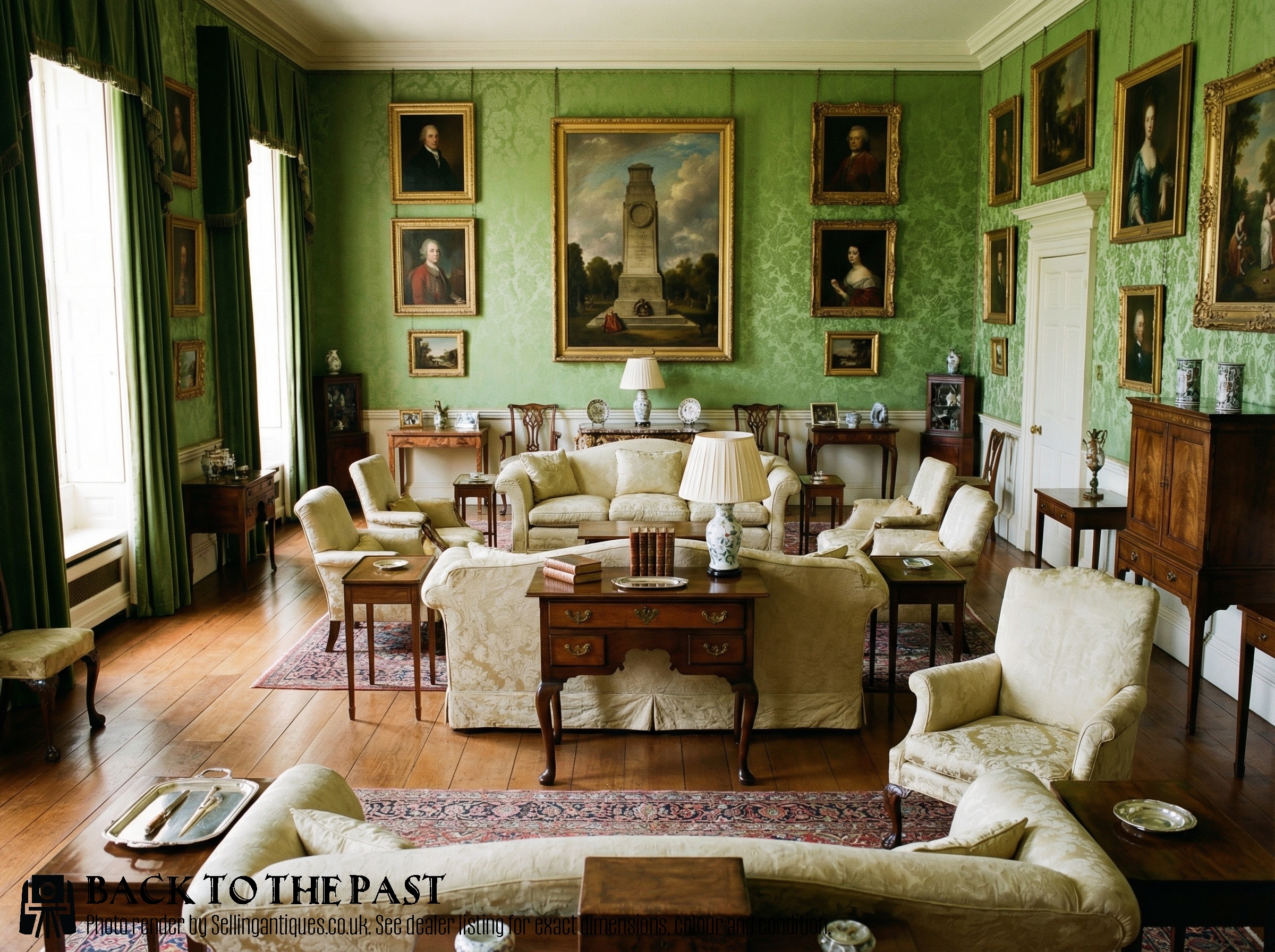
Materials and construction
Cabinet makers constructed these pieces using solid timbers and carefully selected veneers over secondary woods such as oak or pine. Mahogany and walnut dominate the selection, enhanced by burr figuring and flame grain patterns on primary surfaces.
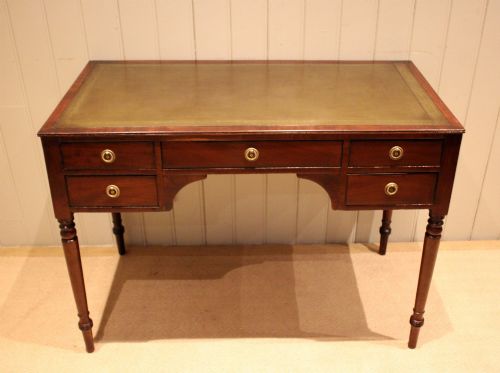
Drawer construction typically involves hand-cut dovetails and solid linings, paired with original brass drop handles or backplates. Secondary decorative elements include boxwood stringing, marquetry details, and occasionally green tooled leather inserts for writing surfaces.
Georgian Kneehole Table Retail Price Guide 2026
Typical asking prices for georgian kneehole table among the pieces listed under this phrase on Sellingantiques today, from the lower quarter to the upper quarter. They describe what is for sale here now, not the wider market.
Some miniature kneehole desks were made for children or apprentices to practice dovetailing.
Evaluating craftsmanship
Quality rests upon the preservation of original surfaces, timber selection, and the crispness of internal drawer joinery. Finer specimens display highly figured walnut or flame mahogany matched symmetrically across drawer fronts.
The survival of original brass hardware and untouched drawer linings separates superior examples from later assembled pieces. Proportions also dictate standing, as smaller, well-balanced pedestal desks command greater attention than heavy or altered carcases.
The Georgian Kneehole Table Glossary
- Kneehole
- A recessed space beneath a desk or dressing table designed to accommodate the user's legs while seated. This central void often conceals a small cupboard door.
- Lowboy
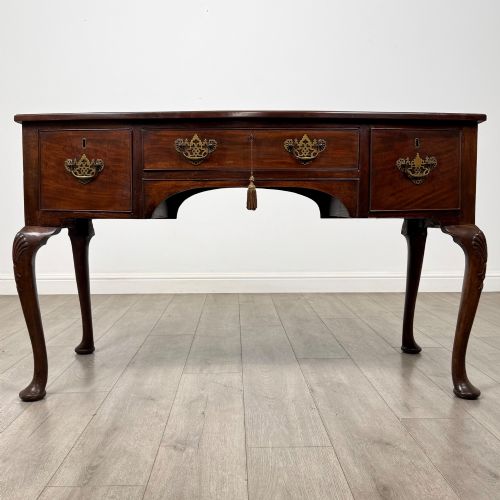
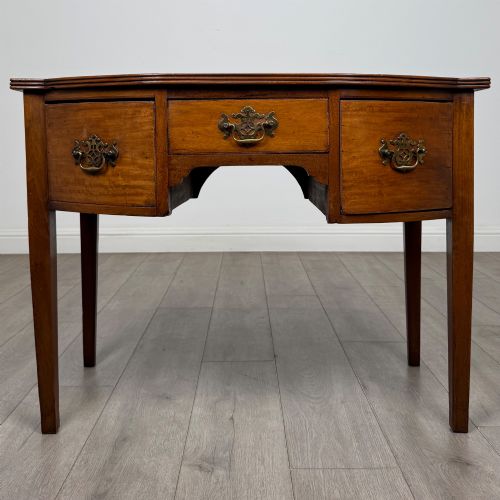
- A small table with drawers, standing on relatively tall legs, frequently used as a dressing table or side table in eighteenth-century rooms.
- Dovetail
- A traditional interlocking joint used in drawer construction to ensure durable and rigid corner connections. Hand-cut variations help indicate older periods of manufacture.
- Burr walnut
- Timber taken from a excrescence on a walnut tree, yielding highly decorative swirling grain patterns. Cabinet makers prized this material for high-status drawer fronts and top panels.
- Stringing
- Thin inlaid lines of contrasting wood, such as boxwood, used to edge drawer perimeters and top surfaces. This decorative technique highlights geometric borders on eighteenth-century furniture.
Georgian Kneehole Table: Frequently Asked Questions
What is a kneehole table used for?
These pieces functioned historically as writing desks or dressing tables within private chambers and dressing rooms. The central recess allows the user to sit close while drawers organise papers or personal items.
Today, they serve equally well as compact writing desks in modern studies or as striking console tables in hallways.
How do I spot an eighteenth-century piece?
Examine the timber selection, drawer construction details, and overall proportions of the carcase. Eighteenth-century examples generally feature hand-cut dovetails, solid oak drawer linings, and period brass hardware.
Later Victorian and Edwardian revivals often utilise machine-sawn elements and different secondary woods behind the primary mahogany or walnut veneer.
Are these desks suitable for daily work?
Their compact dimensions make them excellent writing surfaces for laptops and occasional correspondence. The central knee space provides adequate legroom for comfortable sitting.
Buyers should check the height of the kneehole opening, as older desks were occasionally built lower than modern seating requires.
What is the difference between a lowboy and a kneehole table?
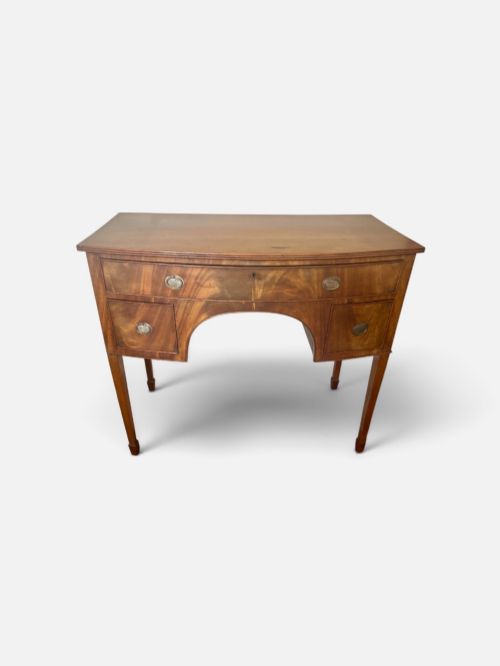
A lowboy is essentially a small table supported on four legs with one or more rows of drawers beneath the top. It lacks the enclosed pedestal banks found on standard kneehole tables.
Kneehole tables provide twin stacks of drawers flanking the central recess, offering significantly more compartmentalised storage space.