







Georgian Inlaid Wood Box
A georgian inlaid wood box brings together fine cabinet-making and functional storage, offering a tangible link to 18th and 19th-century domestic life.
Georgian Inlaid Wood Box
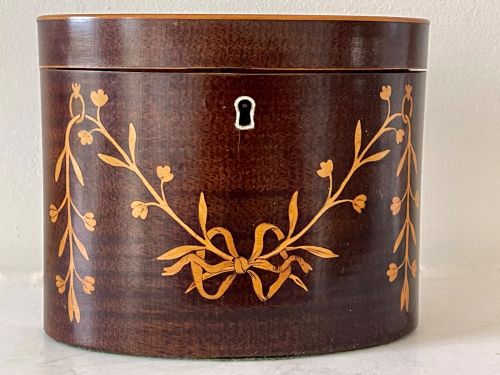
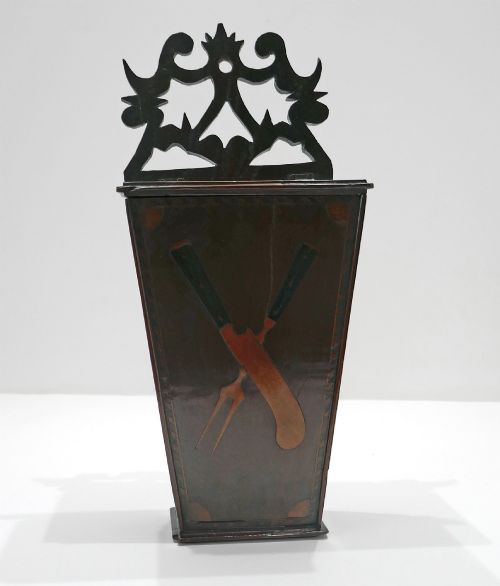
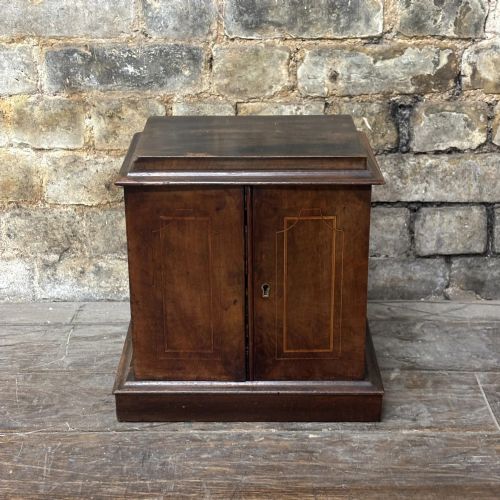
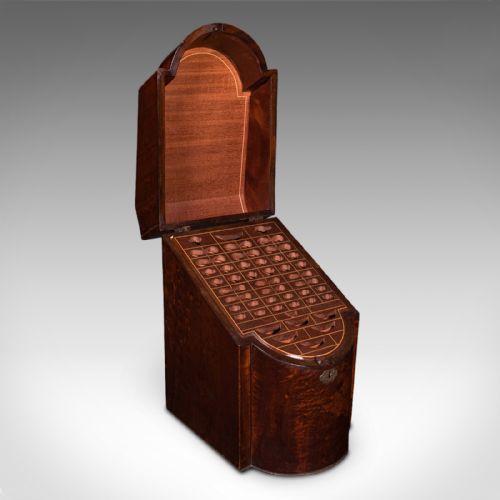
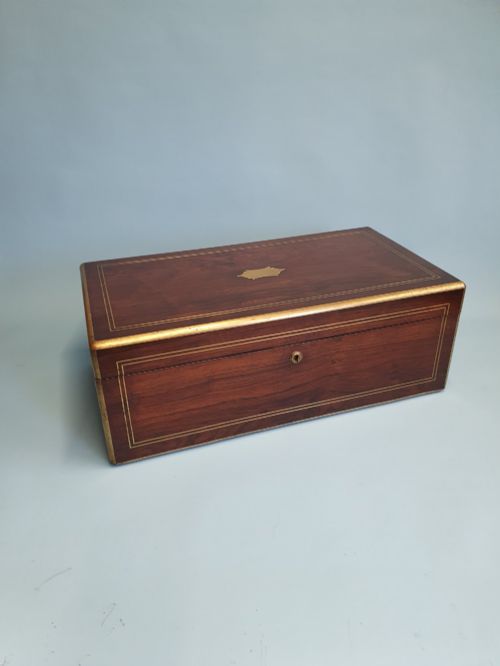
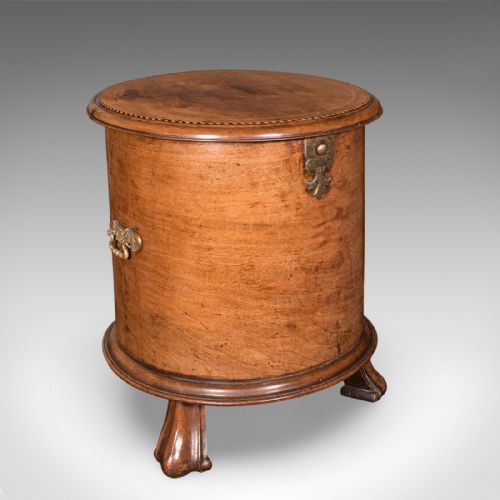
A georgian inlaid wood box encompasses a range of domestic containers designed for specific uses, most notably tea caddies, writing slopes, jewellery boxes, and snuff boxes. These objects originate primarily from the 18th century, the Georgian period, and the Regency era, reflecting the period's demand for orderly and decorative personal storage. Buyers searching this phrase will most frequently encounter tea caddies and writing slopes executed in mahogany or rosewood.
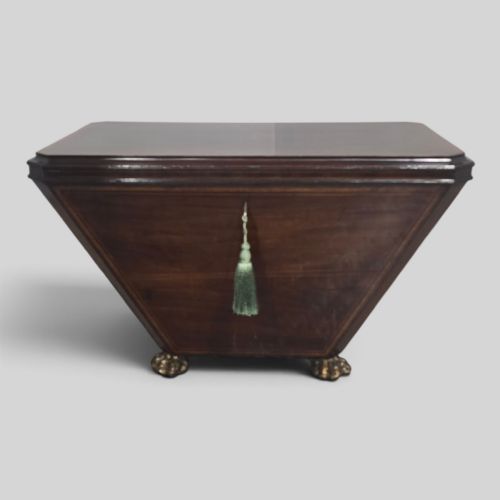
The architectural forms vary from simple rectangular caddies to sarcophagus shapes and hexagonal designs, often housing internal compartments or mixing bowls. Surviving examples demonstrate how homeowners stored precious commodities like tea, documents, and jewellery securely. These pieces span the transition from late 18th-century satinwood elegance to the bolder rosewood and brass styles of the Regency decades.
Materials and Technique
Cabinet-makers constructed these boxes using dense timbers such as mahogany, rosewood, and walnut, frequently contrasting them with lighter decorative veneers like boxwood, satinwood, harewood, and yew wood. Wood inlay techniques, including shell motifs, geometric stringing, and parquetry, define the surface decoration. Brass inlay and brass pique work also appear, particularly on Regency pieces, adding metallic contrast to the timber grain.
Internal elements often feature secondary woods alongside velvet, leather, or paper linings, with fitted compartments for spoons, inkwells, or trays. Construction relied on tight dovetail joints for structural rigidity and precise veneering over a stable softwood or hardwood core. Metal hardware such as lion mask handles, escutcheons, and locks completed the assembly.
Georgian Inlaid Wood Box Retail Price Guide 2026
Typical asking prices for georgian inlaid wood box among the pieces listed under this phrase on Sellingantiques today, from the lower quarter to the upper quarter. They describe what is for sale here now, not the wider market.
Markers of Quality
Quality rests in the crispness of the inlay work, the selection of figured timber veneers such as flame mahogany or burr yew, and the integrity of the original construction. Superior boxes display seamless veneer matching across the lid and sides, with delicate, well-executed stringing or shell motifs rather than crude surface painting. The precision of the joinery and the survival of internal fittings, secret drawers, and matching key escutcheons distinguish finer examples.
The sophistication of the form also dictates the tier of the piece, moving from straightforward rectangular storage to complex sarcophagus bodies, combination sewing boxes, and pieces incorporating specialised brass inlay. Maker attribution, through stamps or documented provenance, further separates standard workshop production from high-end cabinet-making.
Edwards and Roberts·Holtzapffel and Co
The Georgian Inlaid Wood Box Glossary
- Tea Caddy
- A small box or chest designed specifically to store loose tea leaves securely. They frequently feature internal lidded compartments to separate different tea varieties.
- Writing Slope
- A portable desk with a hinged, slanted lid that opens to reveal a writing surface, pen trays, and inkwell compartments. These often incorporate secret drawers for sensitive documents.
- Sarcophagus Form
- A distinct box style featuring an inverted trapezoidal shape resting on bun feet or a plinth, popular during the Regency period. This architectural silhouette allowed for substantial proportions and bold rosewood veneers.
- Stringing
- A thin, linear inlay of contrasting wood inserted into a channel cut into the primary surface. It creates delicate geometric borders around panels and box lids.
- Pique Work
- The technique of embedding tiny pins or dots of brass or silver into wood or tortoiseshell to form floral or foliate patterns. It requires immense precision from the artisan.
- Harewood
- Sycamore wood that has been stained grey using chemical processes or mineral dyes. It was a favoured material for high-end neoclassical marquetry.
Georgian Inlaid Wood Box: Frequently Asked Questions
What was a tea caddy used for?
Tea caddies stored high-value dry tea leaves when tea was an expensive commodity kept under lock and key. The containers preserved the aroma and kept moisture away from the leaves.
Many examples included a small glass or crystal mixing bowl in the centre alongside lidded canisters for green and black teas.
How do I identify a Regency box?
Regency boxes typically feature dark timbers like rosewood contrasted with bold brass inlay, lion mask handles, and architectural sarcophagus shapes. The decorative vocabulary leans towards classical revival motifs.
Earlier Georgian boxes favour satinwood and mahogany with delicate shell inlays and lighter stringing lines, reflecting a different aesthetic.
What is a writing slope?
A writing slope is a portable desk that folds open to provide a sloping leather or velvet-lined writing surface. They were essential for correspondence when furniture was less fixed.
Inside, you will often find small drawers, pen recesses, and compartments for ink bottles and blotting paper.
Are these boxes still functional?
Most antique boxes adapt well to modern domestic use for storing jewellery, watches, letters, or small keepsakes. Their divided interiors and lidded compartments suit small items.
Original locks and hinges remain usable, though keys are sometimes missing or replaced on older examples.