

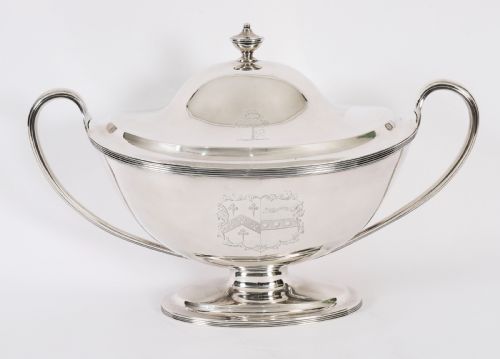


Georgian Dish Cover
A georgian dish cover is a tableware vessel designed to keep food warm at the dining table, combining practical utility with refined period craftsmanship.
Georgian Dish Cover
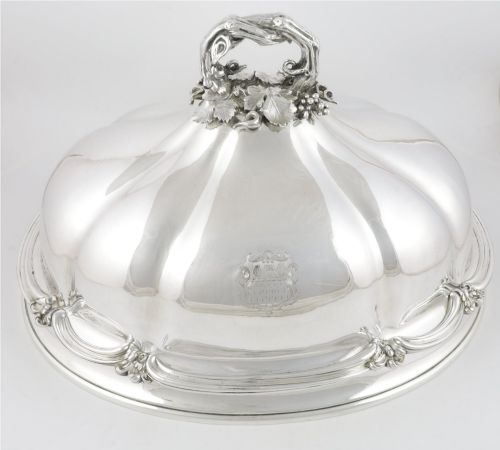
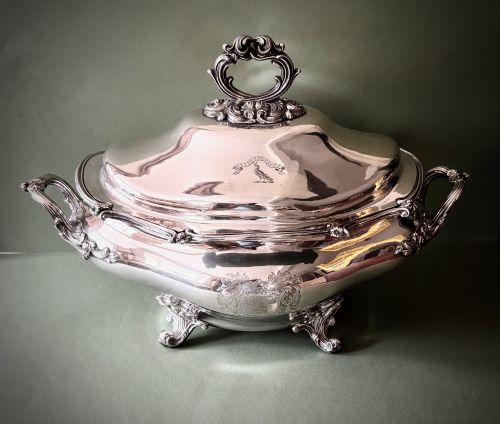
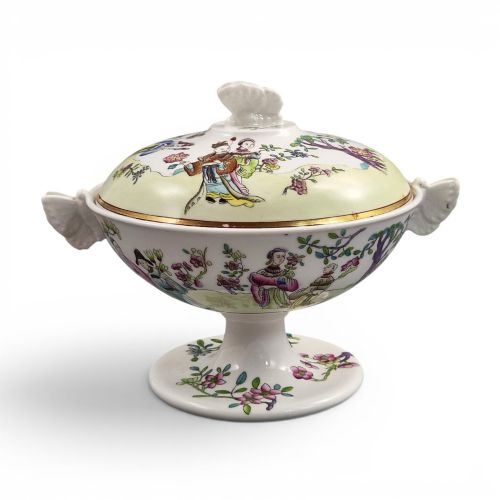
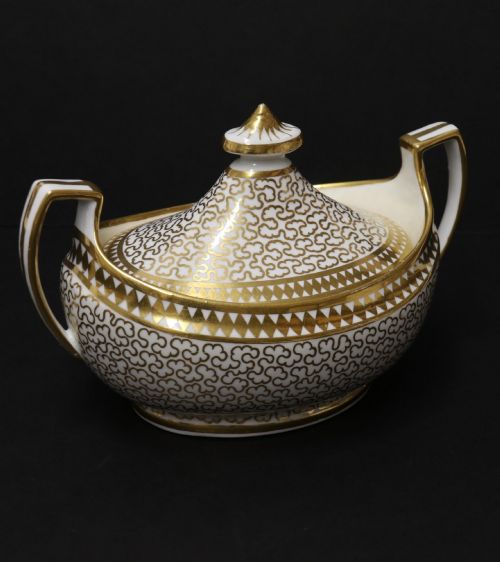
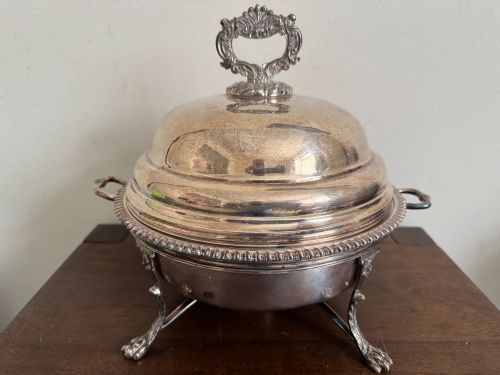
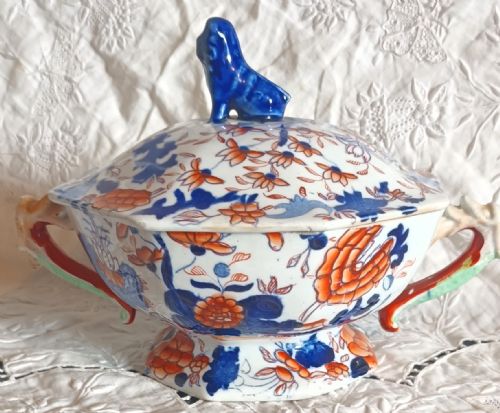
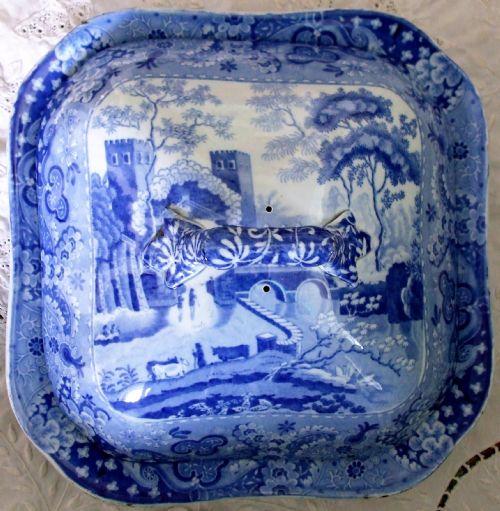
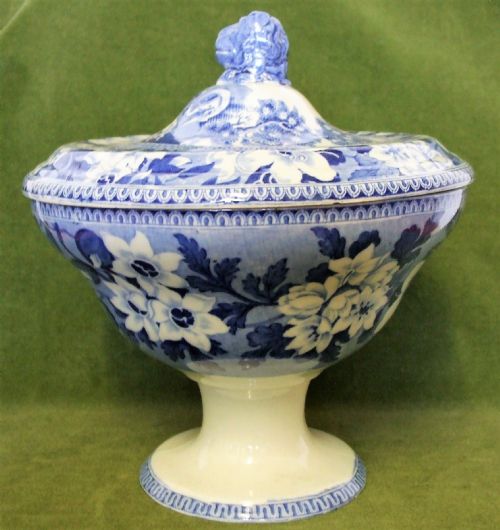
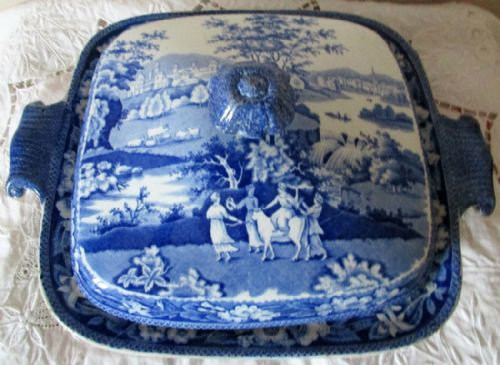
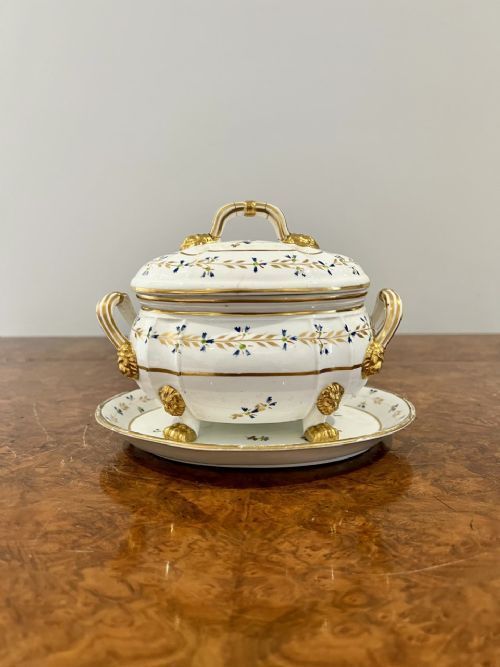
A georgian dish cover encompasses a range of serving vessels, meat domes, and tureens intended for grand dining tables. The items on this page span several specific forms, including sauce tureens, vegetable tureens, meat domes, and butter dishes.
The materials vary across earthenware, porcelain, ironstone, and silver plating such as Old Sheffield Plate. These pieces reflect the dining customs of the eighteenth and nineteenth centuries, often appearing alongside matching bases and lampstands.
How They Were Made
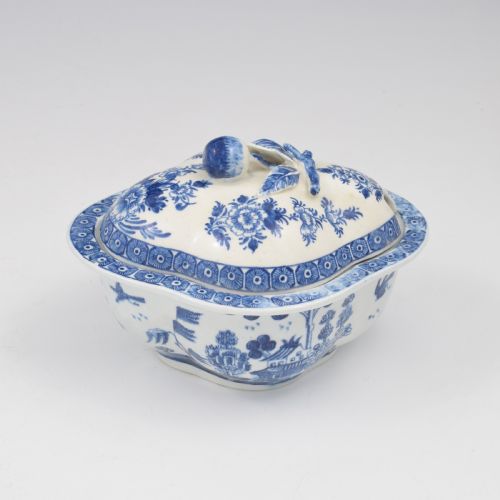
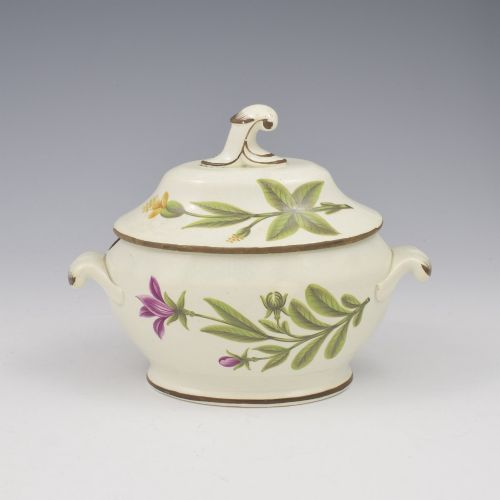
Pottery and porcelain examples utilise moulded earthenware, bone china, or ironstone, decorated with transfer printing in blue and white or hand-painted enamels. Metal items employ fused silver and copper in Old Sheffield Plate or solid sterling silver shaped by hammering and casting.
Makers applied intricate detailing such as gilding, gold leaf, and applied handles shaped like lions or butterflies. Glazing protects the ceramic surfaces, while metal covers rely on polished plating over base metal or solid silver construction.
Listings feature ceramics from eighteenth-century factories alongside nineteenth-century metalwork in Old Sheffield Plate and sterling silver.
What Varies in Quality
The distinction between standard utility items and finer pieces lies in the crispness of the moulding, the complexity of the transfer-printed patterns or hand-painted enamels, and the weight of the metal. Superior Old Sheffield Plate reveals careful fusion of silver over copper without excessive wear through to the base metal.
Makers known for exceptional porcelain bodies and ironstone formulations, such as Worcester or Mason's, produce items with sharper relief and more precise glaze application. Finely cast handles, armorial engravings, and matching covers or stands elevate the stature of a piece within its period.
Roberts Cadman·Derby Porcelain·Spode Felspar Porcelain·Chamberlains Worcester·William Bennett·J and R Clews·John Rogers and Son·John and Richard Riley·Crown Derby·Henry Wilkinson·Boulton·William Grundy·Flight Barr and Barr·Wedgwood·Mason Ironstone
The Georgian Dish Cover Glossary
- Old Sheffield Plate
- A composite material made by fusing a thin sheet of silver to a thicker copper base. This technique preceded modern electroplating and leaves a characteristic copper seam visible on edges.
- Transfer Printing
- A method of decorating ceramics by engraving a design on a copper plate, pulling it on tissue paper, and transferring the ink onto the biscuit pottery before glazing.
- Ironstone
- A heavy, durable type of earthenware patented by Charles Mason. It mimics porcelain through strength and density, frequently decorated with Chinoiserie patterns.
- Tureen
- A deep, covered bowl used for serving soups, sauces, or vegetables at the table. These vessels often sit upon matching ceramic or metal stands.
- Meat Dome
- A large, domed metal or ceramic cover designed to retain heat over joints of meat on a serving platter. They often feature cast handles for lifting.
Georgian Dish Cover: Frequently Asked Questions
What is a georgian dish cover used for?
These covers served primarily to keep joints of meat, vegetables, or sauces warm while transported from the kitchen to the dining table. They formed part of large dinner services designed for formal household entertaining.
Over time, many pieces transitioned from active dining implements to decorative display items. Collectors today utilise them to add period character to dining rooms and sideboards.
How do I identify Old Sheffield Plate?
Old Sheffield Plate is produced by fusing silver to copper, visible as a subtle line of copper showing along exposed edges or seams. It differs from later electroplated wares by this distinct layered construction.
The metal also carries a softer lustre compared to modern silver plate. Makers often stamped their marks near the rim or handle.
What is ironstone pottery?
Ironstone is a dense, durable ceramic developed as a tougher alternative to porcelain. It resists chipping and staining while accepting rich, brightly coloured glazes.
Many examples feature hand-painted or transfer-printed Chinoiserie and floral patterns. Mason's remains the most prominent producer of this heavy earthenware.
How do I care for antique ceramics?
Antique pottery and porcelain require gentle hand washing in lukewarm water using mild detergent. Abrasive sponges or dishwasher cycles damage historic glazes and delicate gold leaf.
Store pieces securely away from direct sunlight to preserve hand-painted enamels and transfer prints. Metal covers benefit from occasional light polishing with appropriate silver care products.