



Antique Cloche Dome
An antique cloche dome offers a clear glass cover designed to protect and display prized curiosities from the Victorian and Edwardian eras.
Antique Cloche Dome
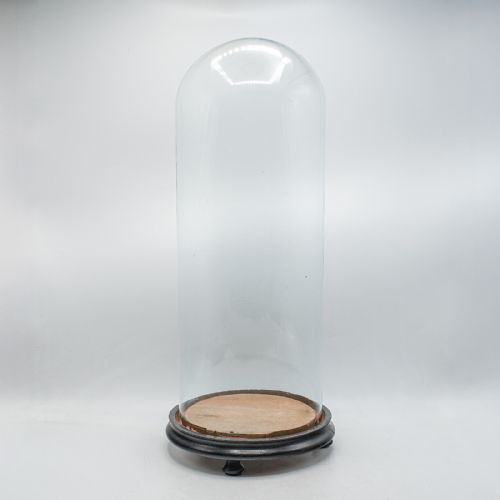
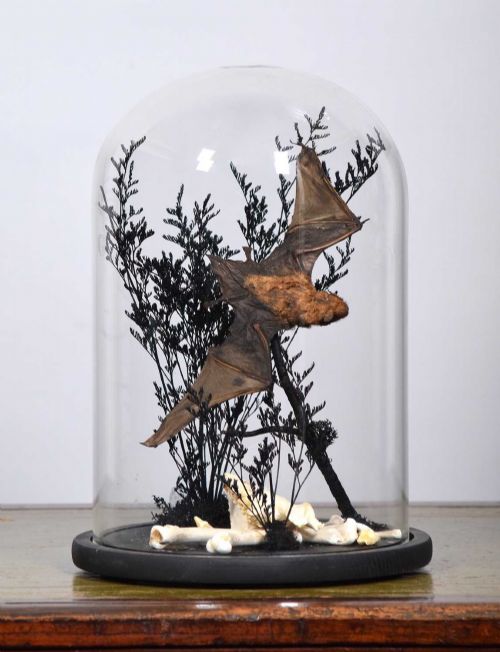
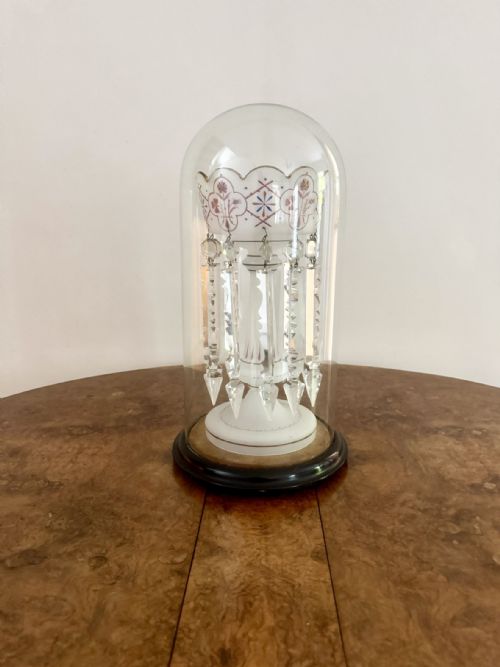
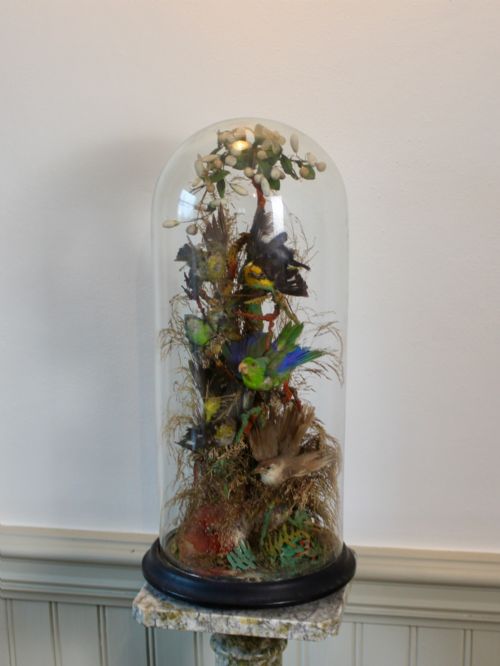
When you search for an antique cloche dome, you encounter blown and cast glass covers alongside fitted bases made of wood or metal. These pieces serve primarily to shelter delicate taxidermy specimens, mantel clocks, and decorative arrangements from dust.
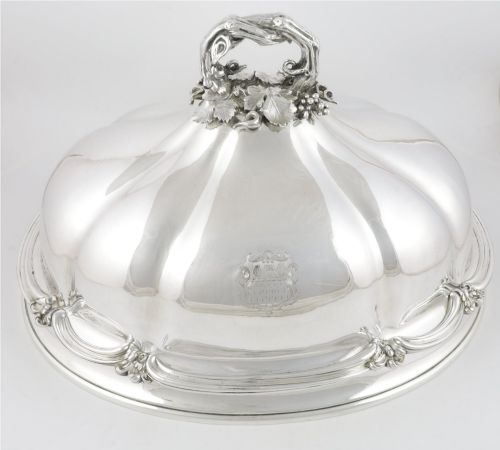
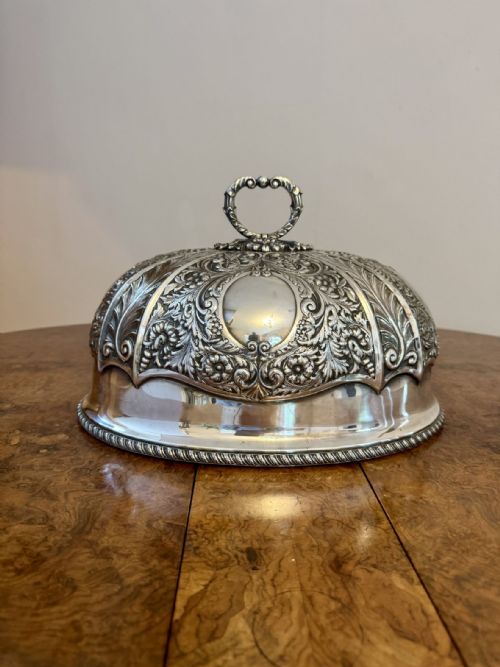
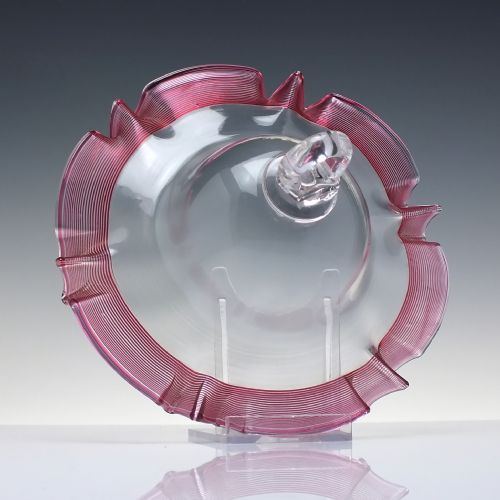
The selections span simple Victorian and Edwardian display showcases through to robust Old Sheffield Plate meat covers and serving domes. Tall cylindrical glass variants sit alongside flat-sided and oval specimens designed for specific table or mantel displays.
How they were made
Makers formed the transparent covers using blown or drawn glass techniques, often resulting in subtle optical waves and variations within the thickness of the material. Wooden bases utilise turned ebonised wood, beech, and oak to anchor the glass securely.
Metal components draw upon silver plate, copper, brass, and Old Sheffield Plate, particularly for heavy meat covers and clock garnitures. Interior displays incorporate organic media such as feathers, fabrics, and prepared biological specimens.
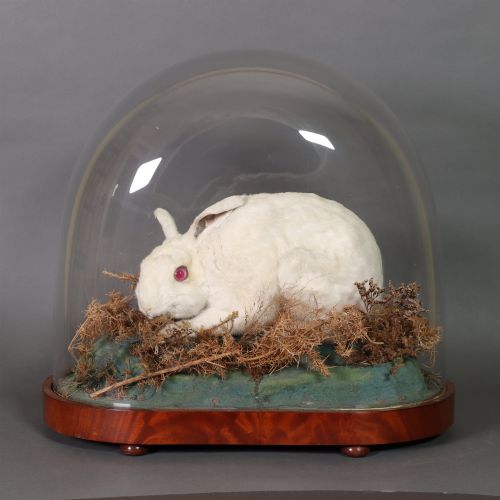
Several domes contain elaborate arrangements of snow buntings, albino rabbits, and exotic birds of paradise prepared by celebrated Victorian taxidermists.
What varies in quality
The sophistication of the internal contents, from intricate French beadwork bouquets to detailed taxidermy by known practitioners, elevates the entire assembly. Original matching wooden stands and undisturbed glass covers determine the integrity of the piece.
James Gardner of London·Henry Ward London·Roberts Cadman·Henry Wilkinson·A Pollard
The Antique Cloche Dome Glossary
- Cloche dome
- A bell-shaped or cylindrical glass cover used to protect food, clocks, or delicate specimens. The form derives from gardening bell jars adapted for interior display.
- Old Sheffield Plate
- A composite material formed by fusing a thin sheet of silver to a thicker copper base. Makers utilised this technique for meat domes before electroplating became common.
- Taxidermy showcase
- An enclosed glass dome housing preserved birds, mammals, or botanical arrangements. These displays often feature detailed artificial rockwork or foliage.
- Fusee skeleton clock
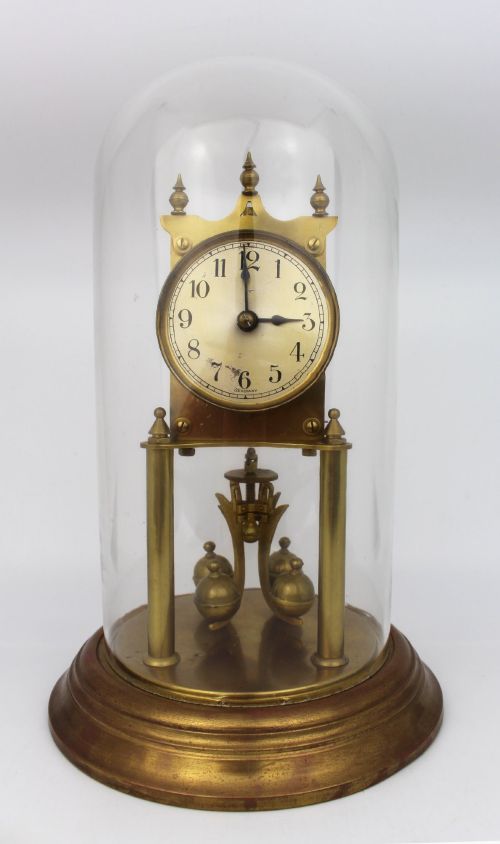
- A timepiece revealing its wheel work and movement through open brass plates. These mechanisms frequently stand beneath dedicated glass domes to prevent dust accumulation.
- Ebonised wood
- Timber stained or treated to imitate dense ebony. This finish appears frequently on the turned bases of Victorian display domes.
Antique Cloche Dome: Frequently Asked Questions
What fits under an antique cloche dome?
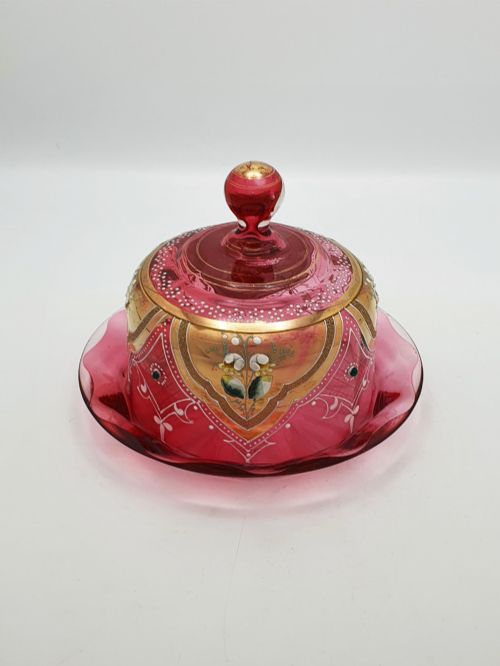
These glass covers accommodate delicate Victorian taxidermy birds, intricate artificial flower bouquets, and mechanical skeleton clocks. They also serve to cover cheese dishes and meat joints on formal dining tables.
Collectors match the internal height and base diameter of the dome to the specific dimensions of the curiosity or timepiece they intend to display.
How do I clean an antique glass dome?
Maintenance requires removing the glass cover from its wooden or metal base to clean it independently with mild glass cleaner and a soft cloth. Care must be taken near aged blown glass to avoid applying excessive pressure.
Wooden and metal bases should only be dusted with a dry brush to preserve original finishes and ebonised treatments without introducing moisture.
Are these domes attached to their bases?
Most antique glass domes rest loosely within a groove or channel carved into the wooden or metal base rather than being permanently fixed. This allows collectors to lift the glass away safely when accessing internal items.
Heavier meat domes function as standalone covers that lift completely off silver plated trays or platters during service.
How do I tell Victorian domes from Edwardian ones?
Victorian examples often feature heavier, hand-blown glass with distinct optical ripples and are frequently paired with ebonised wood bases holding taxidermy or beadwork. Edwardian versions tend to show slightly more uniform machine-drawn glass manufacture and utilise lighter oak or beech bases.
Examining the turning style of the wooden base and the weight of the glass helps indicate the manufacturing period.