
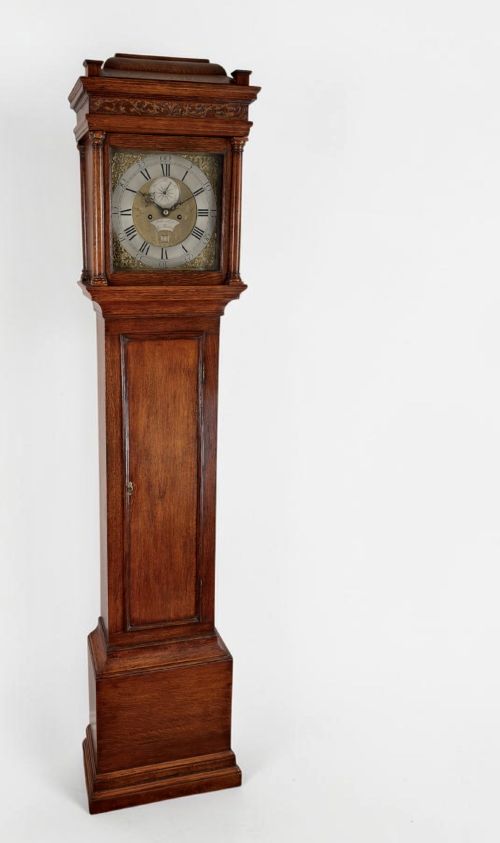
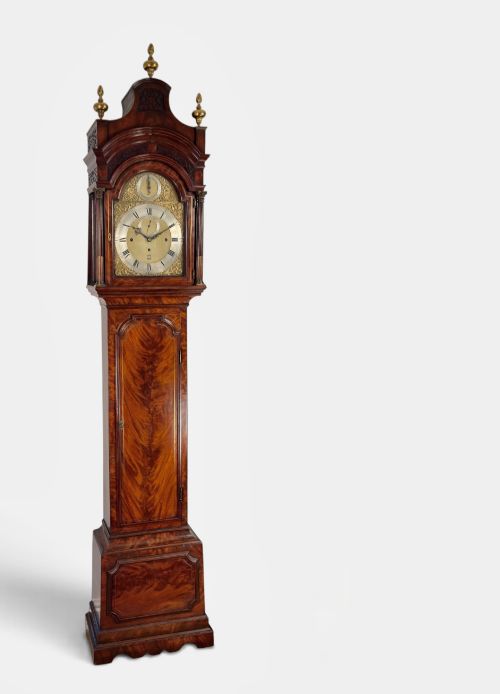
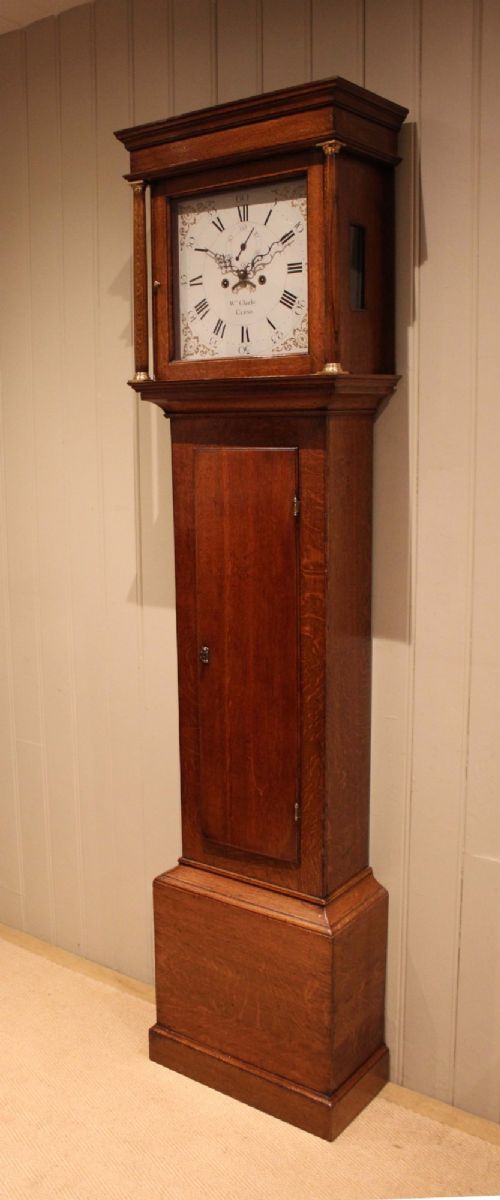
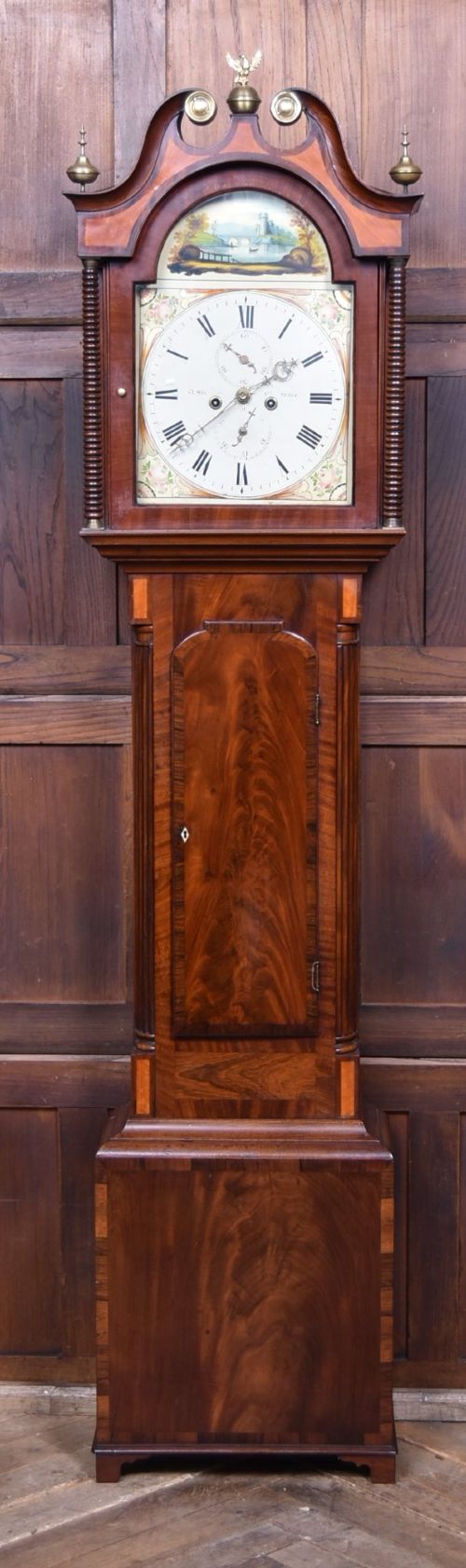

Georgian Dial Clock
When you search for a georgian dial clock, you are looking at timepieces that combine practical utility with cabinetmaking traditions spanning the eighteenth and nineteenth centuries.
Georgian Dial Clock
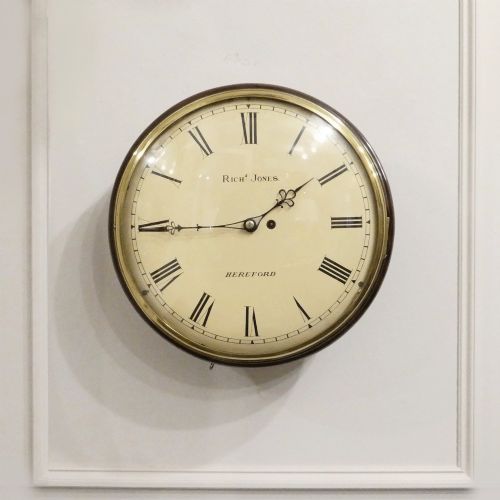
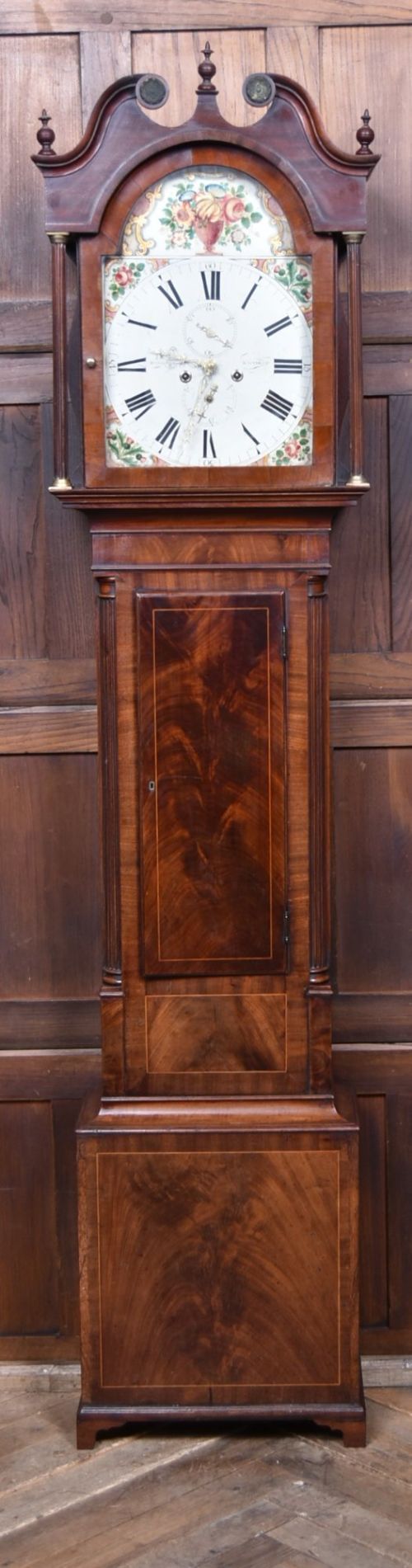
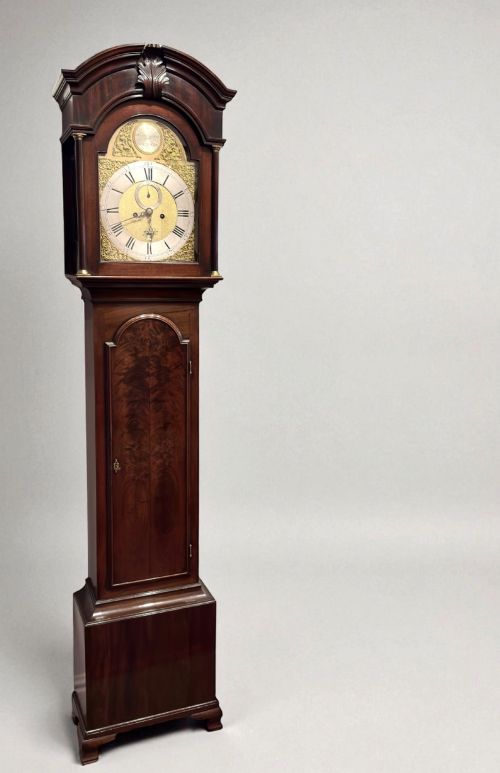
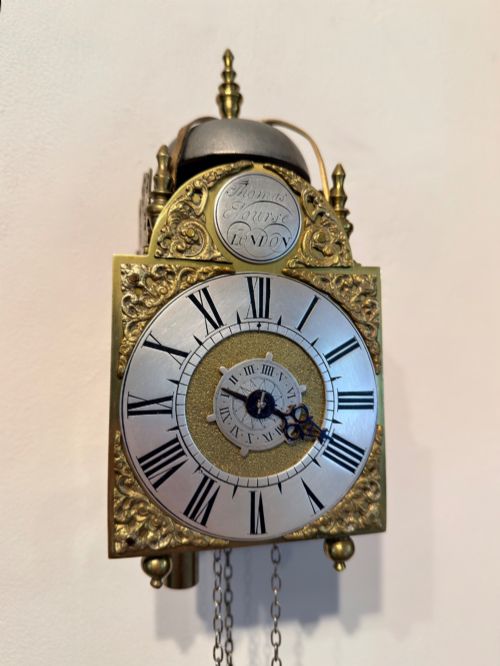
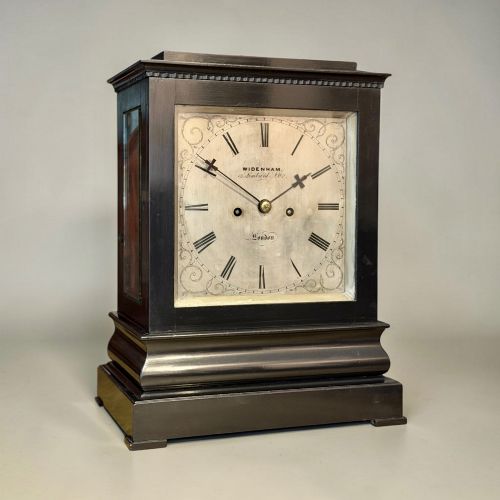
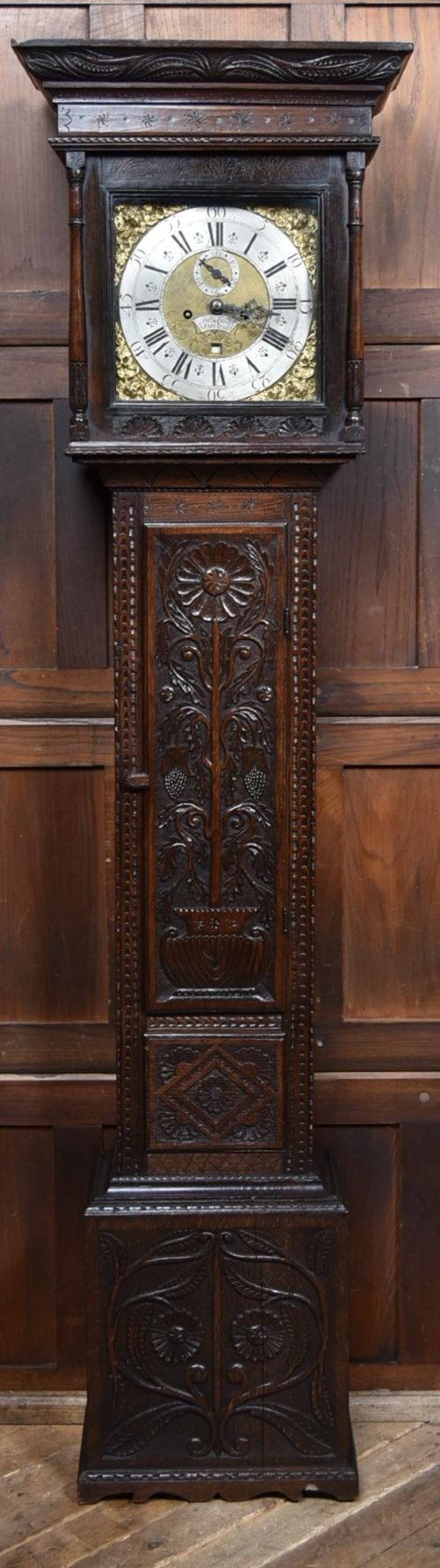
A georgian dial clock primarily encompasses wall-hung timepieces alongside taller floor-standing longcase examples featuring prominent circular or arched faces. Wall versions range from fusee timepieces with drop cases to convex wooden dials designed for clear legibility in public spaces and domestic rooms.
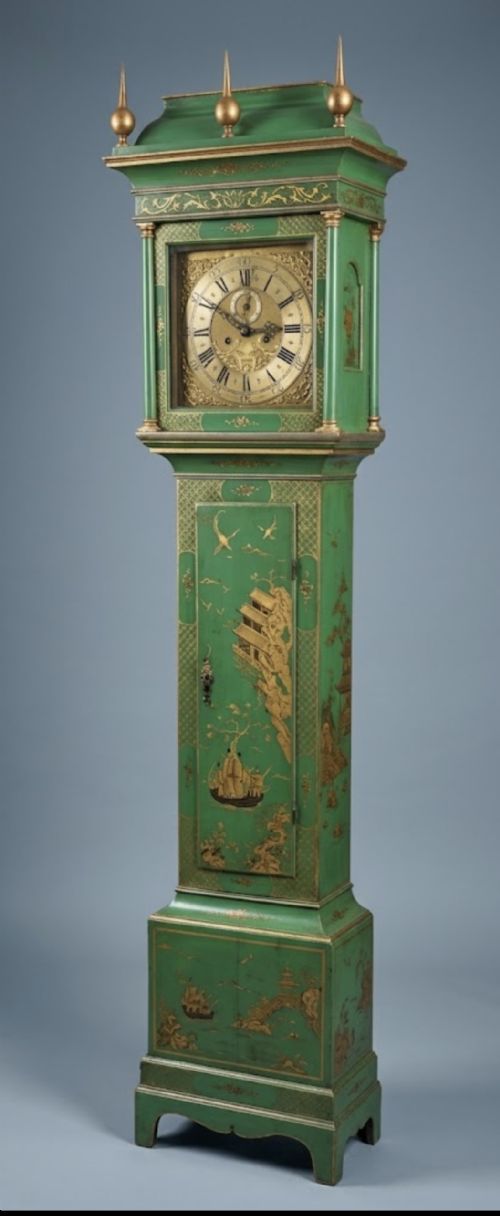
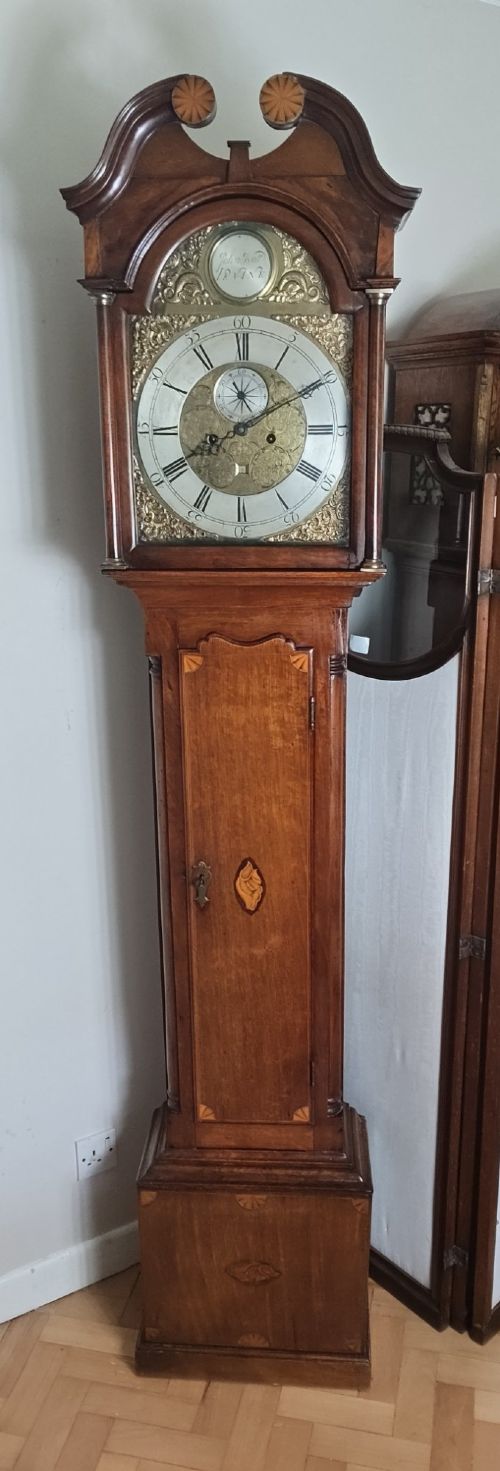
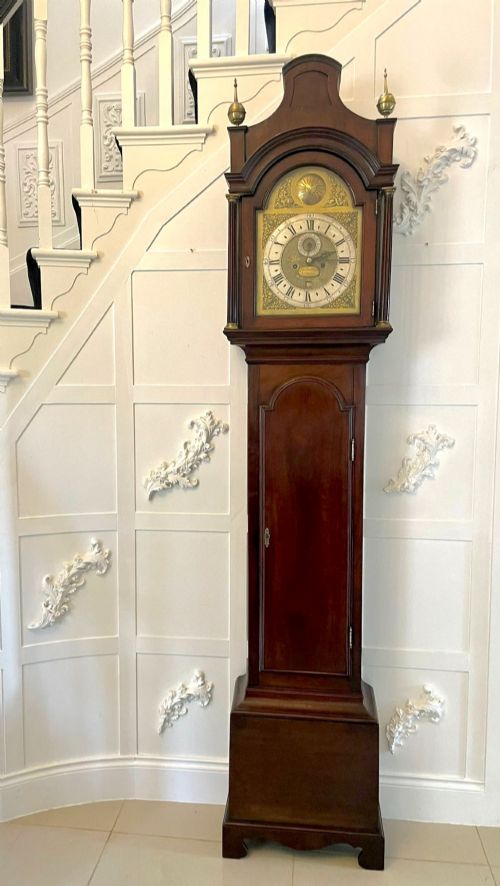
Floor-standing longcase varieties, often termed grandfather clocks, house similar dial configurations within tall wooden trunks made during the Georgian, Regency, and early Victorian eras. These pieces originate from workshops across England and Scotland, varying from provincial cottage proportions to metropolitan London commissions.
How They Were Made
Cabinetmakers utilised native and imported timbers, shaping mahogany, oak, walnut, and burr walnut into protective housings while incorporating brass details, glass viewing doors, and steel movement components. Dials themselves combine cast brass plates, silvered chapter rings, and hand-painted iron or wooden surfaces.
Clockmakers constructed mechanical movements driven by weights or fusee spring systems, incorporating verge escapements, pendulum regulation, and occasionally strike or chime trains. Cases relied on traditional joinery, dovetailing, and veneering techniques appropriate to regional furniture standards.
Georgian Dial Clock Retail Price Guide 2026
Typical asking prices for georgian dial clock among the pieces listed under this phrase on Sellingantiques today, from the lower quarter to the upper quarter. They describe what is for sale here now, not the wider market.
Some provincial makers added hand-painted pheasant motifs directly onto convex wooden clock faces.
What Varies in Quality
The standard of a georgian dial clock depends on the precision of the mechanical movement and the integration between the dial face and its housing. London makers often achieved finer finishing on brass engravings and movement train assembly compared to regional provincial work.
Cabinet quality separates exceptional examples from standard production through timber selection, such as figured mahogany or burr walnut veneers, and restrained brass inlay. Original dial surfaces and well-preserved mechanical components retain greater historical integrity than heavily altered or replaced mechanisms.
Charles Shuckburgh·John Ellicott·James McCabe·Thomas King
The Georgian Dial Clock Glossary
- Fusee
- A conical pulley used in spring-driven clocks to equalise the declining power of the mainspring as it unwinds. This mechanism helps maintain consistent timekeeping throughout the running period.
- Dial
- The visible face of the clock displaying numerals and markings for reading the time. These can be made from brass, painted iron, or convex wood.
- Longcase
- A tall floor-standing clock enclosing the weights and pendulum within a vertical wooden trunk. They are frequently referred to as grandfather clocks.
- Verge escapement
- An early type of escapement mechanism that controls the release of power from the gear train. It interacts with the pendulum or balance to regulate time.
- Chapter ring
- The outer ring on a clock face that bears the hour numerals. On brass dials, this is often a separate silvered piece pinned to the dial plate.
Georgian Dial Clock: Frequently Asked Questions
What is a fusee dial clock?
A fusee dial clock utilises a special conical pulley system connected to the spring-driven movement. This clever mechanical device ensures even power delivery to the gear train as the mainspring relaxes.
Such wall-hung or drop-dial timepieces were widely used in commercial premises, offices, and domestic settings during the eighteenth and nineteenth centuries due to their reliable accuracy.
How do I tell an 18th-century dial apart from a later one?
Eighteenth-century examples often feature brass dials with engraved details, or early painted iron and convex wooden faces produced by regional makers. The construction methods of the surrounding case also provide clues regarding the period.
Later Victorian and Edwardian reproductions or continuations often employ different movement mounting techniques and standardised mass-produced components that differ from Georgian hand-fitted standards.
Where were these clocks made?
Production occurred across England and Scotland, ranging from prominent workshops in London to provincial makers in provincial towns and Scottish burghs. Regional makers signed their work directly onto the dial face or movement backplate.
Local timber availability often dictated whether a case was constructed from regional oak or imported mahogany and walnut.
How should I care for a mechanical dial clock?
Routine care involves placing the clock on a stable interior wall or level floor away from direct sunlight and temperature fluctuations. Regular winding according to the movement type keeps the gear train functioning properly.
Professional servicing every few years ensures that the pivot holes, escapement, and train wheels remain clean and free from old, hardened oils.