

Georgian Country Oak Table
A georgian country oak table brings honest rural craftsmanship and rich timber character into modern rooms.
Georgian Country Oak Table
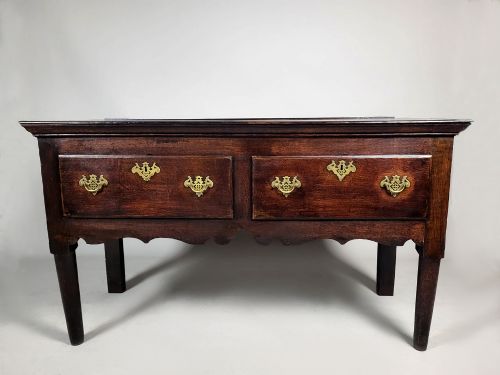
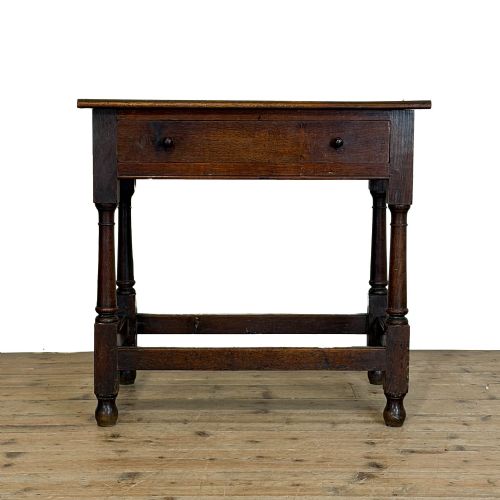
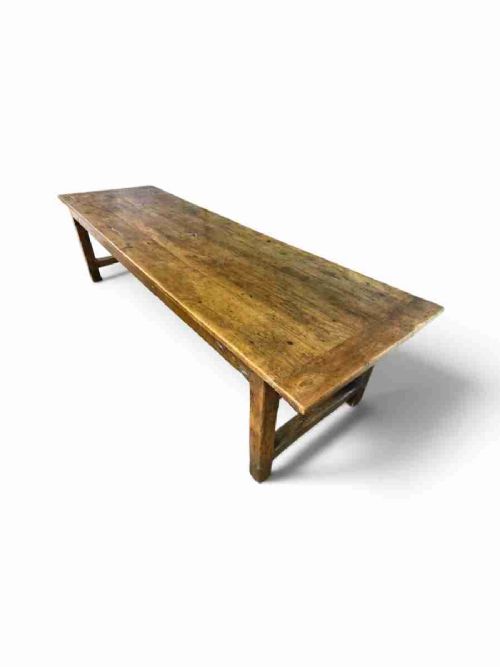
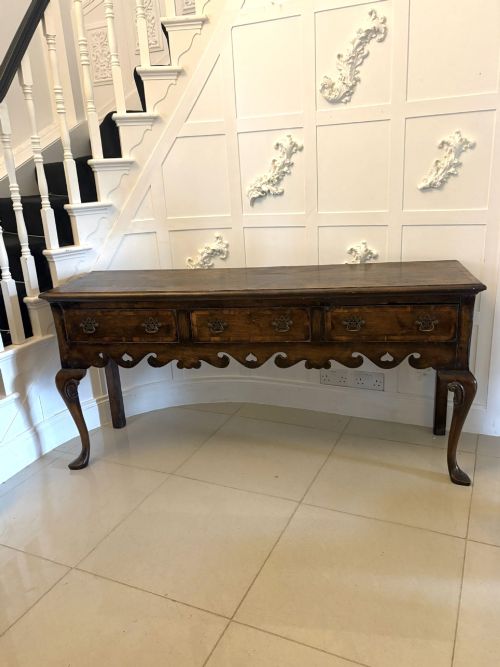
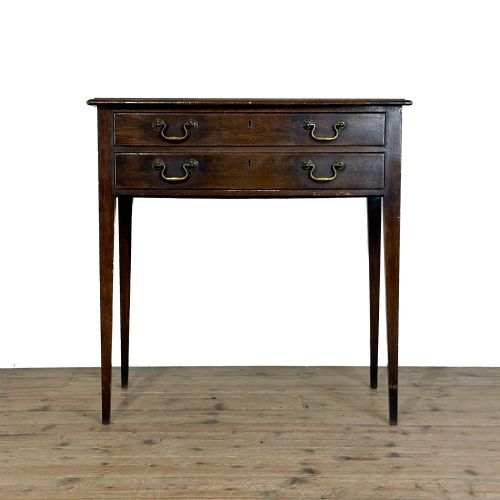
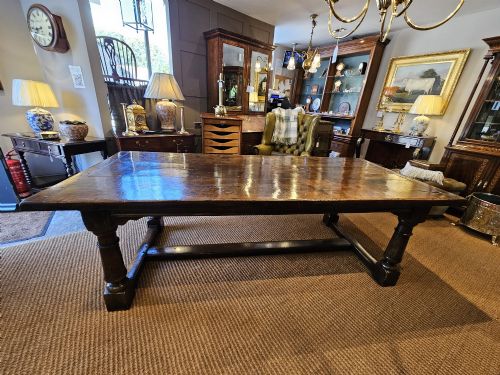
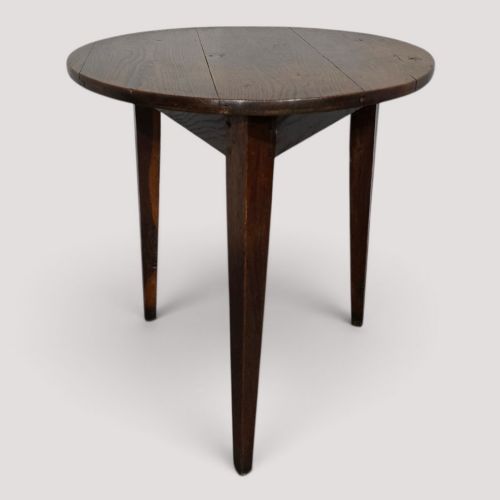
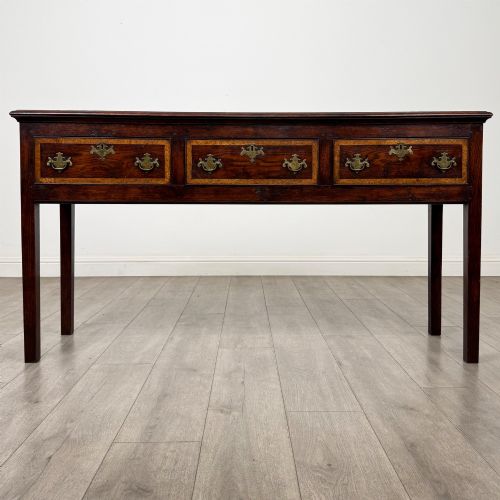
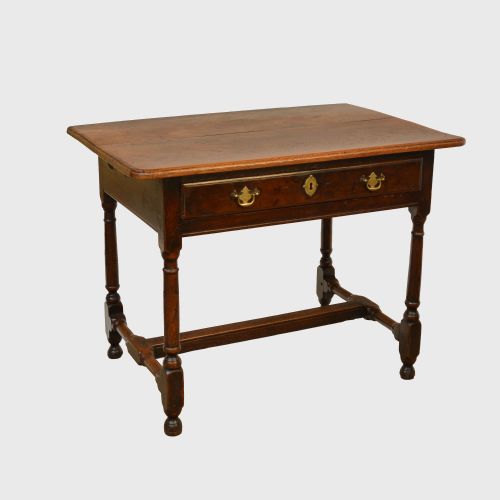
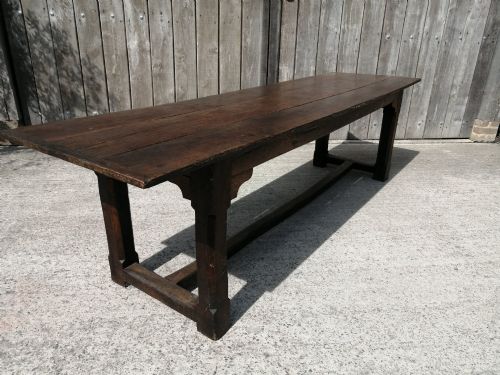
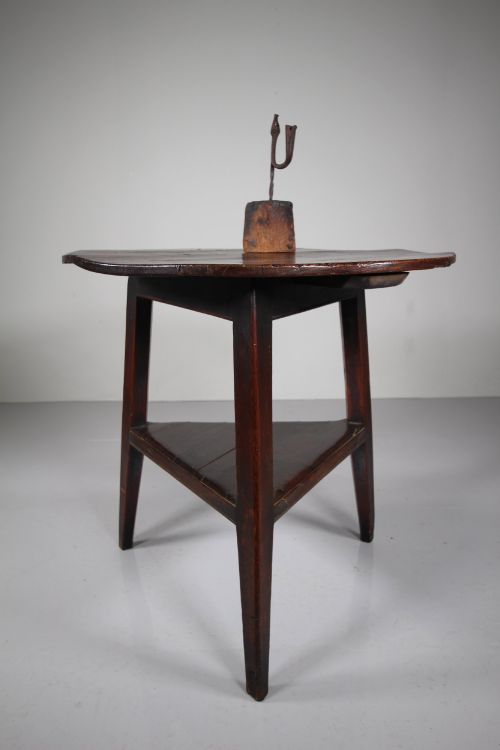
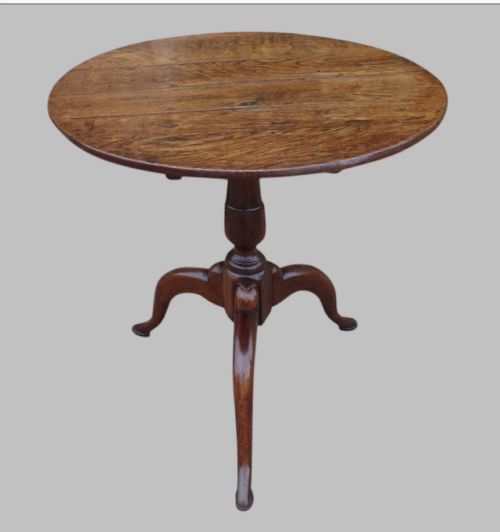
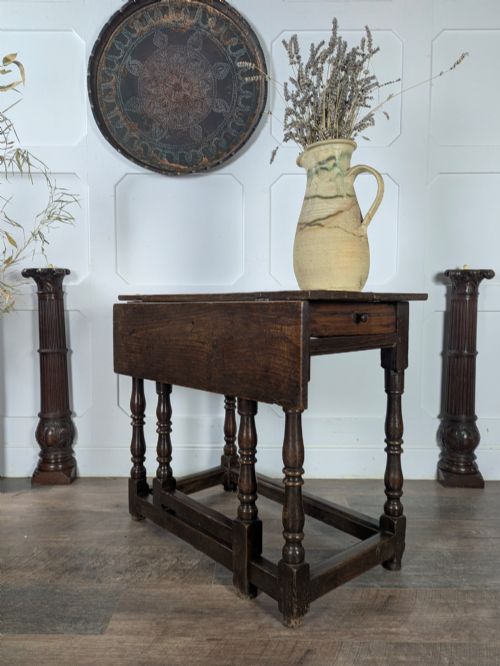
A georgian country oak table encompasses practical household furniture built during the eighteenth and early nineteenth centuries across provincial English districts. Buyers typically encounter side tables, lowboys, tripod wine tables, and sturdy refectory dining boards designed for daily domestic use.
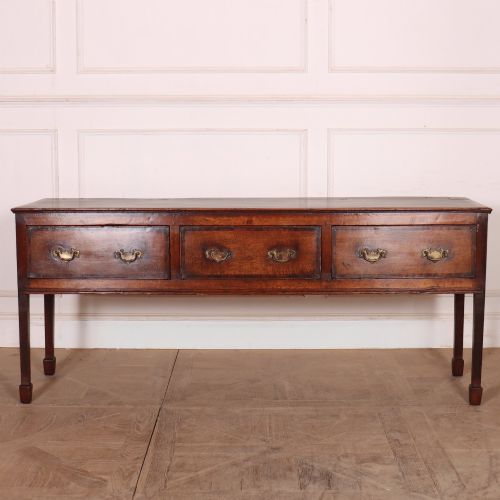
The selection ranges from small occasional pieces with single drawers to substantial farmhouse dining surfaces and potboard dresser bases. Regional vernacular traditions shape these forms, yielding distinct leg turns, apron profiles, and joining methods unique to local makers.
Many examples display the simple geometry of the George III period, alongside earlier gateleg formats inherited from the late seventeenth century. This lineage provides functional tables suited for kitchens, hallways, and living spaces alike.
Materials and Construction
Makers built these pieces primarily using native solid oak, frequently supplemented with secondary woods such as elm, beech, and fruitwood for legs, stretchers, and drawer linings. Planks were quarter-sawn to reveal rich figuring and medullary rays, then joined using traditional mortise and tenon joints secured with wooden pegs.
Hardware consists of hand-forged iron brackets and brass drop handles on single or double drawers. Surfaces were finished by hand planing and oiling, allowing the natural grain to darken gradually over centuries of handling and cleaning.
A pig bench offers low occasional seating or a rustic coffee table improvised from rural butchery furniture.
Evaluating Craftsmanship
Quality rests on the integrity of the timber selection, the tightness of the joinery, and the retention of original surface patination. Superior examples display well-figured boards with minimal replacement timber and unaltered structural heights.
Provincial pieces vary from utilitarian workshop output to more refined vernacular items featuring shaped aprons and delicate turned supports. Greater harmony of proportion and honesty of repair distinguish the most desirable pieces from heavily altered or aggressively stripped alternatives.
The Georgian Country Oak Table Glossary
- Lowboy
- A small dressing or side table featuring one or more rows of drawers beneath a kneehole or plain apron. These pieces typically stand on slender cabriole or straight legs.
- Cricket table
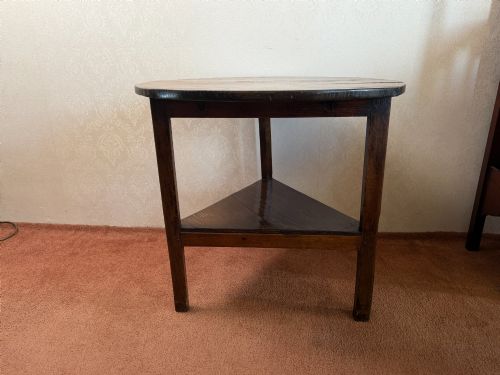
- A small, lightweight occasional table supported by three splayed legs and featuring a triangular or round top. This tripod construction provided stability on uneven flagstone floors.
- Potboard
- A lower slatted shelf fitted between the stretchers of a dresser base or serving table. The shelf was originally intended to hold heavy earthenware pots and kitchen utensils.
- Gateleg table
- A drop-leaf table with hinged flaps supported by swing-out legs that pivot like a gate. This design allowed large dining surfaces to fold away compactly when not in use.
- Quarter-sawn
- A method of timber cutting where logs are quartered radially, producing boards with prominent grain patterns and greater dimensional stability.
Georgian Country Oak Table: Frequently Asked Questions
How do I care for a georgian country oak table?
Maintain the timber by applying natural beeswax sparingly and buffing gently with a soft cloth to nourish the dry grain. Avoid placing the table near direct heat sources or strong sunlight, which can cause the old oak boards to split or warp.
Clean spills immediately with a slightly damp cloth rather than chemical sprays that strip the antique patina. Regular gentle handling helps preserve the historic surface texture built up over generations.
Are these tables suitable for daily dining?
Most antique oak dining tables, gateleg formats, and refectory boards were built for robust everyday household use. Their sturdy pegged construction handles modern family life comfortably when protected from excessive moisture and heat.
Using felt pads under hot dishes and placemats safeguards the historic wax finish from rings and marks. Many collectors enjoy living with these practical surfaces precisely because they continue to serve their original purpose.
How can I tell a provincial table from a formal one?
Country pieces display simpler turnings, local secondary timbers like elm or fruitwood, and pragmatic construction details dictated by regional workshop traditions. They lack the elaborate mahogany veneers, stringing, and marquetry found in contemporary London parlour furniture.
Proportions tend to be stouter, focusing on utility and durability rather than high-fashion ornamentation. This honest utilitarian character defines the appeal of provincial Georgian cabinetwork.
What is patination on antique oak?
Patination is the deep, warm lustre and varied surface tone developed by wood through decades of oxidation, light exposure, and frequent human contact. It represents the authentic physical record of an object's age and use.
Original patination cannot be artificially replicated and forms a major part of an antique's visual appeal and historical value. Preserving this surface requires avoiding harsh chemical strippers or heavy modern varnishes.