

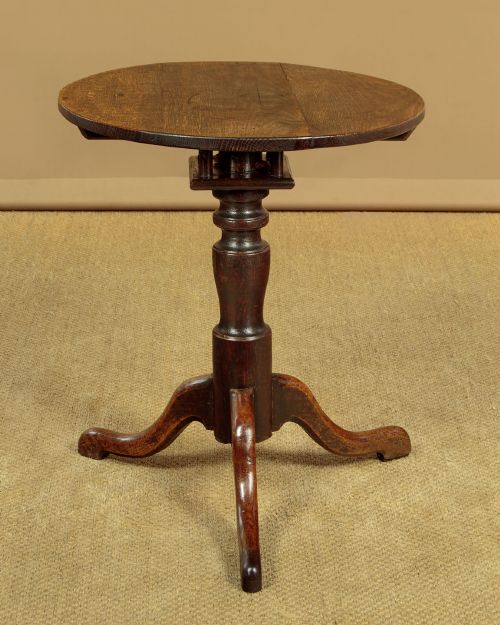
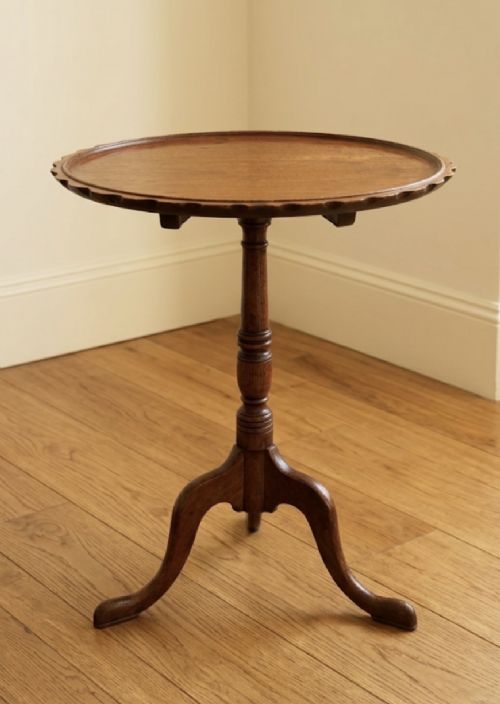

Oak Candle Stand Table
An oak candle stand table is a compact, raised surface designed to hold a single light source or small domestic item, offering warmth and utility through centuries of British craftsmanship.
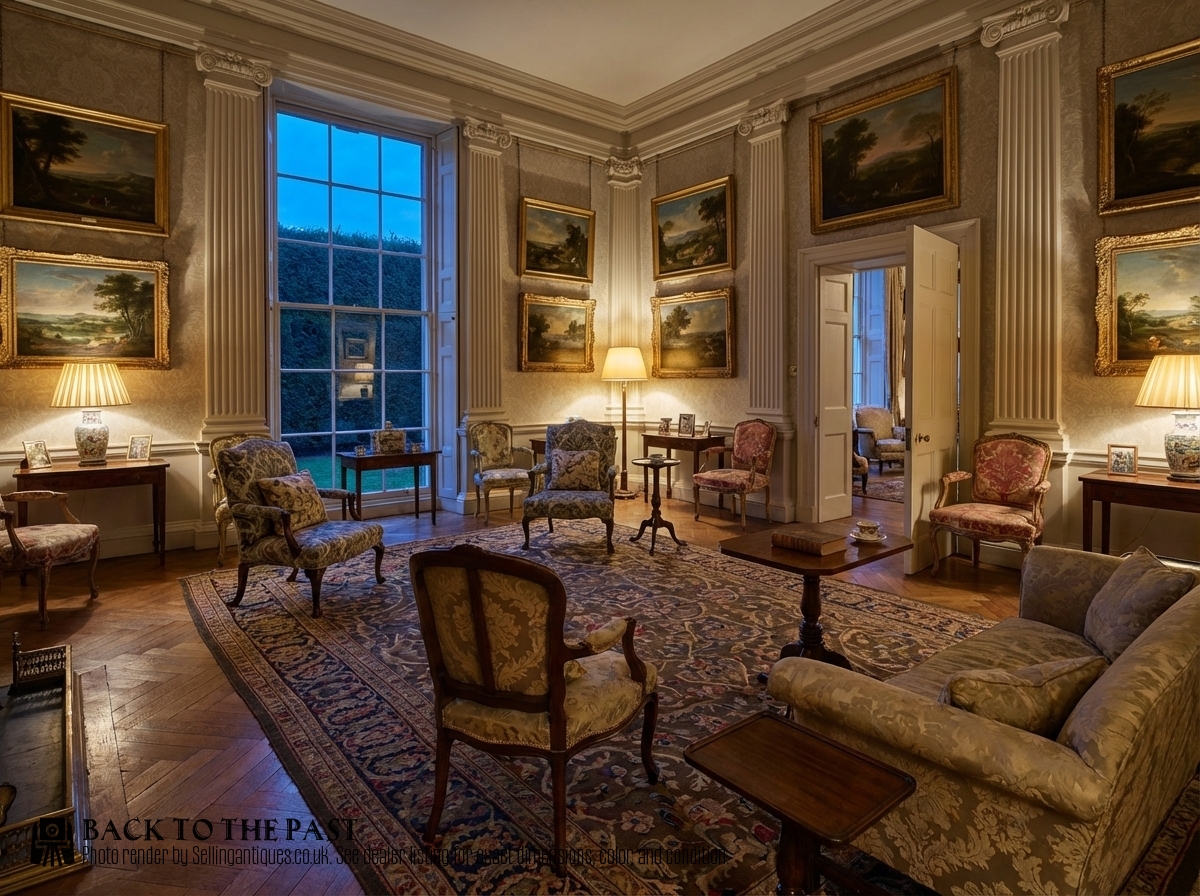
Oak Candle Stand Table
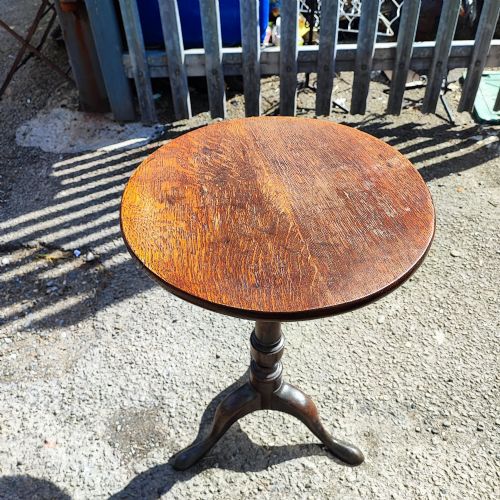
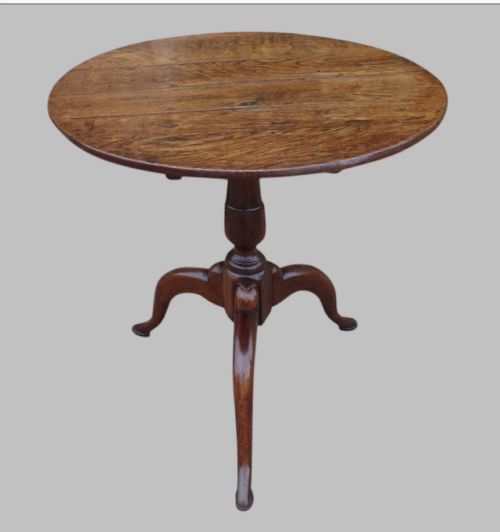
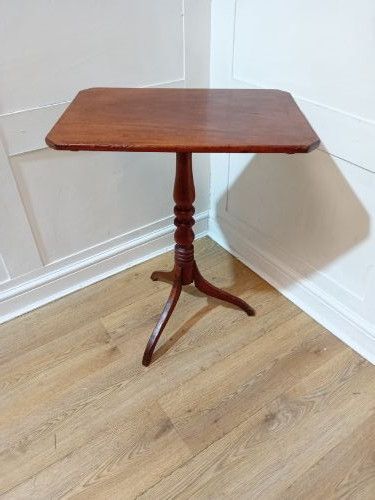
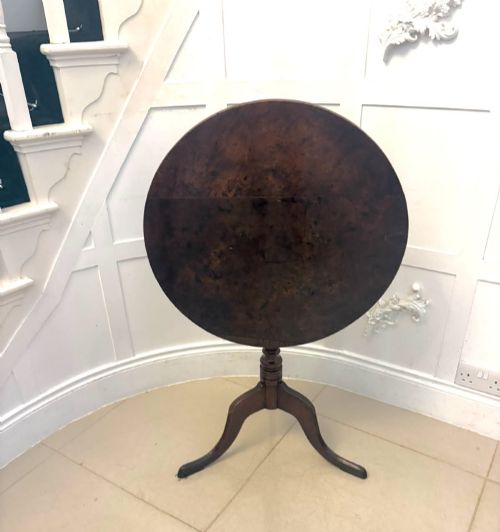
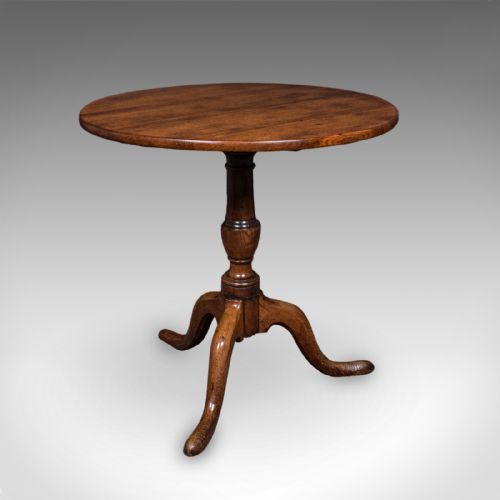
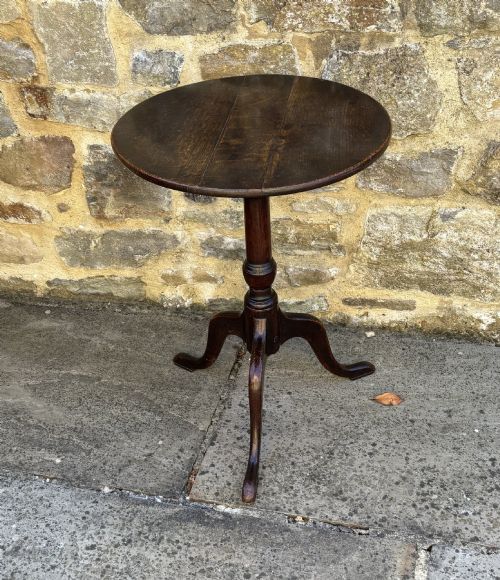
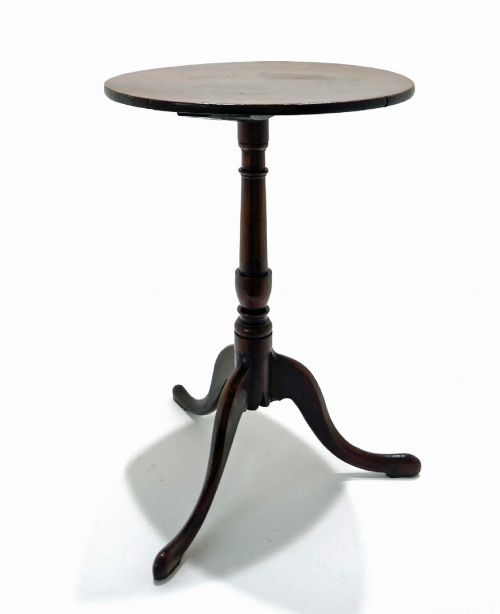
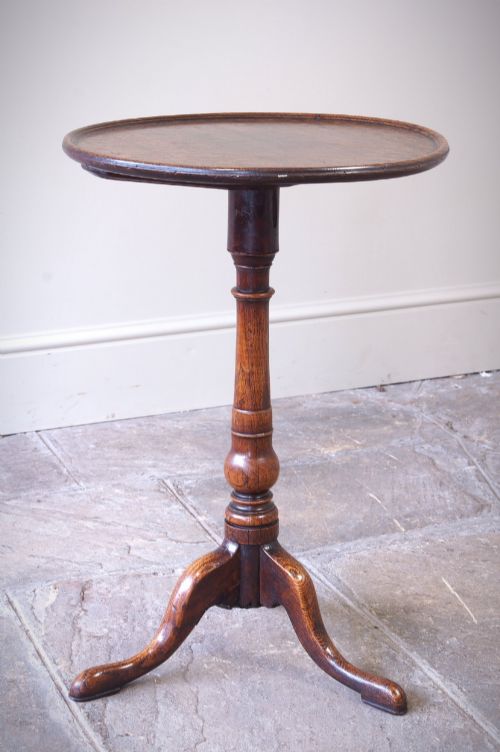
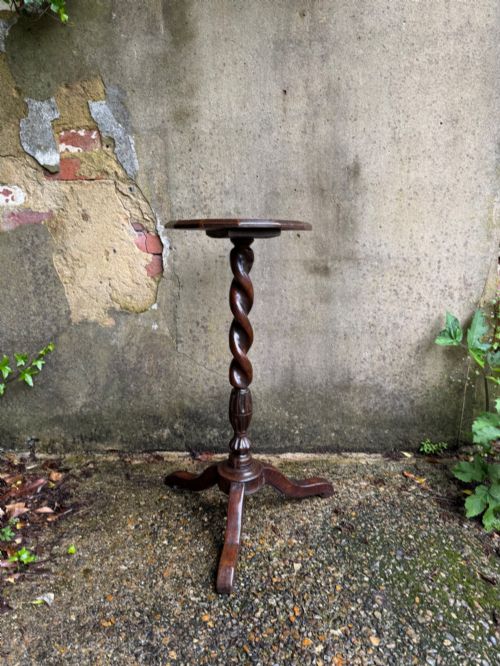
When you search for an oak candle stand table, you encounter small, elevated surfaces traditionally utilised for domestic illumination or quiet tasks. These pieces appear primarily as tripod tables, wine tables, and occasional stands with circular or segmented tops.
The versions most commonly met on this page date from the eighteenth and nineteenth centuries, spanning Georgian, Regency, and Victorian periods. Country workshops and regional makers produced these nimble stands from native timbers for everyday placement beside chairs and hearths.
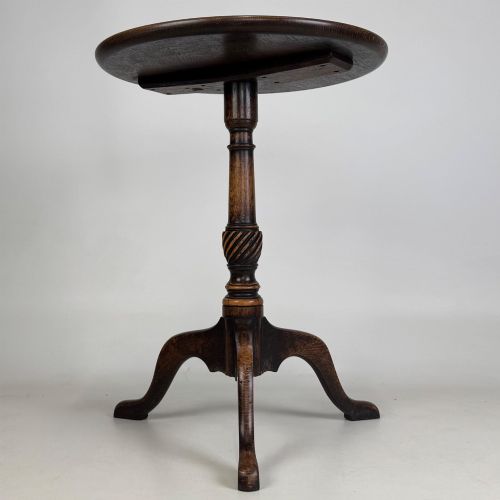
Structural forms typically involve a slender central column supported by three splayed legs, though occasional side tables and pedestal formats also emerge. The scale remains intimate, designed to be moved easily around a room as daylight or evening tasks required.
Discerning quality in regional furniture
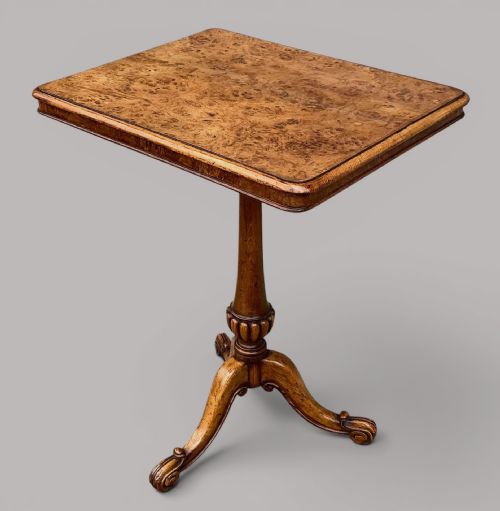
Quality rests in the balance of proportions between the slender column, the spread of the tripod legs, and the thickness of the top. Superior examples display tighter grain figures, particularly in burr timber selections, alongside neat turning and balanced stability.
Patination and surface colour distinguish pieces that have aged naturally from those with heavily altered finishes. Original tilt mechanisms, crisp carving where present, and minimal timber replacement mark out the finer specimens within any group.
Several eighteenth-century examples retain scars from hot wax dripped by candlelight before electricity banished open flames from everyday reading habits.
The Oak Candle Stand Table Glossary
- Tripod table
- A small freestanding table supported by three legs radiating from a central pillar. This configuration ensured stability on uneven floors found in older buildings.
- Tilt-top
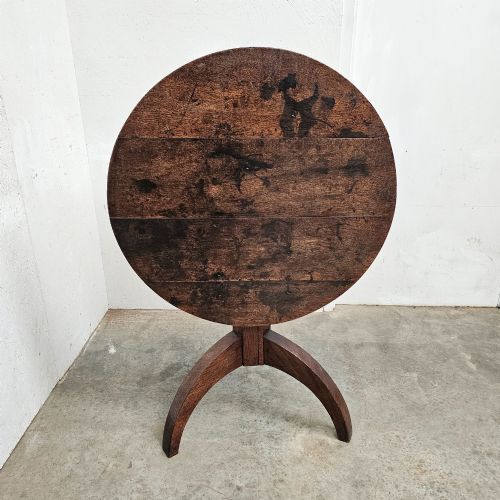
- A hinged tabletop mechanism that allows the surface to pivot vertically against the column. This feature saved precious floor space when the stand was pushed against a wall.
- Burr oak
- A growth deformity in the timber that produces intricate, swirling grain patterns. Cabinet makers prized this material for decorative tabletops.
- Vernacular furniture
- Domestic items made by local rural craftsmen using regional traditions rather than metropolitan pattern books. These pieces reflect practical utility and local timber supplies.
- Patination
- The glossy, deep sheen developed on wooden surfaces through decades of handling, polishing, and exposure to light. It acts as a visual indicator of age and honest care.
Oak Candle Stand Table: Frequently Asked Questions
What was an oak candle stand table used for?
These compact stands held heavy tallow or wax candles before the widespread adoption of oil lamps and gas lighting. Their small tops placed illumination close to a reader or needleworker without occupying valuable floor space.
Over time, their roles expanded to hold pocket watches, small books, or drinking vessels near a fireside chair. Today, they serve a similar auxiliary function as lamp or occasional tables in living spaces.
How do I tell an 18th-century table from a 19th-century one?
Eighteenth-century examples often exhibit softer hand-turned profiles, pegged construction details, and deeper timber patination acquired over centuries. Regional vernacular pieces from this earlier era frequently combine oak tops with elm or fruitwood legs.
Nineteenth-century revivals and Victorian pieces tend to display more rigid machine turning, sharper carving, or standardised fittings. Examining the underside and the nature of the joints usually clarifies the manufacturing period.
Why do some tops tilt and others remain fixed?
Tilting mechanisms originated as a practical space-saving measure in smaller rooms, allowing the furniture to tuck flat against a perimeter wall when unneeded. Makers utilised a small wooden catch or block beneath the top to lock the surface horizontal.
Fixed tops generally appeared on simpler vernacular pieces or specific wine table formats where a pivoting mechanism was deemed unnecessary for the intended domestic task.