
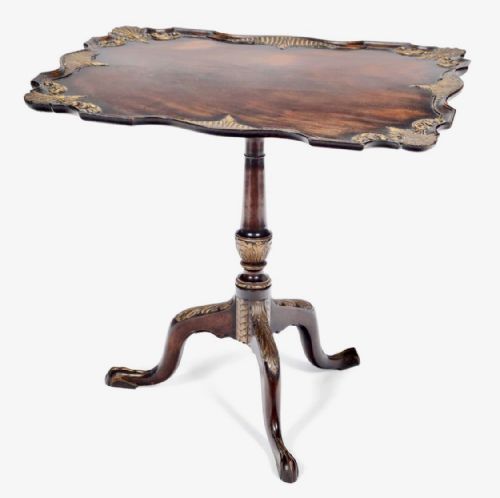
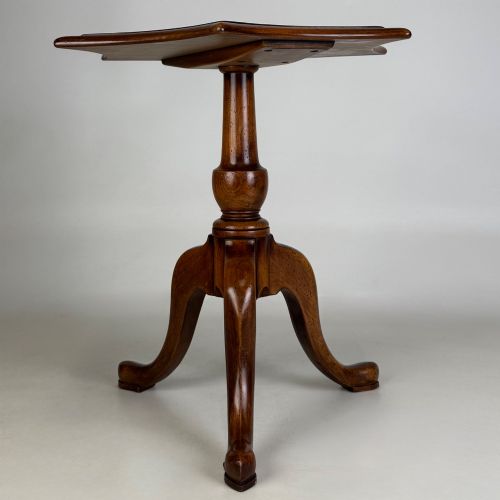
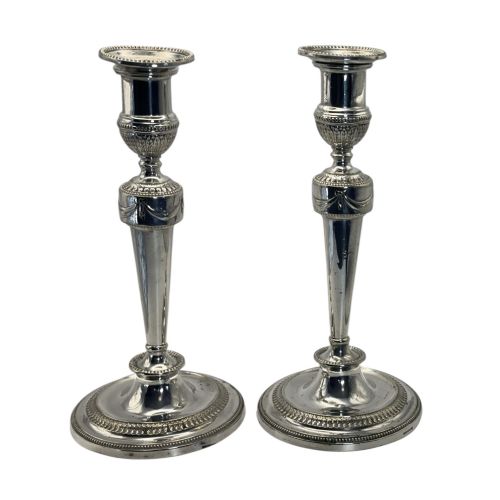
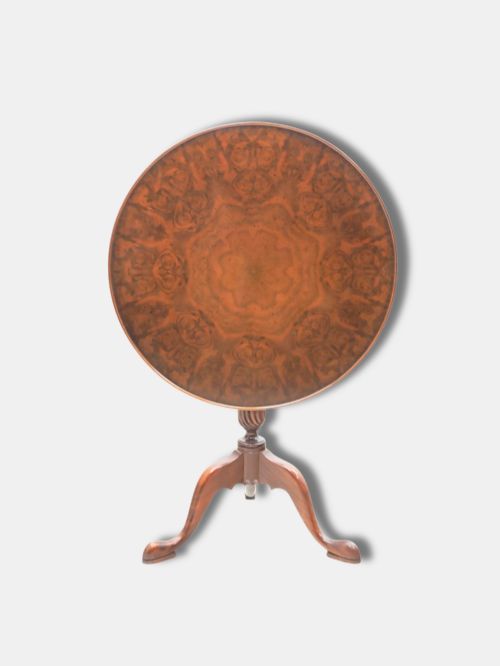
Georgian Style Candle Stand
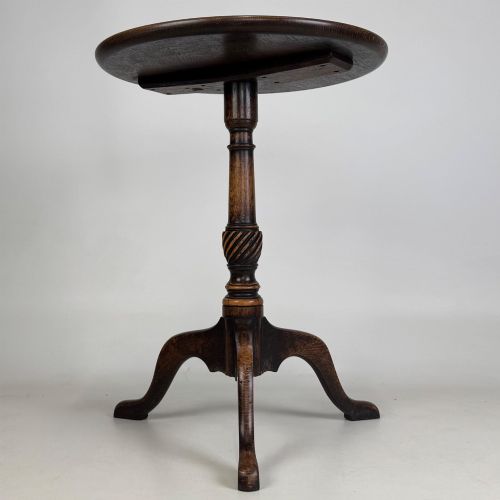
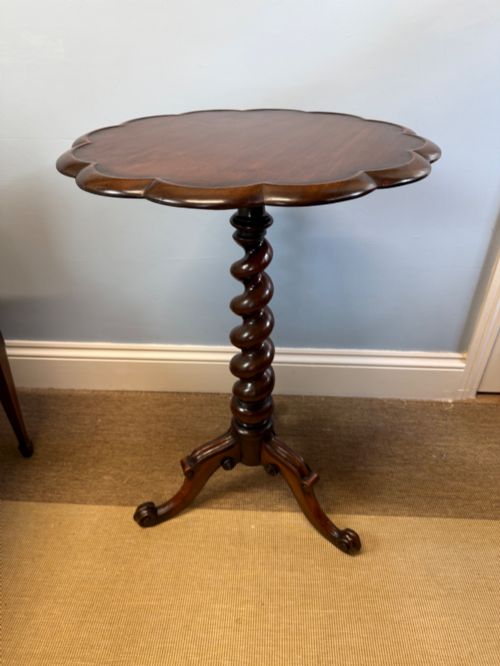
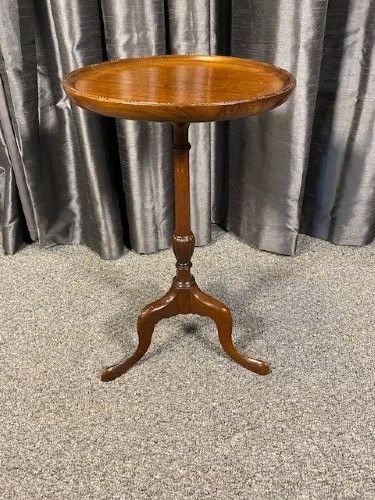
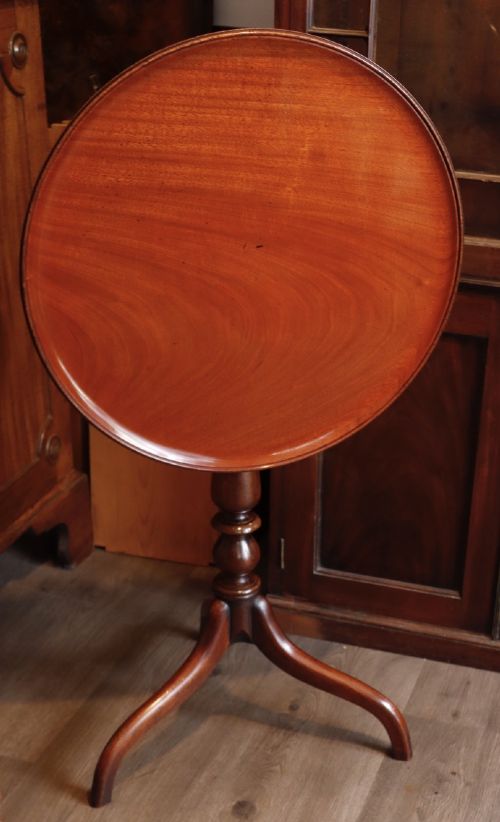
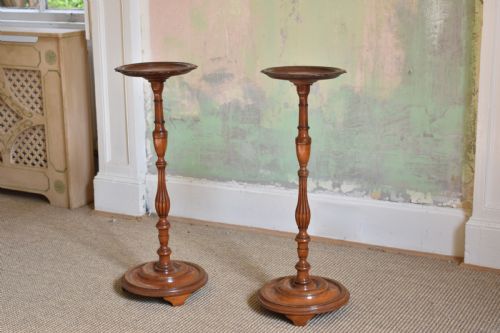
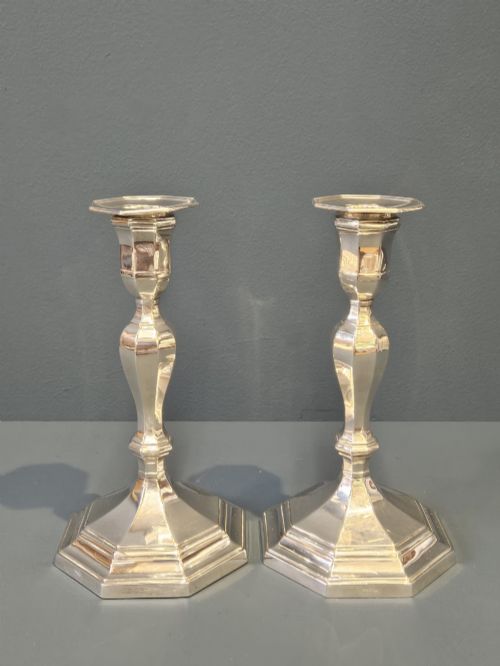
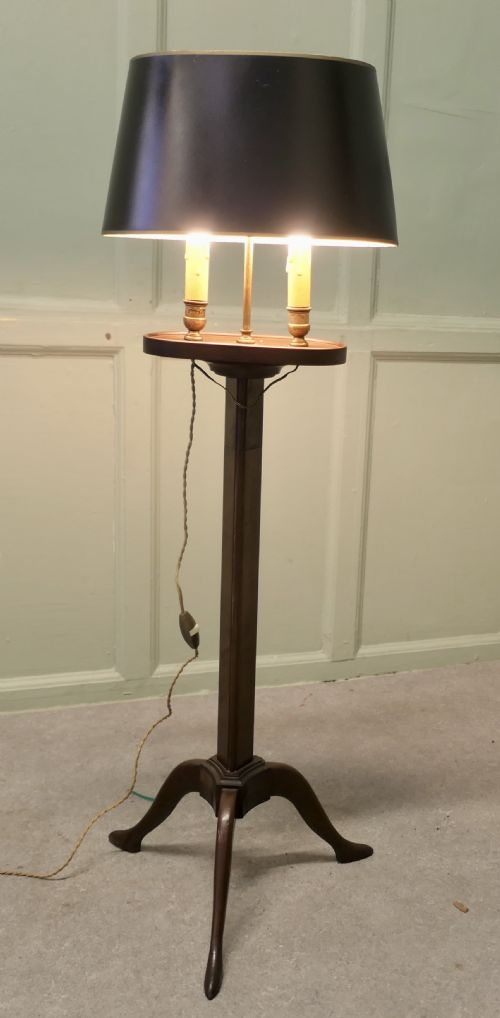
Georgian style candle stand pieces are elevated timber supports and metal holders designed for illumination, bringing period grace to corners and beside seating.
Georgian Style Candle Stand
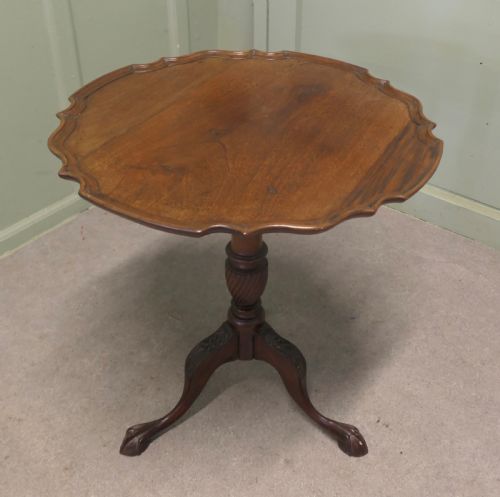
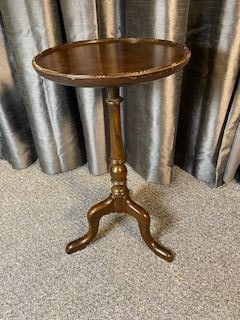
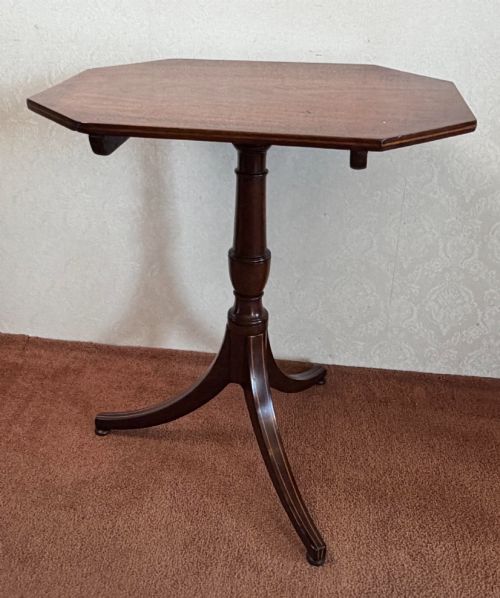
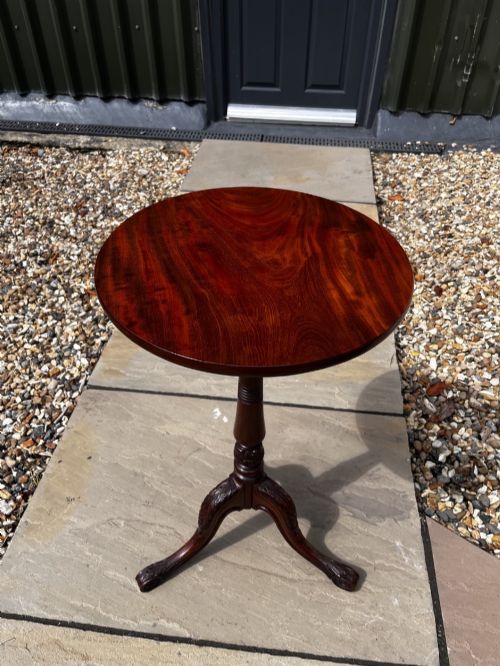
A georgian style candle stand encompasses tripod tables, wine tables, torcheres, plant stands, and specific candlesticks originating across the eighteenth, nineteenth, and early twentieth centuries.
The selection ranges from genuine eighteenth-century mahogany examples to later nineteenth-century adaptations and twentieth-century revivals sharing classic proportions.
Forms include tilt-top mechanisms, birdcage mountings, octagonal urn stands, and slender columns designed to hold lamps, candles, or decorative items.
How they were made
Carpenters utilised dense hardwoods such as mahogany, walnut, oak, and satinwood, frequently employing turnings, tripod legs, and tilt-top mechanisms.
Metal versions utilise brass, copper, silver plate, and sterling silver, whilst decorative details incorporate boxwood inlay, parcel gilt, and carved motifs.
Georgian Style Candle Stand Retail Price Guide 2026
Typical asking prices for georgian style candle stand among the pieces listed under this phrase on Sellingantiques today, from the lower quarter to the upper quarter. They describe what is for sale here now, not the wider market.
Listings feature mahogany, walnut, and oak alongside brass, silver plate, and sterling silver across periods spanning the eighteenth to the twentieth century.
What varies in quality
The distinction between tiers rests upon the choice of timber figure, the crispness of carved details, and the integrity of joints in tripod bases.
Fine examples display thoughtful proportions, subtle inlay work, and original mechanisms that operate smoothly without excess movement.
Mappin and Webb
The Georgian Style Candle Stand Glossary
- Tripod table
- A small freestanding table supported by a pillar above three spreading legs. This design provides stability on uneven floors.
- Tilt-top
- A tabletop hinged to its pedestal so it tips vertically when not in use. This mechanism allowed tables to be stored against walls.
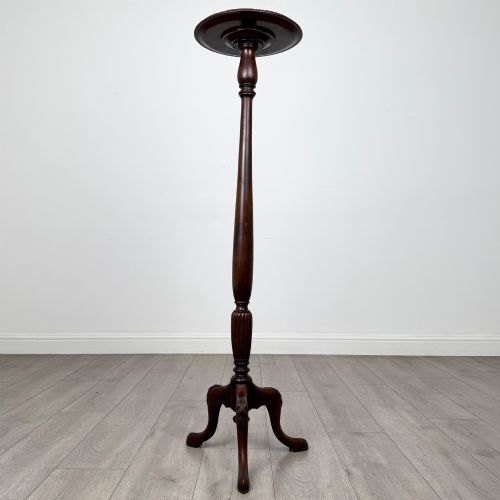
- Torchere
- A tall stand designed to hold a light source or candle. They often feature slender carved columns.
- Birdcage
- A wooden revolving assembly beneath a tabletop enabling it to rotate and tilt. It sits between the top and the central pillar.
- Pie crust
- A carved, raised decorative edge shaped in undulating curves. It resembles the pastry rim of a traditional pie.
Georgian Style Candle Stand: Frequently Asked Questions
What is a birdcage tilt-top table?
A birdcage mechanism is a rotating wooden frame positioned between the tabletop and the central pillar, allowing the surface to both turn and tilt flat.
This construction appears on eighteenth and nineteenth-century tripod tables designed for compact storage against walls when unutilised.
How do I use a torchere stand?
Torcheres serve as elevated display pedestals for lamps, plants, or decorative objects in corners and empty room spaces.
Their tall, slender profile draws the eye upward without occupying significant floor space in a room.
What timber was used for wine tables?
Makers predominantly utilised mahogany, walnut, and oak for wine tables, frequently incorporating satinwood or boxwood stringing for contrast.
Durability and rich grain patterns made these hardwoods suitable for small occasional furniture.
How do I distinguish revival pieces from older ones?
Revival items from the Edwardian era or the twentieth century often display standardised machine turnings and cleaner interior timber surfaces.
Eighteenth and early nineteenth-century originals show hand-carved nuances, timber shrinkage, and wear patterns accumulated over decades of use.