

Georgian Country Dresser Base
A georgian country dresser base provides practical storage and surface space, bringing honest regional character to any room.
Georgian Country Dresser Base
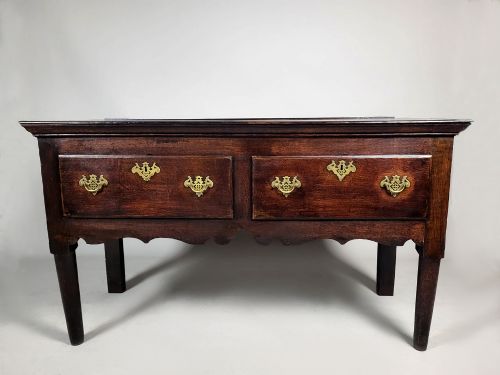
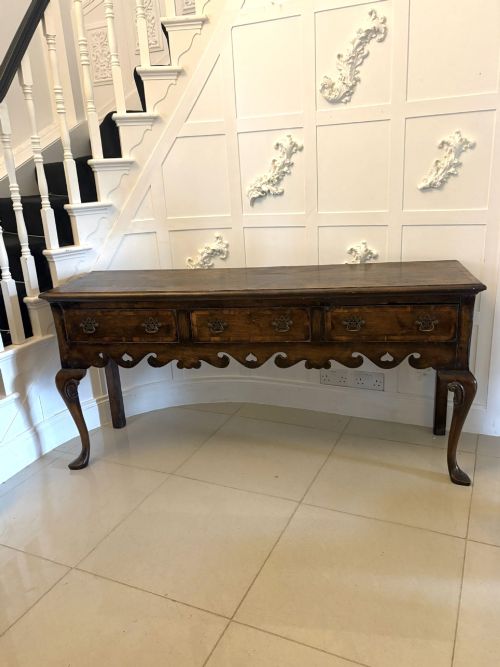
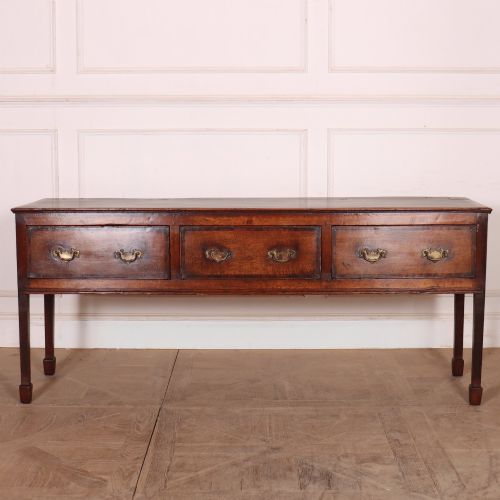
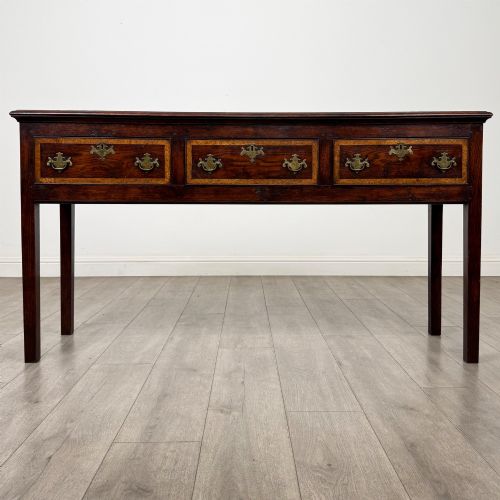
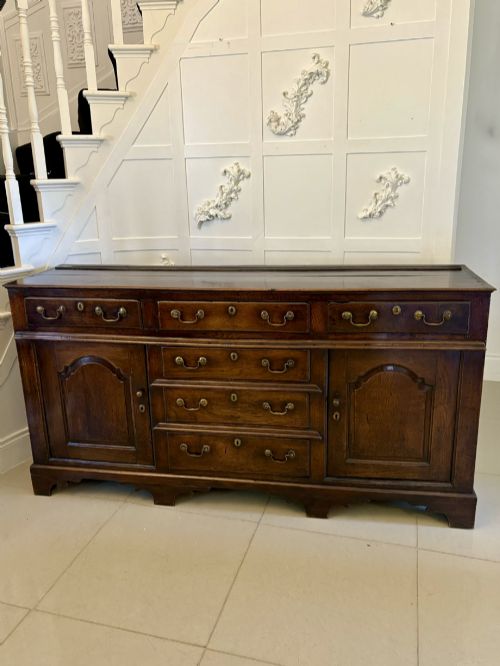
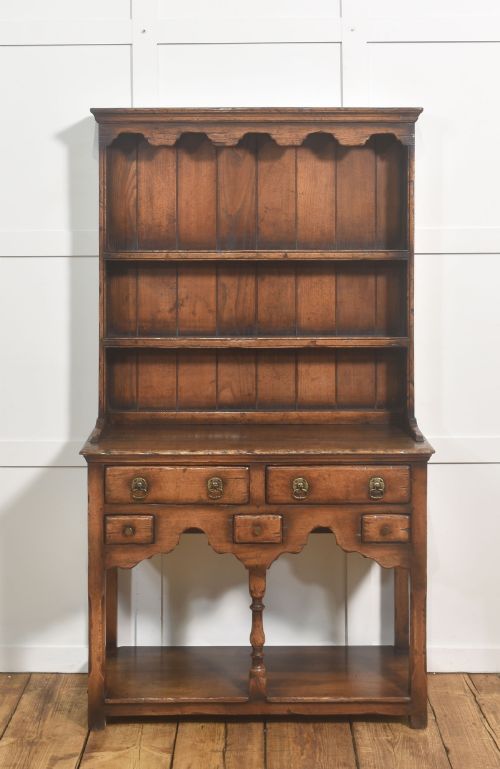
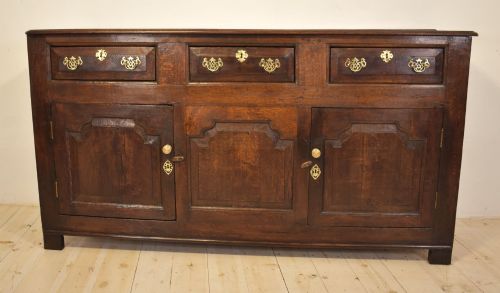
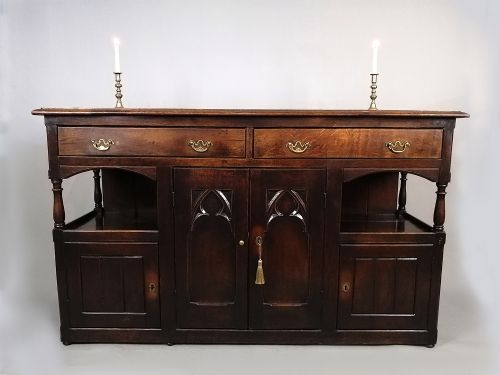
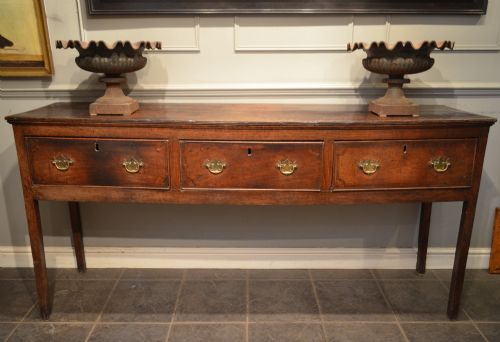
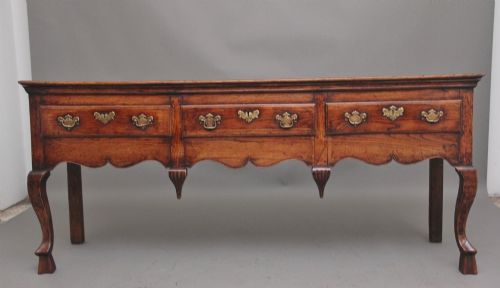
A georgian country dresser base is a substantial utilitarian cabinet designed for provincial kitchens and dining rooms, offering a combination of drawers and lower shelving. The pieces found here date predominantly from the eighteenth and nineteenth centuries, with occasional later interpretations built in historic styles.
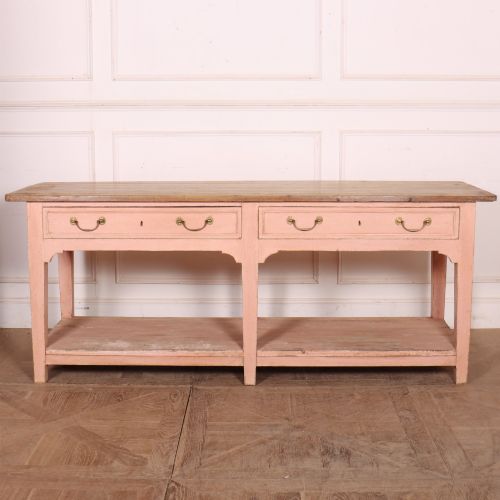
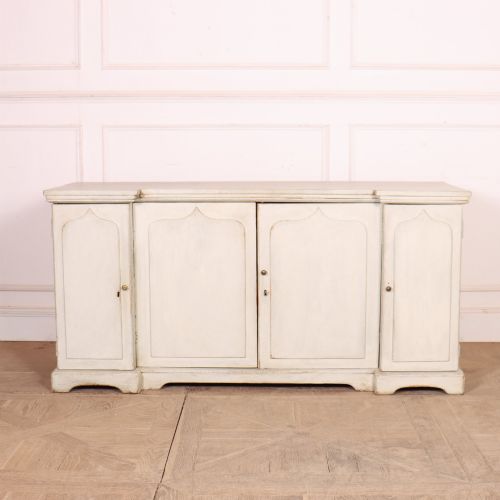
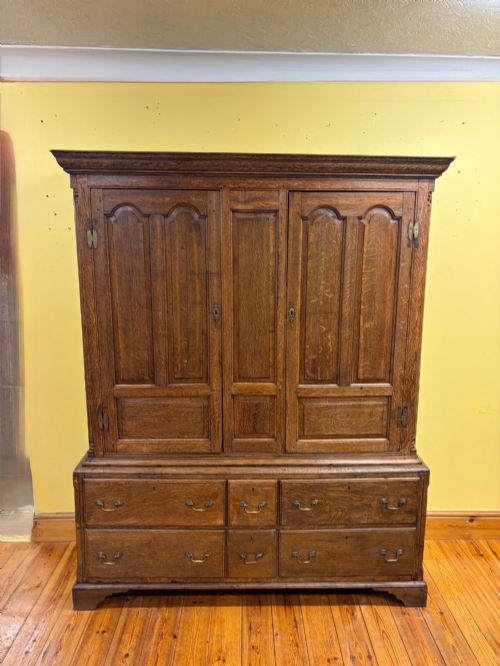
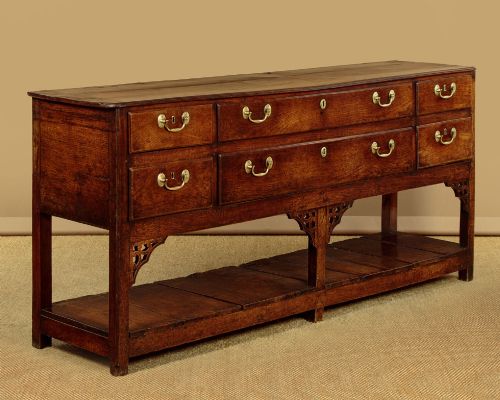
Most examples originate from English, Welsh or Scottish rural workshops, constructed to serve daily domestic needs rather than formal urban display. These items appear as low-slung sideboards, potboard designs with open lower shelves, or enclosed cupboards suited for daily use.
Materials and construction methods
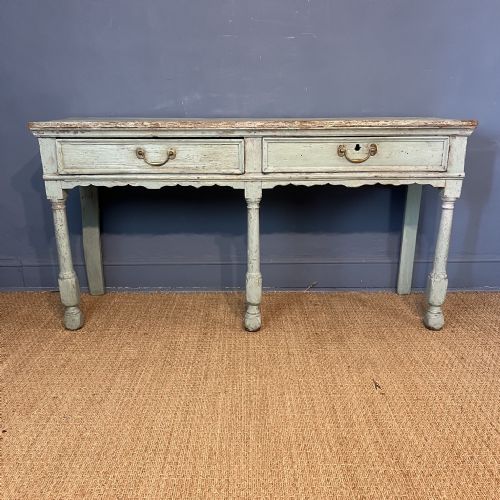
Makers relied heavily on native timbers such as oak, elm, fruitwood and pine, selecting sturdy woods capable of enduring heavy kitchen work. Surfaces were frequently left untreated, waxed or finished in traditional paint schemes to protect the timber.
Hardware typically consisted of brass drop handles and escutcheons, though many surviving doors and drawers retain simpler wooden knobs or replaced fittings. Joinery relied on pegged mortise and tenon frames, hand-cut dovetails on drawers, and boards joined to handle seasonal wood movement.
Listings incorporate pine, elm, oak, fruitwood and painted timber across eighteenth- and nineteenth-century forms.
What distinguishes finer examples
Proportion and timber selection set superior pieces apart, with tighter grain patterns and well-balanced drawer arrangements indicating careful workshop planning. The degree of original surface survival also influences standing, as untouched patination holds greater integrity than stripped or heavily restored exteriors.
Structural honesty determines lasting worth, distinguishing pieces that retain their original potboards, feet and backboards from those heavily rebuilt over subsequent centuries.
The Georgian Country Dresser Base Glossary
- Potboard
- An open lower shelf positioned close to the floor, originally designed for storing heavy pots and pans. This platform forms a distinct architectural feature on many provincial dresser bases.
- Breakfront
- A cabinetry configuration where the central section projects forward from the flanking outer wings. This layout adds visual depth to larger base units.
- Lowboy
- A small table with a low set of drawers, occasionally categorized alongside dresser bases due to its similar height and storage format. These diminutive items often served domestic writing or serving functions.
- Vernacular
- Regional furniture built by local craftsmen following traditional local patterns rather than metropolitan high styles. These items reflect the specific material availability of their geographic origin.
- Parnian
- A term occasionally associated with painted pine timber surfaces found on early provincial pieces. It denotes regional decorative treatments applied directly to softwoods.
Georgian Country Dresser Base: Frequently Asked Questions
How were these used originally?
These lower cabinets served as the main work surface and storage hub in country kitchens, holding dry goods, linens, and heavy cooking utensils.
The flat top provided ample space for food preparation, serving meals, and displaying everyday domestic objects before fitted kitchens existed.
How do I care for the wood?
Keep these timber surfaces away from direct heat sources and sudden humidity shifts to prevent the old boards from splitting or warping.
Apply a traditional beeswax polish occasionally to nourish the dry wood and maintain a soft, protective sheen without sealing the pores.
Are original brasses important?
Original brass handles and hinges add historical integrity to a piece, though many working items received replacement hardware over centuries of active service.
Subtle ghost marks around current fixings often reveal where earlier teardrop pulls or backplates once sat.
Will a dresser base fit a modern dining room?
Their modest heights and shallow depths make these cabinets adaptable for modern living spaces, functioning well as sideboards, media consoles, or hallway storage.
Measure available floor space carefully, noting that provincial proportions often vary slightly from end to end due to hand-tool construction.