

Georgian Cobalt Blue Porcelain
Georgian cobalt blue porcelain brings together deep rich underglaze pigments and refined ceramic bodies crafted during the eighteenth and early nineteenth centuries.
Georgian Cobalt Blue Porcelain
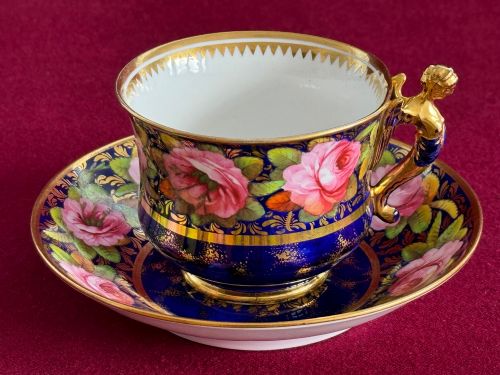
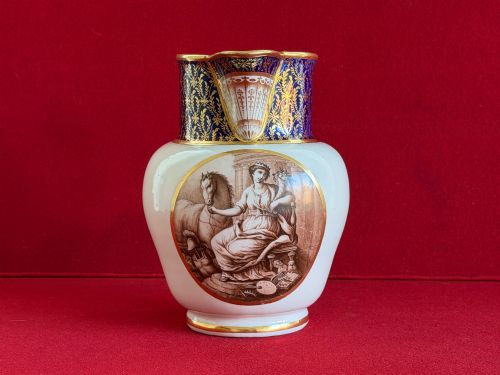
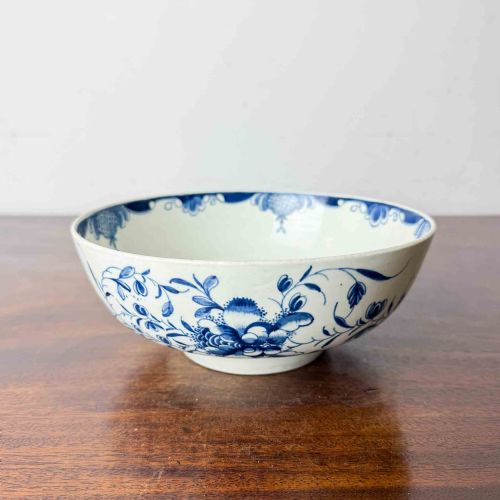
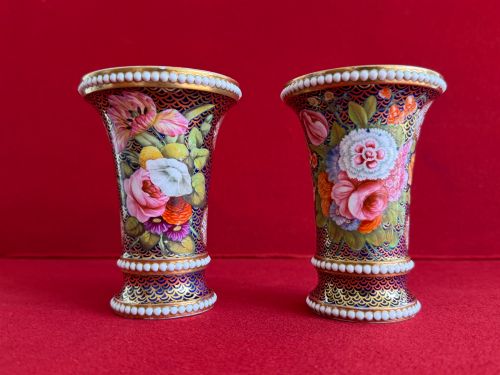
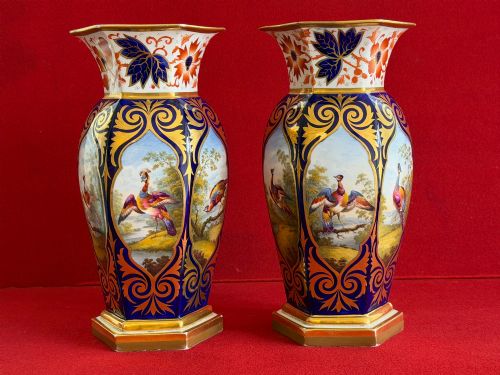
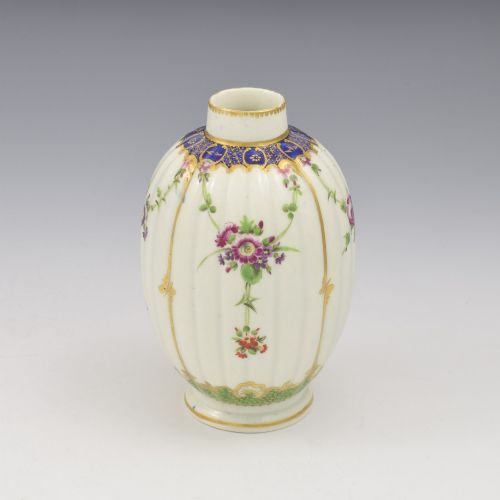
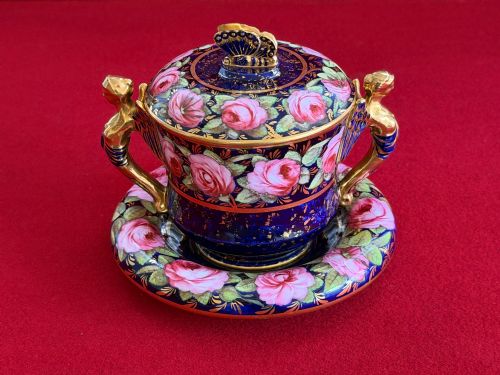
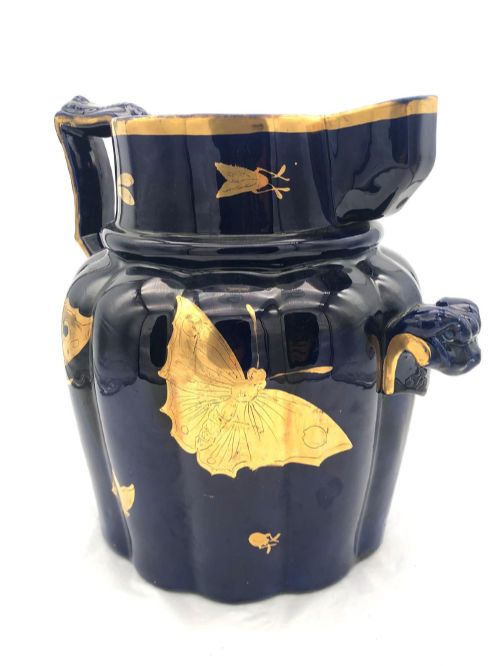
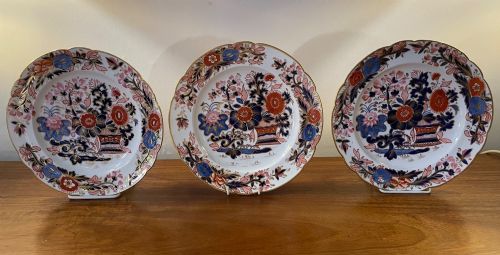
Georgian cobalt blue porcelain encompasses decorative and useful tableware created across the eighteenth and early nineteenth centuries, drawing on styles from Chinese Export to English Regency. When exploring georgian cobalt blue porcelain, buyers encounter tea canisters, cabinet trios, footbath jugs, and dessert plates decorated in striking dark blue tones.
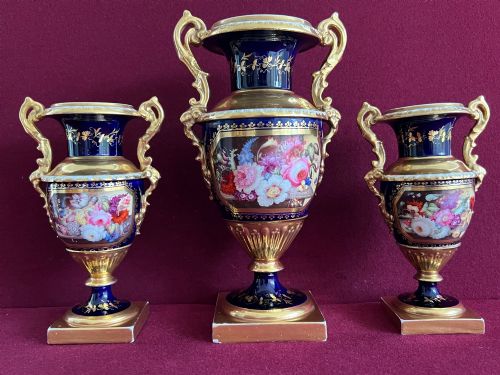
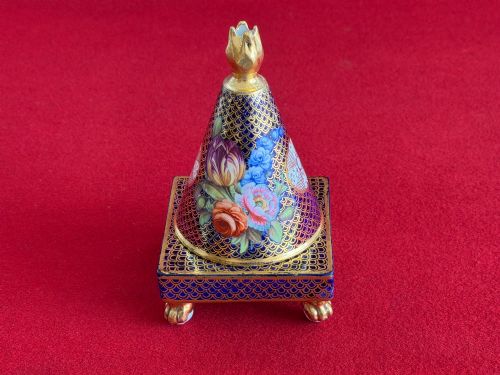
The objects stem predominantly from major factories such as Worcester, Spode, and Coalport, utilising hard paste, soft paste, and ironstone bodies. Many surviving items integrate gilding, gold leaf, and enamel alongside the dominant cobalt pigment to achieve rich contrast.
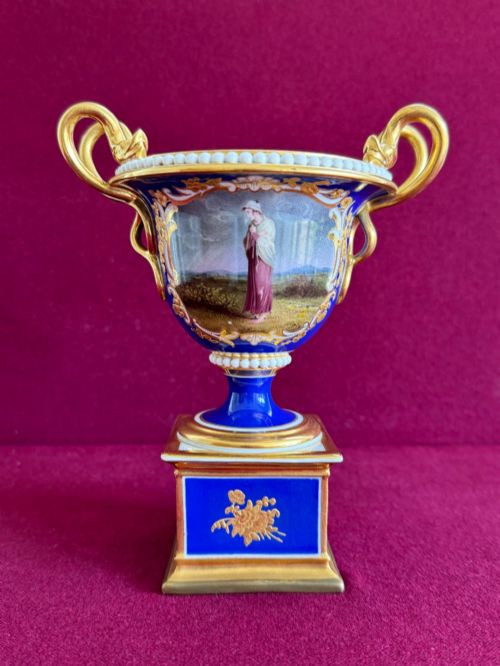
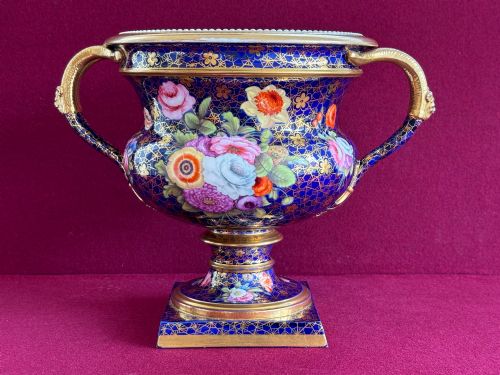
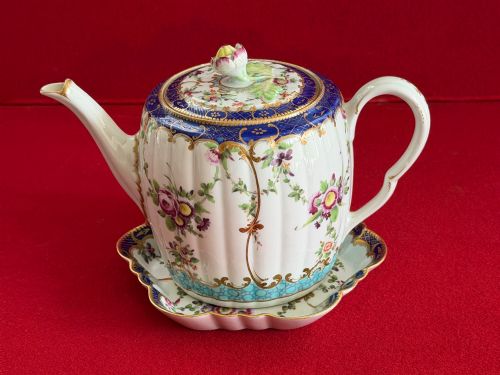
The selections span functional vessels like teapots and inkstands alongside purely decorative vases and baskets. Pieces from the Dr Wall period of Worcester and later Regency manufacturers represent the core of what is available.
How they were made
Makers applied cobalt oxide directly to the unglazed ceramic body before firing at high temperatures, allowing the pigment to fuse permanently beneath a clear glossy glaze. This underglaze technique ensured the deep blue colour remained stable and protected through repeated use.
Potters combined porcelain clay mixtures with calcined ox bone or stone elements, shaping them on wheels or pressing them into moulds to create barrel shaped teapots, fluted tea canisters, and circular baskets. Artisans then added hand painted details in enamel and applied gold leaf or gilding to highlight raised decorative motifs.
Current listings feature pieces spanning the eighteenth century through the Regency era, incorporating soft-paste porcelain, ironstone, and delicate gold leaf embellishments.
What varies in quality
The refinement of the porcelain paste and the precision of the underglaze blue painting dictate the standing of an individual piece. Early soft-paste bodies and delicate potting demonstrate superior craftsmanship compared to heavier utilitarian ironstone versions.
The integration of secondary decoration elevates certain items above standard production. Pieces that successfully combine crisp cobalt underglaze transfer work with meticulous hand applied gilding and enamel highlights represent the pinnacle of the maker's art.
Flight Barr And Barr·John Wall·Spode·Coalport·Masons Ironstone·Hicks And Meigh·John Davenport·New Hall·Derby
The Georgian Cobalt Blue Porcelain Glossary
- Cobalt
- A deep blue metallic oxide used under the glaze for durable colouring on ceramic bodies. It withstands high kiln temperatures without losing its intense hue.
- Soft-Paste Porcelain
- An artificial ceramic composition fired at lower temperatures than true hard-paste porcelain. It often exhibits a warm creamy tone and slight translucency.
- Ironstone
- A dense, durable type of heavy earthenware patented in the early nineteenth century. It offered a resilient alternative to porcelain for everyday tableware.
- Gilding
- The application of gold leaf or gold powder to ceramic surfaces for decorative emphasis. Artisans frequently paired it with cobalt blue designs.
- Trio
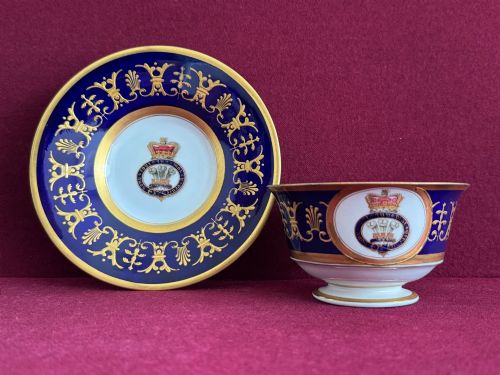
- A matched set comprising a teacup, coffee cup, and matching saucer. These became popular for cabinet display and formal tea service during the Regency period.
Georgian Cobalt Blue Porcelain: Frequently Asked Questions
Can I use these teacups for daily tea?
While these cups were originally designed for consumption, their age and historical value make careful handling essential. Hairline cracks or historical repairs mean hot liquids should be avoided to prevent further structural stress.
Most collectors prefer to display cabinet trios and teacups rather than use them for dining. Gentle handling preserves the fragile enamel and gold detailing for the future.
How do I identify Dr Wall Worcester?
Dr Wall period pieces from the eighteenth century typically feature fine soft-paste bodies and rich underglaze blue painting. Look for crescent marks, disguised numeral marks, or early Worcester stylistic traits.
The potting tends to be delicate, often displaying intricate fluting or hop trellis patterns beneath a glossy, pooling glaze.
What is the difference between porcelain and ironstone?
Porcelain is a vitrified ceramic made from specific clays that fire to a translucent, refined finish. It was traditionally used for fine cabinet cups, delicate teapots, and decorative plates.
Ironstone is a heavier, opaque ceramic body patented for durability. It accommodated bolder patterns like the Schoolhouse design and heavier household jugs.