


Blue Gilt Porcelain Vessel
A blue gilt porcelain vessel brings together deep cobalt tones and warm metallic leaf across centuries of European and Asian ceramic traditions.
Blue Gilt Porcelain Vessel
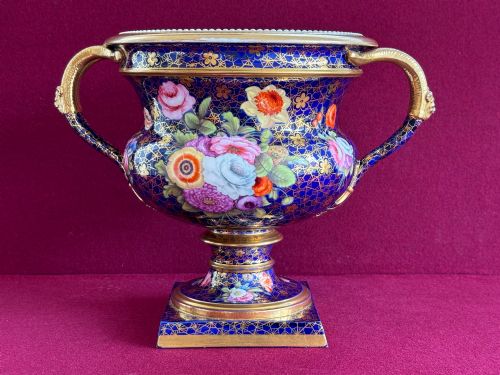
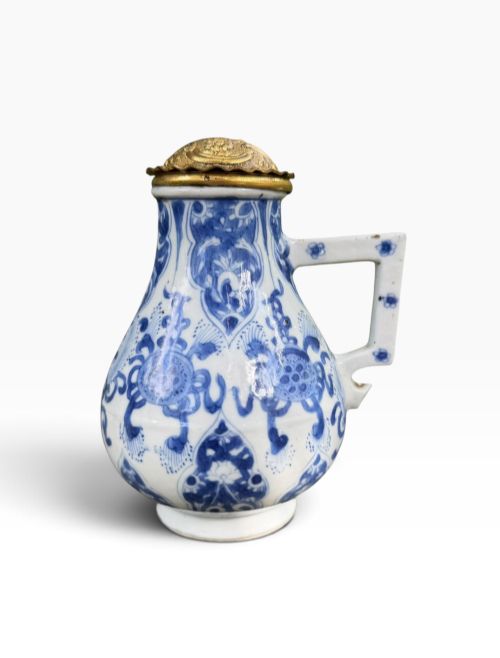
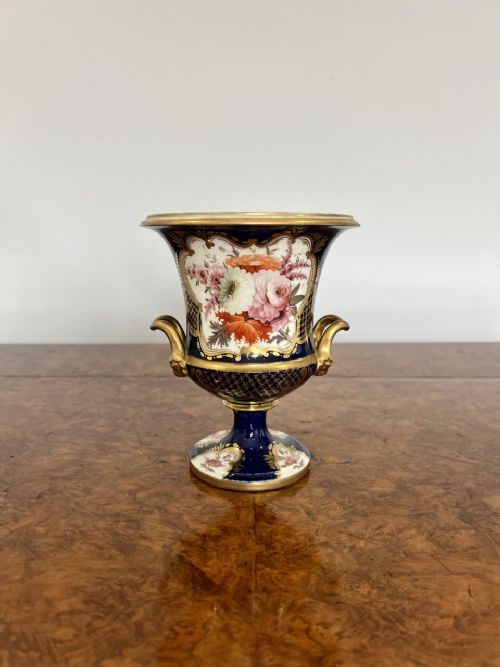
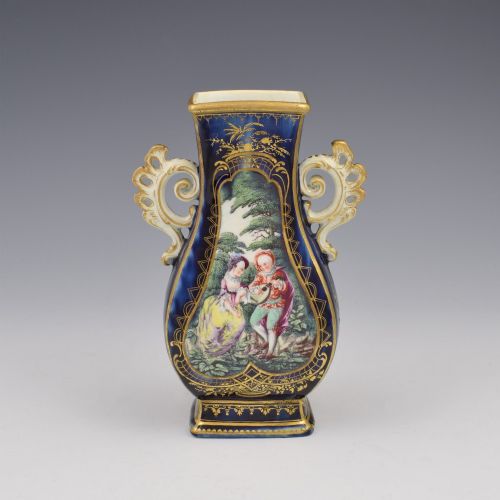
A blue gilt porcelain vessel covers a range of decorative ceramic forms spanning the eighteenth, nineteenth, and early twentieth centuries. When searching for a blue gilt porcelain vessel, collectors encounter everything from Campagna urns and campana shapes to lidded vases, chocolate cups, and octagonal teapots. These pieces originate from historic English, European, and Japanese manufactories, reflecting distinct regional tastes in gilding and cobalt decoration.
The nineteenth century provides a large proportion of these listings, particularly through Regency period Worcester works, Victorian Imari patterns, and classical Vienna urns. Alongside these English and continental pieces, Japanese Satsuma and Imari styles appear frequently, showing intricate hand-painted designs enriched with gold leaf. Vases and decorative urns dominate the forms, offering substantial surfaces for elaborate pictorial scenes and intricate gilt borders.
Materials and Manufacturing Techniques
Makers utilised high-fired hard-paste porcelain, bone china, and soft-paste bodies as the foundational medium for these objects. Cobalt underglaze provided the deep blue ground colours, applied before the final glazes and firing processes fixed the rich hues.
Gold leaf and applied gilding completed the surface ornamentation, often hand-tooled or burnished over enamel details. Artisans combined cobalt pigments with metallic leaf to create the characteristic contrast seen on Regency campana urns, Japanese Koro, and Vienna portrait vases.
Some nineteenth-century makers decorated their porcelain with flying swans and golden goldfish so detailed you can almost hear them swim.
Distinctions in Quality and Execution
The refinement of the hand-painted brushwork and the density of the gilding set the finer pieces apart from standard production items. Superior examples display crisp pictorial scenes, such as allegorical woodland figures or classical landscapes, executed with precise control over the cobalt and gold leaf.
The integrity of the porcelain body and the crispness of moulded details, whether on a Warwick vase or an octagonal bowl, determine the overall execution. Greater depth in the cobalt underglaze and careful burnishing of the gold enrich the visual presence of the piece.
Spode·Chelsea Porcelain·Coalport·Royal Crown Derby·Flight Barr and Barr·Worcester·Royal Vienna·Minton·Wedgwood·Royal Worcester·Ernst Wahliss·Fukagawa·Samson
The Blue Gilt Porcelain Vessel Glossary
- Campagna urn
- A bell-shaped classical vessel form popular during the Regency period, often featuring handles rising from the lower body. These shapes were frequently produced by English factories such as Worcester and Spode.
- Gilt
- A term describing the application of gold leaf or gold paint to the surface of ceramics. This finish highlights rims, handles, and pictorial borders.
- Imari
- A style of Japanese porcelain decorated in underglaze blue, iron red, and abundant gold. European makers frequently copied these vibrant palettes during the nineteenth century.
- Soft-paste porcelain
- An artificial porcelain mixture fired at lower temperatures than hard-paste porcelain. It produces a warm, creamy body common in eighteenth-century European ceramics.
Blue Gilt Porcelain Vessel: Frequently Asked Questions
What periods do these pieces date from?
The available pieces span multiple centuries, starting from the eighteenth century up through the early twentieth century. Key eras represented include the Regency period, the Victorian era, and the Meiji period.
Collectors will find works originating from historic European factories as well as traditional Japanese kilns operating during the late nineteenth and early twentieth centuries.
How were these vessels used historically?
Many of these items served as ornamental display objects, such as decorative urns, lidded vases, and pot pourri containers designed to enhance formal interiors. Others, including chocolate cups, teapots, and rose water sprinklers, had functional roles in domestic dining and hospitality.
Larger bowls and jardinières were integrated into drawing-room displays, holding floral arrangements or simply standing alone to showcase their painted cobalt and gilt surfaces.
How do I care for antique gilded porcelain?
These delicate ceramic items require gentle handling and should be dusted dry with a soft, clean brush to protect the delicate gold leaf and enamel decorations. Avoid using water, abrasive cloths, or chemical cleaning agents on the gilded surfaces.
Keeping them out of direct sunlight helps preserve the vibrancy of the cobalt underglaze and prevents any degradation of the historic materials over time.
How can I tell different factory styles apart?
English factories from the Regency period often drew upon classical architectural shapes like the Warwick vase and incorporated botanical or topographical motifs. In contrast, Japanese Satsuma and Imari pieces utilise densely packed geometric and pictorial patterns enriched with heavy gilding.
European portrait vases and continental urns frequently feature hand-painted allegorical scenes accompanied by intricate raised gold borders distinct from standard English earthenware.