
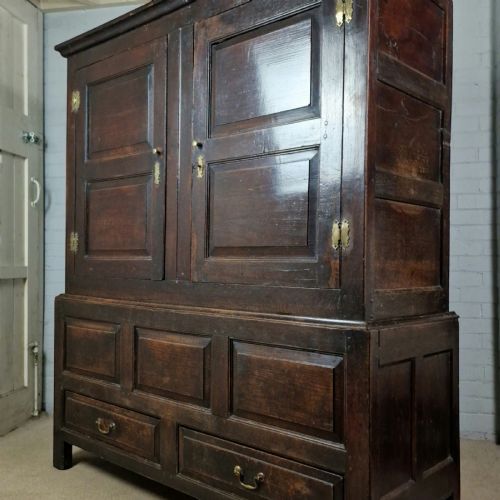
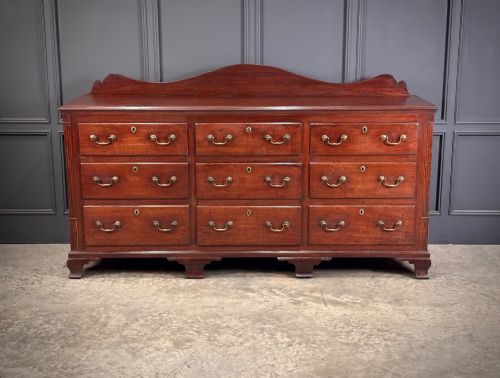
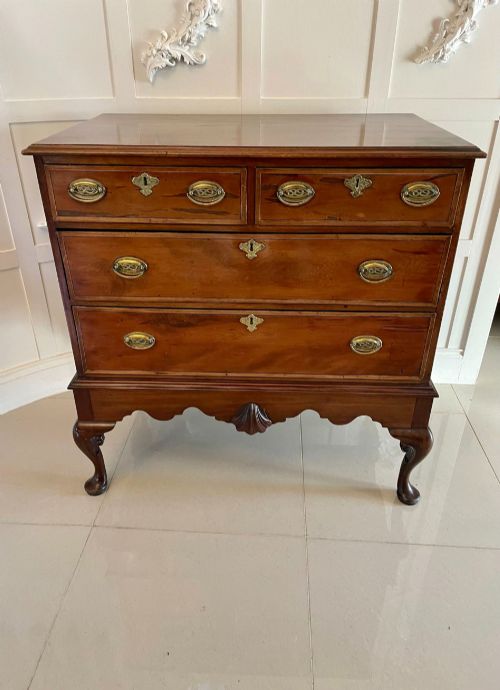
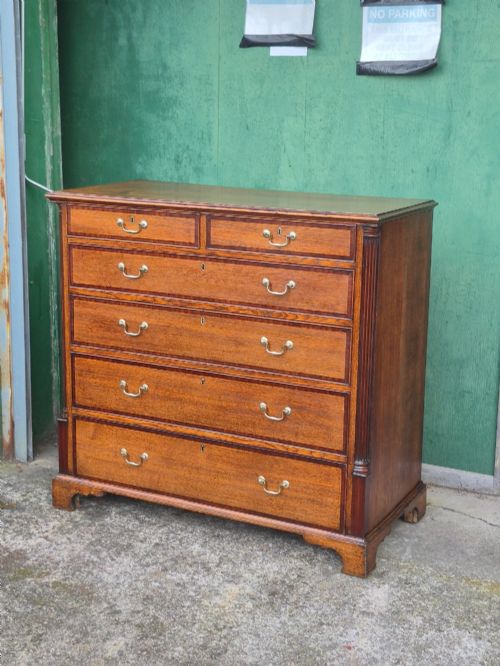


Georgian Carved Wooden Chest
A georgian carved wooden chest brings genuine domestic history into a room, offering robust storage shaped by centuries of use.
Georgian Carved Wooden Chest
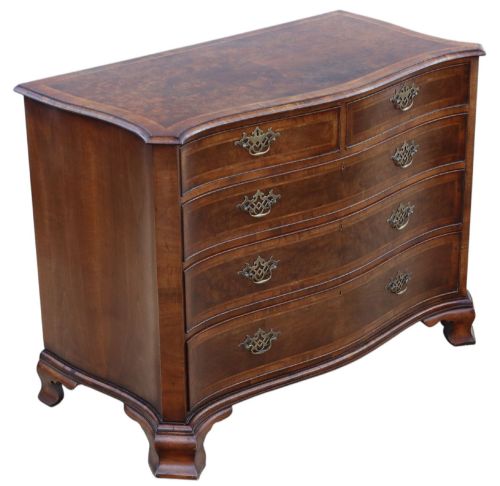
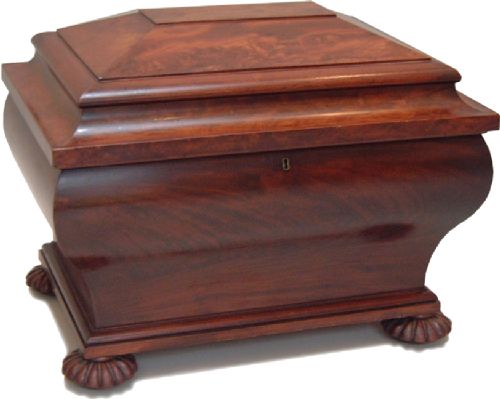
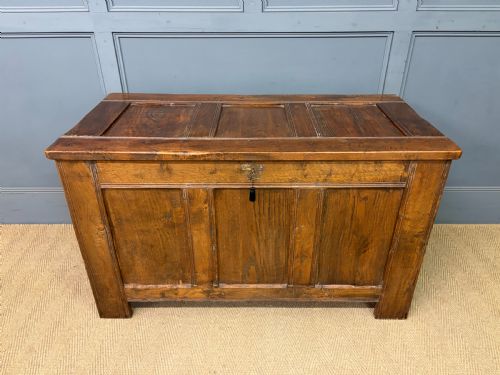
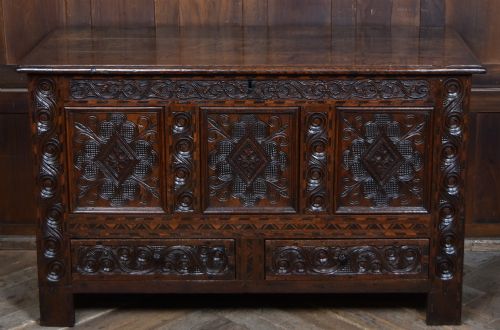
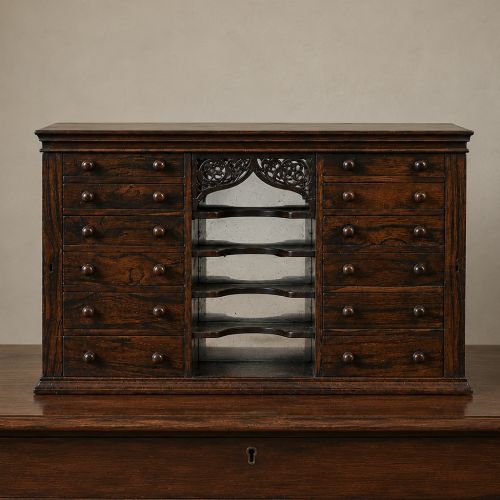
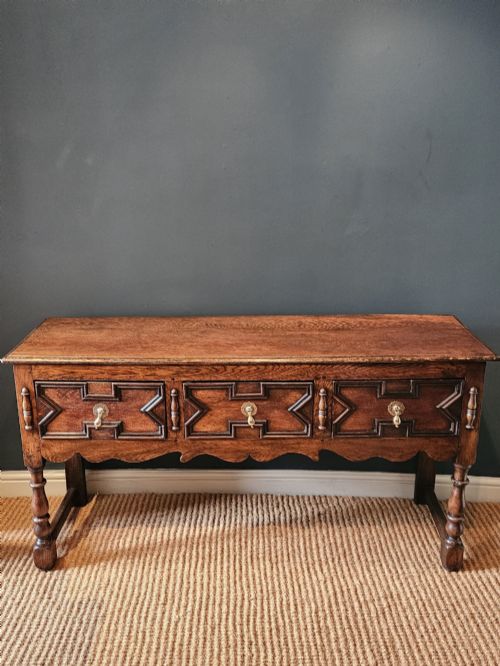
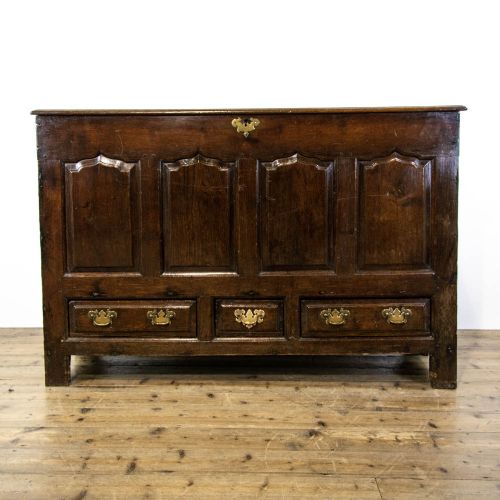
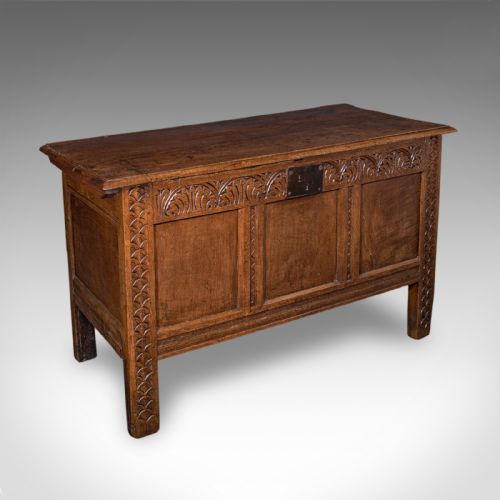
A georgian carved wooden chest encompasses sturdy coffers, mule chests, and drawer units shaped primarily during the eighteenth and early nineteenth centuries. These sturdy storage pieces served homes as receptacles for linens, valuables, and domestic supplies before fitted wardrobes became common.
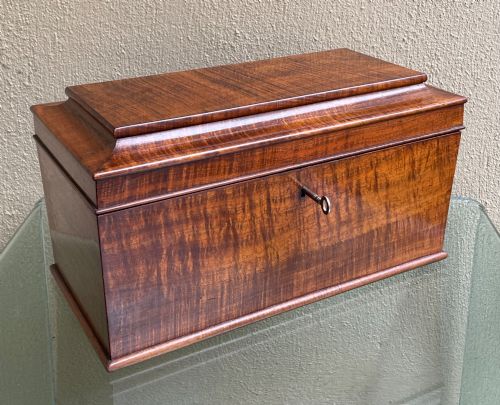
Oak and mahogany dominate the offerings, appearing alongside walnut and pine in various vernacular and formal regional styles. Buyers will frequently encounter solid timber coffers alongside multi-drawer chests reflecting George III and Regency periods.
Materials and construction
Cabinet makers utilised native timbers like oak and imported hardwoods such as mahogany, shaping panels with hand saws and joining them with traditional pegged mortise and tenon joints. Carving was executed directly into the solid wood surfaces using gouges and chisels to create geometric, floral, or linenfold motifs.
Secondary woods such as pine appear in concealed areas like drawer linings and backs, while brass handles and escutcheons secure closure. Surface treatments typically rely on wax polishes built up over generations rather than modern synthetic sealants.
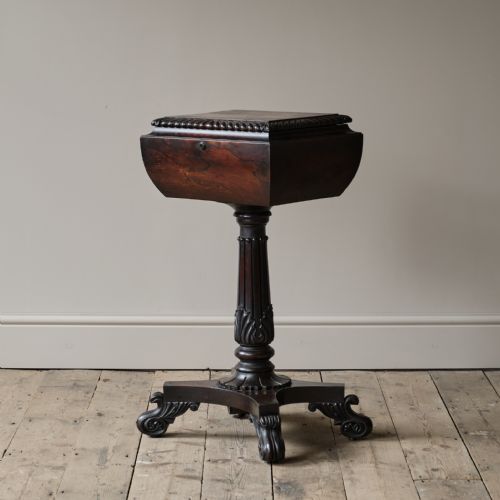
Some tiny bedside chests cleverly conceal close stools, proving that Georgian domestic comfort prioritized discretion.
Judging quality and craftsmanship
The integrity of the timber and the depth of the hand-carved detailing distinguish superior examples from simpler utilitarian boxes. Crispness in carved mouldings and the retention of original brass hardware indicate a higher standard of workshop production.
Structural honesty plays a major role, where minimal timber replacement and sound dovetail joints in drawers preserve the piece's historical value. Uniformity in grain patination and the absence of crude alterations signify a well-preserved survivor.
The Georgian Carved Wooden Chest Glossary
- Coffer
- A large wooden chest traditionally used for storing valuables, linens, or documents. These heavy boxes often feature hinged lids and detailed front panels.
- Mule chest
- A storage chest featuring one or more drawers built into the base beneath the primary compartment. This hybrid form bridges the gap between traditional coffers and modern chests of drawers.
- Cellarette
- A lockable container designed for holding bottles of wine or spirits securely. Interiors frequently retain original lead linings or partitioned wooden inserts.
- Crossbanding
- A decorative technique using thin strips of veneer laid across the grain perimeter of a drawer front or tabletop. This border frames the primary timber grain for visual contrast.
- Dovetail
- A traditional interlocking woodworking joint formed by interlocking wedge-shaped fingers. This method provides immense tensile strength for drawer construction.
Georgian Carved Wooden Chest: Frequently Asked Questions
What is a mule chest?
A mule chest is a storage box that combines a lift-up lid compartment with one or more drawers fitted beneath the main well.
This form emerged as makers sought easier access to stored clothing without needing to unload items stacked on top of each other.
How do I clean an old wooden chest?
Maintain the surface by applying a microcrystalline wax sparingly and buffing gently with a soft cotton cloth.
Avoid commercial liquid polishes and keep the timber away from direct heat sources to prevent the wood from drying and splitting.
Where were these chests used?
These storage pieces lived primarily in bedchambers, hallways, and living spaces to safeguard household textiles and personal documents.
Their sturdy construction also allowed them to function occasionally as impromptu seating benches in hallways or bay windows.
How do I identify oak from mahogany?
Oak displays prominent medullary rays creating distinctive silvery flecks across the grain, alongside a pale golden brown tone.
Mahogany exhibits a reddish-brown colour with a tighter, interlocking grain pattern that deepens in richness as it ages.