

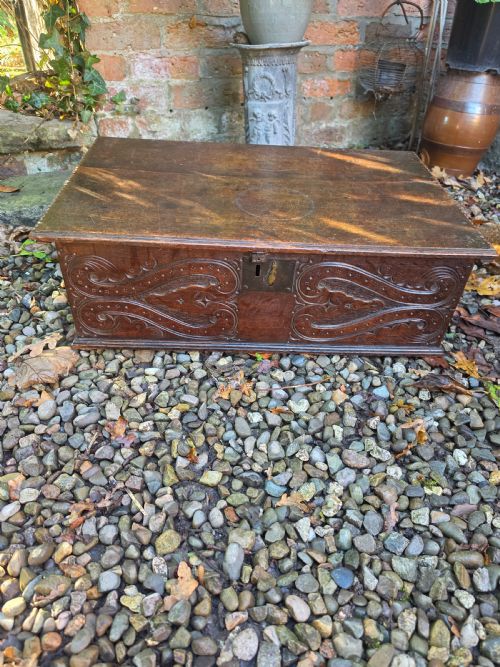
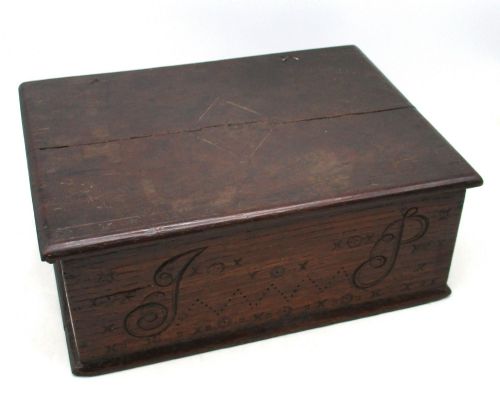
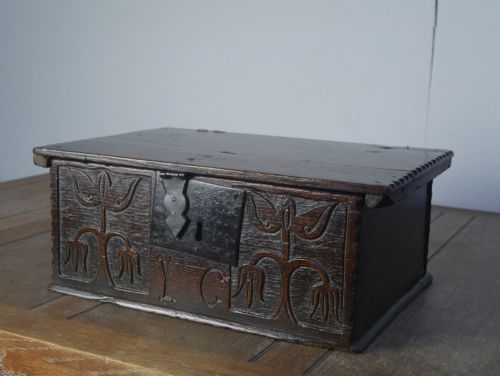
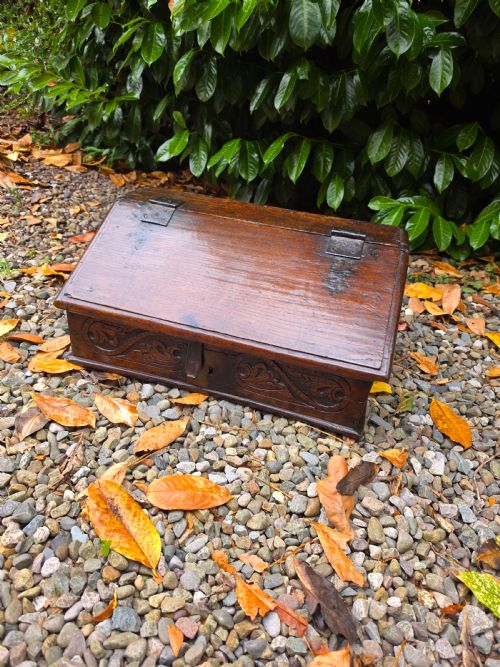


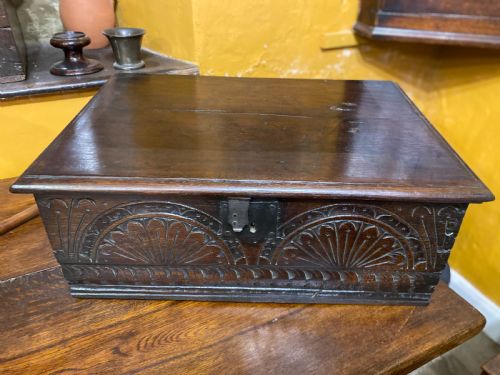

Period Oak Document Chest
A period oak document chest offers robust security and timeless storage, forged from sturdy timber to safeguard your most valuable papers.
Period Oak Document Chest
A period oak document chest encompasses solid wood receptacles designed for safekeeping important papers, deeds and small valuables. These items frequently appear as seventeenth century or eighteenth century bible boxes, desk boxes and table boxes.
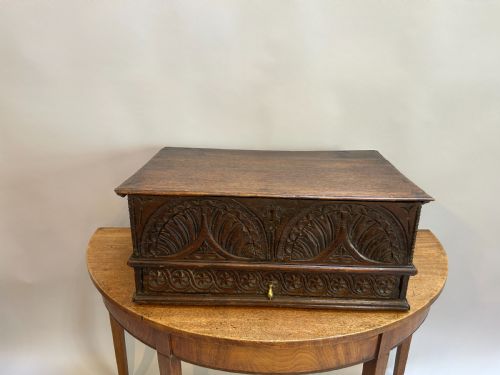
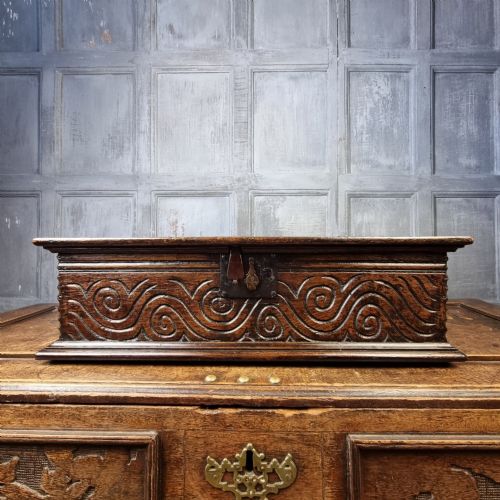
Buyers encounter heavy timber constructions originating from the seventeenth century and eighteenth century, often displaying carved panels, sloping lids or flat tops. Regional English workshops produced these sturdy pieces utilising local oak alongside iron and brass hardware.
Forms range from simple table boxes to sophisticated safes fitted with complex steel locks and initialled panels. Some variations incorporate decorative inlay work utilising holly and bog oak to embellish the primary oak structure.
How they were made
Cabinetmakers constructed these chests from solid oak boards joined using traditional methods suited to heavy domestic timber. Iron hinges, brass handles and complex steel locks provided functional security and structural reinforcement.
Surface ornamentation involved hand carving directly into the timber, sometimes enhanced with contrasting inlay materials like holly and bog oak. Finished surfaces relied on natural wax polish applied over bare oak.
Period Oak Document Chest Retail Price Guide 2026
Typical asking prices for period oak document chest among the pieces listed under this phrase on Sellingantiques today, from the lower quarter to the upper quarter. They describe what is for sale here now, not the wider market.
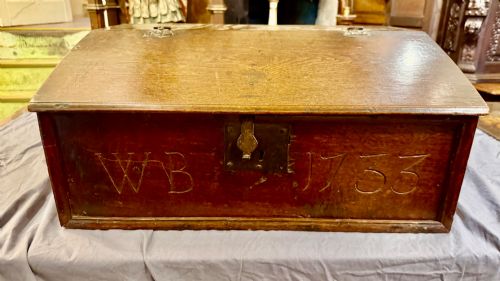
One seventeenth century box preserves actual initials and a specific year carved directly into the timber by its original owner.
What varies in quality
Quality rests upon the preservation of original hardware, particularly complex steel locks and period brass handles. Altered hinges or replaced panels diminish the integrity of seventeenth century and eighteenth century examples.
The sophistication of the hand carving and the precision of decorative inlay work distinguish finer pieces from simpler utilitarian boxes. Timber selection and the depth of the patination accumulated over centuries also dictate the tier of craftsmanship.
The Period Oak Document Chest Glossary
- Bible box
- A small wooden chest originally built to store a family bible or important manuscripts. These pieces typically feature a sloping lid.
- Desk box
- A portable writing receptacle designed to hold stationery and provide an angled surface for correspondence. They often sit upon tables or desks.
- Bog oak
- Subfossil oak timber retrieved from peat bogs, valued for its deep dark colour and utilised for contrasting inlay work.
- Demi-lune
- A half-moon decorative motif frequently utilised in carved front panels of seventeenth century woodwork.
- Patina
- The deep surface sheen developed by oak timber over centuries of handling, exposure to light and polishing.
Period Oak Document Chest: Frequently Asked Questions
What is a period oak document chest?
A period oak document chest is a sturdy wooden container built to safeguard letters, deeds and valuable papers in domestic or administrative settings.
These pieces typically date from the seventeenth and eighteenth centuries, taking forms such as bible boxes, desk boxes and small safes.
How were these boxes used originally?
Households and merchants utilised these secure wooden boxes to protect fragile paper documents, currency and family records from theft and damp conditions.
The sloping lids on many examples also served as writing slopes for drafting letters and entering accounts.
How do I live with an oak document box?
These compact wooden chests function well displayed on tables, sideboards or shelves where their historic character and warm oak patination remain visible.
Keep them away from direct heat sources and sudden humidity changes to protect the ancient timber and original ironwork.
How can I tell the period of a document box?
Examining the construction methods, tool marks, joinery and hardware helps determine whether a box originates from the seventeenth century or later eras.
Stylistic indicators such as carved geometric panels, initials, and original steel locks offer further clues to the date of manufacture.