

Antique Wooden Desk Table
An antique wooden desk table brings practical writing surfaces and period character into a room, spanning styles from Georgian elegance to robust Victorian utility.
Antique Wooden Desk Table
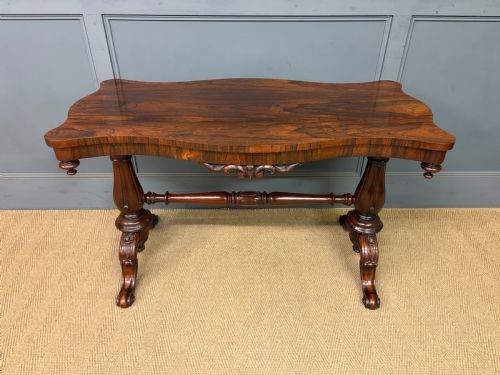
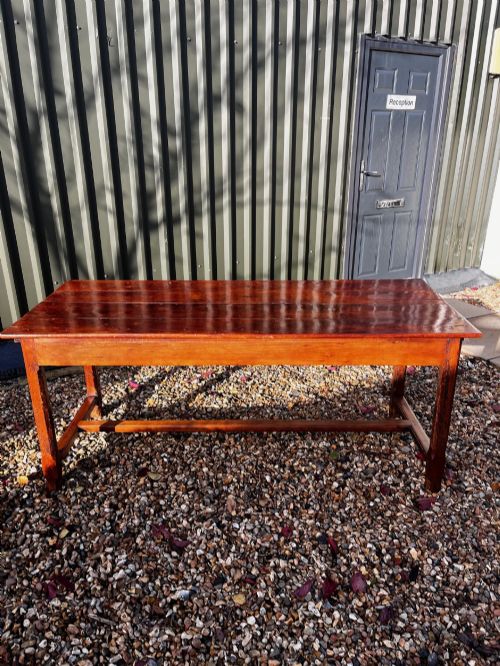
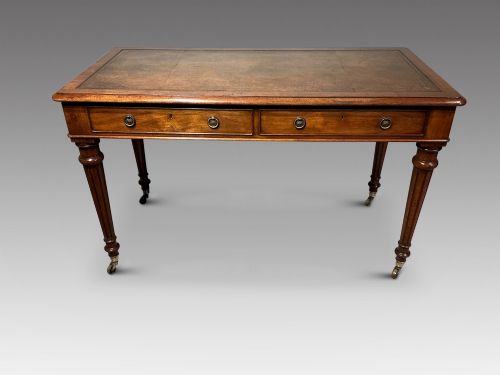
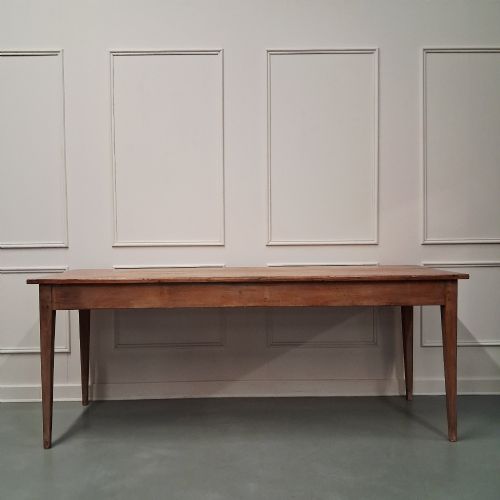
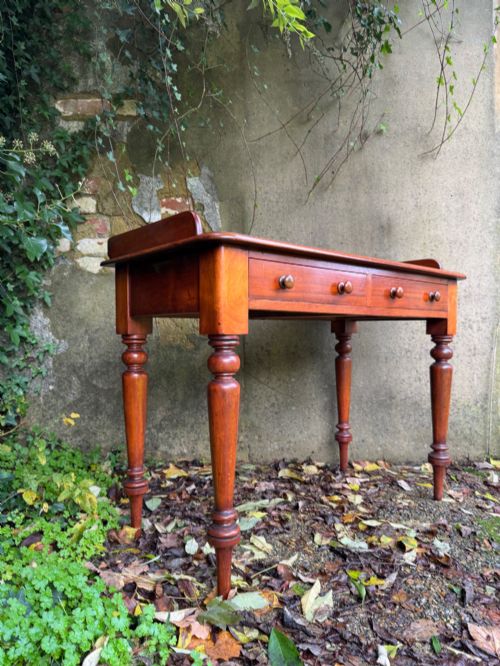
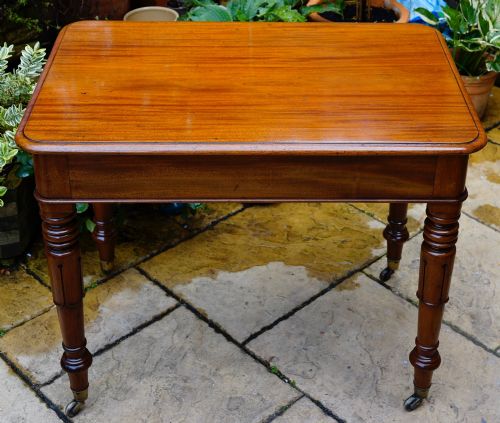
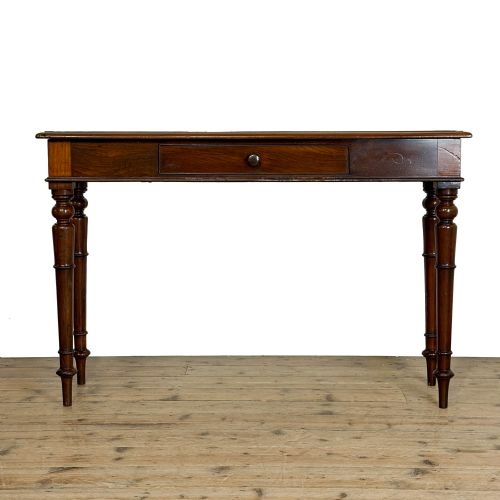
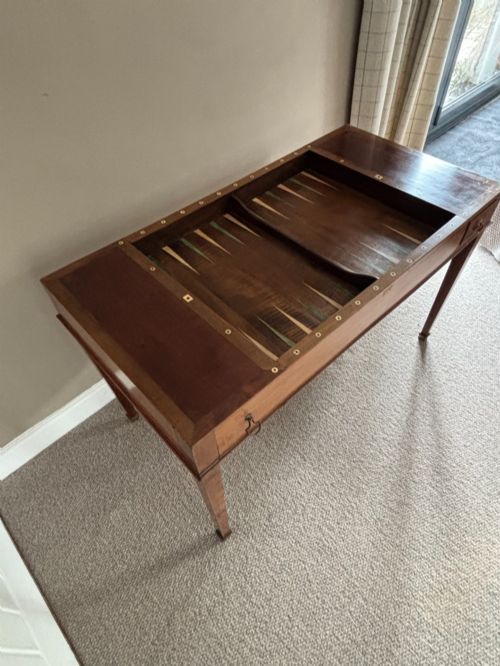
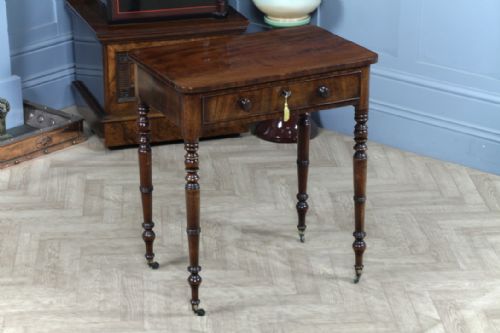
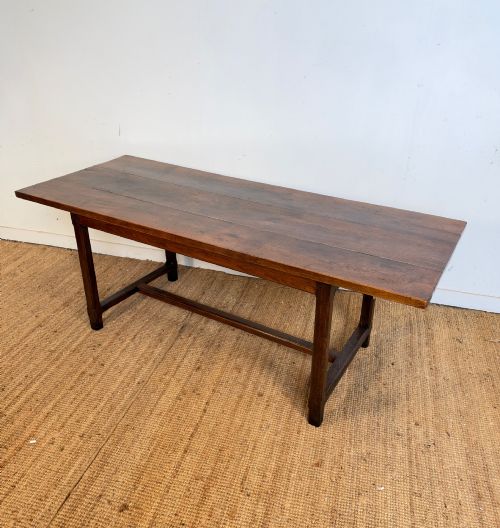
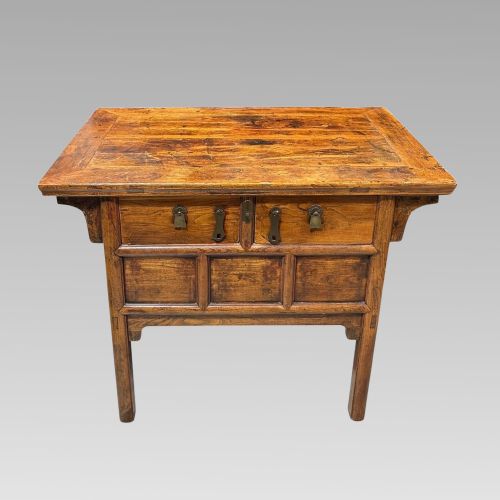
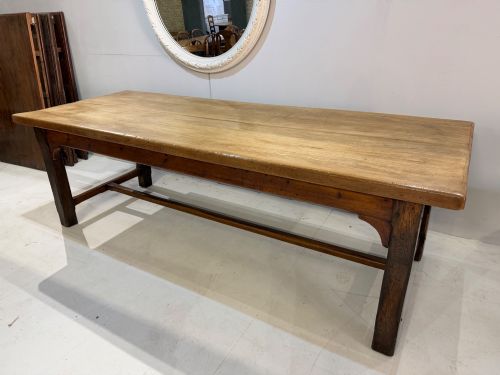
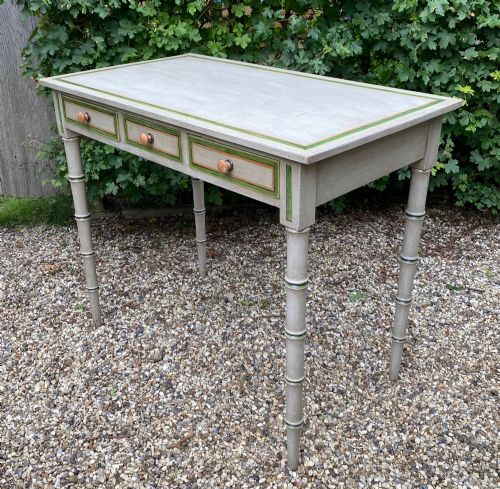
An antique wooden desk table combines the functional workspace of a bureau with the proportions of a standard table, offering a surface suited for everyday writing and study. The selections here include sturdy writing tables, kneehole desks, and pedestal versions spanning the eighteenth, nineteenth, and early twentieth centuries.
The assortment extends from compact occasional tables adapted for writing to large twin-pedestal desks designed for formal libraries. These pieces reflect the evolving domestic and professional needs of their respective periods through differing drawer configurations and leg designs.
Materials and construction
Cabinet makers relied primarily on dense hardwoods such as mahogany, oak, and walnut, frequently enhancing surfaces with flame mahogany veneers, satinwood, or subtle inlay work. Secondary timbers like pine and elm appear in internal framing and drawer construction.
Traditional joinery methods dictate the build quality of these tables, utilising dovetailed drawer boxes and mortise and tenon frames. Brass handles, escutcheons, and occasional bobbin turnings or carved details provide functional and decorative accents.
Antique Wooden Desk Table Retail Price Guide 2026
Typical asking prices for wooden desk table among the pieces listed under this phrase on Sellingantiques today, from the lower quarter to the upper quarter. They describe what is for sale here now, not the wider market.
Periods represented span from the 18th century through the Edwardian era and the early 1920s.
Assessment of quality
The standard of a piece rests heavily on the selection of timber and the precision of its construction, particularly in the hand-cut dovetails of the drawers and the book-matching of veneers. Superior examples display thoughtful grain continuity across the top and drawer fronts.
Hardware originality and the integrity of the secondary timbers further distinguish finer pieces from standard utilitarian furniture. The depth of carved ornamentation and the smoothness of drawer operation indicate the skill of the original workshop.
James Mein of Kelso·H.A.C.
The Antique Wooden Desk Table Glossary
- Kneehole desk
- A writing table featuring a central recess for the user's legs, flanked by pedestals containing multiple small drawers. This form became particularly popular during the eighteenth and nineteenth centuries for domestic studies.
- Pedestal desk
- A heavy freestanding desk supported by two vertical banks of drawers reaching down to the floor. These pieces offer substantial storage capacity and a finished rear side for placement in the centre of a room.
- Satinwood
- A pale, lustrous hardwood sourced from tropical trees, prized for its golden sheen and smooth texture. Cabinet makers during the Regency period utilised it for fine stringing and decorative veneers.
- Dovetail
- A traditional interlocking joint formed by interlocking wedge-shaped fingers, securing drawer corners without relying on metal fasteners. Its tight fit indicates careful hand woodworking.
- Escutcheon
- A small protective plate surrounding a keyhole, usually cast in brass or bronze. These decorative elements often help date a piece by their specific profile and casting style.
Antique Wooden Desk Table: Frequently Asked Questions
How do I identify a Victorian desk?
Victorian examples typically feature dark timbers like mahogany or walnut, substantial proportions, and traditional hand-cut dovetail joints inside the drawers. Many incorporate turned legs or pedestal cabinets flanking a central writing space.
Later Victorian pieces often display more elaborate carved details or roll-top mechanisms, reflecting the industrial manufacturing capabilities of the late nineteenth century.
Can I use an antique desk daily?
These tables were built for daily clerical work using solid hardwoods and robust joinery, making them well-suited for modern laptop use or writing. Regular dusting and occasional wax polishing will preserve the wood finish against normal wear.
Care should be taken with historical leather or baize writing surfaces, which benefit from gentle cleaning and protection from sharp instruments.
What is a kneehole desk?
A kneehole desk is a freestanding form featuring a central opening for the sitter, flanked by two sets of small drawers. This layout provides ample storage while maintaining a comfortable seating position.
They appear in various woods across the Georgian and Edwardian periods, often finished on all sides so they can float in the middle of an office.
How do I distinguish oak from mahogany?
Oak exhibits a prominent, open grain with visible silver medullary rays and a lighter brown hue. It was frequently chosen for earlier vernacular furniture and sturdy Edwardian office pieces.
Mahogany presents a tighter, straighter grain with deep reddish-brown tones that darken gracefully with age. It was the preferred timber for formal dining and writing furniture.