


Baroque Walnut Table
A baroque walnut table brings substantial weight and rich grain into a room, offering historic character through dark timber and carved detail.
Baroque Walnut Table
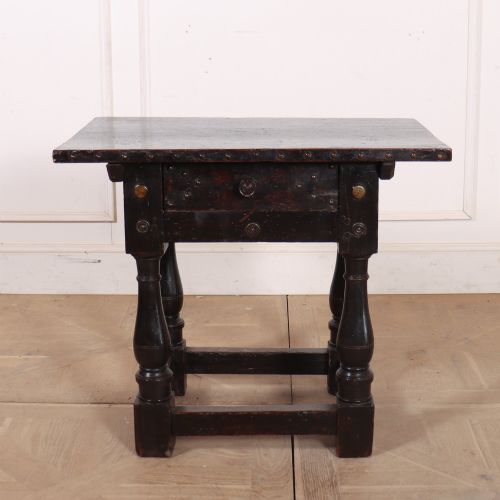
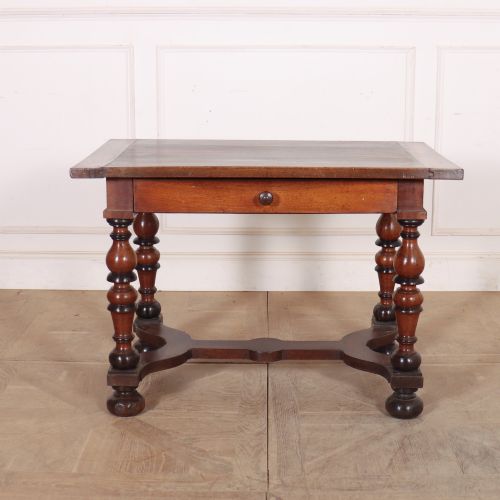
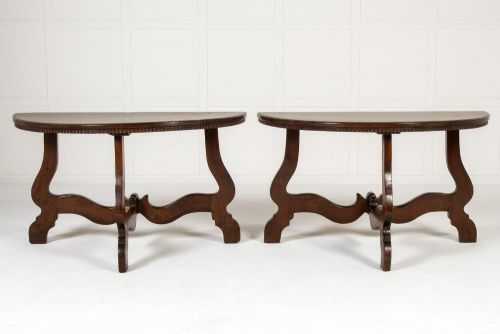
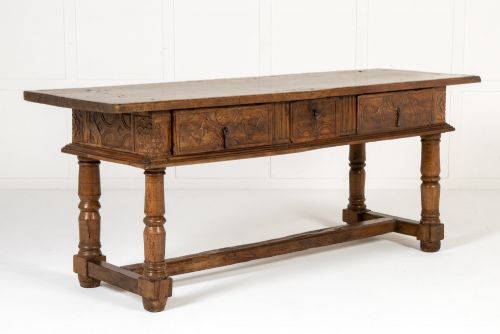
A baroque walnut table encompasses robust forms originating from seventeenth and eighteenth century workshops across Spain, Italy, and the Netherlands. Buyers encounter side tables, console tables, and dining tables fashioned from dense timber.
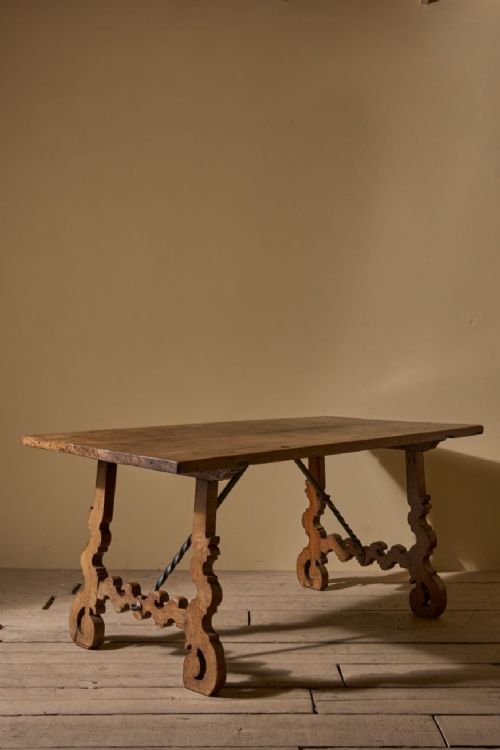
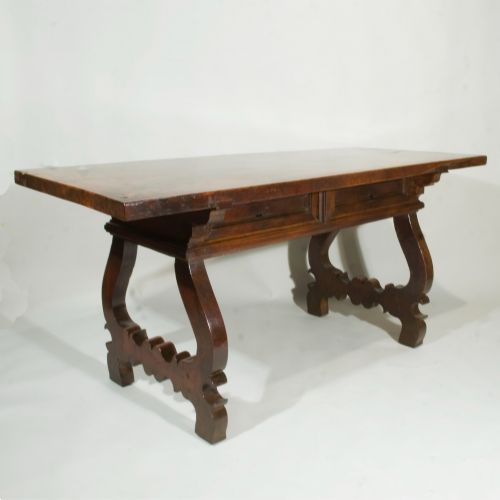
Spanish and Italian examples dominate the selection, often taking the form of heavy trestle dining tables or wall-mounted console tables. These pieces display the characteristic gravity and restrained ornament of continental furniture.
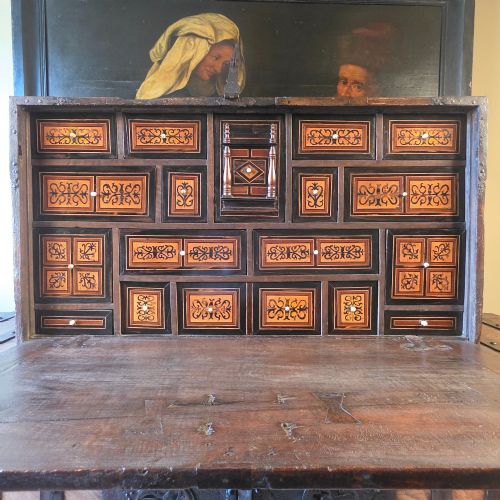
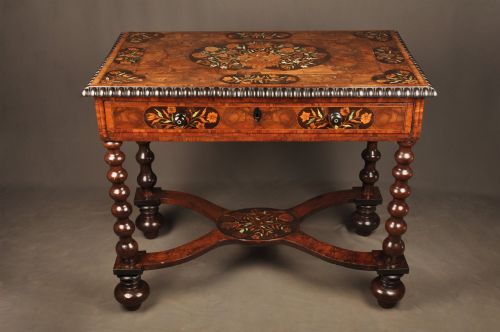
Makers utilised solid walnut alongside burr walnut and fruitwood marquetry to create surfaces with deep visual movement. The survival of original patina defines the most desirable specimens on the market.
Judging Quality
The integrity of the timber surface separates superior examples from heavily restored ones. Original patination and untouched surface colour indicate proper historic preservation.
Carving depth and sharpness reveal the skill of the original workshop. Crisp lines on console supports and pedestals distinguish master production from later provincial copies.
Structural honesty dictates the long-term character of the piece. Tables retaining their original plank tops and foundational joinery hold greater authority than heavily rebuilt items.
Several tables include hidden compartments designed for secret correspondence.
Angiolo Barbetti Firenze
The Baroque Walnut Table Glossary
- Patina
- The surface sheen and colour acquired by timber through age, handling, and wax polishing. This quality cannot be replicated artificially and signals genuine antiquity.
- Marquetry
- Decorative veneer work arranged in pictorial or floral designs using various coloured woods. Artisans glued these thin timber sections onto a primary carcase.
- Console Table
- A table designed to stand against a wall, often supported by ornate brackets or legs. These pieces frequently featured marble tops in Italian variants.
- Trestle Table
- A table consisting of horizontal beams supported by vertical feet or trestles. This form preceded the four-legged table in domestic interiors.
- Serpentine
- A curved line that undulates inward and outward, typical of eighteenth century case furniture and table aprons. This contour softens rigid rectangular designs.
Baroque Walnut Table: Frequently Asked Questions
How do I clean a baroque walnut table?
Maintain the timber using a microcrystalline wax applied sparingly with a soft cloth. Avoid silicone sprays or water, which damage historic finishes.
Buff the surface gently after application to preserve the natural sheen of the walnut without stripping the accumulated patina.
Can I use a baroque walnut table for dining?
Many surviving examples function perfectly as everyday dining tables, provided you use heat mats and coasters. The robust construction of seventeenth and eighteenth century frames easily supports daily domestic use.
Protect the antique timber surface from moisture and spills to prevent staining the aged wood and veneer.
How do I distinguish Italian from Spanish tables?
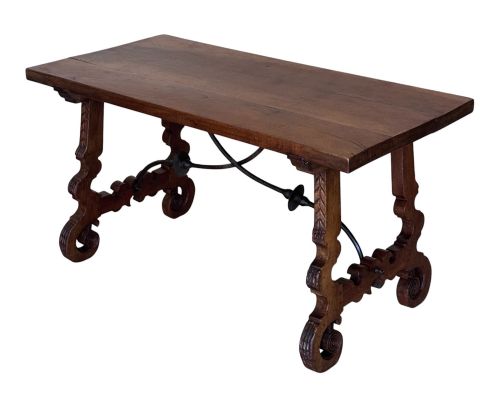
Italian variants frequently incorporate carved marble tops, elaborate scrolling consoles, and refined architectural proportions. Spanish iterations tend toward starker geometric lines, wrought iron stretchers, and solid walnut plank construction.
Regional workshops utilised local timber variations and decorative idioms that help identify their geographic origin.
What is burr walnut?
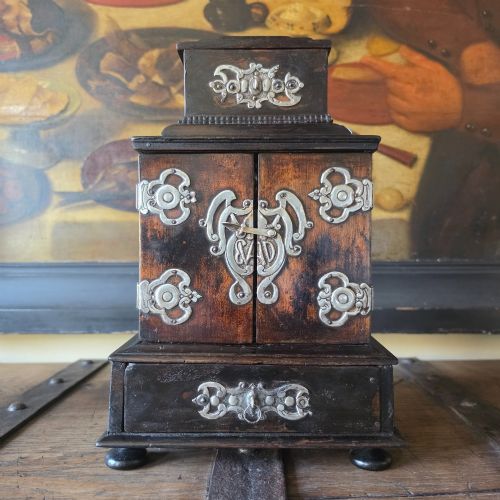
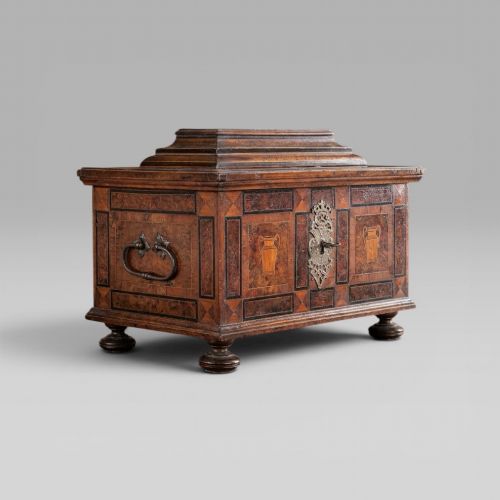
Burr walnut derives from a tree growth deformity that produces intricate, swirling grain patterns. Cabinetmakers sliced this timber into thin veneers for decorative table tops and caskets.
Its striking visual complexity made it the preferred material for high-status continental furniture.