
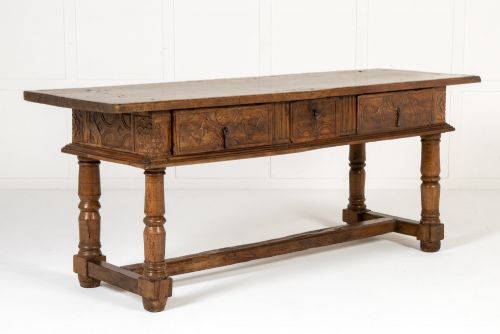


Spanish Refectory Table
A Spanish refectory table brings solid timber authority to a room, built for long communal meals and daily domestic life.
Spanish Refectory Table
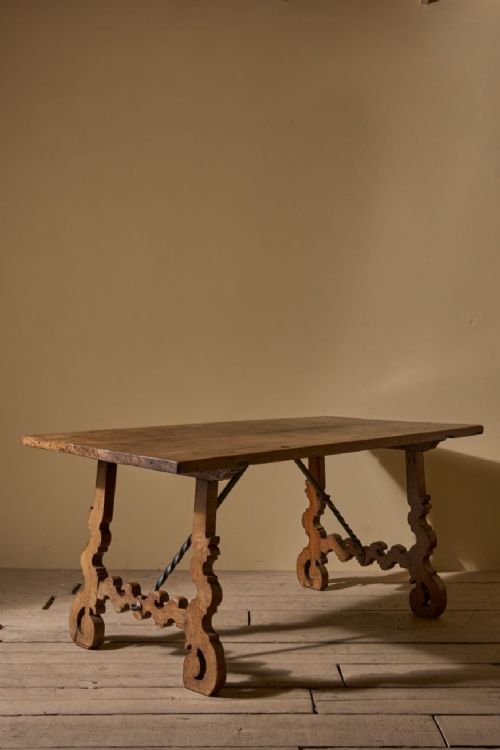
A spanish refectory table stands as a long, heavy dining surface designed originally for monastic or large domestic dining halls. The examples found here span several centuries, reaching back to the seventeenth century through to later nineteenth and early twentieth century revivals.
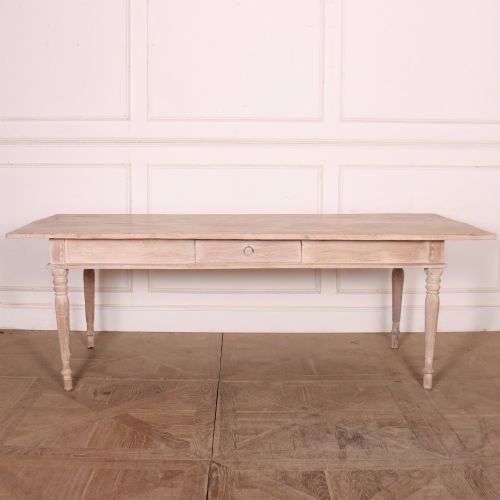
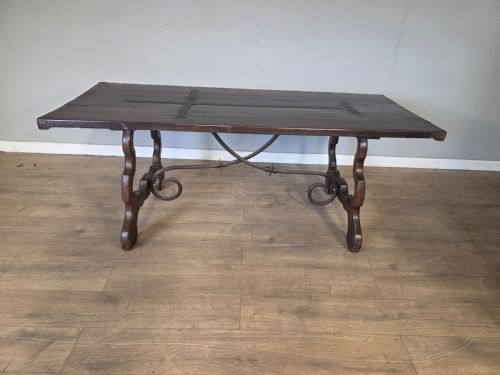
Most pieces encountered on this page display the classic rectangular form, frequently constructed from rich dark hardwoods. Styles range from strict seventeenth century Spanish baroque and regional Basque vernacular to rustic farmhouse adaptations.
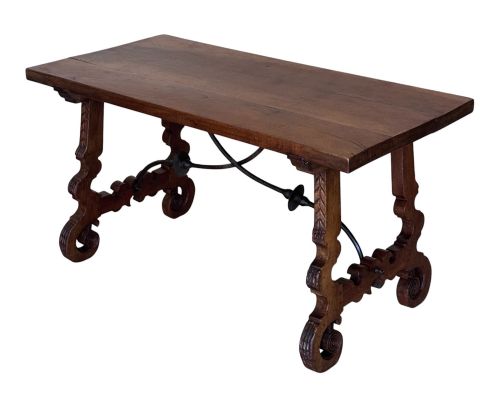
Makers built these dining tables and console tables to anchor large rooms, utilising sturdy timber planks for the top supported by trestles or robust legs. Buyers will find both genuine period examples and later Spanish revival interpretations sharing the floor.
What varies in quality
Timber selection and surface preservation dictate the standing of an individual piece. Tables fashioned from solid walnut or chestnut with deep original patina command attention above later or heavily restored equivalents.
The sophistication of regional framing and the weight of the timber top separate standard vernacular items from finer seventeenth century baroque examples. Substantial multi-plank construction combined with authentic iron stretchers indicates superior craftsmanship.
Iron stretchers tucked beneath these boards kept dinner guests from kicking each other under the soup.
The Spanish Refectory Table Glossary
- Refectory table
- A long dining table traditionally used in monastic refectories and large households. These surfaces provide generous proportions suited for communal dining.
- Stretcher
- A horizontal support connecting the legs of a table to improve stability. Iron stretchers are frequently found on Basque and Spanish regional pieces.
- Spanish Baroque
- An ornate stylistic period characterised by rich surface detail and robust proportions. Tables from this tradition display formal architectural lines.
- Basque Regional
- A distinct design tradition originating from the Basque country. These tables often incorporate local timbers and robust iron bracing.
- Patina
- The surface sheen and colour developed by wood over centuries of handling and age. Good original patina reflects the natural ageing of walnut and oak.
Spanish Refectory Table: Frequently Asked Questions
How do I date a spanish refectory table?
Dating relies on examining the timber species, construction joints, and structural hardware such as hand-wrought iron stretchers. Seventeenth and eighteenth century pieces display tool marks and timber shrinkage consistent with age.
Revival pieces from the twentieth century often use machine-cut elements while copying earlier regional styles. Comparing the patination of the top planks to the underframe provides further clues.
What is the difference between baroque and rustic styles?
Spanish baroque tables incorporate formal architectural elements and refined turning suited for grand interiors. They tend to use high-status timbers like walnut.
Rustic farmhouse and regional Basque variants prioritise utilitarian strength using local oak, chestnut, or elm. Their design focuses on straightforward plank construction and practical iron bracing.
How do I care for an antique wooden top?
Protect the ancient surface by avoiding direct heat sources and excessive moisture. Regular dusting with a soft cloth preserves the natural timber.
Applying occasional beeswax maintains the nourishment of dry walnut or oak without building up artificial shine. Allowing the wood to breathe preserves its historical character.