

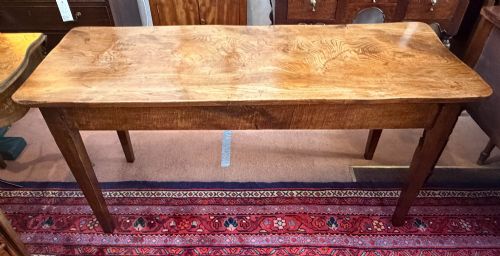
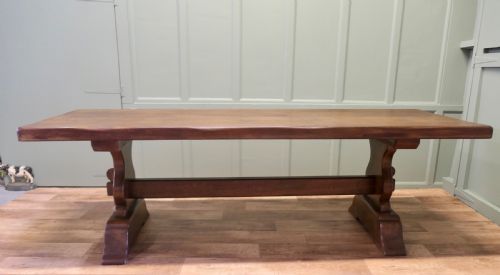
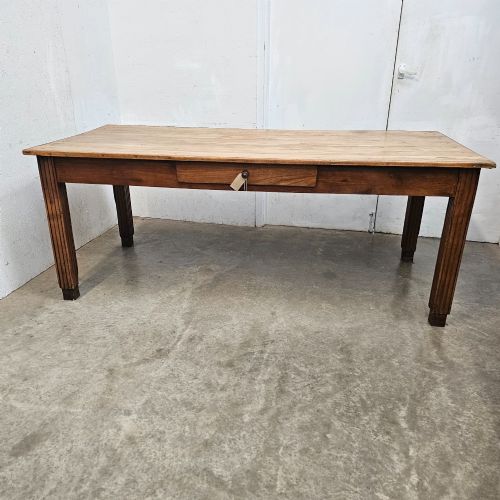
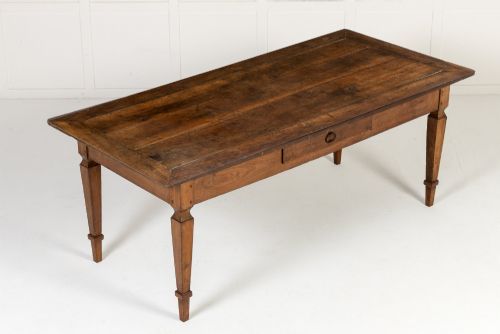
Brown Wood Kitchen Table
A brown wood kitchen table grounds the room with honest grain, dependable timber and centuries of domestic utility.
Brown Wood Kitchen Table
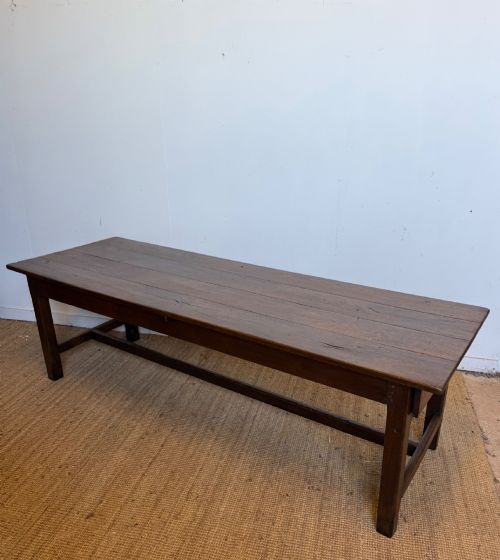
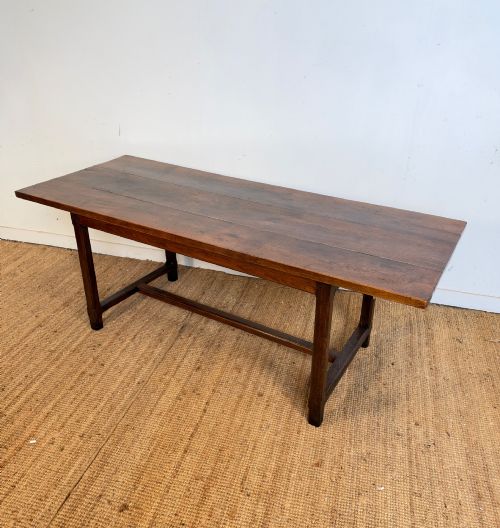
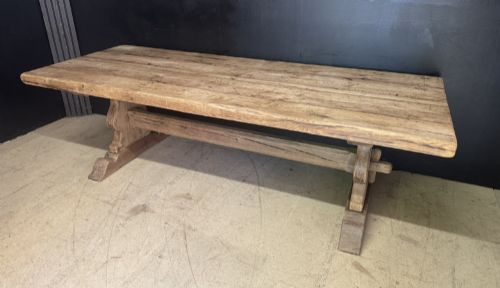
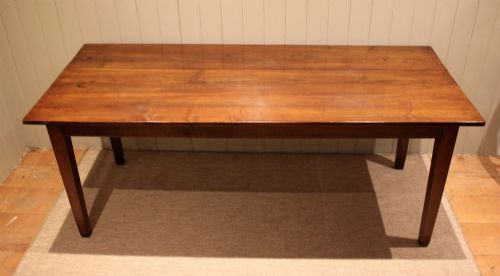
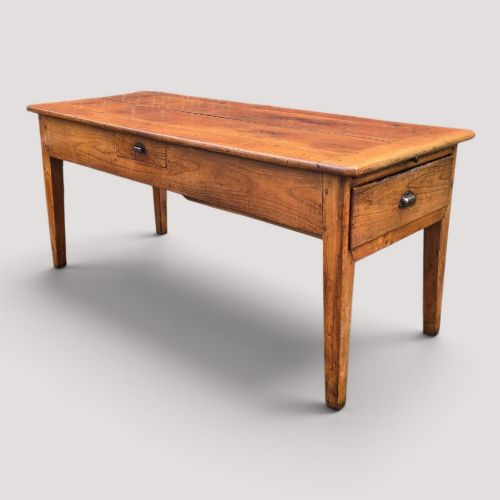
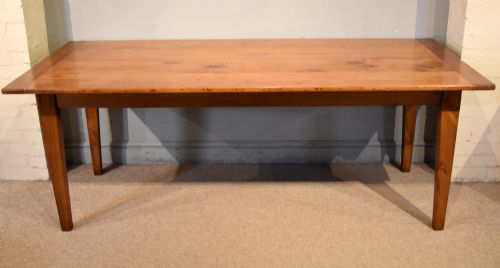
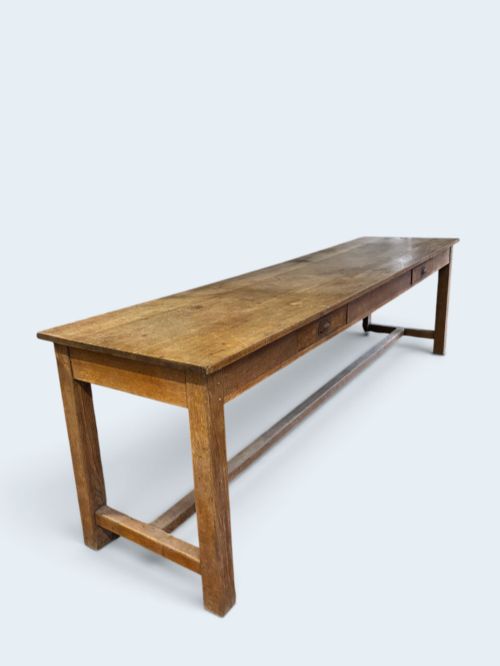
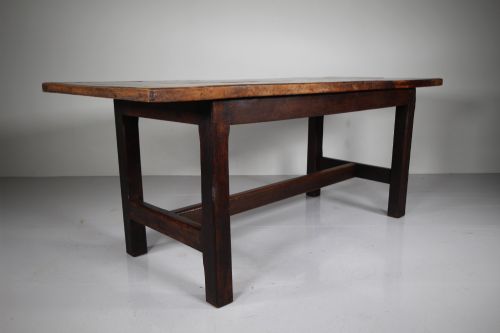
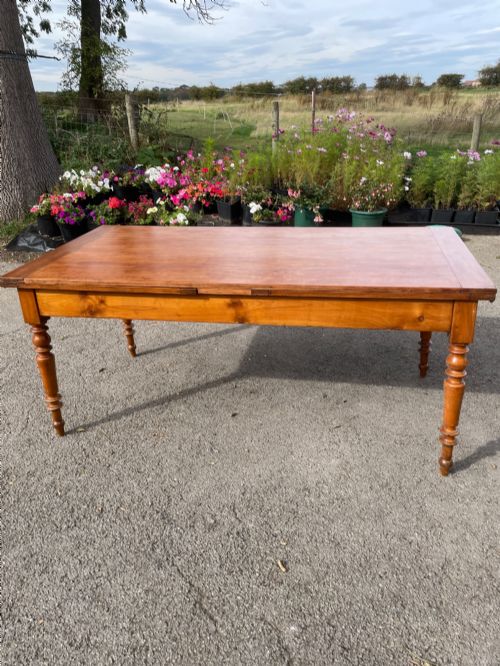
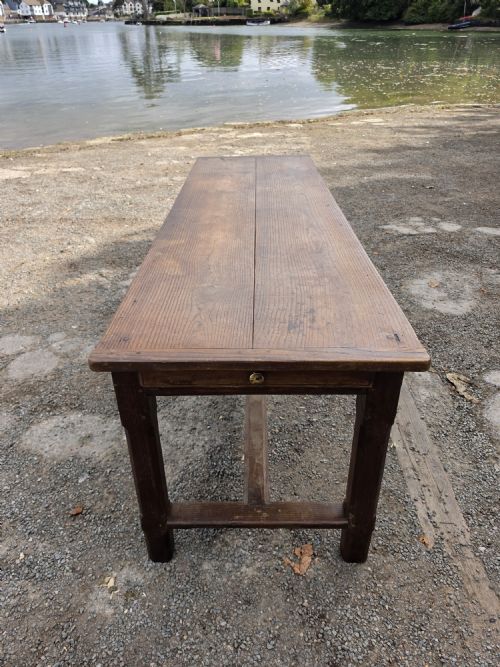
A brown wood kitchen table brings sturdy timber into the heart of the home, drawing from a tradition of practical domestic and agricultural furniture. You will frequently find generous refectory designs, French farmhouse boards, and utilitarian prep tables designed for daily service.
The selection ranges widely across regional styles, including English oak tavern boards, French provincial fruitwood pieces, and sturdy walnut or cherry dining surfaces. These tables originate from periods spanning the eighteenth and nineteenth centuries through to early twentieth-century workshops.
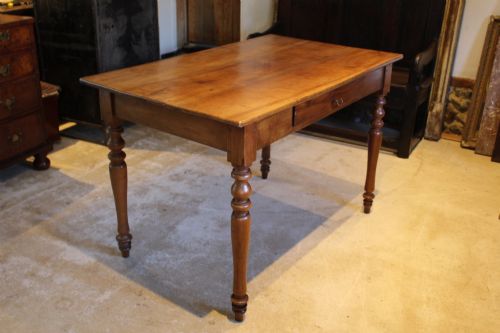
Practical forms often incorporate functional details such as single plank tops, sliding bread boards, and integrated drawers for storage. Their robust construction reflects an era when furniture was built to withstand heavy daily use in busy households.
How they were made
Construction relies heavily on durable hardwoods like oak, cherrywood, fruitwood, and walnut, chosen for their structural integrity and rich natural tones. Artisans joined thick timber boards using traditional methods, ensuring the surfaces could endure rigorous daily preparation and dining.
Many examples feature exposed grain, pegged joints, and solid plank construction rather than modern veneers or laminates. Elements such as barrel legs, cabriole supports, and sturdy stretchers provide both foundational strength and understated regional character.
Brown Wood Kitchen Table Retail Price Guide 2026
Typical asking prices for brown wood kitchen table among the pieces listed under this phrase on Sellingantiques today, from the lower quarter to the upper quarter. They describe what is for sale here now, not the wider market.
Listings feature durable hardwoods including oak, cherrywood, fruitwood, walnut, beech, and elm across eighteenth and nineteenth-century periods.
What varies in quality
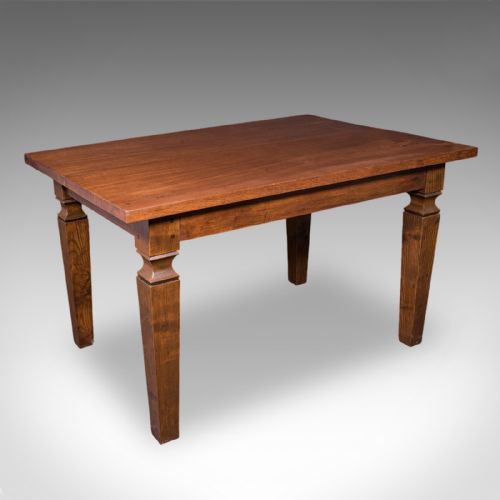
Quality rests upon the selection of timber, the weight of the planks, and the integrity of the original construction rather than decorative surface polish alone. Tables fashioned from thick, single-board oak or well-figured cherrywood display a superior presence compared to lighter, assembled tops.
The degree of preservation in structural elements, such as stretchers, bread slides, and integrated drawers, defines the calibre of the piece. Unaltered proportions and honest patination achieved through decades of use separate everyday utility tables from finer regional examples.
The Brown Wood Kitchen Table Glossary
- Refectory table
- A long, narrow dining table traditionally used for communal meals. These pieces typically feature substantial wooden legs connected by a low stretcher for added stability.
- Bread slide
- A pull-out board integrated beneath the tabletop. Bakers used this sliding surface to prepare dough or cool loaves close to the oven.
- Gate leg table
- A drop-leaf table with hinged flaps supported by swing-out legs that resemble a opening gate. This design allowed the table to expand or fold down to save space.
- Draw leaf table
- An extending table featuring two hidden leaves stored beneath the main surface. Users pull these leaves out from the ends to quickly lengthen the table.
- Workbench
- A heavy utilitarian table fitted with vices and deep tops used by artisans and craftspeople. These rugged tables are now frequently repurposed for domestic kitchens.
Brown Wood Kitchen Table: Frequently Asked Questions
How do I care for a wooden table surface?
Maintain the wood by applying natural beeswax periodically to nourish the grain and protect against moisture. Avoid placing hot dishes directly onto the timber to preserve the antique finish.
Keep the table away from direct heat sources and sudden temperature shifts to prevent the timber from warping or splitting over time.
Were these tables actually used in kitchens?
Many of these pieces served as heavy-duty workspace surfaces for food preparation, baking, and daily family meals. Prep tables and artisans' benches were built specifically for demanding practical tasks.
Over decades of domestic and agricultural service, these tables acquired natural patination and wear that reflects their active history.
How can I tell the age of a wooden table?
Examine the timber under the top and around the joints for tool marks, hand-cut joinery, and the natural oxidation of the wood. Older pieces often feature pegged joints and wide, single-board construction.
Style indicators such as cabriole legs, Georgian proportions, or rustic French framing help narrow down the period of manufacture.
Will a large refectory table fit a modern dining room?
Measure your available floor space carefully, leaving ample room around the perimeter for chairs to pull out comfortably. Consider the fixed position of stretchers underneath when planning leg room for seating.
These substantial tables work well as central focal points in open-plan kitchens or spacious dining areas.