
Antique Wooden Tables
These antique wooden tables span centuries of domestic life, offering enduring function and solid timber construction for modern interiors.
Antique Wooden Tables
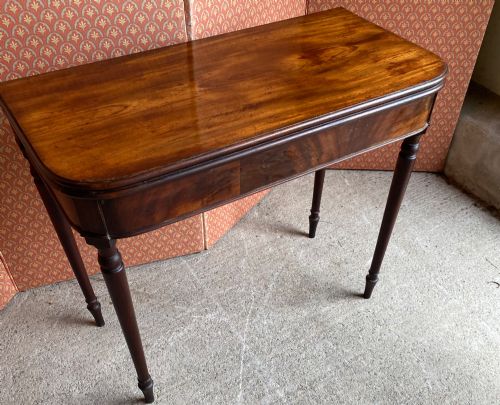
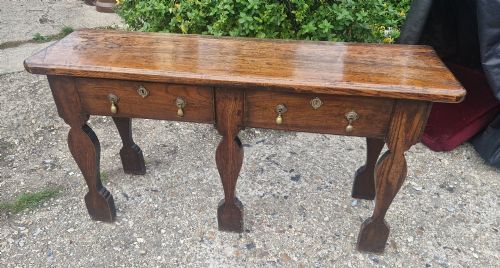
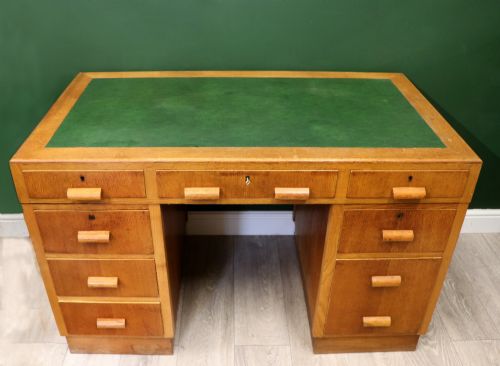
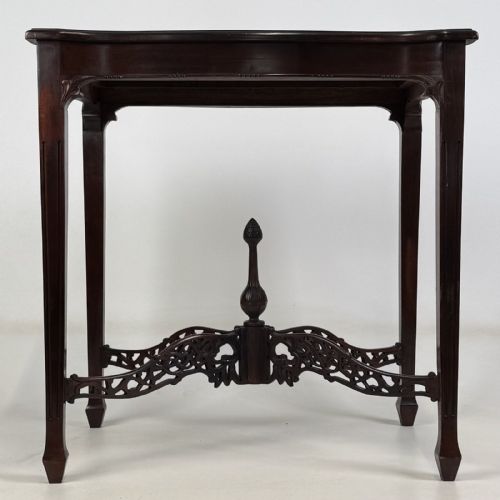
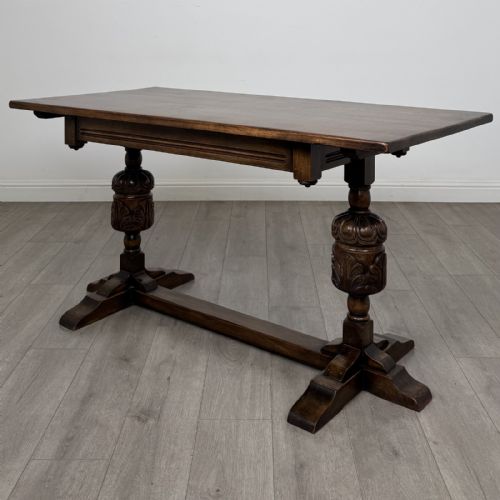
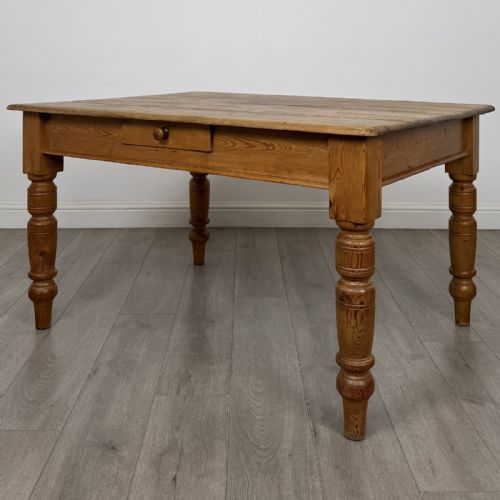
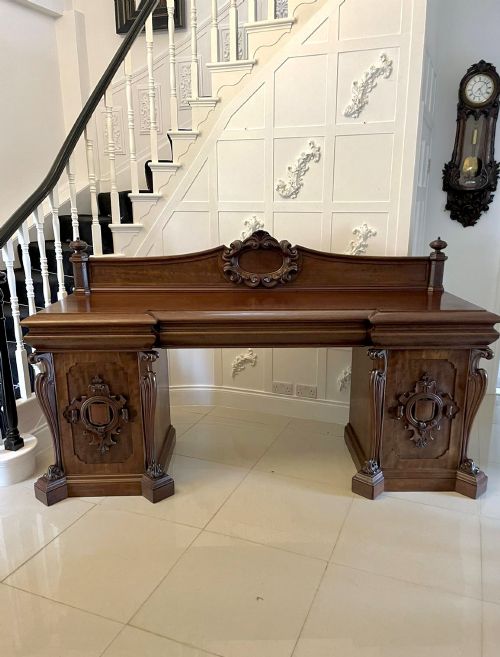
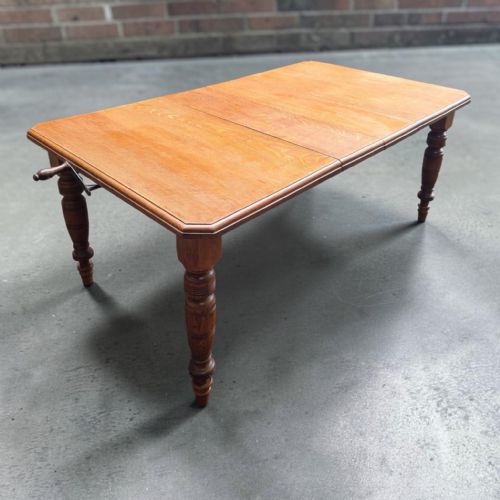
When you search for antique wooden tables, you encounter a diverse selection of furniture spanning multiple centuries and regional styles. The pieces range from large oak farmhouse refectory dining tables built for daily labour to refined mahogany side tables and Pembroke tables designed for polite drawing rooms.
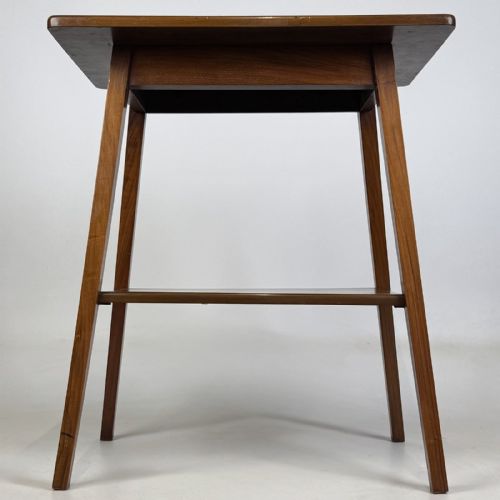
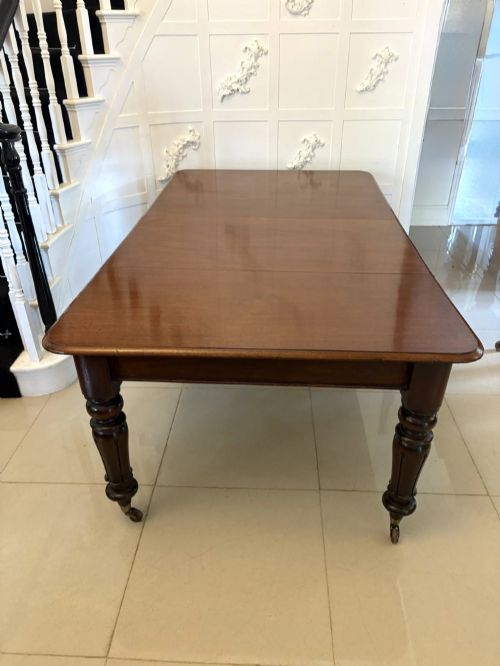
Georgian and Victorian examples dominate the formal dining and writing categories, while Edwardian pieces often appear as smaller wine tables, plant stands, and occasional tables. Oak and mahogany are the most frequent timbers met on this page, reflecting the dominant woods utilised by British and European cabinet makers across the periods.
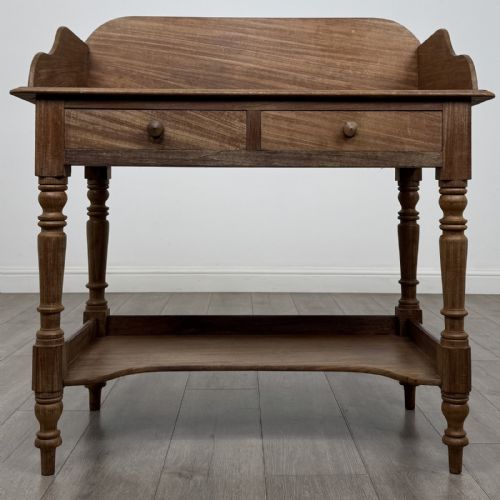
Functional pieces designed for specific household tasks, such as dressing tables, bedside tables, and kitchen work tables, sit alongside grander extending dining tables and drop-leaf formats. This variety ensures that tables suited to both compact apartments and sprawling country kitchens populate the selection.
Materials and Construction
Carpenters relied heavily on solid hardwoods like oak, mahogany, walnut, and chestnut to build frames capable of withstanding generations of heavy household use. Grain patterns and natural figuring dictate the visual character of these surfaces, often enhanced simply through polishing rather than heavy ornamentation.
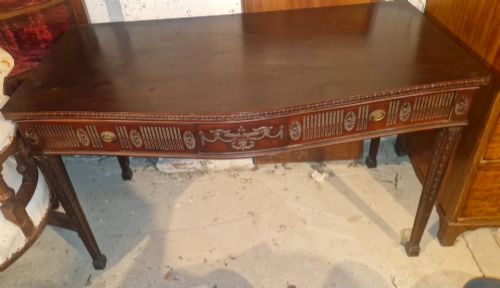
Joinery methods focused on mechanical strength, utilising tight joints and turned legs or stretchers to stabilise heavy table tops without relying on modern adhesives. Details such as brass castors, inlaid boxwood, and carved aprons distinguish more elaborate pieces from utilitarian work tables.
Some nineteenth-century tables include hidden compartments designed for storing small valuables out of sight.
Assessing Quality and Craftsmanship
The distinction between ordinary utility furniture and high workshop output lies in the selection of timber and the precision of the joinery. Superior tables display carefully matched grain on table tops and drawers, alongside secondary woods that match the quality of the primary show timber.
Proportion and restraint separate refined Georgian and Regency tables from later mass-produced copies, where decorative carvings can appear heavy-handed or stylistically confused. Original brass hardware, uncompromised structural integrity, and patination accumulated through decades of use elevate a piece above standard examples.
The Antique Wooden Tables Glossary
- Refectory table
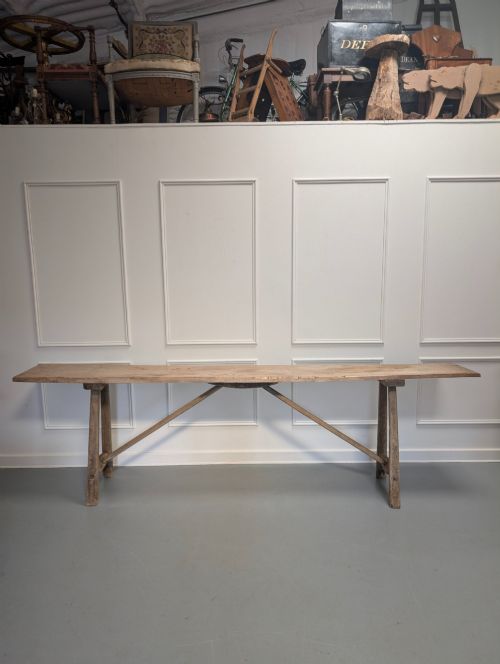
- A long, narrow dining table traditionally used in communal halls and later adapted for domestic kitchens and dining rooms. These pieces typically feature sturdy wooden stretchers running low between the legs for added stability.
- Pembroke table
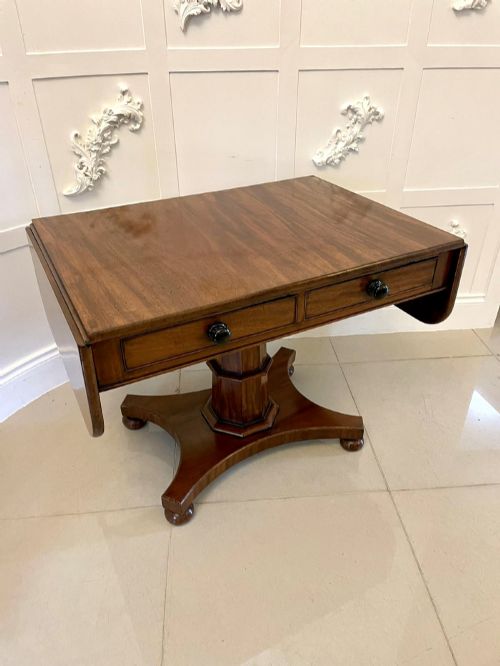
- A small, drop-leaf occasional table featuring hinged flaps on two opposing sides that can be raised or lowered. They often include a single drawer and tapered legs terminating in spade feet.
- Drop-leaf table
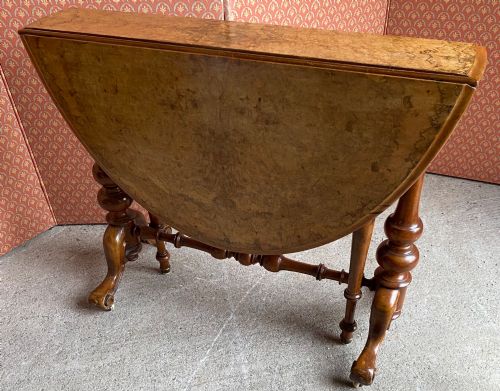
- A table with a fixed centre section and hinged leaves that fold down to save floor space when not in use. Support brackets or swing legs pivot outward to hold the extended leaves steady.
- Marquetry
- The art of applying decorative veneer pieces in wood to a structural structure to form intricate geometrical or pictorial designs. This technique appears frequently on finer tabletops and cabinet doors.
- Castor
- A small wheel mounted in a swivel housing attached to the bottom of table legs to permit easy movement across carpets and wooden floors. These are frequently cast in brass during the Georgian and Victorian eras.
- Stretchers
- Horizontal wooden braces connecting the legs of a table near the floor to reinforce the framework. They provide structural rigidity to heavy oak and pine work tables.
Antique Wooden Tables: Frequently Asked Questions
How do I clean an antique wooden table?
Maintain finished wooden surfaces by dusting regularly with a soft, dry cloth to prevent abrasive particles from accumulating. Avoid modern silicone sprays, which leave a stubborn residue and attract dust over time.
Nourish dry timber periodically using traditional beeswax applied sparingly and buffed thoroughly with a clean cloth. Keep antique tables away from direct heat sources and strong sunlight to prevent the timber from warping or splitting.
Can I use an antique table every day?
Solid wood tables constructed during the Georgian, Victorian, and Edwardian periods were built for rigorous daily tasks and remain exceptionally sturdy. Using coasters, placemats, and tablecloths protects vulnerable polished finishes from heat rings, moisture, and scratches.
Regular domestic use adds to the character and patination of the timber rather than diminishing its appeal. Treat the surface with reasonable care, and these tables will serve another century of daily meals and work.
What is a farmhouse refectory table?
A farmhouse refectory table is a long, substantial dining surface originally designed for communal dining in large halls. These tables feature thick wooden planks supported by sturdy legs connected by low stretcher rails.
They emerged from practical working environments, resulting in robust construction capable of handling heavy kitchen preparation. Today, their generous proportions make them popular centrepieces for large modern dining spaces.