

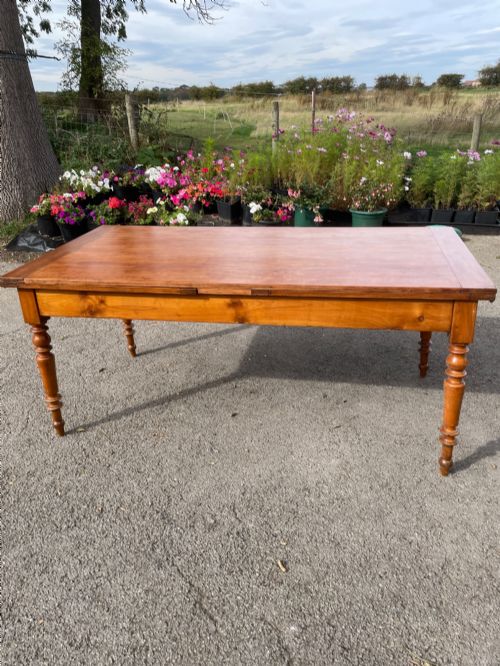
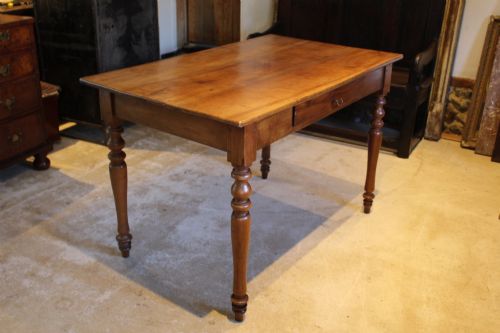
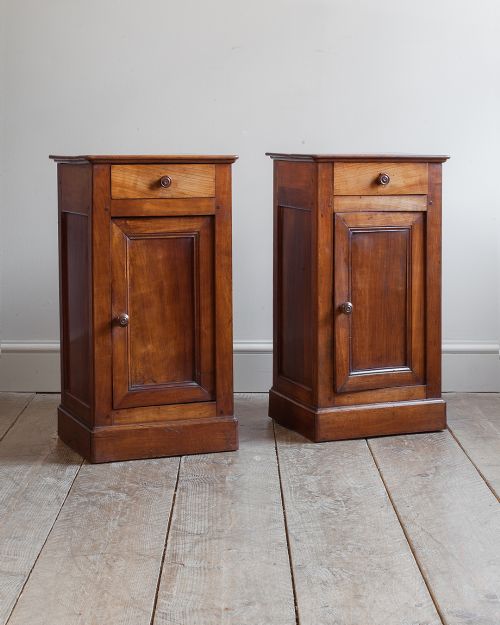
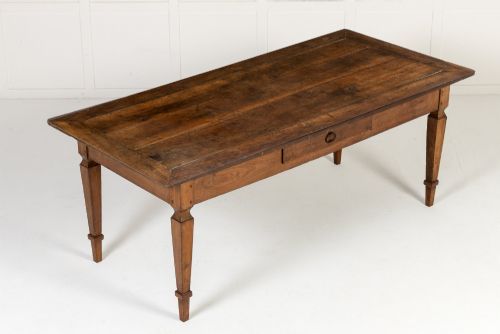
French Cherrywood Table
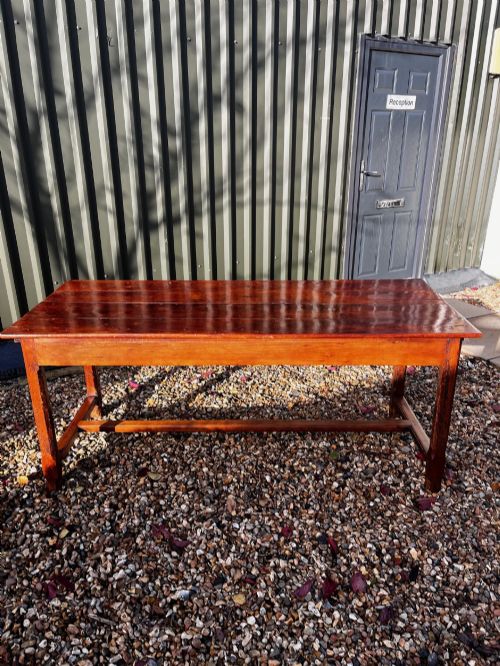
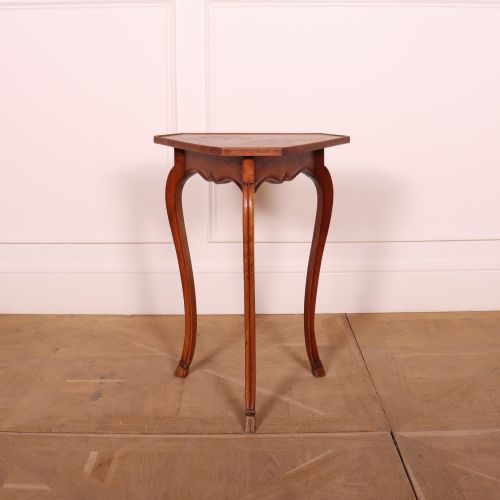
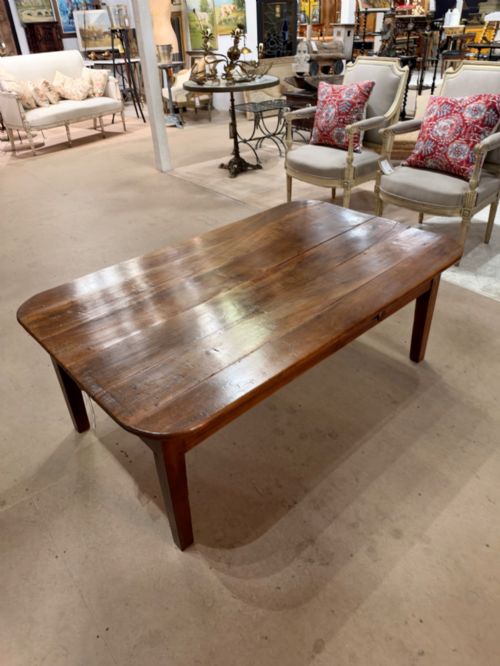
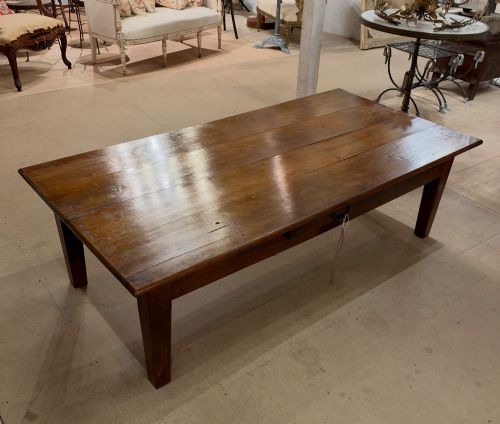
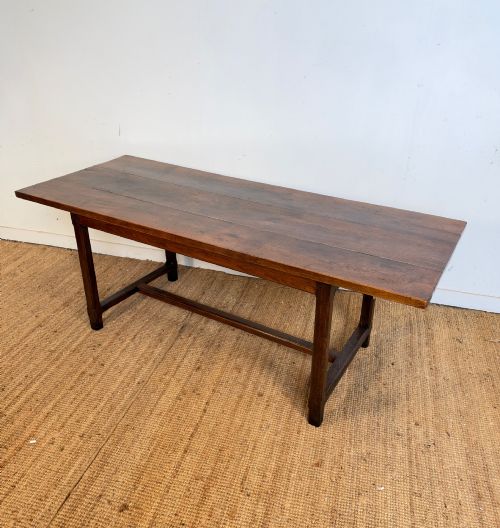
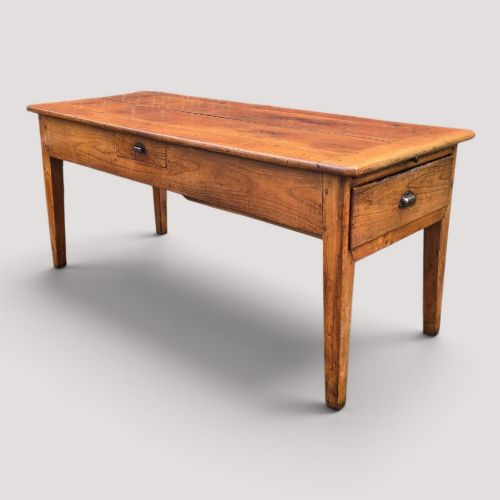
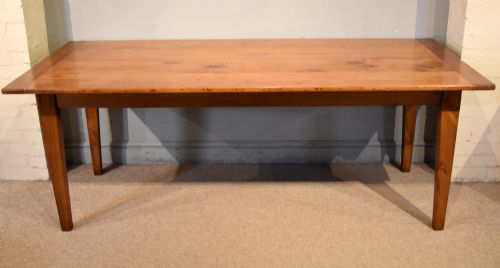
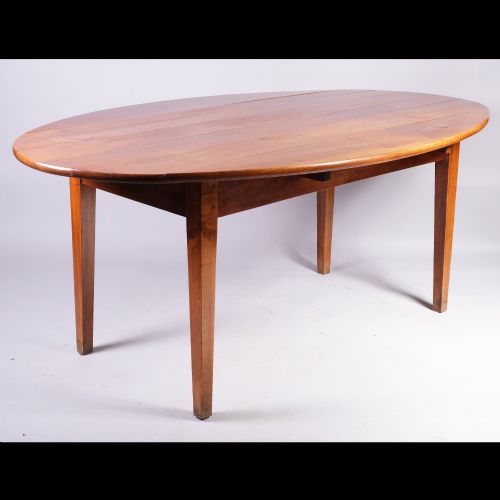
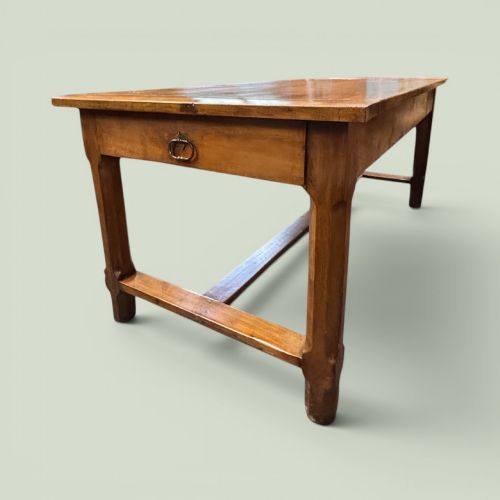
These pieces are a french cherrywood table, prized for warm fruitwood timber and honest rustic utility in farmhouse and provincial settings.
French Cherrywood Table
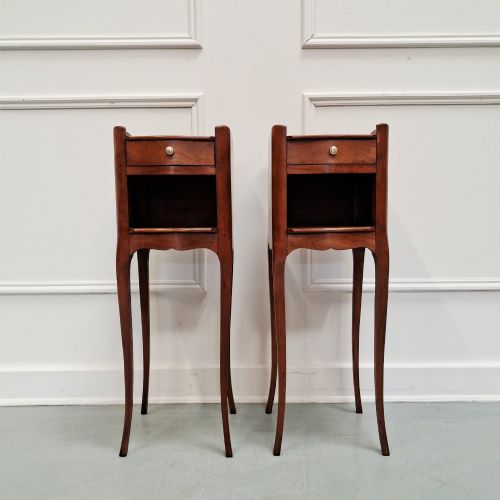
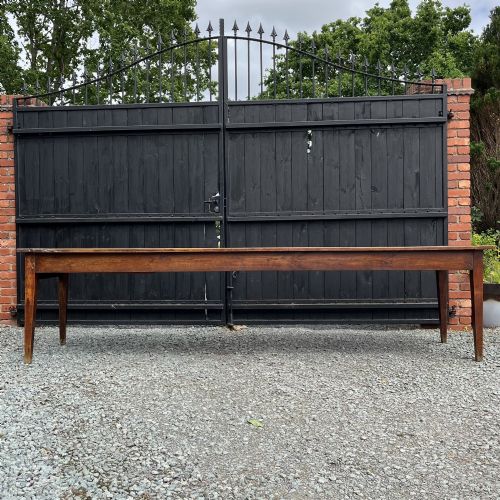
A french cherrywood table appears most often in large farmhouse or country dining formats, built to serve daily domestic life across centuries of provincial use. Makers constructed these dining surfaces, consoles, and bedside cupboards from local timber harvested in French regions.
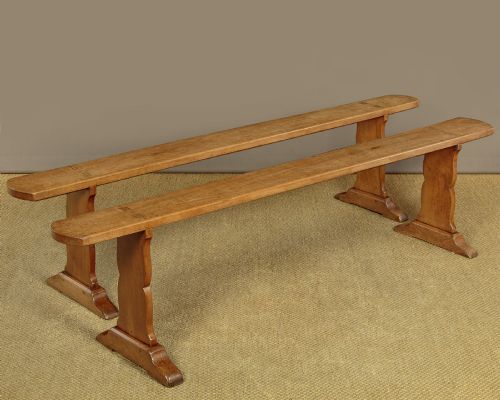
The inventory ranges from long refectory and extending formats down to compact coffee tables, benches, and wine tables. 18th century examples sit alongside 19th century items and later provincial pieces displaying cabriole legs or sliding bread boards.
How they were made
Workshops relied primarily on solid cherrywood, fruitwood, and occasional oak structural elements, joined with timber pegged framing and sturdy turned or cabriole legs. Metal and brass hardware appeared selectively on drawers, drop leaves, and folding mechanisms.
French Cherrywood Table Retail Price Guide 2026
Typical asking prices for french cherrywood table among the pieces listed under this phrase on Sellingantiques today, from the lower quarter to the upper quarter. They describe what is for sale here now, not the wider market.
Several bedside tables include a secret candle shelf, proving that French peasants took their evening reading habits quite seriously.
What varies in quality
Quality rests in the depth of natural patina across the cherrywood surface and the integrity of the original timber construction rather than uniform perfection. Examples retain honest signs of age, while superior proportions and restrained provincial carving distinguish finer manor house pieces from basic utility items.
The presence of working mechanical elements, such as smooth extending leaves, operational drawers, and integrated bread slides, separates standard regional furniture from more thoughtfully engineered tables.
The French Cherrywood Table Glossary
- Bread slide
- A pull-out wooden board mounted beneath the table top historically used for slicing bread or cooling loaves. This clever addition provides extra surface space when entertaining.
- Cabriole leg
- A furniture leg that curves outward and then tapers inward, mimicking the shape of an animal's leg. This design element frequently defines Louis XV inspired provincial tables.
- Refectory table
- A long, narrow dining table originally built for communal dining halls and large country kitchens. These robust tables form the backbone of farmhouse seating.
- Vendange table
- A folding table traditionally utilised during grape harvests in French vineyards. Their hinged structures allowed easy storage between seasonal gathering tasks.
- Fruitwood
- Timber gathered from fruit-bearing trees, including cherry and apple, valued for warm tones and fine grain. This material develops a rich patina through decades of daily handling.
French Cherrywood Table: Frequently Asked Questions
How do I clean a cherrywood surface?
Wipe the timber gently using a soft, slightly damp cloth to remove everyday dust and debris. Avoid harsh chemical cleaners that strip the natural wax and historic patina accumulated over generations.
Nourish the wood periodically with a traditional beeswax polish to maintain moisture and protect the grain. Buff gently with a dry cloth for a soft, authentic shine.
Were these tables used only in kitchens?
Many large formats served as working kitchen or refectory tables for food preparation and communal family meals. Smaller variations functioned across sitting rooms, bedrooms, and hallways as consoles or side surfaces.
Provincial homes required adaptable furniture, meaning dining surfaces often doubled as spaces for sewing, writing, and domestic administration.
What defines French provincial style?
French provincial design reflects the practical aesthetic of 18th and 19th-century rural homes outside Paris. Furniture prioritised sturdy local timber, simple construction, and modest decorative touches like turned legs or subtle curves over urban extravagance.
This approach resulted in durable pieces that combined utility with understated regional charm, making them versatile for modern interiors.
How can I tell an older table apart?
Examine the construction methods beneath the top, looking for hand-cut joints, wooden pegs, and natural timber movement over centuries. Earlier 18th-century examples often display deeper patination and hand-planed boards compared to later industrial-era production.
Tool marks and irregular grain patterns confirm manual workshop creation rather than mass-machined fabrication.